Elbow Grades on a Bernese Mountain Dog
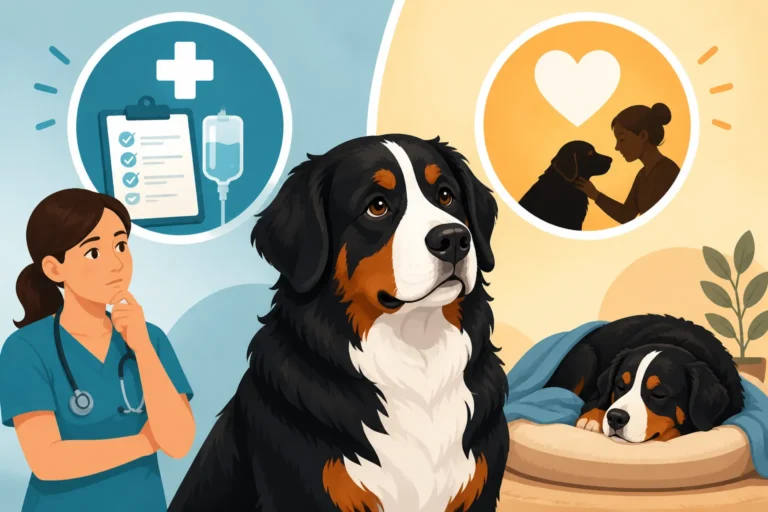
It's a moment no Bernese Mountain Dog owner wants to face: the news that your beloved giant might have an issue with their elbows, threatening their joyful, active life. The world of veterinary diagnostics can feel overwhelming, especially when terms like "elbow grades" are thrown around, leaving you wondering what it all means for your furry family member. This guide aims to demystify the OFA elbow grading system, helping you understand the implications for your Bernese Mountain Dog and how best to support them.
What Exactly Are Elbow Grades and Why Do They Matter for Bernese Mountain Dogs?
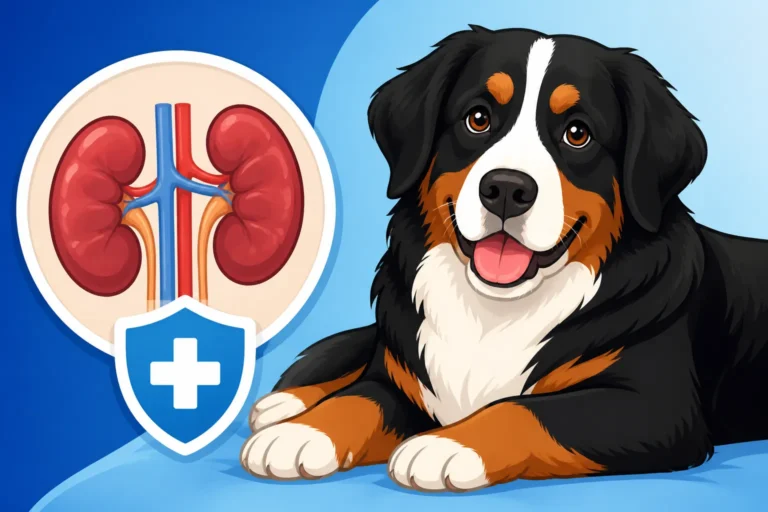
Hearing about elbow grades usually comes in the context of elbow dysplasia, a common, painful, and often debilitating condition in large and giant breed dogs, and unfortunately, our Berners are particularly susceptible. Elbow dysplasia isn't a single disease; it's a collective term for several developmental abnormalities that can occur in the elbow joint. This joint, crucial for your dog's mobility, is formed by three bones: the humerus (upper arm bone), radius, and ulna (forearm bones). When these bones don't grow at the same rate or don't fit together perfectly, it leads to incongruity, abnormal stress, and eventually, degenerative joint disease.
The "grades" are essentially a classification system, typically from the Orthopedic Foundation for Animals (OFA), used to assess the severity of these abnormalities based on radiographic (X-ray) findings. For a breed like the Bernese Mountain Dog, which can weigh upwards of 100 pounds, even minor elbow issues can escalate quickly due to the sheer amount of weight and pressure these joints constantly endure. Imagine carrying an extra person on your back all day – that's the kind of stress these joints handle. This persistent stress leads to inflammation, cartilage damage, and eventually, painful arthritis, significantly impacting your Berner's quality of life and potentially shortening their comfortable, active years.
The Complexities of the Bernese Mountain Dog Elbow Joint
The elbow is a hinge joint, but it's a marvel of intricate engineering, allowing for both flexion and extension, as well as some rotational movement. In Bernese Mountain Dogs, the underlying causes of elbow dysplasia are often genetic, meaning it can be passed down from parents to puppies. This genetic predisposition, combined with factors like rapid growth, nutrition, and exercise, can lead to conditions such as:
- Fragmented Coronoid Process (FCP): A small piece of bone or cartilage breaks off the ulna. This is one of the most common forms.
- Osteochondritis Dissecans (OCD): A flap of cartilage separates from the bone in the joint, often due to a disruption in cartilage development.
- Ununited Anconeal Process (UAP): A growth plate in the ulna fails to fuse properly with the rest of the bone, leading to instability.
- Elbow Incongruity: The surfaces of the three bones don't fit together smoothly, leading to abnormal pressure points.
Any of these issues, individually or in combination, can lead to pain, lameness, and the progressive development of arthritis. Because Berners are so stoic, they often try to hide their discomfort, making early detection a challenge for even the most vigilant owner. This makes understanding their genetics and screening all the more vital.
Why Early Screening and Grading Are Crucial
The truth is, by the time you see your Bernese Mountain Dog limping or showing obvious signs of pain, the damage to the joint might already be quite advanced. This is why many responsible breeders and veterinarians advocate for early screening and OFA certification. Getting X-rays of your Berner's elbows (and hips) once they reach two years of age allows for a professional assessment before breeding or even just to establish a baseline for their joint health.
Knowing your dog's elbow grade can help you make informed decisions about their lifestyle, exercise regimen, and even dietary supplements. If a dog has a poor grade, it means you can start managing potential arthritis sooner, rather than waiting for severe symptoms to appear. This proactive approach, while sometimes emotionally taxing, is truly in the best interest of your Bernese Mountain Dog, helping to extend their comfort and mobility.
Deciphering the OFA Elbow Grading System: What Each Score Means for Your Berner
The Orthopedic Foundation for Animals (OFA) provides a standardized system for evaluating elbow radiographs, which is widely recognized and used by breeders and veterinarians across North America. The process involves taking specific X-ray views of the dog's elbows, which are then submitted to the OFA. Three independent, board-certified veterinary radiologists review these images without knowing the dog's identity, ensuring an objective assessment.
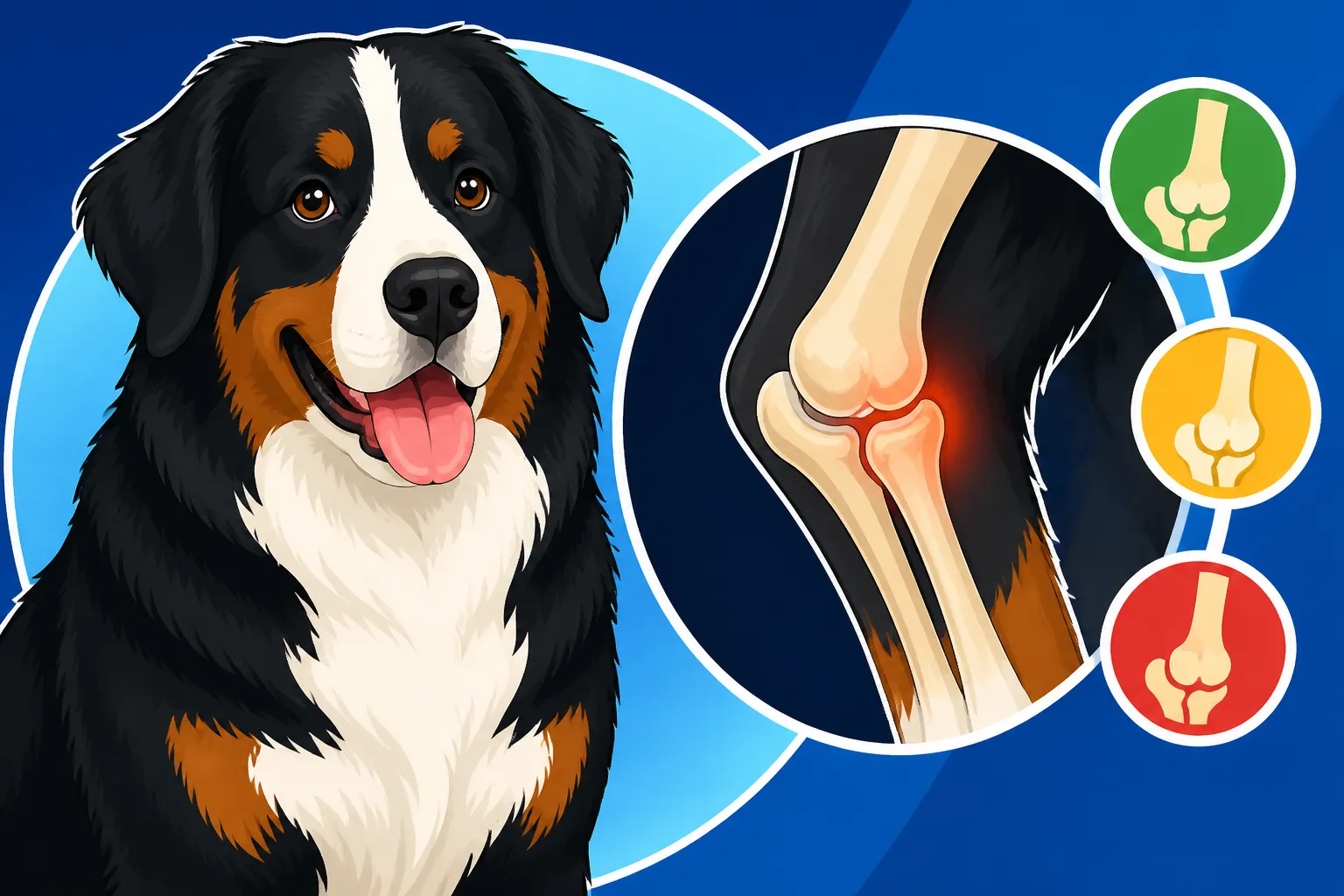
The OFA elbow grades range from Normal to Grade III, indicating increasing severity of elbow dysplasia. Understanding each grade is key to appreciating the findings and planning for your Bernese Mountain Dog's future health.
Grade 0: Normal Elbows
This is the ideal result every Bernese Mountain Dog owner and breeder hopes for. A Grade 0, or "Normal," indicates that no evidence of elbow dysplasia was observed on the X-rays. The joint appears healthy, with smooth articular surfaces and proper alignment of the bones. This is a clear indicator of sound elbow health at the time of the radiograph.
While a "Normal" grade doesn't guarantee your dog will never develop joint issues, it significantly reduces the likelihood of hereditary elbow dysplasia. It also reflects responsible breeding practices, as dogs with normal elbows are typically considered suitable for breeding, helping to pass on good genetics to future generations. For a pet owner, it offers immense peace of mind, knowing your Berner has a strong foundation for an active life. Many breeders will proudly display their dogs' "OFA Clearances a Bernese Mountain Dog Should Have," including elbow grades, as a testament to their commitment to healthy lines.
Grade I: Mild Elbow Dysplasia
A Grade I indicates mild elbow dysplasia. This means there's some evidence of elbow incongruity, or minor bony changes like osteophytes (bone spurs) are present, usually less than 2mm in height. While "mild" might sound reassuring, it's a red flag, especially for a large breed like the Bernese Mountain Dog.
A dog with Grade I elbow dysplasia might not show any clinical signs of lameness or pain in their youth. However, these subtle changes are precursors to future arthritis. For a breeder, a Grade I typically means the dog should not be bred, as it could pass on the genetic predisposition to its offspring. For a pet owner, it means being proactive. You'll want to carefully manage their weight, consider joint supplements, and ensure their exercise is controlled and appropriate. High-impact activities or excessive jumping, for instance, should probably be avoided to reduce further stress on the joint. This is where The Height a Bernese Mountain Dog Should Not Jump From becomes critical advice.
Grade II: Moderate Elbow Dysplasia
Grade II signifies moderate elbow dysplasia. Radiographs would show more distinct bony changes, such as osteophytes ranging from 2-5mm, or clear evidence of elbow incongruity. At this stage, it's much more likely that your Bernese Mountain Dog will exhibit clinical signs, which could include:
- Intermittent or persistent lameness, especially after exercise or prolonged rest.
- Stiffness, particularly when getting up.
- Reluctance to play or engage in usual activities.
- Pain when the elbow is manipulated by a vet.
- Decreased range of motion in the elbow.
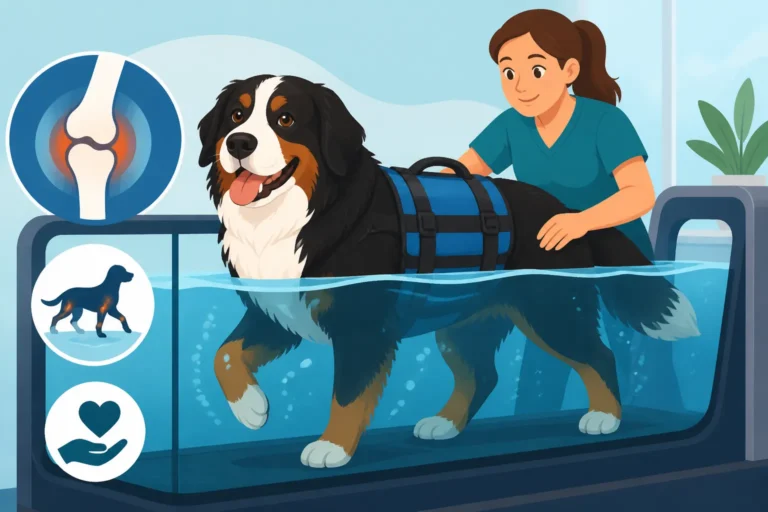
A Bernese Mountain Dog with Grade II elbow dysplasia requires careful management. This usually involves a combination of medication (anti-inflammatories, pain relievers), joint supplements, strict weight control, and potentially physical therapy like Hydrotherapy for an Arthritic Bernese Mountain Dog. Surgical intervention might be considered in some cases, depending on the specific underlying pathology. It's a challenging diagnosis, as it often means your active companion will need a more limited, controlled lifestyle.
Grade III: Severe Elbow Dysplasia
This is the most severe grade of elbow dysplasia. Grade III is characterized by extensive bony changes, osteophytes exceeding 5mm, significant elbow incongruity, and often the presence of severe degenerative joint disease (arthritis). Dogs with Grade III elbow dysplasia almost invariably show significant lameness, chronic pain, and a severely compromised quality of life without aggressive management.
For a Bernese Mountain Dog, a Grade III diagnosis can be truly heartbreaking. These dogs often experience considerable pain and discomfort daily. Treatment will focus on pain management and maintaining the best possible quality of life. This could involve long-term medication, regular physical therapy, and sometimes even advanced surgical procedures, though the prognosis for full recovery is often guarded. The financial burden can also be substantial, with oncology bills, hip and elbow surgery costs for a Bernese Mountain Dog, or other specialized care quickly adding up. This is a situation where having a robust pet insurance plan like those offered by Healthy Paws, which ideally covers chronic conditions, can make a significant difference in what care options are even financially feasible.
| OFA Elbow Grade | Description | Potential Clinical Signs | Management Considerations | Breeding Recommendation |
|---|---|---|---|---|
| 0 (Normal) | No evidence of elbow dysplasia. Healthy joint. | None | Maintain healthy weight, regular appropriate exercise. | Acceptable |
| I (Mild) | Minor bony changes (osteophytes <2mm) or slight | May be asymptomatic or show very | Proactive weight management, joint supplements, controlled exercise, avoid high-impact activities. | Not recommended |
| incongruity. | mild, intermittent lameness. | |||
| II (Moderate) | Distinct bony changes (osteophytes 2-5mm), | More noticeable lameness, stiffness, | Medications (NSAIDs, pain relief), physical therapy, strict weight control, potential surgery. | Not recommended |
| moderate incongruity. | pain after exercise/rest. | |||
| III (Severe) | Extensive bony changes (osteophytes >5mm), | Significant chronic lameness, severe | Intensive pain management, physical therapy, advanced surgery (often palliative), mobility aids. | Not recommended |
| severe incongruity, advanced arthritis. | pain, compromised mobility. |
Living with a Bernese Mountain Dog with Elbow Dysplasia: Management and Prognosis
Receiving an elbow dysplasia diagnosis, even a mild one, for your Bernese Mountain Dog can feel like a punch to the gut. These magnificent dogs are meant for outdoor adventures and joyful romps, and the thought of them being in pain or limited is incredibly difficult. However, a diagnosis isn't a death sentence. With proper management and a dedicated owner, many Berners with elbow dysplasia can still lead fulfilling lives, albeit sometimes with adjustments. The key is to understand that elbow dysplasia is a progressive condition, meaning it tends to worsen over time without intervention.
Conservative Management Strategies
For mild to moderate cases, and as a foundational approach for all grades, conservative management is often the first line of defense. This isn't about ignoring the problem; it's about actively working to slow its progression and alleviate discomfort.
- Weight Management: This cannot be stressed enough. Every extra pound on a Bernese Mountain Dog puts exponentially more stress on their already compromised joints. Keeping your Berner at a lean, healthy weight is perhaps the single most impactful thing you can do. Work with your vet to determine an ideal weight and feeding plan. Overweight Berners will struggle far more with joint issues. This often ties into Whether a Lean Bernese Mountain Dog Lives Longer.
- Controlled Exercise: High-impact activities, jumping, running on hard surfaces, and sudden stops and starts should be minimized or eliminated. Instead, focus on low-impact activities like leash walks, swimming, and gentle playtime on soft surfaces. The goal is to build and maintain muscle mass around the joint for support without exacerbating the existing damage. Consider the "Five-Minute Rule" for puppies and even older dogs to prevent overexertion.
- Joint Supplements: Many Bernese Mountain Dog owners find relief with joint supplements containing ingredients like glucosamine, chondroitin, MSM, and Omega-3 fatty acids. These can help support cartilage health, reduce inflammation, and improve joint lubrication. While not a cure, they can be a valuable part of a comprehensive management plan. It's wise to discuss specific brands and dosages with your veterinarian. You might even find yourself Starting a Bernese Mountain Dog on Joint Medication Young if a diagnosis comes early.
- Pain Management & Anti-Inflammatory Medication: Your veterinarian may prescribe non-steroidal anti-inflammatory drugs (NSAIDs) to manage pain and reduce inflammation. These medications can significantly improve your dog's comfort and mobility. Always follow your vet's instructions carefully, as long-term use requires monitoring for potential side effects. Other pain medications or alternative therapies might also be considered.
- Physical Therapy and Rehabilitation: This is a game-changer for many dogs with elbow dysplasia. A certified canine rehabilitation therapist can develop a tailored program that includes exercises to strengthen supporting muscles, improve range of motion, and reduce pain. Techniques like hydrotherapy, therapeutic ultrasound, laser therapy, and massage can make a profound difference.
- Environmental Modifications: Make your home as comfortable and safe as possible. Orthopedic beds provide better support. Ramps can help your Berner get into and out of cars or onto furniture, reducing strain on their elbows. Non-slip runners or rugs on hard floors can prevent dangerous slips and falls.
Surgical Interventions
When conservative management isn't enough, or if the underlying issue is severe, surgical options may be discussed. The type of surgery depends entirely on the specific cause of the elbow dysplasia:
- Arthroscopy: A minimally invasive procedure where a small camera is inserted into the joint to diagnose and treat problems like FCP or OCD by removing fragmented cartilage or bone. Recovery is generally quicker than open surgery.
- Osteotomy Procedures (e.g., PAUL, SHO): These involve cutting and reshaping bones to improve joint congruity and distribute weight more evenly, reducing pressure on damaged areas. These are more involved surgeries with longer recovery times.
- Elbow Replacement: In very severe, end-stage cases with debilitating arthritis, an artificial elbow joint might be considered, though this is less common than hip replacements and has its own set of challenges.
The decision for surgery is a significant one, involving considerable cost and a commitment to post-operative rehabilitation. It's important to have an open and honest conversation with your veterinary orthopedic specialist about the potential benefits, risks, and realistic outcomes for your individual Bernese Mountain Dog.
Prognosis and Quality of Life
The prognosis for a Bernese Mountain Dog with elbow dysplasia varies greatly depending on the severity, the specific underlying issues, and the owner's commitment to management. Dogs with mild dysplasia (Grade I) that are managed proactively can often live long, comfortable lives with minimal impact on their activity. However, even with diligent care, they will likely develop Arthritis in a Bernese Mountain Dog by Six.
For dogs with moderate to severe dysplasia (Grade II or III), the journey can be more challenging. While their lives might be shorter than an unaffected Berner, or their activity significantly curtailed, a high quality of life is still achievable with consistent pain management, rehabilitation, and environmental adjustments. It's about finding the right balance to keep them as comfortable and happy as possible, cherishing every moment with these loyal companions.
Preventative Measures and Responsible Breeding Practices
The best way to address elbow dysplasia in Bernese Mountain Dogs is to prevent it from happening in the first place, or at least to minimize its risk and severity. This largely falls on the shoulders of responsible breeders and, subsequently, on diligent puppy owners. Understanding these preventative steps is crucial whether you're looking for a new puppy or already have a young Berner in your home.
The Role of Responsible Breeders
A truly responsible Bernese Mountain Dog breeder is the first line of defense against hereditary conditions like elbow dysplasia. They understand the genetic component of this disease and take rigorous steps to minimize its occurrence in their lines.
- Health Testing Parents: This is non-negotiable. Reputable breeders will only breed dogs that have received "Normal" (Grade 0) OFA elbow clearances. They also test for other significant health issues, such as hip dysplasia, eye conditions, and heart health. They should be transparent and readily provide copies of these certifications, not just mention them casually. You can often verify these results through the OFA database or the Berner-Garde database. The latter, for example, is where breeders track health information and longevity data on Bernese Mountain Dogs.
- Pedigree Research: Beyond just the parents, good breeders delve into the health history of multiple generations in a dog's pedigree. They look for patterns of longevity and health, carefully considering the elbow status of grandparents, great-grandparents, and siblings of potential breeding dogs. This helps them make informed decisions to reduce the likelihood of passing on undesirable traits.
- Transparency and Support: A responsible breeder will be open about the health challenges within the breed and their specific lines. They will educate prospective owners on how to care for a growing puppy to minimize joint stress and offer ongoing support and advice throughout your dog's life. If a breeder makes excuses about health testing or seems secretive, that's a major red flag.
When choosing a puppy, always ask to see the OFA elbow certificates for both parents. Don't be afraid to ask detailed questions about their breeding philosophy and how they mitigate the risk of elbow dysplasia. This due diligence is critical for the long-term health of your future Bernese Mountain Dog.
Puppy Care to Minimize Joint Stress
Even with a genetically sound puppy from health-tested parents, how you raise your Bernese Mountain Dog during their critical growth period can significantly impact their joint health. Their bones and joints are rapidly developing, and excessive stress can lead to problems, even if they have good genetics.
- Controlled Growth and Nutrition: Rapid growth can put undue stress on developing joints. Feed a high-quality, large-breed puppy food formulated for slow and steady growth. Avoid overfeeding, which leads to excess weight and quick growth spurts. Discuss your puppy's nutritional needs and feeding schedule with your vet to ensure they're growing at a healthy rate. This is particularly important for Why a Bernese Mountain Dog Puppy Needs Controlled Calcium.
- Appropriate Exercise: While exercise is essential, it needs to be controlled. Avoid forced, repetitive, or high-impact activities. No long runs, intense ball-fetching sessions, or excessive jumping from high places. Let your puppy dictate the pace during walks, and encourage short, frequent play sessions rather than one long, strenuous one. Protect those developing joints! Consider limiting access to stairs or providing ramps during their first year or two to prevent unnecessary strain.
- Soft Surfaces for Play: Encourage play on grass or other soft surfaces rather than concrete or asphalt. This helps absorb impact and reduces wear and tear on joints.
- Avoid Rough Play with Larger Dogs: While socialization is important, be mindful of rough play, especially with much larger or older dogs who might inadvertently injure a still-developing Bernese Mountain Dog puppy. Think about Whether a Bernese Mountain Dog Puppy Can Play With Big Dogs with caution.
- Monitor for Lameness: Pay close attention to your puppy's gait and activity levels. Any limping, stiffness, or reluctance to play should be immediately investigated by a veterinarian. Early detection of any joint issue is always best.
By being vigilant about responsible breeding choices and adopting smart puppy-raising practices, you can significantly improve the chances that your Bernese Mountain Dog will enjoy a lifetime of healthy, pain-free movement. While you can't eliminate all risk, you can certainly stack the odds in your beloved Berner's favor.
Disclaimer
The information provided in this article is for general informational purposes only and does not constitute veterinary advice. Always consult with a qualified veterinarian for any health concerns or before making any decisions related to your Bernese Mountain Dog's medical care.