Signs a Bernese Mountain Dog’s Hips Hurt
One of the most heartbreaking realities for any Bernese Mountain Dog owner is seeing their beloved giant struggle with pain, especially in their joints. Given their majestic size and playful spirit, it's particularly distressing when their hips begin to fail, robbing them of the mobility and joy they deserve. This comprehensive guide will walk you through the subtle and overt signs that your Bernese Mountain Dog might be experiencing hip discomfort, helping you recognize these crucial indicators early so you can seek the best care for your furry family member.
Understanding the Unique Challenges of Bernese Mountain Dog Hips
Bernese Mountain Dogs are truly magnificent, but their impressive stature comes with a predisposed vulnerability to certain orthopedic conditions, hip dysplasia being chief among them. It's a condition many owners dread, and for good reason. Understanding why their hips are so often a concern is the first step in being a vigilant advocate for your Berner.
Why Berners Are Prone to Hip Issues
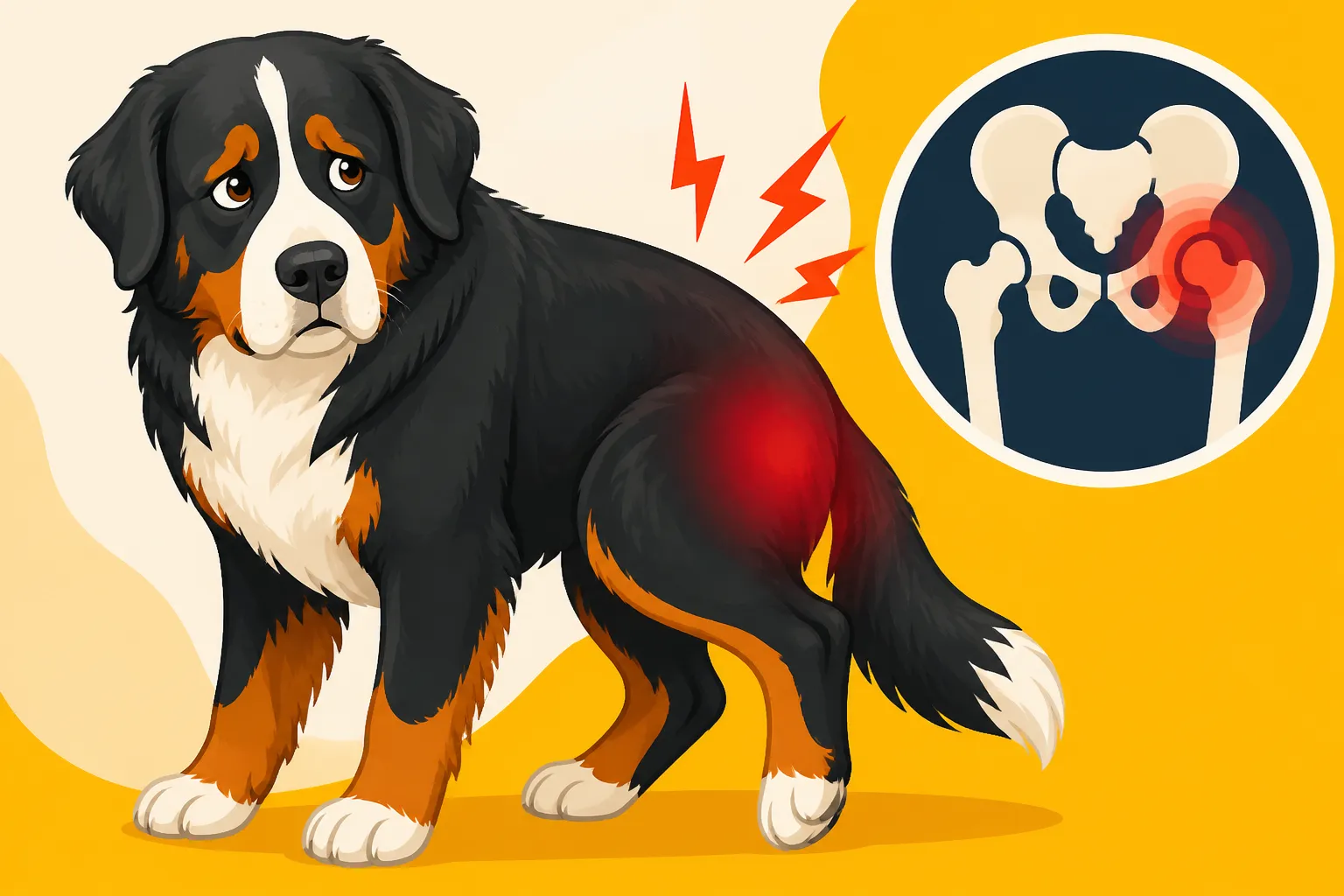
The Bernese Mountain Dog's rapid growth rate and substantial adult weight are significant factors contributing to their propensity for hip problems. They grow from tiny puppies to over a hundred pounds in a relatively short period, placing immense stress on developing joints. Hip dysplasia, at its core, is a malformation of the hip joint, where the ball (femoral head) doesn't fit snugly into the socket (acetabulum). Instead, it's loose, or dysplastic, leading to friction, wear, and eventually, painful arthritis. Genetics play a colossal role here. Responsible breeders meticulously screen their breeding stock, often looking for OFA Clearances a Bernese Mountain Dog Should Have to try and reduce the incidence in future generations. However, even with the best genetic screening, the sheer physics of their size can still present challenges.
The Insidious Nature of Hip Pain
What makes hip pain so challenging to identify in Berners, especially in its early stages, is their stoic nature. Dogs, as a species, are incredibly good at masking discomfort, a survival instinct from their wild ancestors. They don't want to appear weak or vulnerable. This means that by the time you notice overt limping or crying out, the pain might have been present for quite some time, and the condition could be quite advanced. Many owners report a slow, gradual decline in activity, which they initially attribute to "getting older" or just a shift in temperament, not realizing it's a sign that Joint Disease in a Hundred Pound Bernese Mountain Dog is developing. This insidious progression requires owners to be exceptionally observant and attuned to even the smallest changes in their dog's behavior and movement.
Common Behavioral Signs of Hip Discomfort
When your Bernese Mountain Dog starts experiencing hip pain, it often manifests first in subtle shifts in their everyday behaviors. These changes might not scream "injury" initially, but collectively, they paint a clear picture of discomfort. Paying close attention to these nuances can make a world of difference in your dog's quality of life.
Changes in Movement and Gait
One of the most common early indicators of hip pain is a change in how your Berner moves. You might notice a subtle stiffness, especially after resting or first waking up. Imagine yourself trying to get out of bed with a sore back – it's that kind of hesitant, careful movement. Your Berner might start to "bunny hop" when running, where both back legs move together rather than independently, trying to minimize the load on one hip. Their stride might shorten, or they may develop a slight limp that seems to come and go, often worsening after heavy exercise or long periods of rest. Climbing stairs or jumping into the car, once effortless, might become a struggle, sometimes accompanied by a visible grimace or a slight hesitation at the bottom of the steps. Observing them walk away from you, you might notice an unusual swaying of their hindquarters, or a reluctance to bear full weight on one side.
Reluctance to Engage in Favorite Activities
Bernese Mountain Dogs are known for their playful, often goofy, nature. If your usually enthusiastic Berner starts turning down opportunities for walks, fetch, or even just a romp in the yard, it's a red flag. A dog that used to live for hikes might now lag behind or want to cut the walk short. They might stop jumping to greet you, or hesitate before getting on the couch for cuddles. This isn't laziness; it's a deliberate choice to avoid movements that cause pain. It's heartbreaking to see them opt out of things they once loved, but it’s their way of telling you, "This hurts." This kind of withdrawal from activity can sometimes be mistaken for other issues, but when combined with subtle gait changes, it points strongly toward musculoskeletal discomfort.
Altered Posture and Sitting Habits
Take a moment to observe how your Bernese Mountain Dog sits or lies down. A dog with hip pain will often avoid sitting squarely. Instead, they might adopt a "lazy sit" or "puppy sit," where one leg is extended out to the side rather than tucked neatly underneath. This position alleviates pressure on the hip joint. They might also shift their weight more to their front legs when standing, creating an "arched back" appearance as they try to unweight their painful hindquarters. When lying down, getting into a comfortable position can take longer, and they might groan or sigh as they settle. They might prefer lying on one side consistently or avoid lying flat on their back, as these positions can put strain on the affected hips. Noticing these postural shifts can provide key insights into their level of discomfort.
Physical Indicators You Might Observe
Beyond behavioral changes, there are also physical signs you can look for if you suspect your Bernese Mountain Dog's hips are hurting. These involve more direct observation and gentle palpation, and while not a substitute for a vet's examination, they can certainly help you gather information to share with your veterinarian.
Sensitivity to Touch and Palpation
If your Berner is experiencing hip pain, they may react negatively to being touched in the hip or lower back area. A dog that normally loves a good scratch on the rump might flinch, pull away, or even snap if the area is particularly sensitive. Gently run your hands along their spine and down over their hips and hind legs. Pay attention to any involuntary muscle spasms, a sudden tensing of the muscles, or a sharp reaction from your dog. They might vocalize with a whine or growl, or just shift uncomfortably. This sensitivity is a clear signal that something is amiss internally, and it’s a critical piece of information to convey to your vet.
Muscle Atrophy and Asymmetry
Over time, if one or both hips are painful, your Bernese Mountain Dog will naturally shift weight away from the discomfort. This leads to underuse of the affected muscles, resulting in muscle atrophy – the wasting away of muscle mass. You might notice that the thigh muscles on one side appear smaller or less developed than on the other. Stand behind your dog and look down at their hindquarters; you might see an asymmetry, with one side looking flatter or less muscular. This can be harder to spot in a heavily coated breed like a Berner, but feeling their legs can reveal a difference in muscle tone. The muscles around the hips and even in the lower back might also feel tense and hard from compensatory strain, as their body tries to protect the painful joint. This kind of The Bernese Mountain Dog Whose Back Legs Give Out could be a direct result of chronic hip issues.
Visible Swelling or Joint Changes
While not always immediately obvious, particularly in early stages, chronic inflammation from hip dysplasia can sometimes lead to palpable changes around the hip joint. You might feel a slight thickening or swelling, though this is often deep-seated and harder to detect through their thick coat. More commonly, you might notice a reduced range of motion when you gently try to manipulate their leg. For instance, extending their leg fully backward or rotating it outward might be met with resistance or pain. However, it's important to exercise extreme caution when attempting this, as forcing a painful joint can cause further distress or injury. This observation is best left to a veterinary professional.
| Symptom Category | Early Signs | Moderate Signs | Advanced Signs |
|---|---|---|---|
| Movement | Stiffness after rest, subtle limp | Bunny hopping, hesitation on stairs, reduced jump height | Severe lameness, difficulty standing, inability to jump |
| Behavior | Reluctance for long walks, shorter play sessions | Avoiding fetch, groaning when settling, less interaction | Withdrawal, crying out in pain, aggression when touched |
| Posture | "Lazy sit," slight weight shift forward | Arched back, consistent one-sided sitting | Constant shifting, inability to lie comfortably |
| Physical | Mild sensitivity to touch on hips | Noticeable muscle atrophy (thighs), flinching | Severe pain response, visible asymmetry, grinding in joint (rare) |
When to Seek Veterinary Attention
Recognizing the signs is one thing, but knowing when to act is another. If you've observed any of the behaviors or physical indicators mentioned above, it's definitely time to make an appointment with your veterinarian. Early intervention can significantly impact your Berner's long-term comfort and mobility.
The Importance of Early Diagnosis
Waiting too long can mean the condition progresses, leading to more severe pain, more extensive joint damage, and potentially fewer treatment options. Early diagnosis allows for prompt management, which can include dietary adjustments, controlled exercise, and Starting a Bernese Mountain Dog on Joint Medication Young. Catching hip issues early can help slow the progression of Arthritis in a Bernese Mountain Dog by Six and manage pain more effectively. A proactive approach not only improves your dog's quality of life but can also potentially save you from more intensive, costly interventions down the line. Don't underestimate the power of early detection – it's truly crucial for a breed like the Bernese Mountain Dog.
What to Expect at the Vet
When you take your Bernese Mountain Dog to the vet for suspected hip pain, your veterinarian will conduct a thorough physical examination. This will include observing your dog's gait, carefully palpating their hips and legs, and performing range-of-motion tests. They'll ask you a lot of questions about when you first noticed the signs, how they've progressed, and how your dog is behaving at home. It’s a good idea to bring notes or even a short video of your dog's movements if you can capture them. They'll also want to know about your dog's history, diet, and any medications or supplements they might be on. This comprehensive approach helps them rule out other potential causes of discomfort and narrow down the possibilities.
Considering Diagnostic Imaging
To get a definitive diagnosis, your vet will likely recommend diagnostic imaging, primarily X-rays. This usually involves sedating your Bernese Mountain Dog to get clear, precisely positioned radiographs of their hips. The X-rays will show the structure of the hip joints, the fit of the femoral head into the acetabulum, and any signs of degeneration or arthritis. This is often the most critical step in confirming hip dysplasia and assessing its severity. Your vet might discuss when The Age a Bernese Mountain Dog Should Be X-Rayed is optimal, especially if it's a routine screening or if symptoms appear early. In some complex cases, other imaging like MRI or CT scans might be considered, but X-rays are the gold standard for hip dysplasia. Once diagnosed, your vet can then discuss tailored treatment plans.
Managing Hip Pain and Supporting Your Berner
Once a diagnosis of hip pain or dysplasia is made, the focus shifts to management. While there's no "cure" for hip dysplasia itself, there are many ways to manage the pain, improve mobility, and ensure your Bernese Mountain Dog lives as comfortably and happily as possible. This often involves a multi-modal approach.
Lifestyle Adjustments at Home
Making practical adjustments at home can significantly alleviate your Berner's discomfort. Start by providing supportive, orthopedic bedding, such as Bedding for an Arthritic Bernese Mountain Dog, to cushion their joints and ease pressure points. Install ramps or steps to help them access elevated surfaces like the couch or car, reducing the need for painful jumping. Use non-slip rugs or runners on slick floors to provide better traction, preventing slips and falls that can exacerbate pain. Keep exercise consistent but moderate; short, frequent walks are often better than one long, strenuous outing. Avoid high-impact activities like aggressive fetch or agility training that put excessive stress on their hips. Monitoring their weight is also paramount, as every extra pound adds strain to already compromised joints. Even a few pounds can make a significant difference.
The Role of Supplements and Medication
A common approach to managing hip pain involves supplements and medication. Joint supplements containing ingredients like glucosamine, chondroitin, and MSM can help support cartilage health and reduce inflammation. Omega-3 fatty acids, found in fish oil, are also powerful anti-inflammatories. Your vet can recommend specific brands and dosages. When it comes to pain, non-steroidal anti-inflammatory drugs (NSAIDs) are frequently prescribed to reduce pain and inflammation, providing much-needed relief. Always administer these under veterinary guidance, as proper dosing and monitoring are essential to avoid side effects. In some cases, other pain medications might be used in conjunction with NSAIDs or as alternatives. Pet insurance providers like Healthy Paws often cover prescribed medications for chronic conditions like hip dysplasia, which can be a huge relief for owners facing ongoing costs.
Exploring Physical Therapy and Other Modalities
Physical therapy can be incredibly beneficial for Bernese Mountain Dogs with hip pain. Modalities like Hydrotherapy for an Arthritic Bernese Mountain Dog (swimming or underwater treadmill) allow for exercise with minimal impact on joints, building muscle strength without pain. Therapeutic exercises, massage, and stretching can improve flexibility, reduce stiffness, and strengthen supporting muscles. Laser therapy and acupuncture are also gaining popularity for their anti-inflammatory and pain-relieving effects. For severe cases, surgical options like total hip replacement, though costly and intensive, can offer a new lease on life. This is often a last resort, but it can be highly effective for dogs suffering from excruciating pain. Discussing The Case for Replacing a Bernese Mountain Dog's Hip with your vet will help you understand if it's a viable option for your dog. For those considering surgical paths or ongoing therapies, having a comprehensive pet insurance plan from a provider like Healthy Paws can significantly ease the financial burden, allowing you to prioritize your Berner's health without constant worry about Pain Medication Costs for an Arthritic Bernese Mountain Dog.
Disclaimer
This article is for general informational purposes only and does not constitute professional advice. Laws, prices and regulations vary by location and change over time. Consult a qualified professional for guidance on your specific situation.