Whether Gastropexy Ends the Risk for a Bernese Mountain Dog
It’s a heart-stopping moment for any Bernese Mountain Dog owner: that sudden, alarming distension of the abdomen, the restlessness, the retching attempts that yield nothing. We know the terror of bloat, or gastric dilatation-volvulus (GDV), a condition that can claim our beloved Berner's life in mere hours. Many of us consider a gastropexy as a preventative measure, but does it truly end the risk? This comprehensive guide will delve into what a gastropexy achieves, what dangers remain, and how to continue protecting your Bernese Mountain Dog.
What a Gastropexy Does and Doesn't Prevent
The question of whether a gastropexy truly ends the risk of bloat for a Bernese Mountain Dog is a critical one, and the answer, while largely positive, comes with important nuances. It's vital for Berner owners to understand precisely what this surgical procedure is designed to do, and equally, what it does not. It can be a massive relief, but it’s not a magic bullet that makes bloat a non-issue forever.
What Gastropexy Actually Prevents: Torsion
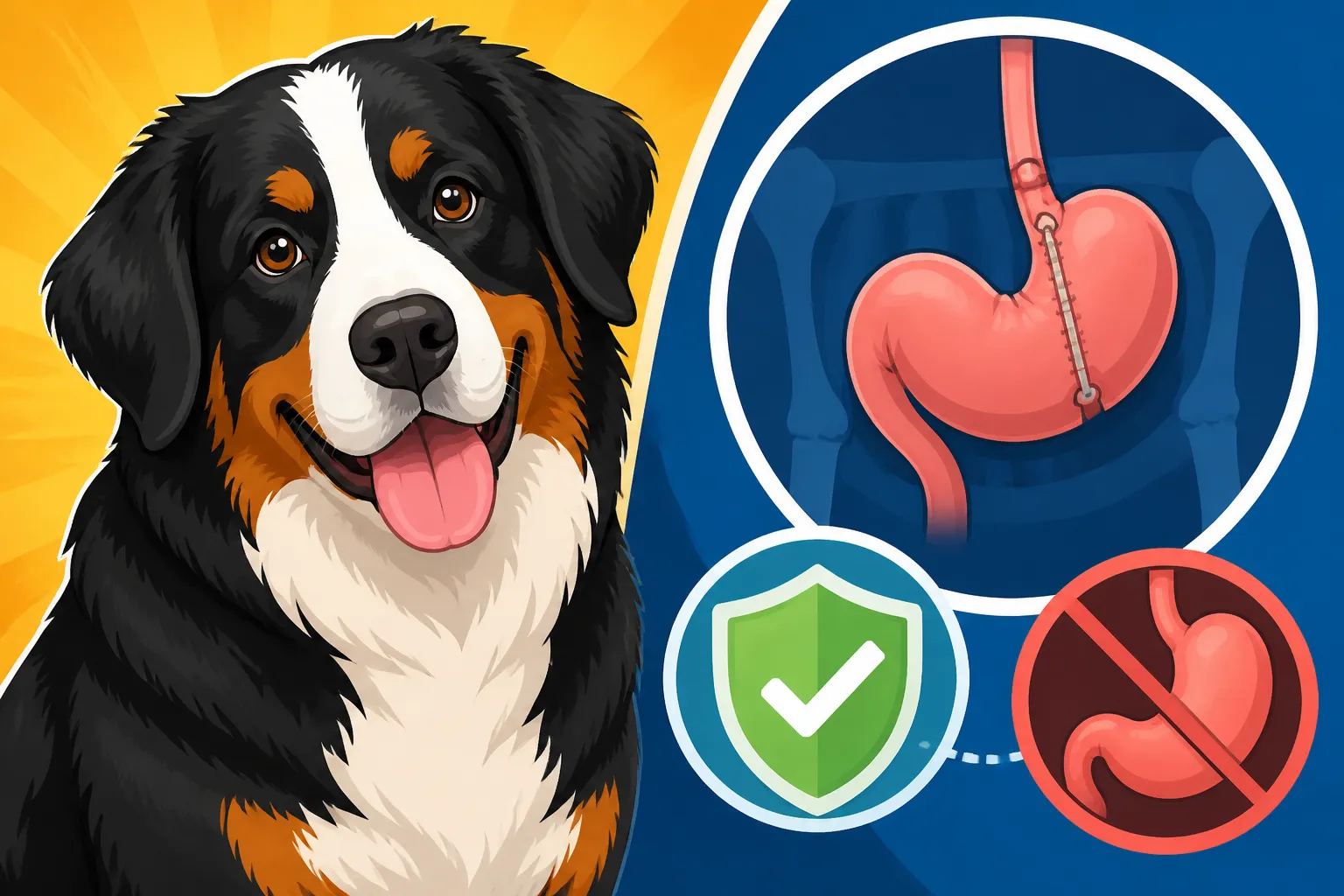
Gastropexy is a surgical procedure where the stomach is permanently attached to the abdominal wall. Its primary, incredibly significant benefit is preventing gastric volvulus, which is the twisting or torsion of the stomach. In GDV, not only does the stomach fill with gas and fluid (dilatation), but it also rotates, cutting off blood supply to the stomach and often the spleen, and rapidly leading to shock and death. This twisting is the most life-threatening aspect of the condition.
By tacking the stomach in place, a gastropexy makes it physically impossible for the stomach to twist. This means that if your Bernese Mountain Dog's stomach distends with gas and fluid, it won't be able to rotate into the dangerous, often fatal, position of volvulus. This dramatically reduces the immediate, catastrophic risk associated with bloat. The difference in prognosis between a dog with bloat (dilatation only) and a dog with GDV (dilatation and volvulus) is immense, with the latter requiring immediate, complex emergency surgery and having a much higher mortality rate. For more on the critical timeline, you might want to read about The Half-Hour That Decides a Bloated Bernese Mountain Dog.
What Gastropexy Doesn't Prevent: Dilatation
While gastropexy prevents the stomach from twisting, it does not prevent the stomach from dilating, or filling with gas and fluid. Your Bernese Mountain Dog can still experience gastric dilatation, often referred to as "simple bloat." In this scenario, the stomach fills and expands, causing extreme discomfort, pain, and pressure on other organs, but it won't rotate.
Even without the twisting, dilatation is still a serious condition that requires prompt veterinary attention. The distended stomach can press on the diaphragm, making breathing difficult, and can also compromise blood flow to the heart, leading to shock. While not as immediately life-threatening as GDV, it is a medical emergency that needs to be addressed quickly to relieve pressure and prevent further complications. Symptoms like drooling, restlessness, a distended abdomen, and unproductive retching can still occur, and you should always treat them seriously, even if your dog has had a gastropexy. You should still know What Bloat Looks Like in a Bernese Mountain Dog and respond swiftly.
Understanding Bloat Risk in Bernese Mountain Dogs
It’s an unfortunate reality that Bernese Mountain Dogs are among the breeds significantly predisposed to bloat. Understanding why our gentle giants face this risk helps us appreciate the importance of preventative measures like gastropexy and ongoing vigilance. It's not just a random occurrence; there are specific factors that make them more susceptible.
Breed Predisposition and Anatomy
Bernese Mountain Dogs, like many other large, deep-chested breeds such as Great Danes, Standard Poodles, and Weimaraners, have an anatomical predisposition to bloat. Their chest cavity is deep and narrow, allowing the stomach more room to swing and twist when filled with gas or fluid. This physical characteristic is a primary reason why they are considered a high-risk breed.
Beyond anatomy, several factors can contribute to the onset of bloat. Eating too quickly is a common trigger, as dogs gulping their food often ingest large amounts of air, which can contribute to gastric distension. Stress and anxiety can also play a role, as can vigorous exercise immediately before or after meals. Some studies suggest that feeding only one large meal a day, or using elevated food bowls, might increase risk, though research on these specific factors is ongoing and sometimes contradictory. There’s a good deal of discussion about Whether a Fast-Eating Bernese Mountain Dog Bloats More. The hereditary component is also a significant concern, meaning that if a Berner's close relatives have suffered from bloat, their own risk may be elevated.
The Devastating Impact of Gastric Dilatation-Volvulus
When the stomach not only dilates but also twists (volvulus), the situation becomes rapidly life-threatening. The rotation traps gas and fluid, causing immense pressure. This pressure compromises blood flow to the stomach wall, leading to tissue death (necrosis). It also puts pressure on major blood vessels, impairing blood return to the heart and quickly leading to shock. The pain is excruciating, and without immediate intervention, death can occur within hours.
Emergency surgery is the only treatment for GDV. This procedure involves untwisting the stomach, assessing the damage, and often performing a gastropexy to prevent recurrence. However, the survival rate for dogs undergoing emergency GDV surgery is lower than for those who undergo prophylactic gastropexy, and the costs and recovery are significantly more intensive. Knowing the signs and getting to an emergency vet within that crucial "golden hour" is absolutely paramount if your dog shows symptoms of bloat. This is why many owners choose to have a gastropexy performed, often concurrently with spaying or neutering, as a proactive measure. You can learn more about the costs associated with this critical intervention in Emergency Surgery on a Bloated Bernese Mountain Dog.
Living With a Gastropexied Bernese Mountain Dog
Even after your Bernese Mountain Dog has undergone a gastropexy, your role as a vigilant owner doesn't end. While the most immediate and fatal risk of stomach torsion is largely mitigated, it’s still crucial to be aware that your dog can experience gastric dilatation (bloat without twist) and other health concerns. The peace of mind a gastropexy provides is immense, but it should be coupled with ongoing responsible care.
Continued Vigilance and Post-Gastropexy Care
A gastropexy significantly reduces the risk, but it's not a license to disregard all bloat-prevention strategies. Your Berner can still experience symptoms of gastric dilatation, where the stomach fills with gas and fluid but doesn't twist. While less immediately catastrophic than GDV, this condition is still painful and can lead to complications if not addressed. Symptoms such as a distended belly, drooling, restlessness, pacing, and unproductive retching still warrant an immediate call to your veterinarian. Early intervention for dilatation can prevent severe discomfort and potential secondary issues.
Regular veterinary check-ups are always important, but especially so for a large breed like the Bernese Mountain Dog, known for a range of health issues. Your vet can monitor your dog’s overall health, discuss any unusual symptoms, and help you maintain an optimal body condition. Ensuring your Berner isn't overweight can reduce strain on their joints and overall organ function, contributing to better health. Many owners find a robust pet insurance plan, such as those offered by Healthy Paws, invaluable for managing unexpected health issues, even post-gastropexy, providing a crucial safety net.
Lifestyle Adjustments and Emergency Preparedness
Even with a gastropexy, adopting certain lifestyle adjustments can help minimize the chances of simple bloat and promote overall digestive health for your Bernese Mountain Dog.
- Dietary Management: Consider feeding smaller, more frequent meals (two or three times a day) rather than one large meal. This can reduce the amount of food and air ingested at once. Using a slow feeder bowl can also help curb rapid eating, forcing your dog to take their time and reducing air intake.
- Exercise Timing: Avoid strenuous exercise or highly exciting play immediately before or after meals. Give your Bernese Mountain Dog at least an hour of rest before and after eating. This allows their stomach to digest without excessive movement.
- Stress Reduction: High-stress situations can sometimes contribute to digestive upset. Providing a calm environment, especially around meal times, can be beneficial.
- Water Intake: Ensure constant access to fresh water, but avoid allowing them to gulp large amounts of water immediately after eating or heavy exercise.
- Emergency Plan: Even though the risk of torsion is greatly reduced, know the location and contact information for your nearest 24-hour emergency veterinary clinic. Discuss your dog's gastropexy with them if you ever need to visit, as it will inform their diagnostic approach.
These proactive steps, combined with the protection of a gastropexy, offer the best chance for a long and comfortable life for your Bernese Mountain Dog. Remember, even with surgical intervention, a mindful approach to their daily routine remains key.
The Decision to Get a Gastropexy
Deciding whether to pursue a gastropexy for your Bernese Mountain Dog is a significant choice that involves weighing the benefits against the risks and considering the financial implications. It’s a discussion that every Berner owner should have with their veterinarian, taking into account their dog's individual health, age, and risk factors.
Prophylactic Gastropexy: Benefits and Considerations
A prophylactic gastropexy is performed on a healthy dog before any signs of bloat appear. It's often done at the same time as a spay or neuter, especially in younger dogs, which minimizes the need for an additional anesthetic event. The primary benefit, as we've discussed, is the dramatic reduction in the risk of gastric volvulus, the life-threatening twisting of the stomach. For a breed like the Bernese Mountain Dog, where the lifetime risk of GDV is substantial, this offers incredible peace of mind.
Consider the alternative: facing an emergency GDV episode. This involves urgent, high-stress surgery, often in the middle of the night, with a higher risk of complications and a longer, more difficult recovery. The costs associated with emergency bloat surgery are also significantly higher than for a planned, prophylactic gastropexy. Prophylactic gastropexy is often a fraction of the cost of emergency surgery, a factor that many pet parents consider, especially given What a Gastropexy Costs for a Bernese Mountain Dog. For owners who have pet insurance, like Healthy Paws, it's worth checking if prophylactic procedures are covered, or if the policy would cover emergency GDV treatment, as this can heavily influence your financial planning.
However, it's still a surgical procedure, meaning it carries inherent risks like anesthesia complications, infection, or pain. These risks are generally low in healthy animals undergoing a planned surgery, but they are not zero. Your vet will discuss these with you, along with your dog’s overall health status to determine if they are a good candidate.
Surgical Options and Recovery
There are typically two main surgical approaches for gastropexy:
- Open Gastropexy: This is the traditional method, involving an incision in the abdomen to directly access and attach the stomach to the abdominal wall. It's often performed during a spay or neuter procedure.
- Laparoscopic-Assisted Gastropexy: This less invasive technique involves smaller incisions and the use of a camera (laparoscope) to guide the surgery. It often results in less pain, smaller scars, and a faster recovery time. Some specialized veterinary centers also offer a complete laparoscopic approach.
The recovery period after a gastropexy typically involves a few weeks of restricted activity. Your dog will need to avoid strenuous exercise, jumping, and rough play to allow the surgical site to heal properly. Pain medication will be prescribed, and you'll need to monitor the incision for any signs of infection or complications. Most Berners recover very well and quickly return to their normal routines, with the added benefit of reduced GDV risk. For Bernese Mountain Dog owners, understanding Adding a Gastropexy to a Bernese Mountain Dog's Spay is a common consideration, as combining procedures can be beneficial.
Bloat Symptoms: Before and After Gastropexy
It's crucial to understand that while gastropexy prevents the dreaded twisting, many symptoms of bloat (dilatation) can still manifest. Knowing the difference, and knowing when to act, is paramount.
| Symptom | Before Gastropexy (GDV Risk) | After Gastropexy (Dilatation Risk) |
|---|---|---|
| Abdominal Distension | Often severe, hard, and painful to the touch. | May be distended, hard, and painful, but potentially less severe. |
| Retching/Unproductive Vomit | Frequent, strong attempts to vomit with no or little material. | Similar, frequent attempts to vomit with no or little material. |
| Restlessness/Pacing | Pronounced anxiety, unable to get comfortable. | Still restless and anxious due to discomfort. |
| Drooling | Excessive drooling, often foamy. | May still exhibit excessive drooling. |
| Pain/Whining | Severe pain, often whining, guarding abdomen. | Significant pain and discomfort, whining. |
| Pale Gums | Gums often pale, indicating shock. | Less common or slower to develop unless severe shock. |
| Rapid, Shallow Breathing | Common as stomach presses on diaphragm. | Can occur if distension is severe, hindering breathing. |
| Collapse/Weakness | High likelihood of collapse and severe weakness due to shock. | Less likely unless dilatation is prolonged or very severe. |
| Twisted Abdomen (visible) | Sometimes visible asymmetry of the abdomen if torsion is advanced. | Not possible due to surgical attachment. |
Regardless of whether your Bernese Mountain Dog has had a gastropexy, any suspicion of bloat symptoms warrants an immediate call to your veterinarian. While the urgency for surgical intervention might differ, gastric dilatation itself is a medical emergency that needs prompt treatment. A delay can still lead to shock, organ damage, or other severe complications. Knowing Which Bernese Mountain Dogs Are Most at Risk of Bloat can help you assess your dog's individual susceptibility further.
Disclaimer
This article is intended for informational purposes only and does not constitute veterinary advice. Always consult with a qualified veterinarian for any health concerns or before making any decisions about your Bernese Mountain Dog's medical care.