Emergency Surgery on a Bloated Bernese Mountain Dog
One of the most terrifying emergencies a Bernese Mountain Dog owner can face is bloat, a condition that strikes with horrifying speed and can turn a perfectly normal evening into a frantic dash to the veterinary emergency room. The sudden onset of a distended abdomen, retching, and visible distress in your beloved Berner is a nightmare scenario, leaving you feeling helpless and desperate for answers. This comprehensive guide is here to walk you through exactly what happens during emergency surgery for bloat, officially known as gastric dilatation-volvulus (GDV), what you can expect during this critical time, and the vital factors that influence your Berner's chances of survival and recovery.
Recognizing the Signs and Immediate Actions
When bloat strikes, time is absolutely of the essence. You might be enjoying a quiet evening, and then suddenly your Berner is pacing, drooling, trying to vomit without bringing anything up, and their belly looks distended and hard. This isn't just an upset stomach; this is a true medical emergency that requires immediate intervention.
The Urgent Need for Speed
The progression of GDV can be incredibly rapid, sometimes taking mere minutes to go from subtle discomfort to a life-threatening crisis. Your dog's stomach fills with gas and then twists upon itself, trapping everything inside. This twisting cuts off blood supply to the stomach and often the spleen, and it also puts immense pressure on major blood vessels, leading to shock. It’s a cascading failure that, if not addressed within a very short window, leads to irreversible damage and death. I've heard too many heartbreaking stories from owners who, even with quick action, felt like they weren't fast enough. Please, if you even suspect bloat, get to the nearest emergency veterinary clinic without delay. Every single minute counts when it comes to averting disaster; you can learn more about how quickly this condition progresses by reading How Fast Bloat Kills a Bernese Mountain Dog.
Initial Stabilization at the Vet
Once you arrive at the emergency vet, the team will spring into action. They'll perform a quick physical exam, often recognizing the characteristic signs of bloat immediately. An X-ray is usually taken to confirm GDV and determine if the stomach has indeed twisted. Simultaneously, they'll begin stabilizing your dog. This usually involves placing intravenous (IV) catheters to administer fluids rapidly, which helps combat the shock your dog is undoubtedly experiencing. Pain medication will be given to alleviate their severe discomfort. In some cases, the vet might attempt to decompress the stomach by passing a tube down the esophagus. If that's not possible, they may carefully insert a large-bore needle directly into the stomach through the side of the body to release gas. This temporary decompression can buy precious time and improve your Berner's stability for surgery, but it does not fix the twist.
The Emergency Surgery: What Happens
Once your Bernese Mountain Dog is stable enough, the surgical team will prepare for the operation. This is often an incredibly tense time for owners, waiting for news while their beloved companion is in the hands of the surgeons.
Anesthesia and Surgical Approach
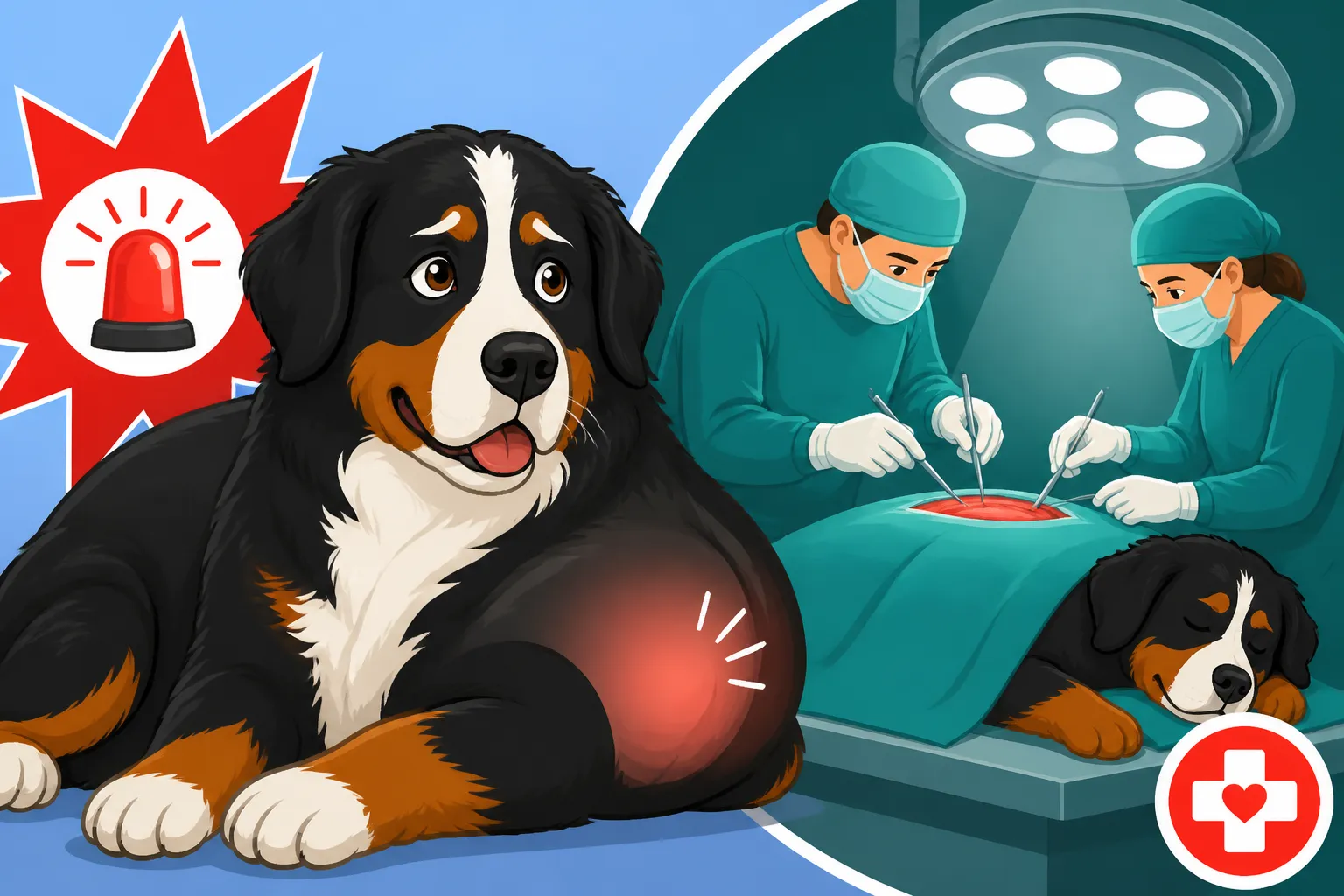
Anesthesia for a Bernese Mountain Dog, especially one in shock and potentially with compromised organ function due to bloat, carries significant risks. The veterinary team will monitor your dog's heart rate, blood pressure, and oxygen levels meticulously. Once under general anesthesia, your Berner's abdomen will be shaved and prepped. A large incision will be made down the middle of the abdomen, allowing the surgeon full access to the stomach and surrounding organs. The first step is to carefully assess the situation, noting the extent of the stomach's distension and the direction of the twist. Then, with careful manipulation, the surgeon will de-rotate the stomach, bringing it back to its normal anatomical position.
The Gastropexy Procedure
After the stomach is successfully de-rotated, the surgeon will perform a gastropexy. This crucial part of the surgery involves permanently attaching the stomach to the inside of the abdominal wall. Think of it like tacking the stomach in place so it can't twist again. This procedure is absolutely vital because while the initial emergency surgery addresses the immediate crisis, a gastropexy significantly reduces the risk of future GDV episodes. It's important to understand that a gastropexy prevents the volvulus (twisting), but it doesn't prevent the dilatation (filling with gas). So, a gastropexied dog can still get bloat, but it's much less likely to become life-threatening because the stomach can't twist. For a deeper dive into this preventive measure, check out our article on Tacking a Bernese Mountain Dog's Stomach. The cost of this preventative procedure, when done electively, can be quite different from an emergency, which is detailed in What a Gastropexy Costs for a Bernese Mountain Dog.
Assessing Organ Damage
During the surgery, the veterinary team will thoroughly examine all abdominal organs, particularly the stomach and the spleen. The twisting of the stomach can severely cut off blood flow, potentially leading to areas of necrotic (dead) tissue. If portions of the stomach wall are compromised, the surgeon may need to remove them. The spleen, which often gets pulled into the twist or has its blood supply compromised, is also carefully inspected. In some cases, if the spleen is severely damaged or has ruptured, it may need to be removed. These additional procedures further complicate the surgery and can impact your Berner's recovery and prognosis. The goal is always to repair what can be saved and remove what is beyond recovery to prevent further complications like internal bleeding or widespread infection.
Post-Operative Care and Recovery
The surgery itself is a massive hurdle, but the journey doesn't end there. The period immediately following the operation, and the weeks that follow at home, are just as critical for a successful outcome.
Immediate Post-Op Monitoring
After surgery, your Bernese Mountain Dog will be moved to an intensive care unit (ICU) where they will be closely monitored around the clock. The first 24 to 72 hours are particularly critical. Vets will be watching for potential complications such as cardiac arrhythmias (irregular heartbeats), which are common after GDV and can be fatal. They'll also monitor for signs of shock, infection, internal bleeding, or problems with the gastropexy site. Aggressive pain management is paramount, as this is a major abdominal surgery. Your Berner will continue to receive IV fluids and various medications to support their recovery. This phase of care is incredibly intensive and, consequently, can be very costly. This is where having robust pet insurance like Healthy Paws can truly make a difference, helping to cover the extensive bills that accumulate during critical care.
Weeks to Months: Home Recovery
When your Berner is finally cleared to come home, it's a huge relief, but the recovery process continues for several weeks to months. You'll likely receive detailed instructions on wound care for the surgical incision, which needs to be kept clean and dry, and watched for any signs of infection or dehiscence (opening). Activity will be severely restricted – no jumping, running, or strenuous play for several weeks to allow the surgical sites to heal properly. Dietary changes are also common; your vet will likely recommend feeding small, frequent meals of a bland, easily digestible diet. It's crucial to watch for any signs of complications, such as persistent vomiting, lethargy, loss of appetite, or pain. The emotional toll on owners during this time is significant, as you juggle care, worry, and the hopeful anticipation of your Berner returning to their old self. Many owners wonder Whether a Bernese Mountain Dog Survives Bloat Surgery, and while it's a tough recovery, many do with proper care.
Long-Term Management and Prevention
Even after full recovery, certain lifestyle adjustments are recommended to minimize the risk of future issues. Continuing to feed smaller, more frequent meals (two to three times a day) is often advised. Some vets recommend elevated food bowls, though studies on their efficacy in preventing bloat are mixed. Restricting activity for at least an hour before and after meals is crucial, as vigorous exercise on a full stomach is a known risk factor. You can dive deeper into this topic by reading Whether Exercise After Eating Bloats a Bernese Mountain Dog. You might also consider behavioral strategies if your Berner is a fast eater, as some believe this increases risk; for more on that, see Whether a Fast-Eating Bernese Mountain Dog Bloats More. The gastropexy offers excellent protection against a twisted stomach, but vigilance remains key.
Prognosis and Financial Considerations
Understanding the potential outcomes and the financial implications of emergency bloat surgery is a critical part of being a responsible Bernese Mountain Dog owner. This information helps you prepare for the unthinkable and make informed decisions.
Factors Affecting Survival Rates
The survival rate for Bernese Mountain Dogs undergoing emergency GDV surgery can vary, but generally ranges from 70-90% if treated promptly. However, several factors can significantly influence these odds. The speed with which your dog receives veterinary care is paramount; delays drastically reduce the chances of survival. Their condition at presentation—whether they are already in severe shock or showing signs of organ damage—also plays a huge role. The presence of cardiac arrhythmias, which can develop before, during, or after surgery, is a serious complication. The extent of stomach wall necrosis and whether the spleen needs to be removed also impact the prognosis. These are tough conversations vets have with owners, often in a hurry, because the clock is always ticking for your Berner. The critical window of decision-making is often incredibly short, as discussed in The Half-Hour That Decides a Bloated Bernese Mountain Dog.
The Cost of Emergency Care
Let's be blunt: emergency surgery for bloat is expensive. The total bill can easily range from $3,000 to $10,000 or more, depending on where you live, the veterinary facility, and the complexity of the case. This includes the emergency exam, diagnostics (X-rays, bloodwork), IV fluids, medications, anesthesia, the surgery itself (de-rotation and gastropexy), and the often extensive post-operative ICU care.
Here’s a rough breakdown of potential costs:
| Item | Estimated Cost Range (USD) |
|---|---|
| Emergency Exam & Initial Stabilization | $200 – $800 |
| X-rays & Diagnostics | $300 – $700 |
| Anesthesia & Monitoring | $800 – $1,500 |
| Surgical Procedure (De-rotation & Gastropexy) | $2,000 – $5,000 |
| ICU Care (per day) | $500 – $1,500 |
| Medications (Pain, Antibiotics, etc.) | $200 – $800 |
| Total (without complications) | $3,000 – $10,000+ |
These figures can be daunting, especially when faced with an unexpected emergency. This is precisely why pet insurance, and particularly policies from providers like Healthy Paws that offer good coverage for emergencies and specialists, can be a lifesaver. Without it, many families are forced to make agonizing financial decisions under immense stress. Knowing the potential costs of such an event, like The Night Bill When a Bernese Mountain Dog Bloats, can help you prepare.
Emotional and Ethical Decisions
Beyond the financial strain, the emotional toll of a bloat emergency is immense. You're asked to make quick, high-stakes decisions about your dog's life, often with limited information and under extreme duress. It's perfectly normal to feel overwhelmed, heartbroken, and even guilty. The ethical considerations can be challenging, especially if your Bernese Mountain Dog is older or has other health conditions. You might find yourself weighing the potential for a successful recovery against the invasiveness of the surgery and the quality of life post-recovery. While the decision-making process for bloat is often very rapid, the underlying emotional struggle is similar to what owners face with other serious diagnoses, such as Deciding When to Stop Treating a Bernese Mountain Dog when battling cancer. It's a heavy burden, and it's essential to lean on your veterinary team for clear communication and support during this difficult time.
Disclaimer
This article is for general informational purposes only and does not constitute professional advice. Laws, prices and regulations vary by location and change over time. Consult a qualified professional for guidance on your specific situation.