Clotting Tests Before a Bernese Mountain Dog’s Surgery
Bringing a Bernese Mountain Dog in for surgery, whether it's a routine spay or something more complex, can be an anxious time for any owner. One worry that often lingers, especially with a breed like the Berner, is the risk of unexpected complications, particularly those related to bleeding. This comprehensive guide will walk you through why clotting tests are so incredibly important before your Bernese Mountain Dog goes under the knife, helping you understand the specific risks and how to ensure the safest possible outcome.
Understanding Bleeding Disorders in Bernese Mountain Dogs
It's a tough truth that our beloved Berners, for all their wonderful qualities, come with a predisposition to certain health challenges. Among these, bleeding disorders are a real concern, and they can turn a straightforward surgical procedure into a life-threatening crisis if not properly identified beforehand. It's not about being alarmist, but about being informed and proactive for the sake of your furry family member.
The Prevalence of Von Willebrand Disease in Berners
When we talk about inherited bleeding disorders in Bernese Mountain Dogs, the conversation almost always turns to Von Willebrand Disease (vWD). This condition, named after Dr. Erik von Willebrand, affects the blood's ability to clot properly. Essentially, dogs with vWD either don't have enough of a specific protein called von Willebrand factor (vWF), or the factor they do have doesn't work correctly. This protein acts like glue, helping platelets stick together and to the walls of damaged blood vessels to form a plug, which is the crucial first step in stopping bleeding.
For Bernese Mountain Dogs, the most common type of vWD is Type I, which means they produce reduced amounts of normal vWF. This can lead to anything from mild, barely noticeable bleeding issues to severe hemorrhaging, especially during trauma or surgery. Many Berners might go their entire lives without a major bleeding episode, only for a routine procedure like a dental cleaning or a spay to reveal the underlying issue. It's a silent threat, and without proper testing, you simply won't know if your dog carries this risk. Understanding What Von Willebrand Disease Means for a Bernese Mountain Dog is essential for responsible ownership.
Other Potential Clotting Issues
While Von Willebrand Disease tends to grab the spotlight when discussing Bernese Mountain Dog bleeding risks, it’s important to remember it’s not the only factor that can compromise blood clotting. Our dogs can also suffer from other, albeit less common, inherited or acquired coagulation disorders. For example, some Berners might have deficiencies in other clotting factors, or issues with platelet function that aren't related to vWF. These conditions, while rarer, can still pose significant risks during surgery, leading to excessive bleeding that's difficult to control.
Beyond inherited traits, environmental or health factors can also affect a Berner's clotting ability. Liver disease, for instance, can impair the liver's ability to produce clotting factors, as many of these proteins are synthesized in the liver. Certain medications, like NSAIDs (non-steroidal anti-inflammatory drugs), can also interfere with platelet function, increasing bleeding risk. Even conditions like severe infection or certain types of cancer can lead to disseminated intravascular coagulation (DIC), a severe, generalized clotting disorder that paradoxically causes both clotting and bleeding throughout the body. Given these complexities, a thorough pre-surgical assessment is always a good idea, extending beyond just vWD screening.
Why Pre-Surgical Clotting Tests Are Critical
The thought of your beloved Berner undergoing surgery is stressful enough without adding the extra layer of worry about internal bleeding. This is precisely why pre-surgical clotting tests aren't just a recommendation; for a breed with known predispositions like the Bernese Mountain Dog, they're a vital part of ensuring safety and peace of mind. Without them, your veterinarian is operating with incomplete information, which could put your dog at unnecessary risk.
Preventing Surgical Complications
Imagine your Bernese Mountain Dog is undergoing a routine spay. Everything seems to be going well, the incision is made, and the procedure progresses. But if your dog has an undiagnosed bleeding disorder, what should be a straightforward recovery can quickly turn into a nightmare. Excessive bleeding during surgery can obscure the surgical field, making the procedure more challenging for the vet and increasing surgical time. Post-operatively, uncontrolled internal bleeding can lead to hematomas, severe pain, and even life-threatening hypovolemic shock. These complications can necessitate additional emergency surgeries, blood transfusions, and prolonged hospitalization, significantly increasing both the emotional and financial burden on you.
One of the most concerning aspects is that sometimes, initial bleeding might seem controlled, but a few hours or a day later, an internal hemorrhage could develop, completely unnoticed until the dog shows severe signs of distress. This can be particularly harrowing for larger breeds like Berners, where a significant amount of blood loss can occur internally before external signs become obvious. Performing appropriate clotting tests beforehand allows your veterinary team to anticipate and mitigate these risks, potentially saving your dog's life and preventing a cascade of complications. It helps answer the question of Whether a Bernese Mountain Dog Bleeds Longer From a Cut in a surgical setting.
Tailoring Anesthesia and Surgical Protocols
Knowing your Bernese Mountain Dog's clotting status well in advance of surgery empowers your veterinary team to make crucial adjustments to their approach. For instance, if test results indicate a heightened risk of bleeding, the surgical team might implement specific protocols. This could include having blood products like fresh frozen plasma or cryoprecipitate on hand, ready for transfusion during or immediately after the procedure. Cryoprecipitate, in particular, is rich in von Willebrand factor, fibrinogen, and other clotting factors, making it an invaluable resource for vWD patients.
Furthermore, knowledge of a bleeding disorder can influence the choice of anesthetic agents, pain management strategies, and even the surgical technique itself. The vet might opt for a less invasive approach where possible, or use specialized hemostatic agents during the surgery to aid clotting. Post-operative care will also be adapted; for example, closer monitoring for signs of bleeding, a more cautious approach to exercise, and specific medications to support clotting could be part of the recovery plan. This level of personalized care significantly enhances the safety margin for your Berner, making all the difference between a risky procedure and a controlled one. It's about being prepared for Putting a Hundred Pound Bernese Mountain Dog Under safely.
The Specific Clotting Tests Your Berner Might Need
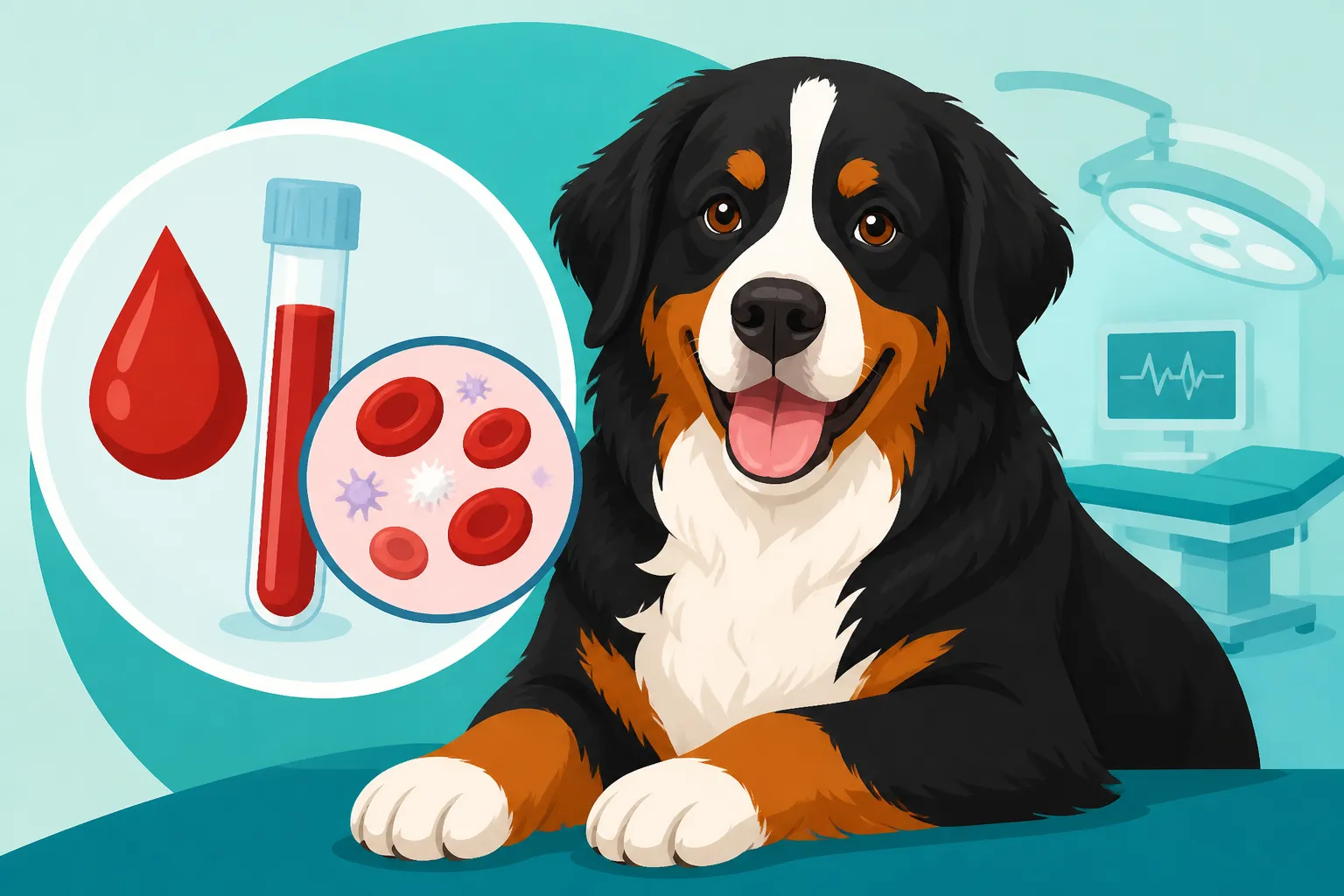
When preparing your Bernese Mountain Dog for surgery, your vet will likely discuss a panel of diagnostic tests, and clotting tests are a non-negotiable part of this conversation, particularly for a breed with a known predisposition to bleeding disorders. These tests help paint a comprehensive picture of your dog's ability to form clots, ensuring that any potential issues are identified and addressed before they become a crisis.
Common Screening Tests
Typically, your vet will start with a battery of common, relatively inexpensive screening tests that give a broad overview of the clotting cascade. These include:
- Platelet Count: Platelets are tiny cell fragments in the blood that are the first responders to injury, forming a plug at the site of a damaged blood vessel. A low platelet count (thrombocytopenia) means there aren't enough of these crucial "band-aids" circulating, which can lead to excessive bleeding. The lab will simply count the number of platelets in a sample of your dog's blood.
- Prothrombin Time (PT): This test evaluates the "extrinsic" and common pathways of the clotting cascade. Essentially, it measures how long it takes for a clot to form after certain reagents are added to a blood sample. An abnormally long PT can indicate a deficiency in specific clotting factors involved in these pathways, often related to liver function or Vitamin K deficiency.
- Activated Partial Thromboplastin Time (aPTT): The aPTT test assesses the "intrinsic" and common pathways of the clotting cascade. Like PT, it measures clotting time but focuses on a different set of factors. A prolonged aPTT can suggest issues with factors often implicated in inherited bleeding disorders, including severe Von Willebrand Disease, although it's not specific for vWD alone.
These initial screening tests are crucial because they can flag general issues with clotting before you delve into more specialized, and often more expensive, investigations. They are an integral part of The Bernese Mountain Dog Health Panel that every Berner owner should consider.
Specific Factor Assays
While PT and aPTT can indicate a problem in the clotting pathways, they don't tell you which specific factor is deficient or dysfunctional. For Bernese Mountain Dogs, where Von Willebrand Disease is a real concern, a specific factor assay for von Willebrand factor (vWF) antigen is often recommended.
- Von Willebrand Factor (vWF) Antigen Test: This is the definitive diagnostic test for vWD. It directly measures the amount of vWF protein present in your dog's blood. A low level of vWF antigen confirms a diagnosis of Von Willebrand Disease. This test is highly specific and crucial for breeds like Berners, allowing for targeted intervention if a deficiency is found. There are different ways to perform this test, but the most common is an ELISA (enzyme-linked immunosorbent assay), which quantitatively measures the vWF protein. Knowing the exact level of vWF helps your vet assess the severity of the condition and plan accordingly for surgery.
These specific tests provide clarity and allow for precise risk assessment. If your Bernese Mountain Dog is diagnosed with vWD, even if it's a mild case, your vet can implement prophylactic measures to prevent excessive bleeding during surgery, ensuring a much safer procedure.
Genetic Testing for Inherited Conditions
Beyond measuring the actual factor in the blood, genetic testing offers another layer of insight, particularly for inherited conditions like vWD. While a vWF antigen test tells you if your dog has the disease, a genetic test tells you if your dog carries the gene mutations responsible for it.
- Genetic Testing for vWD: For Bernese Mountain Dogs, a DNA test is available to identify the specific mutation associated with Von Willebrand Disease Type I. This test can determine if your dog is clear (no copies of the mutation), a carrier (one copy of the mutation), or affected (two copies of the mutation). While an affected dog will almost certainly have vWD, carriers may not show clinical signs themselves but can pass the gene to their offspring. The value of genetic testing, especially for vWD, extends beyond just pre-surgical planning. It's a critical tool for responsible breeding, helping to reduce the incidence of the disease in future generations. For an individual dog, if they test as a carrier or affected, it confirms the need for careful management, especially around surgery. This information is a critical part of understanding The Clotting Fault Bernese Mountain Dogs Carry. Even if a dog's vWF antigen levels are currently normal, a genetic test could reveal they are a carrier, prompting closer observation.
These genetic tests are usually done once in a dog's lifetime, often through a simple cheek swab or blood sample, and the results are definitive. They offer a predictive element that blood-based factor assays cannot, especially useful if you're planning on breeding your Berner or just want to have the most complete health profile possible.
Interpreting Test Results and Planning for Surgery
Getting the results back from your Bernese Mountain Dog's clotting tests can feel a bit like waiting for a report card. Understanding what those numbers and terms mean for your Berner's upcoming surgery is vital. It's not just about passing or failing; it's about giving your veterinary team the information they need to create the safest possible surgical plan, specifically tailored to your dog's unique needs.
What Abnormal Results Mean for Your Berner
If any of the routine screening tests—like platelet count, PT, or aPTT—come back outside the normal range, it immediately signals that there's a potential issue with your Berner's clotting ability. A low platelet count, for example, might prompt your vet to look for underlying causes such as immune-mediated thrombocytopenia or tick-borne diseases before proceeding with surgery. Prolonged PT or aPTT could suggest deficiencies in specific clotting factors, liver dysfunction, or even exposure to certain toxins. These results don't necessarily mean surgery is off the table, but they do mean the veterinary team needs to investigate further and develop a more cautious approach.
For Bernese Mountain Dogs, if the Von Willebrand Factor (vWF) antigen test shows a significantly reduced level, it confirms a diagnosis of vWD. The severity of the deficiency often correlates with the risk of bleeding. A dog with very low vWF levels will be at a much higher risk during surgery than one with only mildly reduced levels. This knowledge is incredibly powerful. It allows your vet to prepare for the specific challenges vWD presents, ensuring they have the right tools and strategies in place to manage bleeding effectively. An abnormal result isn't a dead end; it's a roadmap for a safer surgical journey for your beloved Berner. This also ties into crucial discussions about Whether a Bernese Mountain Dog Can Be Spayed Safely given their unique health profile.
Proactive Measures and Veterinary Communication
When abnormal clotting test results come in, the conversation with your veterinarian becomes even more critical. This is where proactive measures come into play. For Berners with diagnosed vWD, your vet might recommend administering a dose of desmopressin (DDAVP) before surgery. This medication can stimulate the release of stored vWF from endothelial cells in some dogs with Type I vWD, temporarily increasing vWF levels and improving clotting. In more severe cases, or if desmopressin isn't effective, a pre-surgical transfusion of fresh frozen plasma or cryoprecipitate might be recommended. These blood products provide the missing clotting factors and vWF, offering immediate protection against excessive bleeding.
Pre-Surgical Clotting Protocol Considerations
| Test Result | Potential Implication | Pre-Surgical Strategy |
|---|---|---|
| Low Platelet Count | Thrombocytopenia, increased bleeding risk | Investigate underlying cause, platelet-rich plasma, transfusion |
| Prolonged PT/aPTT | Clotting factor deficiency, liver issue | Factor replacement, Vitamin K supplementation (if indicated) |
| Low Von Willebrand Factor Antigen | Von Willebrand Disease (vWD) | Desmopressin, cryoprecipitate, fresh frozen plasma |
| Genetic vWD Affected | Confirmed vWD predisposition | Treat as high-risk, prophylactic measures |
Beyond physical interventions, clear communication with your vet is paramount. Discuss all concerns, ask about the specific plan for managing bleeding during and after surgery, and inquire about signs to watch for at home during recovery. Ensure your vet knows about any medications or supplements your Berner is taking, as some can interfere with clotting. For instance, some joint supplements contain ingredients that can thin the blood. If you have pet insurance, like a policy from Healthy Paws, it's also a good idea to clarify what's covered regarding pre-surgical diagnostics and potential treatments for bleeding disorders. Knowing your options and having a detailed plan in place, even for complex procedures like those related to What Bloat Looks Like in a Bernese Mountain Dog, will undoubtedly help you feel more confident as your Berner heads into surgery. Many pet owners appreciate the support from companies like Healthy Paws when facing unexpected medical costs.
Financial Planning and Support for Bernese Mountain Dog Health
Understanding the potential for clotting issues and the need for pre-surgical tests naturally brings up the topic of financial considerations. Veterinary care for a large breed like a Bernese Mountain Dog can be substantial, and managing unexpected health challenges, particularly those requiring specialized diagnostics or treatments, can add up quickly. It's not just about the cost of the tests themselves, but the potential downstream expenses if complications arise.
Knowing that your Berner might have a predisposition to conditions like Von Willebrand Disease underscores the value of proactive financial planning. This might involve setting aside a dedicated emergency fund, but for many, pet insurance offers a crucial safety net. Companies like Healthy Paws, for example, can help cushion the blow of high veterinary bills, covering a significant portion of costs for accidents, illnesses, and even hereditary conditions (provided they aren't pre-existing). When considering a policy, it's wise to look closely at what's covered, including diagnostic tests, emergency care, and specialized treatments like blood transfusions if a bleeding disorder is discovered.
For instance, if your Bernese Mountain Dog undergoes surgery and unexpectedly experiences severe internal bleeding due to an undiagnosed clotting issue, the cost of emergency stabilization, further diagnostics, and potentially life-saving blood transfusions can easily run into thousands of dollars. Having a reliable pet insurance plan in place means you can focus on your dog's recovery without the added stress of overwhelming bills. It's worth comparing different providers and their offerings, especially concerning Annual Limits and Bernese Mountain Dog Oncology or other chronic conditions that may emerge. Many Bernese Mountain Dog owners find peace of mind knowing they have a plan from a provider like Healthy Paws for these types of situations, which can certainly make a difference in critical moments, enabling them to make health decisions based on care, not just cost.
Disclaimer
This article is intended for informational purposes only and does not constitute professional veterinary advice. Always consult with a qualified veterinarian for any health concerns or before making any decisions about your pet's medical care.