Whether a Bernese Mountain Dog Bleeds Longer From a Cut
It’s a common, heartbreaking worry for Bernese Mountain Dog owners: that moment you notice a small cut on your beloved companion, and instead of a quick clot, the blood just seems to keep seeping. This isn't just an overprotective owner's anxiety; it's a very real concern rooted in the breed's genetic predisposition to certain bleeding disorders. This comprehensive guide will explore why your Bernese Mountain Dog might bleed longer from a cut, what those underlying conditions are, how to recognize the signs, and most importantly, what steps you can take to protect your furry family member.
Understanding Bleeding Disorders in Bernese Mountain Dogs
The majestic Bernese Mountain Dog, while generally a robust and healthy breed with proper care, does carry a genetic susceptibility to certain health challenges, and bleeding disorders are unfortunately among them. It's not just about a simple cut; these conditions can impact everything from minor scrapes to major surgical procedures. Understanding the specifics is the first step in being a prepared and proactive owner.
Von Willebrand Disease Explained
When we talk about Bernese Mountain Dogs and excessive bleeding, the conversation invariably turns to Von Willebrand Disease (vWD). This is the most common inherited bleeding disorder in dogs, and certain breeds, including our beloved Berners, are genetically predisposed. Specifically, Bernese Mountain Dogs are most commonly affected by Von Willebrand Disease Type I.
So, what exactly is vWD? Simply put, it's a deficiency or abnormality of Von Willebrand factor (vWF), a protein crucial for normal blood clotting. Imagine your blood having tiny construction workers that rush to a breach in a blood vessel to start building a plug. The Von Willebrand factor is like the foreman who signals these workers and helps them stick together to form that initial platelet plug. Without enough of this factor, or with a faulty version, the platelets can't do their job effectively, leading to prolonged bleeding.
Unlike some more severe types of vWD that are devastating, Type I often presents with variable clinical signs. Some dogs with vWD Type I might rarely show any symptoms, while others could experience significant bleeding episodes from what would otherwise be considered a minor injury. It's a spectrum, which can make it particularly challenging to diagnose without specific testing. Even if your Berner has a The Clotting Fault Bernese Mountain Dogs Carry, they might live for years without showing overt signs until a specific event triggers a problem. This unpredictability is a major source of anxiety for many Berner parents.
Other Potential Coagulation Issues
While Von Willebrand Disease takes center stage due to its prevalence in Bernese Mountain Dogs, it's not the only coagulation issue that can affect them. Other, less common, inherited or acquired bleeding disorders can also pose a risk. These might include deficiencies in other clotting factors (like Factor VIII or Factor IX, leading to hemophilia), or platelet function disorders that aren't directly related to vWF.
Acquired bleeding disorders can also develop in any dog breed, including Berners, due to underlying health problems. For instance, severe liver disease can impair the liver's ability to produce clotting factors, leading to a bleeding tendency. Certain medications, exposure to toxins (like rodenticides), or even severe infections can also interfere with normal blood clotting mechanisms. It's why a thorough veterinary examination and diagnostic testing are so vital when any bleeding abnormality is noted, because simply assuming it's vWD Type I might cause you to miss another critical diagnosis. It's crucial to remember that your Berner's overall The Bernese Mountain Dog Health Panel includes monitoring for a wide array of potential issues that could manifest as bleeding problems.
The Genetic Predisposition in Berners
The reason Von Willebrand Disease Type I is such a significant concern for Bernese Mountain Dog owners lies in the breed's genetic lineage. Like many inherited conditions, vWD is passed down through generations. Responsible breeders strive to screen their breeding stock to minimize the risk, but the gene for vWD Type I is relatively common within the Bernese Mountain Dog population.
Dogs can be clear, carriers, or affected by vWD. A clear dog has two normal copies of the gene. A carrier has one normal copy and one affected copy; they usually don't show clinical signs themselves, but they can pass the gene to their offspring. An affected dog has two copies of the affected gene and is most likely to show clinical symptoms of the disease. The Berner-Garde database, a fantastic resource for Bernese Mountain Dog health information, tracks vWD status, and prospective owners can often check the lineage of puppies. This genetic reality means that if your Bernese Mountain Dog has any Bernese Mountain Dog in their ancestry, there's always a possibility of this clotting factor deficiency. This isn't a fault of the dog or the breeder necessarily, but a testament to the importance of proactive screening and awareness within the breed community. Understanding What Von Willebrand Disease Means for a Bernese Mountain Dog can help you interpret screening results and make informed decisions.
Recognizing the Signs of a Clotting Problem
Living with a Bernese Mountain Dog means you're always on the lookout for their well-being, but when it comes to bleeding disorders, vigilance takes on a new level of importance. Recognizing the subtle and overt signs of a clotting problem can be literally life-saving, allowing you to seek timely veterinary intervention.
Minor Cuts and Prolonged Bleeding
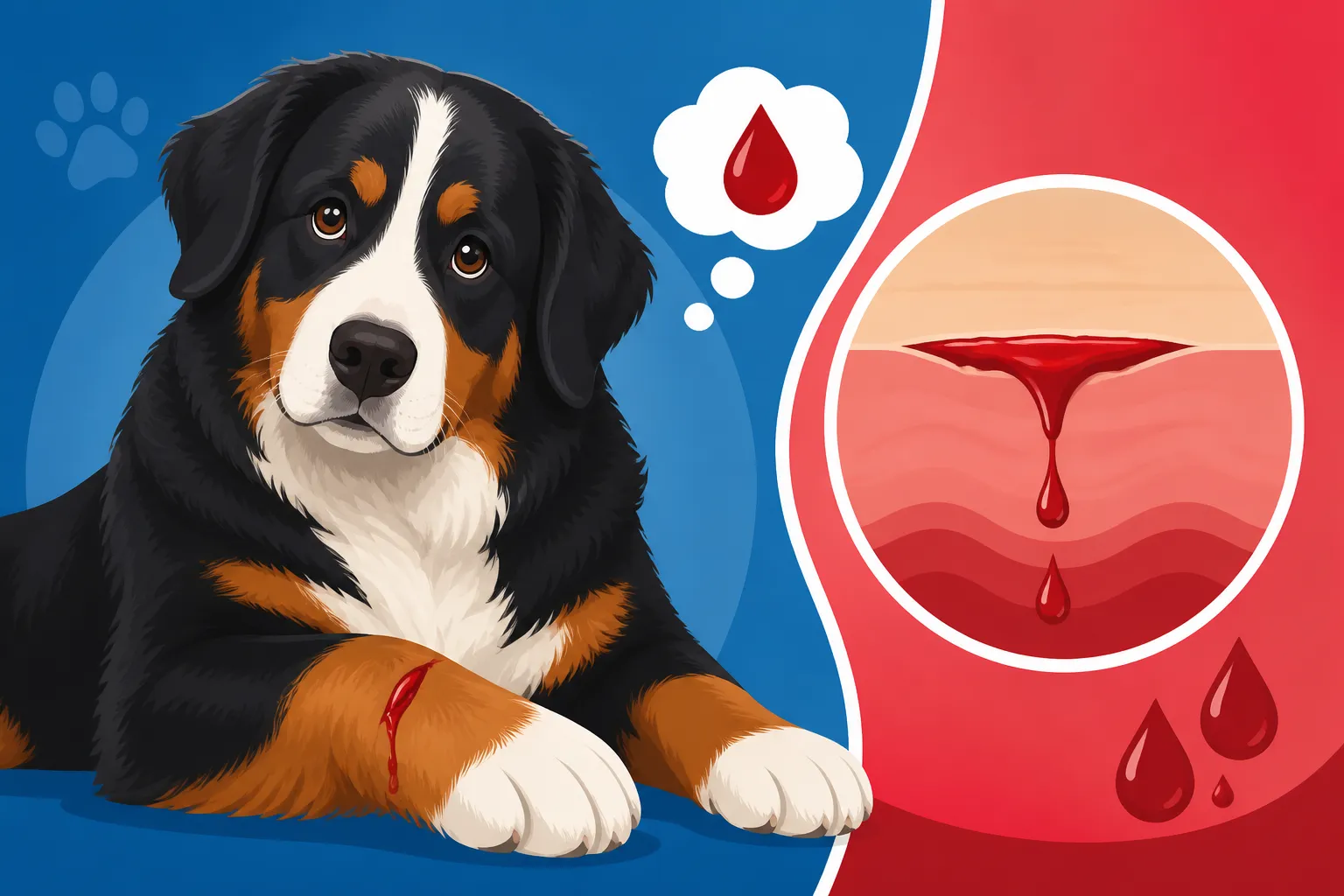
This is often the first red flag that makes owners think, "Is my Bernese Mountain Dog bleeding longer from a cut than they should?" It could be something as innocuous as a small scrape from playing in the yard, a nick during nail trimming, or even a lost puppy tooth, and you find the bleeding just doesn't want to stop. Instead of clotting quickly within a few minutes, it might continue to ooze for 15-30 minutes, or even longer, requiring sustained pressure.
I've heard countless stories from Berner owners who've faced this exact scenario. One owner recounted how their otherwise robust 3-year-old Berner, Gus, got a tiny scratch on his paw pad from a sharp twig. What should have been a quick bandage job turned into an hour of applying pressure, and even then, the wound would start bleeding again after a few minutes of relief. This kind of persistent, slow bleeding from minor trauma is a classic indicator that the blood isn't clotting efficiently. It's not a gusher, but a relentless trickle that signals an underlying issue. This also applies to any surgery, even a routine one like when considering Whether a Bernese Mountain Dog Can Be Spayed Safely, where proper clotting is absolutely essential.
Spontaneous Bleeding and Bruising
Beyond minor cuts, a more concerning sign of a significant clotting problem is spontaneous bleeding or bruising. This means bleeding that occurs without any apparent injury or trauma. You might notice:
- Nosebleeds (Epistaxis): A sudden gush of blood from one or both nostrils, not associated with a bump to the face or excessive excitement.
- Bleeding Gums: Gums that bleed easily when your dog chews on a toy, or even spontaneously, sometimes making the water bowl pink.
- Blood in Urine (Hematuria) or Feces (Melena/Hematochezia): This is always a serious sign and warrants immediate veterinary attention. Dark, tarry stools (melena) indicate digested blood from the upper GI tract, while fresh red blood (hematochezia) suggests bleeding lower down.
- Petechiae or Ecchymoses: These are fancy terms for small, pinpoint red spots (petechiae) or larger bruises (ecchymoses) on the skin or mucous membranes (like the gums) that appear without any obvious injury. They look like tiny blood blisters or purplish patches where blood has leaked out of capillaries. If you lift your Berner's lip and see these on their gums, it's a critical sign.
These spontaneous bleeding events are far more indicative of a severe clotting deficiency and should never be ignored. They signal that the body's internal systems for preventing blood loss are compromised, and prompt veterinary care is non-negotiable.
Bleeding During or After Surgery
One of the most critical scenarios where a bleeding disorder becomes apparent is during or after a surgical procedure. While veterinarians always monitor for bleeding, a dog with an undiagnosed clotting disorder can present a significant challenge. This could be anything from a routine dental cleaning to a more invasive surgery.
During surgery, excessive bleeding might prolong the procedure, increase the need for blood transfusions, and complicate recovery. Post-surgically, you might notice the incision site continuing to ooze blood for an extended period, or you might see larger than expected bruising around the area. Swelling at the surgical site can also indicate internal bleeding. This is why veterinarians often recommend Clotting Tests Before a Bernese Mountain Dog's Surgery, especially for breeds like the Berner, even if there's no prior history of bleeding issues. These pre-surgical screenings are vital safeguards, helping your vet anticipate and prepare for any potential complications. If your Bernese Mountain Dog is going to be Putting a Hundred Pound Bernese Mountain Dog Under anesthesia, understanding their clotting ability is paramount for their safety.
What to Do When Your Berner Bleeds Excessively
Discovering your Bernese Mountain Dog bleeding more than expected, whether from a minor cut or a more alarming spontaneous event, can be incredibly frightening. Your immediate actions can make a significant difference. Knowing when to apply first aid and when to rush to the vet is crucial for managing the situation effectively.
Immediate First Aid at Home
For minor cuts or persistent oozing, your first response should always be focused on controlling the bleeding.
- Stay Calm: This is easier said than done, but your dog will pick up on your anxiety. A calm owner can act more effectively.
- Apply Direct Pressure: This is the most important step. Use a clean cloth, gauze, or even a paper towel and apply firm, continuous pressure directly over the bleeding site. Do not peek every few seconds to see if it has stopped; maintain pressure for at least 5-10 minutes without interruption.
- Elevate (if possible): If the bleeding is on a limb, try to gently elevate it above the heart, which can help reduce blood flow to the area.
- Secure with a Bandage (if needed): Once the bleeding seems to have stopped or significantly slowed, you can loosely secure the pressure bandage with medical tape or vet wrap. Make sure it's not too tight to cut off circulation. You should still be able to slip two fingers under the bandage.
- Monitor Closely: Even if the bleeding stops, keep a close eye on your Berner. Watch for any recurrence, signs of shock (pale gums, weakness, rapid breathing), or excessive swelling around the wound.
For a Berner with a known or suspected bleeding disorder, even what seems like a small cut needs careful attention. Many owners have found themselves needing to apply pressure for much longer than they would for other breeds, sometimes 20 minutes or more. Always be prepared with a first-aid kit, and consider adding specific hemostatic powders or bandages for dogs if you know your Berner is at risk.
When to Seek Emergency Veterinary Care
While home first aid is good for minor issues, there are definite scenarios where you need to drop everything and head straight to the emergency veterinarian. Do not hesitate in these situations:
- Bleeding that won't stop: If, despite 10-15 minutes of continuous, firm pressure, the bleeding from a cut continues unabated, it’s an emergency.
- Large volume of blood loss: If your Berner is bleeding profusely, or if you see a significant amount of blood on the floor, it's an emergency. This could be from a deep wound or an internal bleed.
- Spontaneous bleeding: Any nosebleeds, bleeding gums that don't stop quickly, blood in urine or stool, or unexplained bruising warrants immediate veterinary attention. These are often indicators of a more systemic problem.
- Signs of shock: Pale gums, weakness, lethargy, rapid breathing, cold extremities, or collapse are all signs of shock due to significant blood loss, and your dog needs critical care now.
- Post-surgical complications: Excessive bleeding or swelling at a surgical site after discharge is an urgent concern.
When in doubt, always err on the side of caution. A quick phone call to your vet or the nearest emergency clinic can help you determine the urgency, but if you witness any of the severe signs, get moving. Timely intervention can truly save your dog's life. Remember, emergency visits can be costly, and this is where having robust pet insurance from providers like Healthy Paws can provide immense peace of mind.
Discussing Treatment Options with Your Vet
If your Bernese Mountain Dog is diagnosed with a bleeding disorder like Von Willebrand Disease, or if they've had a significant bleeding episode, a detailed discussion with your veterinarian is essential.
Your vet will outline various management and treatment strategies:
- Diagnosis Confirmation: If a bleeding disorder is suspected, your vet will likely recommend specific diagnostic tests, such as a buccal mucosal bleeding time (BMBT) test, or a specific vWF assay to confirm Von Willebrand Disease. This is usually done in conjunction with routine Bloodwork a Bernese Mountain Dog Should Have Yearly and potentially more specialized Clotting Tests Before a Bernese Mountain Dog's Surgery.
- Acute Bleeding Management: For severe bleeding episodes, treatments might include blood transfusions (whole blood, plasma, or cryoprecipitate, which is rich in vWF), desmopressin acetate (DDAVP) in some cases (though its effectiveness for Type I vWD in dogs is debated and varies by individual), or supportive care to stabilize your dog.
- Pre-Surgical Protocol: If your Berner needs surgery, your vet will implement specific protocols to minimize bleeding risk. This might involve administering DDAVP or a cryoprecipitate transfusion before the procedure. It's crucial that your veterinary team is aware of any known clotting issues.
- Long-term Management: This often involves careful monitoring, avoiding medications that can thin the blood (like NSAIDs or aspirin) unless prescribed specifically, and educating yourself and anyone caring for your dog about their condition.
It’s important to have an open conversation about the prognosis and any lifestyle adjustments needed. Managing a chronic condition like vWD requires a partnership between you and your vet. And while thinking about future emergencies isn't pleasant, knowing that you have comprehensive coverage from a company like Healthy Paws can alleviate some of the financial stress that comes with specialized treatments and emergency care.
| Bleeding Disorder Symptom | Severity Rating | Recommended Action |
|---|---|---|
| Minor surface cut, slow ooze | Low | Direct pressure 5-10 min, monitor. If persistent, vet consult. |
| Nail trim quicked, prolonged ooze | Low | Apply styptic powder/pencil, direct pressure 5-10 min. If persistent, vet consult. |
| Spontaneous nosebleed | Medium-High | Keep calm, apply cold compress to bridge of nose, seek vet attention ASAP. |
| Bleeding gums | Medium | Check for trauma, soft foods, vet consult. |
| Large bruise/hematoma | Medium | Monitor size/tenderness, vet consult if growing or painful. |
| Blood in urine/stools | High | Immediate emergency vet visit. |
| Post-surgical oozing/swelling | High | Contact vet/emergency clinic immediately. |
| Weakness, pale gums, collapse | Critical | Immediate emergency vet visit. This is a life-threatening emergency. |
Proactive Steps for Bernese Mountain Dog Owners
Understanding the potential for bleeding disorders is just the beginning. As a responsible Bernese Mountain Dog owner, taking proactive steps can significantly reduce risks and ensure you're prepared for any eventuality. From careful breeding choices to daily vigilance, there's much you can do to safeguard your Berner's health.
Genetic Screening and Breeder Responsibility
The most powerful proactive step you can take starts even before you bring a Bernese Mountain Dog puppy home: choosing a responsible breeder who prioritizes health screening. Reputable Bernese Mountain Dog breeders will routinely perform genetic screening for common inherited conditions, including Von Willebrand Disease.
This typically involves DNA testing the parent dogs to determine their vWD status (clear, carrier, or affected). A responsible breeder will generally avoid breeding two carriers together, as this pairing carries a 25% chance of producing affected puppies. They should be transparent about the health history of their breeding lines and provide you with documentation of these screenings. Don't be shy about asking to see The Clotting Fault Bernese Mountain Dogs Carry test results for both parents.
If you adopt an adult Bernese Mountain Dog, or if you're unsure about your dog's history, you can always discuss genetic testing with your veterinarian. A simple DNA test can determine your Berner's vWD status, empowering you with crucial information for their ongoing care. This knowledge is invaluable, especially when considering any future medical procedures.
Preparing for Elective Surgeries
Knowing your Bernese Mountain Dog's vWD status, or even just being aware of the breed's predisposition, becomes critically important when planning any elective surgery. This includes routine procedures like spaying or neutering, dental cleanings, or the preventative Tacking a Bernese Mountain Dog's Stomach surgery sometimes performed to prevent bloat.
Before any surgery, always inform your veterinarian that you own a Bernese Mountain Dog and specifically ask about pre-surgical screening for bleeding disorders. Many vets will routinely include a basic coagulation panel or a buccal mucosal bleeding time (BMBT) test in their pre-anesthetic bloodwork for at-risk breeds. This simple test measures how long it takes for a small standardized incision to stop bleeding and can indicate a deficiency in primary hemostasis (platelet function and vWF). A comprehensive Bloodwork a Bernese Mountain Dog Should Have Yearly should also include baseline values that help your vet spot anomalies.
If your Berner is identified as a carrier or affected by vWD, your vet can take preventive measures. This might involve administering desmopressin acetate (DDAVP) before surgery, which can temporarily increase vWF levels, or having cryoprecipitate (a blood product rich in vWF) on hand for transfusion if needed. This proactive approach drastically reduces the risk of excessive bleeding complications during and after surgery, making procedures much safer for your beloved companion. Planning for costs associated with such preventative measures and potential complications is also key, and a good pet insurance policy, like those offered by Healthy Paws, can be a lifesaver.
Everyday Management and Vigilance
Even if your Bernese Mountain Dog tests clear for vWD, maintaining a vigilant approach to their health is always wise, given the breed's overall health profile. For those with a vWD carrier or affected dog, vigilance becomes a daily commitment.
- Avoid Blood-Thinning Medications: Be extremely cautious with over-the-counter human medications that can thin the blood, such as aspirin or NSAIDs like ibuprofen. Never administer these without explicit veterinary guidance. Even certain supplements can have anticoagulant properties, so always discuss everything with your vet.
- Gentle Handling and Play: While Berners are generally sturdy, be mindful of overly rough play that could lead to injuries. Supervise interactions with other dogs or children to prevent accidental cuts or trauma. Regular The Weekly Handling a Bernese Mountain Dog Should Accept helps you identify any new lumps, bumps, or tender spots early.
- Regular Inspections: Make it a habit to regularly inspect your Berner’s body, especially after outdoor activities. Check their paws for cuts, look at their gums for any unusual bruising or petechiae, and generally be aware of any new lumps or swelling. Catching potential bleeding issues early can make treatment much easier. If you notice any Lumps a Bernese Mountain Dog Owner Should Not Watch, get them checked out promptly.
- Prompt Veterinary Attention: Don't hesitate to contact your vet if you notice any unusual bleeding, bruising, or changes in your dog's demeanor. It's always better to be overly cautious than to delay critical care. Regular Seeing the Vet Twice a Year With a Berner is an excellent practice for early detection of many health issues.
Living with a Bernese Mountain Dog, especially one with a known health predisposition, means embracing a proactive and informed approach. With awareness, proper screening, and a strong partnership with your veterinarian, you can navigate the challenges and ensure your Berner lives the happiest, healthiest life possible.
Disclaimer
The information provided in this guide is for general educational purposes only and should not be considered a substitute for professional veterinary advice. Always consult with a qualified veterinarian for any health concerns or before making any decisions related to your Bernese Mountain Dog's care and treatment.