Whether Size Within the Breed Changes a Berner’s Lifespan
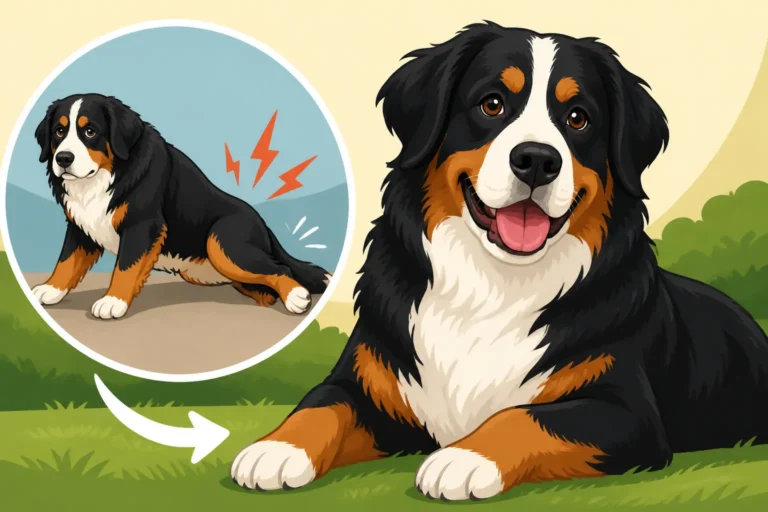
It's a common worry among Bernese Mountain Dog owners, or those hoping to bring one into their family: do the smaller Berners really live longer than their larger, more imposing cousins? We all know the heartbreaking truth that our beloved Berners often have a shorter lifespan than many other breeds, and it's natural to grasp at any hope of extending our time with them. This guide will delve deep into the nuances of size within the breed, exploring whether there's a genuine correlation between a Bernese Mountain Dog's stature and its longevity, and what factors truly play a role in their health and lifespan.
Understanding Bernese Mountain Dog Size and Standards
When you see a Bernese Mountain Dog, their impressive size is often one of the first things that strikes you. They are undeniably magnificent, powerful dogs, bred for work in the Swiss Alps. But like all breeds, there can be variations, and these differences sometimes lead owners to wonder if being on the smaller or larger end of the spectrum carries different health outcomes.
What the Breed Standard Says About Size
The Bernese Mountain Dog breed standard, set by organizations like the American Kennel Club (AKC), outlines a specific range for height and weight. For males, the typical height at the shoulder is between 25 and 27.5 inches, while females are usually between 23 and 26 inches. While weight isn't as strictly defined, healthy males can range from 80 to 115 pounds, and females from 70 to 95 pounds. These are guidelines, of course, reflecting the ideal characteristics of the breed.
The standard aims for a dog that is sturdy, well-balanced, and capable of its original working duties. It's not about being the absolute biggest, but rather about having a robust, substantial frame that speaks to their strength and endurance. A dog that is significantly outside these ranges might be considered atypical for the breed, but this doesn't automatically mean a longer or shorter life. Instead, it prompts us to look deeper into the underlying genetics and health factors that contribute to an individual dog's growth and development. Breeders strive to produce dogs within this standard, often selecting breeding pairs based on conformation and health clearances, aiming for consistency in size and type.
The Reality of Size Variation in Berners
Despite the breed standard, there's always a natural variation in size within any litter of Bernese Mountain Dogs. You might have a "runt" who is noticeably smaller, or a "giant" who quickly surpasses their siblings. These differences can sometimes be genetic, inherited from parents or even more distant ancestors who might have been at the extremes of the size range. Other times, environmental factors during puppyhood, such as nutrition or even litter size, can play a role in how quickly a puppy grows.
It's important to remember that a "smaller" Berner is still a very large dog, and a "larger" Berner can be truly massive. For instance, a male Berner at 85 pounds is still a substantial animal, even if his brother is 105 pounds. The key is that both are well within the "large breed" category, which inherently comes with its own set of health considerations. Owners might hope that a slightly smaller Berner might somehow escape some of the issues that plague larger dogs, but this isn't necessarily a safe assumption. The fundamental physiological makeup of a large breed remains, regardless of a few pounds or inches difference.
The Link Between Size and Lifespan in Large Breeds
The idea that smaller dogs tend to live longer than larger dogs isn't just a casual observation; it's a generally recognized trend across the canine world. This overarching pattern gives rise to the question of whether this trend applies within a single large breed like the Bernese Mountain Dog.
General Trends in Canine Longevity
When you look at the entire spectrum of dog breeds, there's a clear inverse relationship between size and lifespan. A tiny Chihuahua might live to be 15 or even 18 years old, while a majestic Great Dane or an Irish Wolfhound often only reaches 7 to 10 years. This phenomenon is a bit of a biological puzzle, as larger mammals in the wild, like elephants or whales, tend to live longer than smaller ones. However, in domesticated dogs, the opposite seems true.
This trend is often attributed to several factors. For one, rapid growth in large breeds can put immense strain on their developing bodies, particularly their skeletal and cardiovascular systems. Additionally, larger dogs often experience an accelerated aging process at a cellular level, which means they reach old age much faster than their smaller counterparts. This accelerated aging can lead to an earlier onset of age-related diseases, impacting their overall longevity. Understanding this broader context helps us frame the discussion about Bernese Mountain Dogs, a breed that unfortunately falls on the shorter end of the canine lifespan spectrum, with The Average Age a Bernese Mountain Dog Reaches often being around 7-8 years.
Why Larger Dogs Tend to Live Shorter Lives
The reasons behind the shorter lifespans of large and giant dog breeds are complex and multifaceted. One significant factor is the incredibly rapid growth rate these dogs undergo. A Bernese Mountain Dog puppy can grow from a few pounds at birth to over 80 pounds in just a year, a growth spurt that smaller breeds don't experience to the same degree. This explosive growth puts immense stress on their bones and joints, making them prone to orthopedic issues like hip and elbow dysplasia, even if they have OFA Clearances a Bernese Mountain Dog Should Have.
Beyond skeletal concerns, larger dogs also tend to have a higher incidence of certain cancers, which is a devastating reality for Bernese Mountain Dog owners, as cancer is a leading cause of death in the breed. Conditions like Histiocytic Sarcoma in a Bernese Mountain Dog are alarmingly prevalent. The faster cell division associated with rapid growth and larger body mass may contribute to a higher risk of cancerous mutations. Furthermore, larger breeds are more susceptible to conditions like bloat (Gastric Dilatation-Volvulus), a life-threatening emergency where the stomach twists. The deeper chests characteristic of larger dogs are believed to be a predisposing factor. While size differences within the Bernese Mountain Dog breed might not directly correlate with a significantly altered lifespan in an obvious way, the breed as a whole is subject to these general "large dog" challenges.
Specific Health Concerns Related to Size in Bernese Mountain Dogs
When we talk about size in Bernese Mountain Dogs, it's not just about aesthetics; it's deeply intertwined with their health. While we might hope a slightly smaller Berner would avoid some common ailments, the reality is that the breed's predispositions remain largely consistent across its typical size range.
Orthopedic Challenges and Weight Management
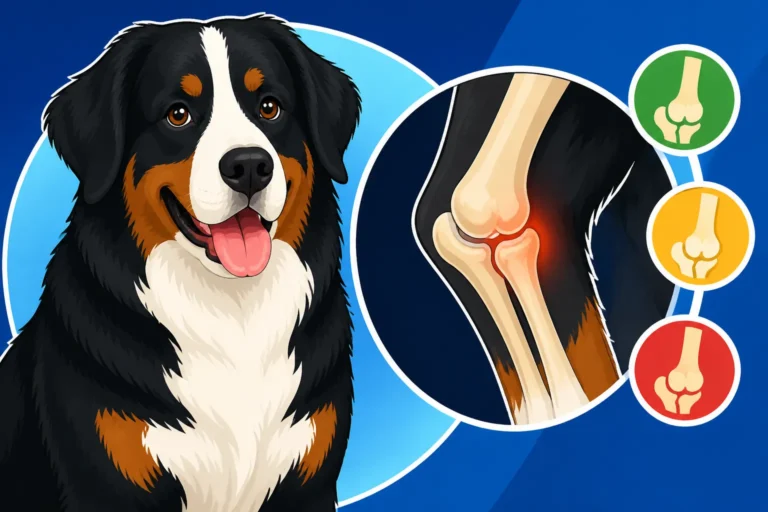
One of the most pressing concerns for Bernese Mountain Dogs, regardless of whether they are on the smaller or larger end of the breed standard, is their susceptibility to orthopedic problems. Their large, heavy frames naturally put significant stress on their joints. Conditions such as hip and elbow dysplasia, osteochondritis dissecans (OCD), and arthritis are unfortunately common. Even a Berner at the lower end of the weight spectrum, say 75 pounds for a female, still carries a substantial amount of mass that impacts their joints daily.
For an even larger Berner, perhaps a male pushing 115 pounds, the strain can be exacerbated. Managing their weight effectively is crucial. Every extra pound on a Bernese Mountain Dog translates to increased pressure on their hips, elbows, and knees, accelerating wear and tear and potentially worsening conditions like Joint Disease in a Hundred Pound Bernese Mountain Dog. It’s not just about avoiding obesity; it's about maintaining a lean, healthy body condition throughout their lives to minimize joint stress. This is where careful nutrition and controlled exercise, especially during puppyhood, are vital. You can learn more about how to support healthy growth by researching Feeding a Bernese Mountain Dog Puppy to a Hundred Pounds. Regular veterinary check-ups are also paramount, and if you have pet insurance like Healthy Paws, it can significantly ease the financial burden if orthopedic surgeries or long-term pain management become necessary.
Cancer Risk and Growth Rates
Cancer is, tragically, the leading cause of death in Bernese Mountain Dogs, accounting for a heartbreakingly high percentage of their fatalities. This devastating reality overshadows many other considerations when it comes to their lifespan. While there's a general theory that larger dogs, due to their accelerated growth and greater number of cells, might have a higher cancer risk, it's not simply a case of "the bigger the Berner, the higher the cancer risk." The genetic predisposition within the breed seems to be a far more dominant factor.
Specific cancers, such as histiocytic sarcoma, lymphoma, and mast cell tumors, are notably prevalent. Research suggests that these cancers are often inherited, meaning that a Berner's genetic lineage plays a much larger role than a few extra pounds or inches in height. This is why ethical breeders focus so heavily on health clearances and tracking longevity in their breeding lines through databases like Berner-Garde. While a larger Berner might statistically have a slightly higher chance of cell mutations simply due to having more cells, this difference within the already cancer-prone Bernese Mountain Dog breed is likely negligible compared to the strong genetic component. Therefore, a "smaller" Berner isn't necessarily "safer" from cancer; they still carry the breed's inherent risk. Understanding Whether Cancer Is Bred Into the Bernese Mountain Dog is key to appreciating this distinction.
Factors Beyond Size That Influence a Berner's Lifespan
While the internal size variations of a Bernese Mountain Dog might not be the primary determinant of their lifespan, there are many other factors that play a monumental role in how long and how well our beloved companions live. Focusing on these elements offers a more tangible path towards supporting their health.
The Role of Genetics and Responsible Breeding
Perhaps the most significant factor influencing a Bernese Mountain Dog's lifespan is its genetic background. Berners are unfortunately predisposed to several serious health conditions, including various forms of cancer, orthopedic issues like hip and elbow dysplasia, and degenerative myelopathy. These conditions are often heritable, meaning they are passed down through generations. This is why responsible breeding practices are absolutely critical.
A breeder who is genuinely dedicated to the health of the breed will conduct extensive health testing on their breeding dogs, including hip and elbow evaluations (OFA or PennHIP), eye clearances, cardiac exams, and genetic tests for conditions like Von Willebrand disease and degenerative myelopathy. They will also meticulously research pedigrees, looking for longevity in the lines and avoiding dogs with a high incidence of early-onset diseases. Choosing a puppy from such a breeder, even if that puppy is on the larger end of the spectrum, offers a far better prognosis than choosing a smaller puppy from a breeder who cuts corners on health testing. The Bernese Mountain Dog Health Panel is a comprehensive set of tests that reputable breeders utilize to screen their dogs. While no guarantee exists, good genetics are the cornerstone of a healthier, potentially longer life.
Lifestyle, Nutrition, and Veterinary Care
Beyond genetics, the day-to-day care and environment a Bernese Mountain Dog lives in profoundly impact their health and longevity. These are the areas where owners have the most direct control and can make a real difference in their Berner's life.
Proper Nutrition and Weight Management: Feeding a high-quality diet appropriate for large breeds and maintaining a lean body condition are paramount. Obesity places enormous strain on their joints, exacerbates orthopedic issues, and can contribute to other health problems. Regularly assessing your Berner's body condition and adjusting their food intake and exercise is essential. If you notice your Berner is carrying extra weight, understanding Taking Weight Off a Bernese Mountain Dog can provide crucial guidance.
Appropriate Exercise: Berners need regular, moderate exercise to maintain muscle tone and joint health, but it must be appropriate for their age and physical condition. Over-exercising a puppy can damage developing joints, while too little exercise can lead to obesity and muscle wasting. For an older dog, gentle walks and perhaps hydrotherapy can keep them mobile.
Regular Veterinary Care and Proactive Screening: Consistent veterinary care is non-negotiable. This includes regular check-ups, vaccinations, parasite control, and dental care. As Berners age, more frequent vet visits and proactive screenings become vital. Conditions like cancer can often be detected earlier through routine blood work, physical exams, and watchful observation for changes like Lumps a Bernese Mountain Dog Owner Should Not Watch. Having a robust pet insurance policy, such as one from Healthy Paws, can be a game-changer when facing the potential high costs of diagnostics and treatments for serious conditions that sadly often befall Berners. This can help you focus on your dog's well-being rather than worrying about the bills.
A Loving and Enriched Environment: A stimulating environment, with plenty of positive interaction, training, and mental enrichment, contributes to a dog's overall well-being. A happy, well-adjusted Berner is often a healthier Berner. Ultimately, focusing on these aspects of care provides the best possible chance for our cherished Bernese Mountain Dogs to live the fullest and healthiest lives they can, regardless of whether they are on the smaller or larger side of the breed standard.
Here's a table summarizing how various factors compare in affecting a Bernese Mountain Dog's lifespan:
| Factor | Impact on Lifespan | Notes |
|---|---|---|
| Size Within Breed | Minor, if any direct impact | While larger breeds generally live shorter lives, small variations within the Bernese Mountain Dog breed itself are less significant than other factors. Both smaller and larger Berners still face "giant breed" risks. |
| Genetics/Lineage | Major | Highly influential. Predispositions to cancer (e.g., Histiocytic Sarcoma), joint diseases, and other hereditary conditions are passed down. Responsible breeding for longevity and health clearances is crucial. |
| Diet & Weight | Major | Maintaining a lean, healthy weight is critical for joint health and overall well-being. Obesity exacerbates orthopedic issues and can contribute to other health problems, making Why a Bernese Mountain Dog Lives Only Seven or Eight Years even shorter. |
| Exercise | Moderate to Major | Appropriate, consistent exercise for age and condition supports muscle mass and joint health. Too little leads to obesity; too much (especially in puppies) can damage developing joints. |
| Veterinary Care | Major | Regular check-ups, preventative care, and proactive screening (e.g., Screening an Older Bernese Mountain Dog) are essential for early detection and management of health issues. Pet insurance from providers like Healthy Paws can help cover unexpected significant costs. |
| Environment/Stress | Moderate | A stable, loving, and enriching home environment contributes to mental and physical health. Chronic stress can negatively impact a dog's immune system and overall vitality. |
Ultimately, while the difference between a 75-pound Bernese Mountain Dog and a 100-pound Bernese Mountain Dog might seem significant to an owner hoping for more time, the data suggests that these internal size variations are not the primary drivers of lifespan. Instead, it is the overarching genetic predispositions of the breed, combined with the quality of care they receive throughout their lives, that truly shape their journey. What Ends a Bernese Mountain Dog's Life is more often tied to these deeper, breed-specific challenges rather than slight differences in an individual's height or weight.
Disclaimer
The information provided in this article is for general informational purposes only and is not a substitute for professional veterinary advice. Always consult with a qualified veterinarian for any health concerns or before making any decisions related to your Bernese Mountain Dog's care and treatment.