Whether a Bernese Mountain Dog Can Be Spayed Safely
Bringing a beloved Bernese Mountain Dog in for any surgery, even a routine procedure like spaying, can stir up a whole cauldron of anxiety. As pet parents, we worry endlessly about our big, beautiful companions, especially knowing some of the health challenges this breed can face. The thought of them going under anesthesia or experiencing complications is enough to keep anyone up at night. This comprehensive guide is here to walk you through everything you need to know about safely spaying your Bernese Mountain Dog, addressing your concerns and equipping you with the knowledge to make informed decisions for their well-being.
Understanding the Unique Considerations for Bernese Mountain Dogs
Spaying is one of the most common surgical procedures performed on female dogs, but when it comes to a majestic breed like the Bernese Mountain Dog, there are indeed some unique aspects to consider. Their sheer size, specific breed health predispositions, and even their laid-back temperament can influence how the procedure is approached and managed. It's not just a "one size fits all" situation, and recognizing these nuances is the first step toward a safe and smooth experience for your Berner.
Anesthesia Risks in Large Breeds
The prospect of your big Berner going under anesthesia is often the primary source of worry for many owners, and for good reason. Large and giant breeds, like our Bernese Mountain Dogs, can sometimes have different physiological responses to anesthetic agents compared to smaller dogs. Their larger body mass, often accompanied by a slower metabolism, can mean that drugs are processed and eliminated differently, potentially leading to longer recovery times or a need for adjusted dosing. It's not that anesthesia is inherently unsafe for them, but rather that it requires a meticulous and experienced approach from the veterinary team.
Anesthesia for a hundred-pound Bernese Mountain Dog is a significant undertaking that demands specialized attention. Their large frames mean that administering precise doses of medication requires careful calculation and expertise, as even slight errors can have more pronounced effects. Furthermore, maintaining their body temperature during surgery is crucial, as larger dogs can be more prone to hypothermia on the operating table. You'll want to ensure your vet clinic is well-equipped with warming blankets and attentive staff. Beyond the actual procedure, the recovery phase for a giant breed often needs more patience; they can take longer to fully rouse from the anesthetic, requiring continuous monitoring of their breathing and heart rate. You can learn more about specific concerns in Putting a Hundred Pound Bernese Mountain Dog Under.
Bleeding Disorders and Berners
One specific health concern that makes pre-operative planning extra critical for Bernese Mountain Dogs is the prevalence of Von Willebrand Disease (vWD). This is a hereditary bleeding disorder that affects the blood's ability to clot properly. While it's not unique to Berners, they do have a higher incidence of carrying or being affected by it compared to many other breeds. If an affected dog undergoes surgery without proper precautions, they can experience excessive bleeding during or after the procedure, which can be incredibly dangerous and even life-threatening.
Understanding What Von Willebrand Disease Means for a Bernese Mountain Dog is paramount for any Berner owner considering surgery. Before your dog goes under the knife, it's absolutely essential to have them tested for vWD. This usually involves a simple blood test that can determine if your Berner is clear, a carrier, or affected. If your dog tests positive as affected, or even as a carrier, your veterinarian can take specific preventative measures. These might include administering a specific medication called DDAVP before surgery to help improve clotting function, or having fresh frozen plasma readily available in case of excessive bleeding. Open communication with your vet about these risks and testing is crucial for ensuring a safe surgical outcome.
Pre-Operative Preparation: Ensuring the Safest Possible Procedure
Preparation is truly the key to minimizing risks and ensuring the safest possible spay for your Bernese Mountain Dog. This isn't just about scheduling the appointment; it involves a series of important discussions with your veterinarian, thorough diagnostic tests, and thoughtful consideration of the best timing for the procedure based on your individual dog's health and development. Don't hesitate to ask every question that comes to mind – a good veterinary team will appreciate your diligence.
Comprehensive Pre-Anesthetic Screening
Before any anesthesia is administered, a thorough pre-anesthetic screening is non-negotiable, especially for a large breed like a Berner. This typically involves a complete physical examination and a comprehensive blood panel. These tests are not just routine; they provide a crucial snapshot of your dog's internal health, revealing any underlying issues that might not be apparent from the outside. For example, bloodwork can detect early signs of kidney or liver disease, anemia, or infections, all of which could impact how your dog processes anesthesia and recovers from surgery.
A full pre-anesthetic panel usually includes a complete blood count (CBC) to assess red and white blood cells and platelets, and a blood chemistry panel to evaluate organ function (like kidneys and liver), electrolytes, and blood sugar levels. Abnormalities in these tests can signal potential risks or necessitate a change in the anesthetic protocol. For instance, if your Berner has elevated liver enzymes, your vet might choose different anesthetic agents that are metabolized less by the liver. This personalized approach, guided by comprehensive diagnostics, is fundamental to tailoring the procedure to your dog's specific needs and significantly improving safety. Regular wellness checks, including bloodwork, are a great habit for your Berner anyway, as highlighted in Bloodwork a Bernese Mountain Dog Should Have Yearly.
Discussing Anesthetic Protocols with Your Vet
As a pet owner, you have every right to understand the specific anesthetic protocol your veterinary team plans to use. Don't be shy about asking questions! Anesthesia has come a long way, and modern veterinary clinics use a combination of drugs and advanced monitoring to ensure patient safety. For a Bernese Mountain Dog, an experienced vet will consider several factors, including their age, weight, general health, and any specific predispositions (like vWD, as discussed).
You'll want to inquire about the specific anesthetic agents chosen, as some are shorter-acting or have fewer side effects than others. Ask about the type of monitoring equipment they use – ideally, this includes an electrocardiogram (ECG) to monitor heart activity, a pulse oximeter to measure oxygen levels, blood pressure cuffs, and a capnograph to track carbon dioxide levels in their breath. Intravenous (IV) fluids are also standard practice to maintain blood pressure and hydration during surgery. Knowing that your vet prioritizes these comprehensive measures, similar to what's outlined in The Bernese Mountain Dog Health Panel, will offer immense peace of mind. Discussing these details upfront allows you to feel confident in the care your beloved Berner will receive.
Timing is Everything: When to Spay a Bernese Mountain Dog
The question of when to spay a Bernese Mountain Dog is a topic of much discussion among breeders and veterinarians alike. Traditionally, many dogs were spayed around six months of age. However, for large and giant breeds, there's a growing body of research suggesting that waiting until they are more mature, sometimes after their first heat cycle, might offer certain long-term health benefits, particularly concerning orthopedic health and some types of cancer.
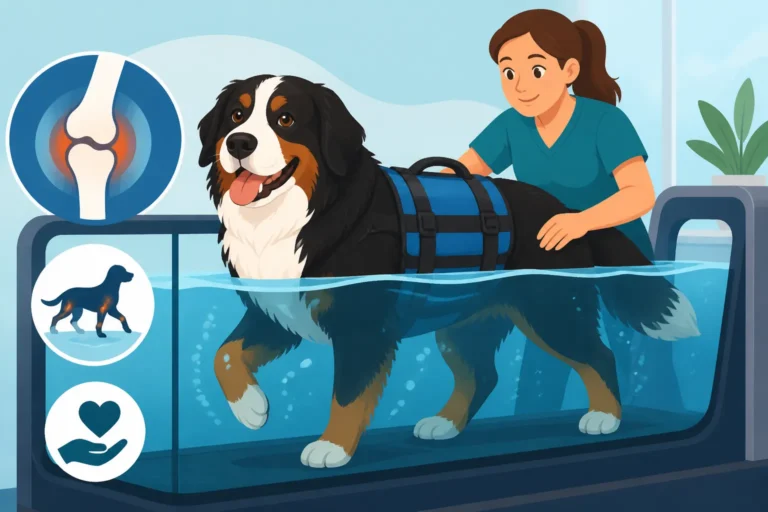
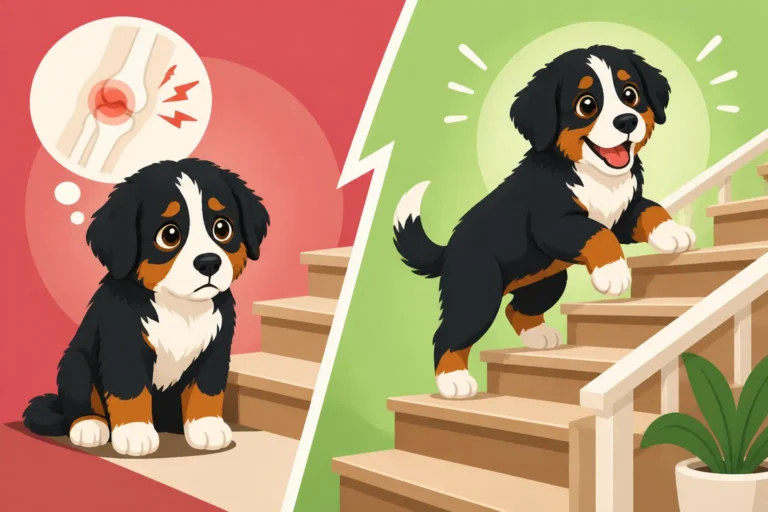
Spaying before a Bernese Mountain Dog's growth plates have closed, usually around 12-18 months of age, has been linked in some studies to an increased risk of certain orthopedic issues like hip and elbow dysplasia, as well as cruciate ligament tears. This is thought to be due to the removal of hormones that play a role in bone development. On the flip side, delaying spaying means your female Berner will experience at least one heat cycle, which comes with its own set of challenges, including the risk of unwanted pregnancy and a slightly increased risk of mammary tumors if not spayed at all. It's a complex decision without a single "right" answer for every dog. It’s important to have an in-depth conversation with your vet about the risks and benefits of early versus late spaying, taking into account your Berner's individual health, lifestyle, and your ability to manage an intact female. Research on Whether Neutering Age Affects Bernese Mountain Dog Cancer is ongoing and can influence these discussions.
The Surgical Procedure and Immediate Post-Op Care
The Procedure Itself: What to Expect
The spay procedure, medically known as an ovariohysterectomy, involves the surgical removal of a female dog's ovaries and uterus. Your Bernese Mountain Dog will be fully anesthetized, and the surgical area (usually the abdomen) will be carefully clipped and sterilized. A sterile drape will be placed, and the veterinarian will make an incision in the abdominal wall. Through this incision, the ovaries and uterus are carefully ligated (tied off with sutures to prevent bleeding) and then removed. The surgeon then meticulously closes the incision in several layers, including muscle, subcutaneous tissue, and finally, the skin.
Throughout the procedure, your Berner's vital signs will be continuously monitored by a veterinary technician, ensuring they remain stable under anesthesia. Pain management is also a critical component, with pain medication often administered before, during, and immediately after surgery to keep your dog as comfortable as possible. While the specific approach might vary slightly depending on the vet and the dog, the goal is always to perform the surgery efficiently and safely, minimizing discomfort and potential complications.
Monitoring During and Immediately After Surgery
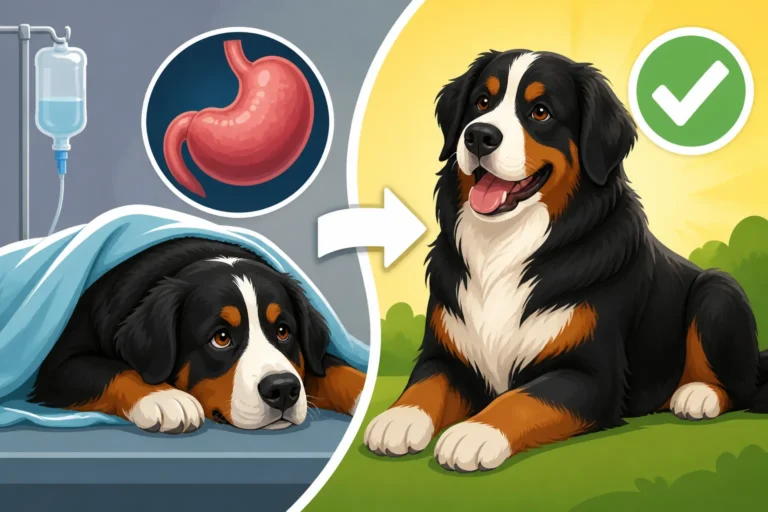
The hours immediately following a spay are just as critical as the surgery itself, especially for a large breed like a Bernese Mountain Dog. Once the procedure is complete, your Berner will be moved to a recovery area where the veterinary team will continue to monitor her closely as she wakes up from anesthesia. This post-operative vigilance is crucial for detecting any immediate complications and ensuring a smooth emergence from sedation.
During recovery, staff will continuously check vital signs such as heart rate, respiratory rate, and body temperature. They'll also be watching for any signs of excessive bleeding from the incision site or signs of pain or distress. Some Berners may appear disoriented or groggy for several hours, which is normal, but any signs of severe lethargy, pale gums, or difficulty breathing would warrant immediate attention. This period also involves keeping them warm and comfortable. While it's rare, complications like internal bleeding can occur, and having attentive staff ready to intervene can be life-saving. This is where having good pet insurance, like Healthy Paws, can truly pay off, covering any unexpected emergency care or extended hospital stays if a complication arises.
At-Home Recovery and Long-Term Wellness
Bringing your Bernese Mountain Dog home after her spay is when your role in her recovery truly begins. The focus shifts to providing a calm, comfortable environment, diligent monitoring of her incision, and ensuring she follows her post-operative instructions to the letter. This phase is essential for preventing complications and setting her up for a full and healthy recovery.
Managing Pain and Rest at Home
Your veterinarian will send your Bernese Mountain Dog home with specific instructions for pain management, usually involving oral pain medications and possibly anti-inflammatory drugs. It is absolutely critical to administer these medications exactly as prescribed, even if your dog seems to be acting normally. Pain control not only makes your Berner more comfortable but also helps facilitate a smoother recovery by reducing stress and encouraging rest. Remember that Berners are often stoic, and may not overtly show discomfort, so sticking to the medication schedule is vital.
Rest is perhaps the most challenging, yet crucial, aspect of at-home recovery for a large, often playful, dog. For the next 10-14 days, your Berner needs strict activity restriction. This means no running, jumping, playing, or stairs. Leashed potty breaks only, and always supervised. Keeping a large dog calm and still can be a monumental task, but it’s essential to prevent the incision from tearing open or developing a seroma (a fluid pocket). A comfortable, quiet space away from household hustle and bustle will be beneficial. You might even consider crate rest if your Berner is particularly active. The costs of these medications and any special recovery tools are part of The Running Costs of a Hundred Pound Bernese Mountain Dog.
Watch for Complications
Even with the best veterinary care, complications can sometimes arise during the recovery period. As a diligent Bernese Mountain Dog owner, you'll need to keep a close eye on your dog and her incision site. Swelling, excessive redness, discharge (especially pus or blood), or a foul odor around the incision are all red flags indicating potential infection. If your Berner starts licking or chewing at the incision, an Elizabethan collar (e-collar, or "cone of shame") is absolutely necessary to prevent her from opening the wound and causing further issues. Many large dogs dislike them, but they are non-negotiable for protecting the surgical site.
Beyond the incision, monitor your Berner for general signs of illness, such as persistent lethargy, vomiting, diarrhea, loss of appetite, or difficulty urinating or defecating. While some mild lethargy is normal for a day or two post-op, severe or worsening symptoms warrant an immediate call to your veterinarian. Early detection and intervention are key to successfully managing any post-surgical complications. Again, having a robust pet insurance plan like one from Healthy Paws can alleviate the financial stress if emergency follow-up visits or additional treatments are needed.
Long-Term Health Benefits and Considerations
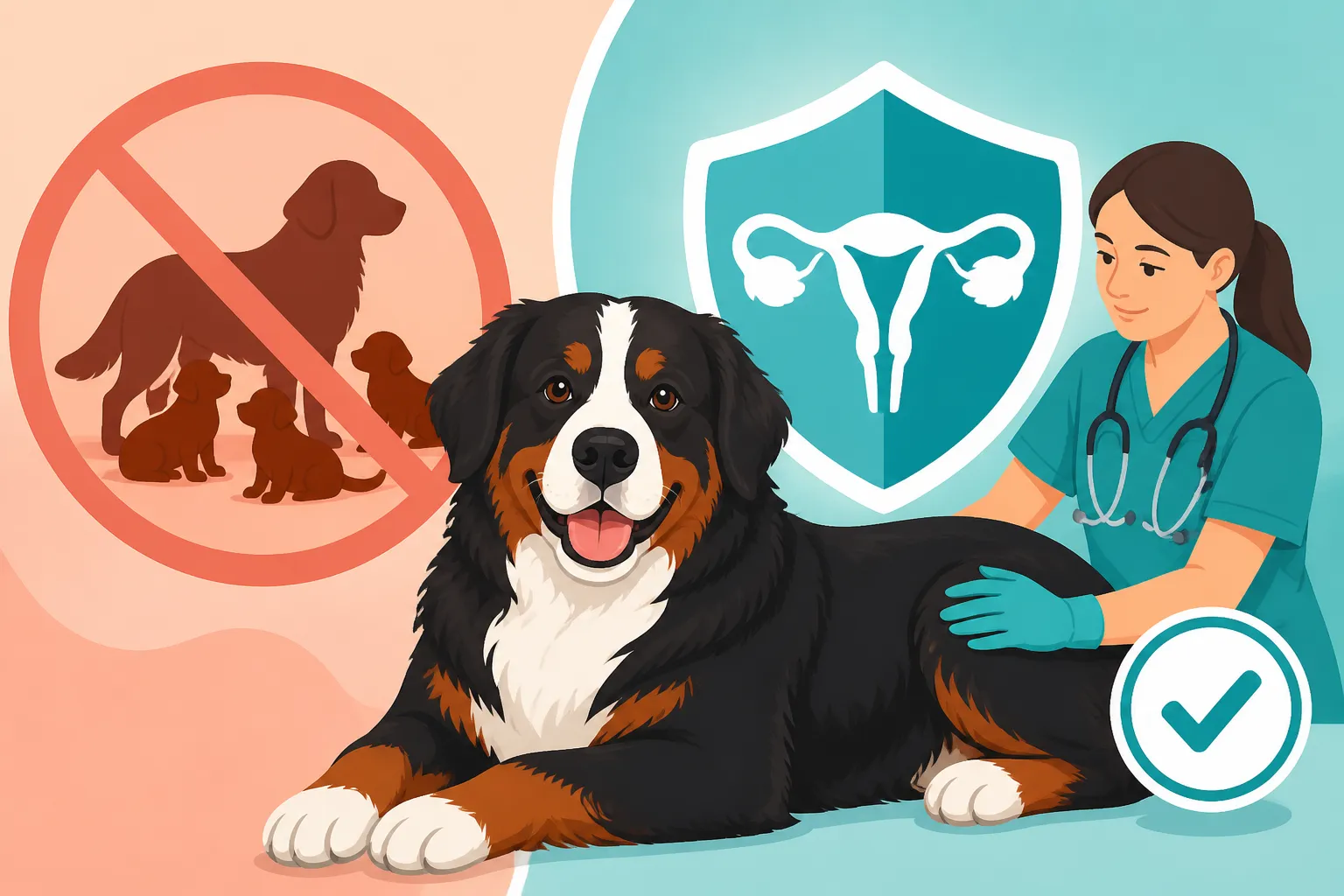
While the immediate focus is on safe surgery and recovery, it’s worth remembering the significant long-term health benefits of spaying your Bernese Mountain Dog. The most impactful benefit is the complete elimination of the risk of pyometra, a life-threatening uterine infection that is common in intact older female dogs and requires emergency surgery. Spaying also drastically reduces the risk of mammary (breast) cancer, especially if done before the first or second heat cycle. It also prevents unwanted pregnancies, which can be a huge undertaking with a large breed.
Of course, no decision is entirely without trade-offs. As mentioned earlier, there's ongoing discussion about the optimal spay age for large breeds and its potential impact on joint health or the incidence of certain other cancers, though the evidence is still complex and not always conclusive for every breed or individual dog. However, the benefits of preventing pyometra and greatly reducing mammary cancer risk are generally considered to outweigh these potential concerns for most Bernese Mountain Dogs. By proactively addressing her reproductive health, you're taking a vital step in contributing to her overall well-being and potentially extending her life, which is always a precious gift given The Average Age a Bernese Mountain Dog Reaches. This preventative measure helps avoid the serious risks covered in Whether an Unspayed Bernese Mountain Dog Faces Extra Risk.
| Consideration | Benefits of Spaying | Risks/Considerations of Spaying |
|---|---|---|
| Reproductive Health | Eliminates risk of pyometra | None |
| Eliminates risk of ovarian/uterine tumors | None | |
| Greatly reduces risk of mammary cancer | None | |
| Prevents unwanted pregnancies | None | |
| Behavioral | Eliminates heat cycles and associated behaviors | None |
| May reduce roaming behavior | None | |
| Overall Health | May be associated with longer lifespan overall | Potential impact on orthopedic health (if done early) |
| Possible link to certain rare cancers (complex, not fully proven for Berners) | ||
| Surgical | Generally safe with proper care | Anesthesia risks (esp. large breeds) |
| Bleeding complications (e.g., vWD) | ||
| Post-op infection or wound dehiscence |
Spaying a Bernese Mountain Dog can absolutely be done safely, provided you work closely with your veterinarian to understand all the unique considerations for this wonderful breed. By prioritizing thorough pre-operative screening, discussing anesthetic protocols, thoughtfully considering the timing of the procedure, and committing to diligent post-operative care, you are setting your Berner up for the best possible outcome. Every decision we make for our dogs, including this one, impacts What a Bernese Mountain Dog Costs Over Its Whole Life in terms of care and well-being.
Disclaimer
The information provided in this guide is for general informational purposes only and does not constitute veterinary medical advice. Always consult with a qualified veterinarian regarding any medical concerns or before making any decisions about your pet's health. Individual circumstances may vary, and a professional veterinary assessment is essential.