Dosing Vaccines and Wormers for a Growing Berner
Bringing home a Bernese Mountain Dog puppy is an absolute joy, but it quickly becomes clear that caring for a giant breed isn't quite the same as a smaller dog. One of the trickiest parts many new Berner parents face is understanding the complex world of vaccinations and deworming, especially when their furry friend is growing at an incredible rate. It’s a lot of information, and the stakes feel high when you’re dealing with a breed prone to certain health challenges. This guide is here to walk you through the specifics of safely and effectively dosing vaccines and wormers for your growing Bernese Mountain Dog, ensuring they get the best start in life without unnecessary risks.
The Unique Dosing Challenge for Giant Breed Puppies
When you first bring home that fluffy Bernese Mountain Dog puppy, it’s hard to imagine they’ll soon be a magnificent, hundred-pound companion. This incredibly fast growth rate is one of the most defining characteristics of giant breeds, and it directly impacts how we approach their medical care, especially when it comes to vaccinations and deworming. It's not just about giving "more" medicine; it's about understanding the nuances of their developing systems. The stakes feel higher when you know that a misstep can have a greater impact on such a large, quickly growing animal.
Rapid Growth and Metabolic Differences
Bernese Mountain Dog puppies don't just get bigger; they undergo an accelerated developmental phase that smaller breeds simply don't experience to the same degree. In a matter of months, they can go from a tiny fluffball to a substantial adolescent, gaining several pounds a week. This rapid growth isn't just external; their internal systems – immune, digestive, and metabolic – are also maturing at lightning speed. This means their bodies process medications and react to vaccines differently than a slower-growing dog might. Their metabolism can be incredibly efficient, sometimes breaking down drugs faster, or, conversely, a sudden surge in growth can leave them temporarily more vulnerable.
The challenge lies in ensuring that the medications, whether they are vaccines to stimulate their immune system or wormers to eradicate parasites, are delivered at concentrations that are both effective and safe for their current size and developmental stage. Underdosing might render a treatment ineffective, leaving your puppy unprotected, while overdosing could lead to adverse reactions or toxicity. It's a delicate balance that requires a keen eye and precise calculations, something your veterinarian will be a crucial partner in. This dynamic growth period also means that what might be an appropriate dose one month, could be completely insufficient or even dangerous the next, highlighting the need for consistent veterinary check-ups throughout their puppyhood.
The Importance of Accurate Weight-Based Dosing
Unlike some human medications which might be prescribed universally based on age, almost all canine medications, especially for internal parasites and preventive care, are strictly weight-dependent. For a Bernese Mountain Dog, whose weight can fluctuate dramatically between vet visits, this means accurate, up-to-date weighing is absolutely paramount. You can't just guess or rely on their weight from a month ago.
Imagine a scenario where your Berner puppy put on 15 pounds in a month – not uncommon for this breed. If you were to give a dewormer based on their previous month's weight, they would be significantly underdosed, potentially leaving some parasites alive and continuing to thrive. On the other hand, if a dosage is calculated using an overestimated weight, your puppy could receive too much of a medication, leading to gastrointestinal upset, lethargy, or more severe systemic reactions. This is why every visit to the vet for vaccines or wormers should begin with your puppy stepping onto the scale. Don't be shy about asking your vet or vet tech to double-check the calculations right in front of you. This meticulous approach is key to keeping your gentle giant healthy and thriving. For a breed that can face various health challenges, ensuring proper medication management from the start is fundamental to their overall well-being.
Navigating the Bernese Mountain Dog Vaccination Schedule
The vaccination schedule for any puppy can seem like a whirlwind of appointments and injections, but for a Bernese Mountain Dog, understanding why certain vaccines are given and when is especially important. These aren't just routine pokes; they are critical steps in building a robust immune system for a dog that will eventually be large and, unfortunately, prone to specific health issues. Protecting them from common infectious diseases early on can prevent a cascade of problems later.
Core Vaccines: Essential Protection
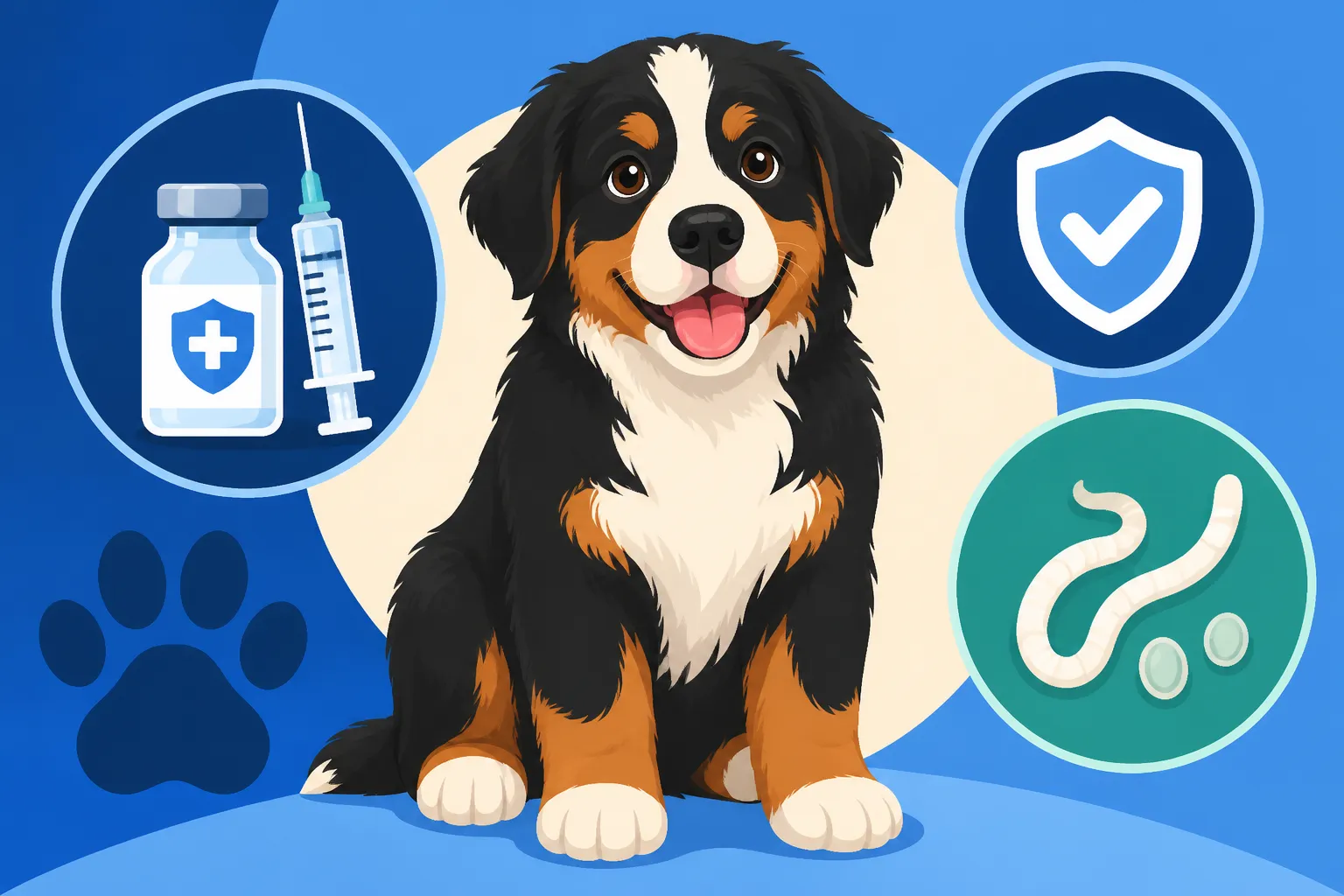
Core vaccines are the foundational shots recommended for all dogs, regardless of their lifestyle or geographic location, due to the prevalence and severity of the diseases they prevent. For a Bernese Mountain Dog puppy, this series typically begins around 6-8 weeks of age and continues every 3-4 weeks until they are 16 weeks old, sometimes even a bit longer for large breeds where maternal antibody interference can be an issue.
The main quartet of core vaccines protects against:
- Canine Distemper: A severe and often fatal viral disease affecting the respiratory, gastrointestinal, and nervous systems.
- Canine Parvovirus: Highly contagious and often deadly, especially for puppies, causing severe vomiting and diarrhea.
- Canine Adenovirus (Hepatitis): Can cause liver disease, respiratory issues, and eye problems.
- Rabies: A universally fatal disease transmissible to humans, legally required in most regions, usually given as a single shot around 12-16 weeks of age, followed by boosters every 1 or 3 years depending on local laws and vaccine type.
Your Bernese Mountain Dog puppy will usually receive a combination vaccine, often referred to as a "DHPP" or "DA2PP," which covers distemper, adenovirus (types 1 and 2), parvovirus, and sometimes parainfluenza. The critical part of "The Puppy Shot Series for a Bernese Mountain Dog" is completing the entire series. Missing a shot or stopping early can leave your puppy vulnerable. Think of it like building a house; each shot is a critical brick, and you need all of them for a strong foundation. After the initial series, a booster is typically given one year later, then every three years for most of these core vaccines.
Non-Core Vaccines: Assessing Local Risks
Beyond the core vaccines, there's a range of non-core vaccines that your veterinarian might recommend based on your Bernese Mountain Dog's lifestyle, potential exposure risks, and geographic location. These are not universally required but can be highly beneficial, especially for a large, active dog that will spend time outdoors or socializing with other dogs.
Some common non-core vaccines include:
- Leptospirosis: Protects against a bacterial disease found in contaminated water, soil, and wildlife urine. If your Berner spends time hiking, swimming in natural bodies of water, or lives in an area with high wildlife traffic, this is often highly recommended. This disease can cause kidney and liver failure and is zoonotic, meaning it can spread to humans.
- Bordetella bronchiseptica (Kennel Cough): Prevents a common respiratory infection. If your Berner attends puppy classes, boarding facilities, dog parks, or is around many other dogs, this vaccine is a smart choice. It comes in oral, intranasal, or injectable forms.
- Lyme Disease: Transmitted by ticks, this bacterial infection can cause lameness, fever, and kidney issues. If you live in or frequently visit an area known for Lyme disease, particularly in wooded or grassy regions, your vet will likely suggest this.
When considering non-core vaccines, have an honest conversation with your vet about your lifestyle. Do you live on a farm? Take your Berner to dog daycare? These details help determine the specific risks your individual dog faces. It's about proactive prevention, understanding that while your What a Bernese Mountain Dog Puppy Should Meet Early experiences should be varied and enriching, they also carry potential exposure risks that these vaccines can mitigate.
Understanding Booster Shots and Titers
The journey of vaccination doesn't end with puppy shots. Booster shots are crucial for maintaining immunity throughout your Bernese Mountain Dog's life. After the initial puppy series, a booster is typically given at one year of age, and then subsequent core vaccine boosters are often administered every three years. Rabies boosters are typically required by law every one or three years, depending on your state or county's regulations.
For owners who prefer to minimize vaccinations or whose dogs may have had reactions in the past, a titer test can be an option. A titer test measures the level of antibodies in a dog's blood, indicating their existing immunity to certain diseases (like distemper and parvovirus). If the titers are sufficiently high, it might be possible to delay or skip a booster for that particular year, in consultation with your veterinarian. This approach is gaining popularity as a way to ensure protection without over-vaccinating, though it does come with its own costs and isn't available or advisable for all vaccines (like rabies, due to legal requirements). Discussing whether a titer test is appropriate for your individual Bernese Mountain Dog, especially as they get older, can be part of their routine health discussions when you're Seeing the Vet Twice a Year With a Berner.
Comprehensive Worming Protocols for Your Growing Berner
Parasites are an unfortunate reality of puppyhood, and growing Bernese Mountain Dogs are no exception. Internal parasites, or worms, can cause a range of health issues, from nutrient deficiencies and stunted growth to severe gastrointestinal distress and even organ damage. Because Berners grow so rapidly and their developing systems can be more susceptible, a robust and consistent worming protocol is absolutely vital. It's not just about treating symptoms; it's about proactive prevention to ensure their healthy development.
Common Internal Parasites and Their Risks
There are several types of intestinal worms that commonly affect puppies, and knowing about them helps you understand the importance of your vet's recommendations:
- Roundworms (Ascarids): These are incredibly common and often transmitted from the mother to her puppies before birth or through her milk. They live in the small intestine, consuming nutrients, and can cause a pot-bellied appearance, vomiting, diarrhea, and poor growth. In severe cases, they can lead to intestinal blockage.
- Hookworms (Ancylostoma): These parasites attach to the intestinal wall and feed on blood, leading to anemia, weakness, and dark, tarry stools. Puppies can contract them from their mother or through contaminated soil by ingesting larvae or even through skin penetration.
- Whipworms (Trichuris vulpis): Living in the large intestine, whipworms are harder to detect and can cause chronic diarrhea, weight loss, and inflammation of the colon.
- Tapeworms (Cestodes): Unlike other worms, tapeworms are usually acquired by ingesting an intermediate host. Flea tapeworms are common when puppies ingest infected fleas during grooming, while other tapeworms can come from consuming infected rodents or raw meat. You might see segments resembling grains of rice around your puppy's anus or in their stool.
Left untreated, these parasites can significantly impact a growing Bernese Mountain Dog's health, hindering their ability to absorb essential nutrients needed for their massive growth. This is particularly concerning for a breed whose skeletal development is so critical; any nutritional deficiency can contribute to issues later on, such as joint problems. Regular fecal exams are also key, as they allow your vet to identify exactly which parasites might be present and tailor treatment accordingly.
Developing an Effective Deworming Schedule
The deworming schedule for Bernese Mountain Dog puppies typically starts very young and is quite frequent. Most reputable breeders will begin deworming their litters at 2-3 weeks of age, and this process continues regularly until the puppies are old enough to receive monthly preventatives.
A common puppy deworming schedule looks something like this:
| Age of Puppy | Recommended Deworming Frequency | Primary Target Parasites |
|---|---|---|
| 2-3 Weeks | First dose | Roundworms, Hookworms |
| 4-6 Weeks | Second dose | Roundworms, Hookworms |
| 6-8 Weeks | Third dose (often with first vaccines) | Roundworms, Hookworms, sometimes Whipworms |
| 8-12 Weeks | Fourth dose (with subsequent vaccines) | Roundworms, Hookworms, Whipworms |
| Monthly thereafter | Ongoing prevention | Roundworms, Hookworms, Whipworms, Tapeworms, Heartworms |
It's crucial to follow your vet's specific recommendations, as they will prescribe dewormers based on your puppy's current weight and local parasite prevalence. Many dewormers are palatable chewables or liquids, making administration relatively easy. Remember that a single deworming treatment may not kill all stages of worms, which is why repeat doses are necessary to break the parasite life cycle. Even if you don't see worms in your Berner's stool, it doesn't mean they aren't there. Microscopic eggs and larvae are common. Consistent fecal testing, especially for a large breed where health is already a considerable investment, helps ensure you're always one step ahead of any parasitic invaders.
Heartworm Prevention: A Non-Negotiable
While intestinal worms are certainly a concern, heartworm disease is perhaps the most serious parasitic threat your Bernese Mountain Dog will face. Transmitted by mosquitoes, heartworms live in the heart, lungs, and associated blood vessels of infected animals, causing severe lung disease, heart failure, and damage to other organs. Treatment for heartworm disease is complex, expensive, and carries significant risks, which is why prevention is absolutely essential.
For your Bernese Mountain Dog puppy, heartworm prevention typically begins around 8-12 weeks of age, or as soon as your veterinarian deems appropriate based on local risk factors. These preventatives are usually given monthly, often combined with medications that also deworm against common intestinal parasites. There are various products available, including oral tablets, topical solutions, and even injectable options that last for several months. Brands like Heartgard Plus, Interceptor Plus, or Trifexis are commonly prescribed, offering broad-spectrum protection.
Heartworm prevention is a year-round commitment, regardless of your climate, because mosquitoes can be present even in colder months, and travel can expose your dog to different risk levels. Before starting any heartworm preventative, your vet will perform a simple blood test to ensure your Berner isn't already infected, as giving preventatives to an infected dog can be dangerous. This annual testing, usually done during your Berner's routine Bloodwork a Bernese Mountain Dog Should Have Yearly, is a non-negotiable part of responsible pet ownership for a breed like the Bernese Mountain Dog, especially considering their overall health profile. Investing in consistent prevention can save you immense heartache and significant financial strain down the line.
Partnering with Your Vet for Optimal Health Management
Bringing up a Bernese Mountain Dog puppy means entrusting a lot of their care to your veterinarian. Given their rapid growth, potential for certain breed-specific health issues, and the sheer volume of medications they'll need, having a vet you trust and can communicate openly with is paramount. This partnership ensures that your Berner receives not just standard care, but personalized protocols tailored to their unique needs.
Tailoring Protocols to Your Individual Berner
Every Bernese Mountain Dog is an individual, even if they share breed characteristics. Their exposure risks, genetic predispositions, and even their temperament can influence the best approach to their health care. For example, a Berner puppy who spends most of its time in a city apartment with minimal exposure to wildlife might have different non-core vaccine needs than one living on a rural property. Similarly, if there's a family history of certain health issues, your vet might recommend specific screenings or preventive measures earlier than usual.
Your vet will consider your Berner's lifestyle, environment, and any individual sensitivities when devising a vaccination and deworming schedule. They'll also be watching for any signs that your Bernese Mountain Dog Whether a Bernese Mountain Dog Hides Discomfort, which is crucial for early detection of any adverse reactions or underlying issues. Don't hesitate to ask questions about why a particular vaccine or dewormer is being recommended. A good vet will take the time to explain the risks and benefits, empowering you to make informed decisions about your cherished companion's health. This personalized approach goes beyond just "Dosing Vaccines and Wormers for a Growing Berner"; it's about holistic well-being.
Monitoring for Reactions and Staying Ahead
While vaccines and dewormers are generally safe and effective, no medical intervention is without potential side effects. For a large breed puppy like a Bernese Mountain Dog, being vigilant for any signs of an adverse reaction is particularly important. Mild reactions might include lethargy, decreased appetite, or a slight fever for a day or two after vaccination. More severe reactions, though rare, can include facial swelling, hives, difficulty breathing, or persistent vomiting/diarrhea. It's important to know what to look for and when to contact your vet immediately.
When it comes to dewormers, some puppies might experience mild stomach upset, loose stools, or vomiting, especially after their first dose, as the worms die off. However, severe or prolonged symptoms should always warrant a call to your veterinarian. Maintaining accurate records of vaccine dates, deworming products used, and any reactions is incredibly helpful. This documentation not only aids your vet in tracking your Berner's health but also provides a comprehensive history, which is vital for a breed with a shorter average lifespan and a predisposition to certain conditions like cancer or joint disease. Being proactive and observant ensures that any issues are caught early, allowing for prompt intervention. This level of detail in monitoring is a huge part of being a responsible owner for a breed like the Bernese Mountain Dog, as their physical changes can occur rapidly during their growth phases.
The Financial Safety Net for Comprehensive Care
Let's be realistic: owning a Bernese Mountain Dog is an investment, both emotionally and financially. From the cost of high-quality large breed puppy food to specialized bedding, the expenses add up. When it comes to veterinary care, especially the critical early-life vaccinations and deworming, these costs are significant and necessary. Unexpected health issues, unfortunately, can strike even the most carefully bred and cared-for Berners, and treatment for conditions like The Cancer That Kills Half of All Bernese Mountain Dogs or serious joint issues can be astronomical.
This is where a financial safety net becomes invaluable. Pet insurance, for example, can be a lifesaver. Companies like Healthy Paws offer comprehensive coverage that can help mitigate the financial burden of unforeseen accidents, illnesses, and even some emergency treatments. While routine vaccinations and deworming are typically covered under wellness plans or are out-of-pocket expenses, having a robust insurance policy in place before any major health issues arise can provide immense peace of mind. Imagine the relief of knowing that if your Berner suddenly develops a severe allergic reaction to a vaccine or has an unexpected parasitic complication, you won't have to choose between their health and your savings. Beyond insurance, establishing a dedicated emergency fund for your Bernese Mountain Dog's health needs is another smart strategy, allowing you to focus on their care rather than the bill. The commitment to a Bernese Mountain Dog is substantial, and being prepared for the financial realities is just as important as the day-to-day care.
Disclaimer
This guide offers general information regarding the dosing of vaccines and wormers for Bernese Mountain Dogs. It is not a substitute for professional veterinary advice. Always consult with a qualified veterinarian regarding your individual dog's health, treatment plans, and medication dosages. Veterinary recommendations may vary based on your location, your dog's specific health history, and current medical guidelines.