Whether an Unspayed Bernese Mountain Dog Faces Extra Risk
Making the decision to spay your Bernese Mountain Dog is far more complex than just preventing puppies. Many owners agonize over the timing and implications, worried about potential health impacts, especially given the breed's unique predispositions. This guide aims to thoroughly explore the specific risks an unspayed Bernese Mountain Dog might face, helping you make an informed choice for your cherished companion's long-term health and wellbeing.
Understanding the General Health Risks for Intact Female Dogs
When you choose to keep your female Bernese Mountain Dog unspayed, you're embracing the natural hormonal cycles that come with being an intact dog. While there's a certain beauty to letting nature take its course, it also means exposing your beloved companion to a set of health risks that are entirely preventable through spaying. These aren't just minor inconveniences; some can be life-threatening and require immediate, costly veterinary intervention.
Pyometra: A Silent and Swift Killer
Perhaps the most terrifying risk for an intact female dog, including our Berners, is pyometra. This is a severe, life-threatening infection of the uterus that typically occurs a few weeks after a heat cycle when hormonal changes make the uterus an ideal environment for bacteria to grow. The cervix, which was open during heat, closes, trapping bacteria, pus, and toxins inside.
Imagine your usually vibrant Bernese, who loves to lean into you and follow you from room to room, suddenly becoming lethargic, refusing food, drinking excessively, and perhaps vomiting. You might notice a foul-smelling discharge if the cervix remains open (an "open pyometra"), but often, the cervix is closed (a "closed pyometra"), making the internal infection harder to spot until your dog is critically ill. A closed pyometra is particularly dangerous because the toxins build up rapidly, and the uterus can even rupture, leading to septic peritonitis, a fatal condition. This isn't something that can wait; it's a true emergency that requires immediate surgery to remove the infected uterus. The costs associated with such emergency surgery, overnight stays, and intensive care can be astronomical, easily running into many thousands of dollars. It’s a stark reminder of why some owners invest in pet insurance like Healthy Paws.
Mammary Tumors: A Common and Concerning Threat
Another significant concern for unspayed female dogs is the increased risk of mammary (breast) tumors. These are abnormal growths in the mammary glands, which are stimulated by reproductive hormones like estrogen and progesterone. Each heat cycle an intact female experiences significantly increases her cumulative risk of developing these tumors. The good news is that spaying a dog before her first heat cycle dramatically reduces this risk, often to less than 0.5%. The risk still remains low if spayed after the first heat, but it climbs considerably after the second or third heat.
Mammary tumors can be benign or malignant, but you can't tell the difference just by looking or feeling. They often appear as small lumps along the mammary chain, which stretches from the chest down to the groin. For a large, deep-chested breed like the Bernese Mountain Dog, finding these lumps can sometimes be challenging under all that glorious fluff, especially as they often appear in multiple locations. Should you find a lump, it requires a vet visit for diagnosis, which may include aspiration, biopsy, or surgical removal. If malignant, the tumor can spread to other parts of the body, making prognosis much grimmer. This ties into the broader concern of cancer in Bernese Mountain Dogs, a topic explored further in content like The Cancer That Kills Half of All Bernese Mountain Dogs and Lymphoma and Mast Cell Tumors in a Bernese Mountain Dog.
Other Hormonal Influences and Risks
Beyond pyometra and mammary tumors, an unspayed Bernese Mountain Dog will also experience regular heat cycles, usually twice a year. This comes with its own set of challenges, from managing messy discharges and preventing unwanted pregnancies to dealing with potential behavioral changes. During heat, a female Berner can become more restless, vocal, or even try to escape to find a mate. This also means you'll have to be extra vigilant about intact male dogs in the neighborhood, who can become incredibly determined to reach a female in heat. There's also the possibility of false pregnancies (pseudocyesis), where the unspayed female shows all the physical and behavioral signs of pregnancy without actually being pregnant, which can be distressing for both the dog and her owner.
Bernese Mountain Dog Specific Health Considerations
When we talk about the health of a Bernese Mountain Dog, we're already dealing with a breed that, sadly, has a shorter average lifespan and a higher predisposition to certain serious conditions compared to many other breeds. Adding the decision of whether or not to spay into this equation brings a whole new layer of complexity, as timing and individual factors can influence the risks our beloved Berners face.
The Nuance of Cancer Predisposition in Berners
Bernese Mountain Dogs are famously prone to various cancers, with some estimates suggesting that What Share of Bernese Mountain Dogs Die of Tumors. This breed's high incidence of cancers like histiocytic sarcoma and lymphoma is a heartbreaking reality. The traditional advice for spaying has always been to do it early to prevent mammary cancer. However, recent research in large and giant breeds has introduced a more nuanced perspective.
For some large breeds, particularly males, early neutering has been linked to an increased risk of certain orthopedic issues and even some cancers, like osteosarcoma (bone cancer) and hemangiosarcoma. While the data for female Berners specifically is still being debated and thoroughly researched, the general concern for large breeds is that removing sex hormones too early can disrupt the closure of growth plates, potentially leading to disproportionate bone growth and increased stress on joints. It also might affect the development of the immune system in ways that could theoretically influence cancer susceptibility. This isn't to say spaying causes cancer, but rather that the timing could influence the expression of certain predispositions already present in the breed. It's a tricky balance between reducing the risk of one devastating disease (mammary cancer and pyometra) and potentially increasing the risk of another that the breed is already susceptible to. This is why discussions around Whether Cancer Is Bred Into the Bernese Mountain Dog are so important.
Joint Health and Spaying Timing
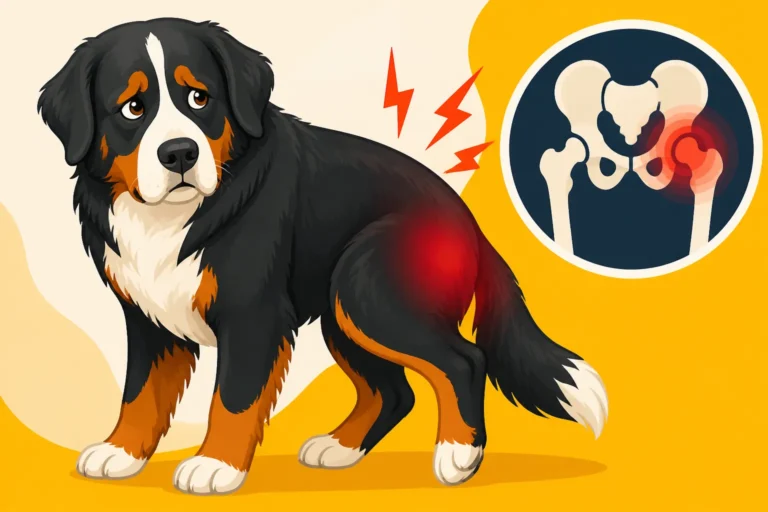
Bernese Mountain Dogs are big, beautiful dogs, and their large size puts immense strain on their joints. Conditions like hip and elbow dysplasia, as well as cruciate ligament tears, are unfortunately common. You can learn more about these challenges in articles such as Joint Disease in a Hundred Pound Bernese Mountain Dog and The Bernese Mountain Dog Whose Back Legs Give Out. The development of healthy joints relies on a complex interplay of genetics, nutrition, and hormones during their crucial growth phases.
Studies, particularly those involving large and giant breeds, have suggested that spaying before growth plates have fully closed (which can be as late as 18-24 months in Berners) might increase the risk of these orthopedic issues. Sex hormones play a role in the timing of growth plate closure. If these hormones are removed prematurely, the long bones can continue to grow for a longer period, resulting in longer, less dense bones and potentially altered joint conformation. This can lead to increased stress on joints, making them more susceptible to injuries like cranial cruciate ligament ruptures or exacerbating existing dysplastic tendencies. This is a significant concern for Bernese Mountain Dog owners, as managing these joint issues can lead to chronic pain for the dog and substantial veterinary bills. This complex interplay is why many breed-specific health panels, like The Bernese Mountain Dog Health Panel, are so crucial for understanding overall health risks.
Behavioral and Metabolic Changes
While not a direct "risk" in the same life-threatening way as pyometra or cancer, it's worth considering the behavioral and metabolic changes that can occur with spaying, especially in a breed as sensitive and devoted as the Bernese Mountain Dog. Some owners report subtle shifts in temperament, though this is highly individual and often attributed more to maturity than the spay itself.
More tangibly, spaying can impact metabolism. Removing the ovaries means a reduction in hormones that play a role in regulating metabolism. Many spayed dogs tend to gain weight more easily, even on the same amount of food they ate when intact. For a Bernese Mountain Dog, maintaining a lean body condition is paramount for supporting their large frame and minimizing stress on their already vulnerable joints. Owners of spayed Berners must be extra diligent with diet and exercise to prevent obesity, which can exacerbate joint problems and contribute to other health issues like diabetes. Additionally, some Bernese owners note changes in coat texture after spaying, sometimes becoming softer, duller, or more prone to matting.
Navigating the Decision to Spay Your Bernese Mountain Dog
The decision to spay a Bernese Mountain Dog is rarely straightforward. It’s a deeply personal choice, often made tougher by conflicting information and the unique health profile of the breed. There are compelling arguments on both sides, and it's essential for every Berner owner to weigh these carefully, always with their individual dog's best interest at heart.
The Undeniable Benefits of Spaying
Let's start by reiterating the profound advantages of spaying, benefits that are universally recognized in veterinary medicine. The primary and most critical benefit is the complete elimination of the risk of pyometra. This alone is a huge advantage, as pyometra is a severe, often sudden, and potentially fatal condition that requires emergency surgery. Spaying removes the organ where this infection would occur, thus removing the risk entirely.
Secondly, spaying drastically reduces the risk of mammary tumors, especially if performed before or shortly after the first heat cycle. Given that What Bernese Mountain Dogs Die Of often includes cancer, mitigating any cancer risk is something many owners consider seriously. It also prevents unwanted pregnancies, which, for many responsible owners, is a non-negotiable aspect of dog ownership. Beyond these major health benefits, spaying also eliminates the inconvenience and mess of heat cycles and can reduce certain hormone-driven behaviors like wandering in search of a mate. For owners who struggle with the idea of managing a female in heat, spaying offers a simpler, cleaner existence.
The Crucial "When" of Spaying
This is where the waters get a bit murky, especially for large and giant breeds like the Bernese Mountain Dog. For decades, the conventional wisdom was to spay at six months of age. This timing aimed to prevent heat cycles entirely and maximize the protection against mammary cancer. However, as mentioned earlier, more recent research, particularly in orthopedic and oncology fields, has prompted a re-evaluation of this blanket recommendation for larger breeds.
Some studies suggest that waiting until after a large breed dog has fully matured, often around 18-24 months of age, allows their growth plates to close naturally and their skeletal system to develop fully. The argument is that this might reduce the risk of certain orthopedic issues, such as hip and elbow dysplasia or cranial cruciate ligament tears, which are already prevalent in Berners. There's also some debate about the impact on certain cancers, although the picture is complex and not fully understood. This means owners are often faced with a difficult trade-off: spay early for maximum protection against mammary cancer and pyometra, or wait longer potentially to support skeletal health, but accepting an increased risk of mammary tumors and pyometra in the interim. The internal link Whether Early Neutering Harms a Bernese Mountain Dog delves deeper into this precise dilemma.
Consulting Your Veterinarian for Personalized Advice
Given the complexities and the evolving research, there is no single "right" answer for every Bernese Mountain Dog. This decision requires a thorough, open conversation with your trusted veterinarian. They can help you weigh the pros and cons specific to your dog, taking into account her individual health, your lifestyle, and any genetic predispositions if you know her lineage.
Your vet will consider factors like:
- Your Berner's age and stage of development: Have her growth plates closed?
- Her overall health: Does she have any pre-existing conditions that might influence the decision?
- Your ability to manage heat cycles: Can you reliably prevent unwanted pregnancies and manage the mess and behavioral changes of an intact female?
- Your tolerance for risk: How do you weigh the risks of mammary cancer/pyometra against the potential for orthopedic issues or other cancers?
They might also recommend checking relevant databases like Berner-Garde, if her lineage is recorded, to see patterns of health issues in her ancestors, helping you assess The Age a Bernese Mountain Dog Is Old Enough to Breed or common causes of death. Remember, your vet isn't just there for emergencies; they are your partner in proactive health management.
Living with an Intact Female Bernese Mountain Dog
If, after careful consideration and consultation with your veterinarian, you decide to keep your Bernese Mountain Dog unspayed, you're signing up for a different kind of commitment. It's a path that requires heightened awareness, diligent management, and a deep understanding of the unique responsibilities involved. It’s certainly not a set-it-and-forget-it approach, especially with a breed as prone to certain health issues as the Berner.
Responsible Management of Heat Cycles
The most immediate and ongoing responsibility with an unspayed female Bernese is managing her heat cycles. Most Berners will come into heat roughly every six to eight months, and each cycle typically lasts about three weeks. During this time, your dog will attract intact male dogs from far and wide, and she will be capable of becoming pregnant.
Here's what responsible management entails:
- Containment: Your Berner cannot be left unsupervised outdoors, even in a fenced yard. Determined male dogs can dig, jump, or break through fences. Leash walks are the only safe option, and even then, you must be extremely vigilant. Consider using a double leash for extra security.
- Hygiene: Your dog will have a bloody discharge during her heat. While some dogs are meticulous cleaners, others aren't. Doggie diapers are often a lifesaver for keeping your home clean. You'll need to change them frequently for hygiene and comfort.
- Behavioral Changes: Some Berners become more restless, clingy, or even a bit moody during heat. She might also mark more frequently. Understanding these changes and providing comfort can help.
- Avoiding Dog Parks and Public Areas: For the duration of her heat, it's best to avoid dog parks, pet stores, and other places where intact males might congregate. This isn't just about preventing pregnancy; it's also about preventing potential conflicts between males vying for her attention.
- Planning Ahead: Know when her cycles are due and plan vacations or boarding accordingly. Some boarding facilities or doggy daycares will not accept intact females in heat.
Increased Vigilance for Health Issues
With the risks of pyometra and mammary cancer in mind, increased vigilance for specific health issues is paramount for an unspayed Bernese Mountain Dog.
- Pyometra Awareness: Every time your Berner finishes a heat cycle, you must be on high alert for symptoms of pyometra for the next 4-8 weeks. Look for increased thirst, lethargy, loss of appetite, vomiting, a distended abdomen, or any vaginal discharge (even if slight). If you notice any of these signs, consider it an emergency and contact your vet immediately. Waiting can be fatal.
- Mammary Examinations: Make it a habit to regularly examine your Bernese Mountain Dog's mammary glands. Gently feel along her entire belly from chest to groin for any lumps, bumps, or swellings. Early detection is key for the best prognosis if a tumor is found. Any new lump should be checked by a vet without delay.
- Routine Veterinary Check-ups: Regular vet visits, perhaps even twice a year as your Berner ages, become even more important. These check-ups allow your vet to perform thorough physical examinations, including abdominal palpation, and discuss any changes you've observed. These check-ups also provide an opportunity to conduct regular bloodwork and urinalysis, catching subtle changes before they become serious problems.
- Financial Preparedness: Should your unspayed Bernese develop pyometra or malignant mammary tumors, the treatment can be very expensive. Emergency surgery for pyometra, cancer diagnostics (like biopsies or CT scans), and potential chemotherapy or radiation for cancer can quickly lead to oncology bills reaching significant amounts. Having a robust emergency fund or comprehensive pet insurance, such as a plan from Healthy Paws that covers accidents and illnesses, can be an absolute lifesaver. Ensure you understand Annual Limits and Bernese Mountain Dog Oncology and Insuring a Bernese Mountain Dog Against Cancer if you choose this route.
By understanding these heightened responsibilities and committing to proactive management and vigilance, you can still provide a long and healthy life for your unspayed Bernese Mountain Dog.
Comparing Risks: Intact vs. Spayed Bernese Mountain Dog
Making decisions about your Bernese Mountain Dog's health can feel overwhelming. Here’s a quick overview to help you visualize the common risks associated with keeping a female intact versus spaying her, particularly with the unique considerations for a large breed like the Berner.
| Condition | Risk for Intact Female Bernese Mountain Dog (Unspayed) | Risk for Spayed Female Bernese Mountain Dog (Early Spay ~6 months) | Risk for Spayed Female Bernese Mountain Dog (Late Spay ~18-24 months) |
|---|---|---|---|
| Pyometra (Uterine Infection) | High Risk: Life-threatening, common. | Zero Risk: Uterus removed. | Zero Risk: Uterus removed. |
| Mammary Tumors | High Risk: Increases with each heat cycle. | Very Low Risk: If spayed before 1st heat. | Moderate Risk: Lower than intact, but higher than early spay. |
| Unwanted Pregnancy | High Risk: Requires constant vigilance. | Zero Risk. | Zero Risk. |
| Heat Cycle Management | High Burden: Mess, behavioral changes, male dog attraction. | Zero Burden. | Zero Burden. |
| Perianal Fistulas | Moderate/Low Risk | Some studies suggest a slightly increased risk for some breeds. | Possibly lower increased risk than early spay, but still being studied. |
| Urinary Incontinence | Low Risk | Increased Risk: More common in spayed large breed females. | Potentially reduced risk compared to early spay, but still a factor. |
| Hypothyroidism | Moderate Risk | Some studies suggest a slightly increased risk. | Similar to intact, or slightly increased. |
| Weight Gain/Obesity | Moderate Risk | Increased Risk: Metabolic changes. | Increased Risk: Metabolic changes. |
| Orthopedic Issues (e.g., Hip Dysplasia, ACL Tears) | Moderate/High Risk (breed predisposition) | Potentially Increased Risk: If growth plates affected by early spay. | Potentially reduced increased risk compared to early spay; allows growth plate closure. |
| Certain Cancers (e.g., Lymphoma, Osteosarcoma) | Moderate/High Risk (breed predisposition) | Some debated studies suggest a slightly increased risk for certain types. | Similar to intact, or slightly increased for certain types. |
This table highlights the difficult balancing act. Spaying unequivocally prevents some of the most common and dangerous conditions for intact females. However, the timing of spaying, particularly in large breeds like the Bernese Mountain Dog, is a subject of ongoing discussion due to potential links with orthopedic and other cancer risks.
Disclaimer
The information provided in this guide is for general informational purposes only and does not constitute veterinary advice. Always consult with a qualified veterinarian for any health concerns or before making any decisions about your Bernese Mountain Dog's care, including whether or not to spay and the appropriate timing for such a procedure. Individual dogs may have unique needs and health considerations.