Palliative Care for a Bernese Mountain Dog
It's incredibly tough when our beloved Bernese Mountain Dogs start to show the undeniable signs of aging or illness. That robust, joyful presence begins to fade, and suddenly, you're faced with the heart-wrenching reality that their golden years might be overshadowed by discomfort. This guide is here to walk you through the compassionate world of palliative care for your Bernese Mountain Dog, offering practical advice and emotional support to ensure their remaining time is as comfortable and fulfilling as possible.
Understanding Palliative Care for Your Bernese Mountain Dog
When we hear the word "palliative," our minds often jump straight to human hospice, and it can feel overwhelming to apply that concept to our canine companions. But for a giant breed like a Bernese Mountain Dog, whose lifespan is often far shorter than we wish, understanding and embracing palliative care early can make all the difference in their final chapter. It's about shifting focus from a cure that might no longer be possible to maximizing comfort and preserving their dignity.
What Exactly Is Palliative Care?
Palliative care, in the context of our Berners, is a specialized approach to veterinary medicine that focuses on providing relief from the symptoms and stress of a serious illness. It's not about curing the disease itself, but rather about improving the quality of life for both your dog and your family. Think of it as a holistic approach, addressing physical pain, emotional well-being, and even the family's stress and grief. This kind of care often comes into play when a disease is progressive or has reached an advanced stage, where aggressive treatments might cause more suffering than benefit. It’s about making sure every day is lived with as much joy and as little pain as possible.
The Goal of Palliative Care for Bernese Mountain Dogs
The primary goal of palliative care for a Bernese Mountain Dog is straightforward: to ensure they experience maximum comfort, happiness, and a good quality of life for as long as possible. This means meticulously managing pain, alleviating discomfort, and supporting their daily functions. For a large, often stoic breed, it's particularly vital because they can be masters at hiding their discomfort, making it difficult for us to gauge their true state. A good palliative plan considers their mobility, appetite, mental engagement, and overall emotional state, aiming to preserve their unique Berner spirit through what can be a challenging time. It's about celebrating their life, even as it draws to a close, by making sure every moment counts.
The Difference Between Palliative and Curative Care
It's crucial to understand that palliative care is distinctly different from curative care. Curative care aims to eliminate or treat the underlying disease, often involving surgeries, chemotherapy, or aggressive medications with the hope of recovery or remission. For instance, if your Berner is diagnosed with a treatable infection, the goal would be curative. However, when faced with conditions like advanced cancer, severe, untreatable joint disease, or the irreversible progression of something like Degenerative Myelopathy in a Bernese Mountain Dog, curative options may become limited or too harsh for their quality of life. Palliative care steps in at this point, acknowledging that a cure might not be attainable and instead focuses entirely on making your dog comfortable, easing their symptoms, and enhancing their day-to-day experience, rather than fighting a losing battle against the disease itself.
Recognizing When Palliative Care Is Needed
Deciding when to transition from aggressive treatment to palliative care is one of the hardest decisions a Bernese Mountain Dog owner will ever face. It's a journey filled with guilt, hope, and often, agonizing uncertainty. You might feel like you're giving up, but in reality, you're choosing compassion and comfort. Learning to read your dog's signals and having honest conversations with your vet are paramount.
Subtle Signs Your Berner Is Struggling
Bernese Mountain Dogs are known for their sweet, gentle nature, but they can also be incredibly stoic when it comes to pain or discomfort. They might not cry out, but there are subtle behavioral changes that can signal they're struggling. Look for a decrease in enthusiasm for walks or playtime, changes in eating habits, or a reluctance to navigate stairs or jump into the car. Perhaps they're sleeping more, isolating themselves, or becoming less interactive with the family. Sometimes, it's as simple as a slight shift in their gaze, a decreased spark in their eyes, or an increased amount of panting when at rest. Keep a journal of these observations, noting specific dates and times, as this can provide valuable data for your veterinarian and help you track their overall decline in quality of life. Early detection of these subtle changes allows for a smoother transition to supportive care.
Quality of Life Assessments
To help quantify these observations, many veterinarians use quality of life scales. These scales often involve rating various aspects of your dog's life, such as pain, appetite, hydration, hygiene, happiness, mobility, and the presence of more good days than bad. For a large dog like a Berner, mobility is often a huge factor, especially if they are experiencing Arthritis in a Bernese Mountain Dog by Six or another form of joint pain. Being honest and objective with these assessments can be incredibly challenging, but they provide a framework for evaluating their current state and tracking changes over time. Regularly reviewing these scores with your family and veterinarian helps ensure everyone is on the same page about your Bernese Mountain Dog's well-being. It's not about achieving perfection, but about understanding what their baseline comfort looks like and when it's slipping.
Discussing Options with Your Veterinarian
Having an open and candid conversation with your veterinarian is vital when considering palliative care. They can offer a medical perspective on your dog's prognosis, treatment options, and potential for pain management. Don't hesitate to ask tough questions: "What does a good day look like from now on?" "Are we delaying the inevitable, and is that fair to my dog?" "What are the specific ways we can manage their pain at home?" Your vet can help you navigate the emotional landscape, providing guidance on pain medication protocols, dietary adjustments, and referrals to specialists if needed. If your pet insurance, like Healthy Paws, has specific coverage for chronic conditions or palliative treatments, discussing these options with your vet can also help you understand the financial implications of long-term care, easing one source of stress during this difficult period.
Common Conditions Requiring Palliative Care
Bernese Mountain Dogs, for all their charm and grandeur, are unfortunately prone to several health issues that can lead to the need for palliative care later in life. Understanding these common ailments can help you anticipate challenges and proactively seek comfort measures for your beloved companion.
Arthritis and Joint Disease Management
One of the most pervasive issues for a giant breed like the Bernese Mountain Dog is joint deterioration. Conditions such as hip and elbow dysplasia, which can progress into severe arthritis, often become debilitating. It’s heart-wrenching to watch a once-spry Berner struggle to get up, limp, or even bunny-hop due to pain. Palliative care for Joint Disease in a Hundred Pound Bernese Mountain Dog focuses on comprehensive pain management, using a combination of medications like NSAIDs, gabapentin, or even injectable therapeutics. Beyond medication, physical therapies such as controlled exercise, warm compresses, therapeutic massage, and even Hydrotherapy for an Arthritic Bernese Mountain Dog can offer significant relief, strengthening surrounding muscles and improving flexibility without putting undue strain on compromised joints.
Advanced Cancer Support
Cancer is, tragically, a leading cause of death in Bernese Mountain Dogs. Whether it's the aggressive Histiocytic Sarcoma in a Bernese Mountain Dog, lymphoma, or another form of malignancy, advanced cancer often reaches a point where curative treatments are no longer effective or humane. Palliative care here shifts to managing symptoms like pain, nausea, loss of appetite, and fatigue. This might involve specific pain medications, anti-nausea drugs, and appetite stimulants. Maintaining their energy and comfort is paramount, and adapting their environment to reduce physical strain can also help. For instance, providing soft, orthopedic beds and ramps can make a huge difference to a dog weakened by illness, helping them conserve precious energy.
Degenerative Myelopathy Progression
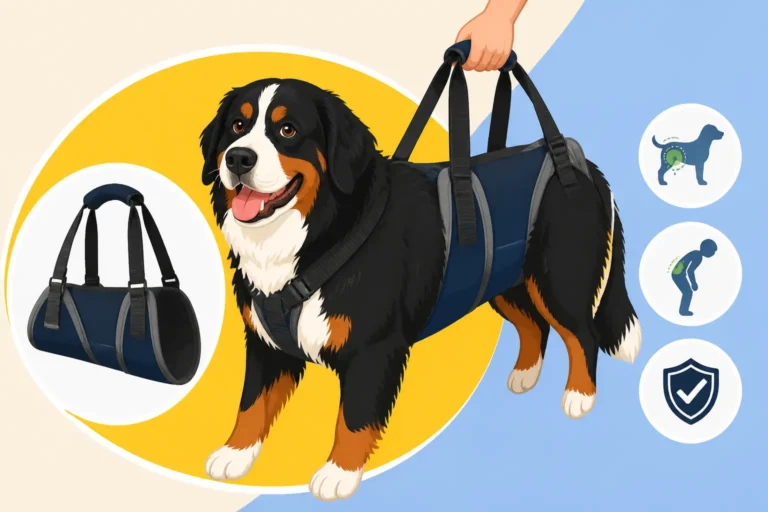
Another devastating condition that often necessitates palliative care for Bernese Mountain Dogs is Degenerative Myelopathy (DM). This progressive neurological disease gradually causes weakness and paralysis in the hind limbs, eventually extending to the front limbs and other parts of the body. Watching your strong Berner lose control of their back legs can be incredibly distressing. Palliative care for The Bernese Mountain Dog Whose Back Legs Give Out focuses on mobility support and maintaining hygiene. This includes slings and harnesses to assist walking, specialized carts to help them move independently, and ensuring they have a clean, dry living space to prevent urine scald or bedsores. Regular physical therapy and gentle range-of-motion exercises can help slow muscle atrophy, while making sure they don't experience pain (though DM itself is not painful, secondary issues like muscle strain can be) is always a priority.
Managing Pain and Discomfort at Home
The comfort of their own home, surrounded by familiar sights, sounds, and smells, is often the best medicine for a Bernese Mountain Dog in palliative care. Your role in managing their pain and discomfort becomes central, and there are many strategies you can implement with your vet's guidance.
Medication Strategies and Administration
Pain management is the cornerstone of palliative care. Your veterinarian will likely prescribe a multimodal approach, combining different types of medications to tackle pain from various angles. This could include non-steroidal anti-inflammatory drugs (NSAIDs) for inflammation, gabapentin for neuropathic pain, and potentially even opioids or other analgesics for more severe discomfort. It's crucial to administer these medications exactly as prescribed, even if your dog seems to be having a "good day." Consistency is key to keeping pain at bay. For a large dog, administering pills can sometimes be a challenge, but you might find success hiding them in cheese, peanut butter, or specialized pill pockets. Always discuss side effects and optimal dosing with your vet, especially when managing Pain Medication Costs for an Arthritic Bernese Mountain Dog to ensure you're getting the most effective treatment within your budget.
Environmental Adjustments and Mobility Aids
Making simple changes around your home can dramatically improve your Bernese Mountain Dog's comfort and mobility. Think about their daily routine: where do they eat, sleep, and go to the bathroom? Providing non-slip rugs on slick floors can prevent falls and give them more confidence. Ramps can ease the strain of getting into and out of vehicles or climbing a few stairs. For dogs with significant mobility issues, a supportive harness designed to help you lift their hindquarters, or even A Cart for a Bernese Mountain Dog Losing Its Legs, can give them back some independence and allow them to enjoy short walks. Orthopedic beds with ample cushioning are vital for preventing pressure sores and ensuring comfortable rest for their heavy bodies. Websites like Chewy offer a wide range of mobility aids and specialized bedding that can make these adjustments easier to implement, often delivered right to your door.
Alternative Therapies and Complementary Approaches
Beyond conventional medications, many alternative and complementary therapies can offer additional comfort. Acupuncture, for example, can be surprisingly effective for managing chronic pain in some dogs, stimulating nerve points to release natural pain relievers. Therapeutic laser treatments can reduce inflammation and promote healing, particularly beneficial for aching joints. Massage therapy, performed by a professional or gently by you at home, can relax tense muscles and improve circulation. Some owners also explore dietary supplements like glucosamine and chondroitin, or omega-3 fatty acids, always discussing these additions with their veterinarian to ensure they are safe and appropriate for their Berner's specific condition. The goal here is to explore all avenues that might provide even a small degree of additional relief, enhancing their overall sense of well-being.
Nutritional Support and Comfort Measures
Proper nutrition and diligent comfort care are fundamental to maintaining a Bernese Mountain Dog's quality of life during palliative care. A healthy diet supports their body, while attention to personal hygiene and a calm environment nurtures their spirit.
Tailoring Diet for Senior or Ill Berners
As Bernese Mountain Dogs age or battle illness, their nutritional needs often change dramatically. A diet that once kept them robust might now be too high in calories, or lack specific nutrients crucial for healing or managing disease symptoms. For a Berner suffering from conditions like kidney disease or cancer, a vet-prescribed therapeutic diet might be necessary. For others, simply making their existing food more palatable can be key, especially if their appetite wanes. Warming food slightly, adding low-sodium broth, or incorporating small amounts of highly digestible, vet-approved human foods can entice them to eat. Brands like Ollie specialize in fresh, human-grade dog food, which some owners find particularly beneficial for enticing picky eaters or those needing a highly palatable and digestible option. Always discuss any significant dietary changes with your veterinarian to ensure they are appropriate and meet your Berner's specific health requirements, especially when considering Feeding an Adult Bernese Mountain Dog Safely.
Hydration and Appetite Stimulation
Maintaining hydration is incredibly important, especially for older or ill Berners who might not drink enough on their own. Ensure fresh water is always available and consider adding extra water or broth to their meals. Ice cubes or diluted bone broth can also be appealing treats. If appetite is a persistent issue, your veterinarian might prescribe appetite stimulants. Beyond medication, sometimes the trick is offering a variety of small, frequent meals throughout the day rather than two large ones. Even offering food by hand can sometimes encourage a reluctant eater. A well-hydrated and adequately nourished dog has more energy, a stronger immune system, and a better overall sense of comfort, even in the face of illness.
Hygiene and Grooming for Comfort
Grooming might seem like a luxury when your Berner is unwell, but it's a vital part of palliative care that significantly impacts their comfort and dignity. A Bernese Mountain Dog's thick coat can quickly become matted and uncomfortable, especially if they are less mobile or incontinent. Regular, gentle brushing helps prevent matting, stimulates circulation, and provides a soothing form of interaction. Pay close attention to areas prone to matting, like behind the ears, under the legs, and around the hindquarters. For dogs with mobility issues, bathing might become difficult, so targeted spot cleaning with pet wipes or dry shampoo can keep them fresh. Ensure their nails are trimmed to prevent discomfort when walking, and check their paw pads for any sores. Addressing these needs helps keep them clean, prevents secondary skin infections, and makes them feel generally better, a simple act of love when you might be Grooming a Bernese Mountain Dog That Cannot Stand.
Emotional Support for Your Berner and Your Family
Palliative care isn't just about the physical aspects; it's deeply rooted in emotional well-being for both your Bernese Mountain Dog and every member of your family. This period is challenging, marked by a mix of sadness, love, and a profound connection.
Creating a Peaceful Environment
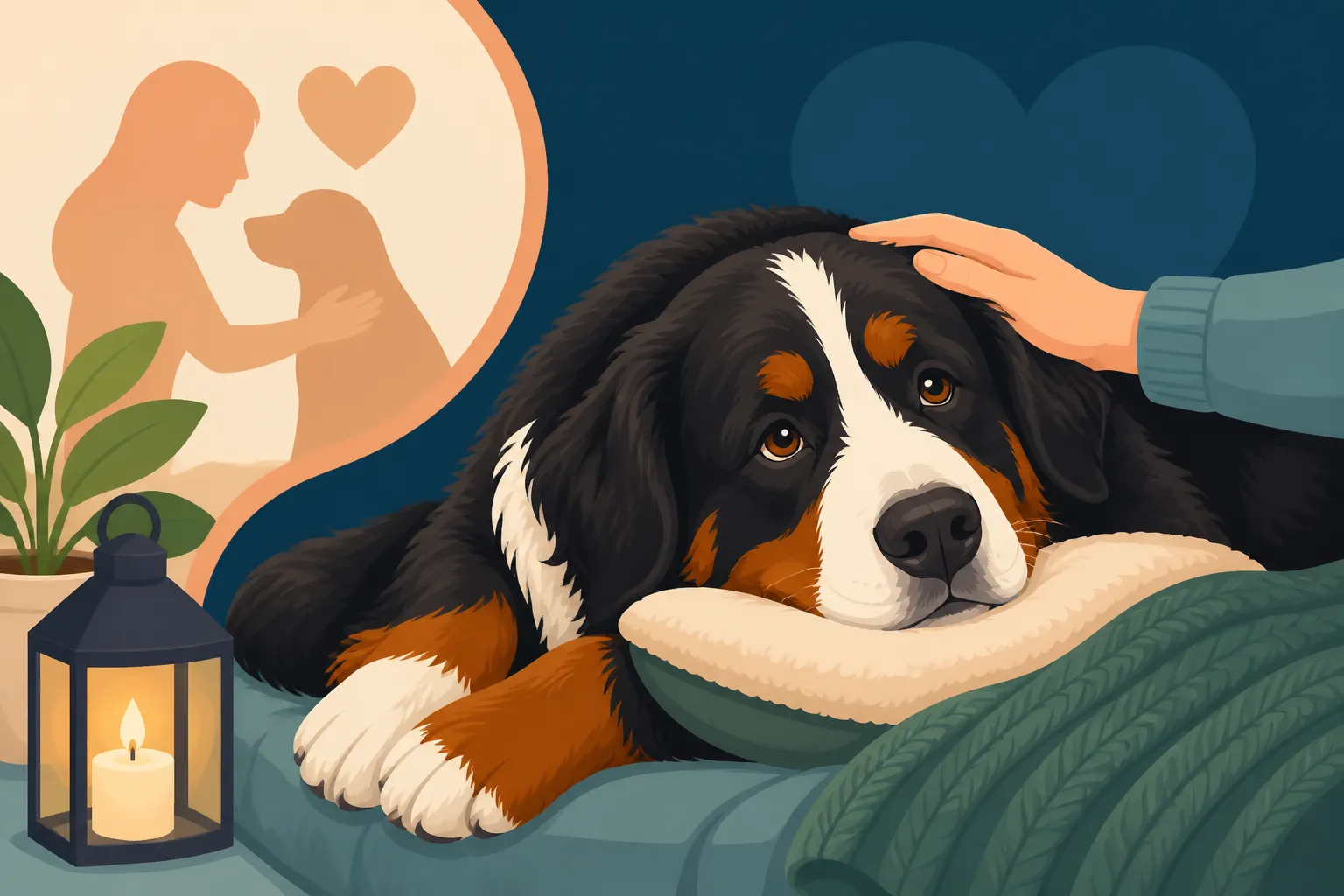
For a Bernese Mountain Dog facing illness or old age, a peaceful, predictable environment is a profound comfort. Loud noises, sudden changes in routine, or too much commotion can cause stress and anxiety, exacerbating their discomfort. Designate a quiet, comfortable space where your Berner can retreat and rest undisturbed. This might be a soft bed in a less trafficked room or a specific corner of the living area. Gentle background music, consistent temperatures, and low lighting can contribute to a serene atmosphere. Your calm demeanor and reassuring presence are also incredibly powerful; dogs are keenly attuned to our emotions, and your own peace can help them feel more secure. Providing this sanctuary helps them feel safe, loved, and allows them to conserve energy for the moments they do want to engage with you.
Maintaining Routine and Connection
Even as their physical abilities decline, maintaining a semblance of routine can provide immense comfort and a sense of security for your Bernese Mountain Dog. While walks might become shorter or less frequent, try to keep mealtimes, potty breaks, and cuddle sessions consistent. These predictable rhythms reduce anxiety and remind them that life, in its essence, is still good and safe. Spend quality time with them, even if it's just gentle petting, quiet conversation, or simply being in the same room. These moments of connection reinforce your bond and assure them they are not alone. Allowing them to participate in family activities, even if it means just lying near the action, helps them feel like a cherished member of the pack. These small acts of love are what truly define the palliative journey.
Coping with Anticipatory Grief
The emotional toll of watching your beloved Bernese Mountain Dog decline can be immense. This feeling, known as anticipatory grief, is a natural and valid response to the impending loss. It’s a complex mix of sadness, anxiety, anger, and even guilt. It's okay to feel overwhelmed and to mourn for the future you won't have with them. Acknowledging these emotions, rather than suppressing them, is important for your own mental health. Talk to trusted friends, family members, or even a pet bereavement counselor. Many online communities and support groups exist for those going through similar experiences, offering a safe space to share feelings. Remember, taking care of yourself during this time is not selfish; it allows you to be fully present and strong for your Berner. Making the final decision, often when to consider Deciding When to Let a Paralyzed Bernese Mountain Dog Go, is a heavy burden, and having a support system in place can help immensely.
When to Consider Euthanasia
This is arguably the most painful part of any pet ownership journey, especially with a breed like the Bernese Mountain Dog that captures our hearts so completely. Deciding when to say goodbye is the final, selfless act of love we can offer to prevent prolonged suffering.
Understanding the Decision-Making Process
The decision to euthanize is rarely clear-cut, and it's a decision most owners agonize over. It's often not a single moment of clarity but a gradual realization that your Bernese Mountain Dog's quality of life has significantly diminished, despite all your palliative efforts. You might find yourself weighing their good days against their bad days, and when the bad consistently outnumber the good, or when their pain can no longer be adequately controlled, it's time to consider the ultimate kindness. Your veterinarian is an invaluable partner in this process, helping you assess their condition objectively and discussing the ethical considerations. It’s about choosing compassion over prolonging a life filled with discomfort. This is often the hardest decision you'll ever make, but it comes from a place of deep love and responsibility for your cherished companion.
In-Home vs. Clinic Euthanasia
When the time comes, you'll also need to consider the environment in which you'd like to say goodbye. For many Bernese Mountain Dogs, particularly those with anxiety about vet visits or significant mobility issues, an in-home euthanasia can be a profoundly peaceful experience. Being in their familiar surroundings, perhaps in their favorite spot in the yard or on their comfy bed, can reduce stress for both you and your dog. It allows for a calm, private farewell without the added stress of travel or clinic waiting rooms. If in-home euthanasia isn't an option, most veterinary clinics strive to make the experience as gentle as possible, offering quiet rooms and ample time for you to say goodbye. Both options provide a compassionate end, and the choice often comes down to what feels most right for you and your Berner.
Grieving and Remembering Your Beloved Berner
The grief that follows the loss of a Bernese Mountain Dog is real, profound, and often misunderstood by those who haven't experienced it. Allow yourself to mourn fully. There is no right or wrong way to grieve, and there's no set timeline. Some people find comfort in creating memorials, like planting a tree, commissioning a portrait, or keeping a special collar or toy. Others find solace in sharing stories and memories with friends and family who understood the unique bond they shared. Remember, the love you felt for your Berner, and the joy they brought into your life, will always be a part of you. While the pain of their absence is immense, the memories of their big, gentle presence and unwavering loyalty will remain. Thinking about Saying Goodbye to a Bernese Mountain Dog at Seven is incredibly difficult, but acknowledging the depth of your bond helps you honor their memory.
| Aspect of Care | Focus of Palliative Care | Examples/Strategies |
|---|---|---|
| Pain Management | Alleviating physical pain and discomfort | Medications (NSAIDs, gabapentin), acupuncture, therapeutic laser |
| Mobility Support | Assisting movement and preventing falls | Ramps, harnesses, orthopedic beds, non-slip rugs, mobility carts |
| Nutritional Needs | Maintaining appetite, hydration, and appropriate diet | Tailored diets, appetite stimulants, hand-feeding, wet food additives |
| Hygiene & Grooming | Keeping clean, preventing matting and skin issues | Regular gentle brushing, spot cleaning, nail trims, ear cleaning |
| Emotional Well-being | Reducing stress and anxiety for both dog and owner | Peaceful environment, consistent routine, quality time, support groups |
| Quality of Life | Regularly assessing happiness, comfort, and functional ability | Quality of life scales, detailed observation journals, vet consultations |
Disclaimer
This article is for general informational purposes only and does not constitute professional advice. Laws, prices and regulations vary by location and change over time. Consult a qualified professional for guidance on your specific situation.