Grooming a Bernese Mountain Dog That Cannot Stand
When your beautiful Bernese Mountain Dog reaches a point where standing for grooming becomes a painful struggle, it's heartbreaking and can feel like an impossible task. We all want our beloved companions to be comfortable, but how do you manage a thick, long coat, address shedding, and trim nails when your large dog can't bear to stand? This guide is here to walk you through compassionate, practical strategies for grooming a Bernese Mountain Dog that has lost its mobility, ensuring they stay clean, comfortable, and cherished.
Understanding the Unique Challenges of Grooming an Immobile Berner
Dealing with a Bernese Mountain Dog that can no longer stand independently for grooming presents a whole new set of obstacles. It's not just about getting the job done; it's about minimizing stress, preventing injury, and ensuring your dog's dignity and comfort. This is a big dog, and when they're down, they're truly down, making every movement a consideration.
The Physical Limitations You'll Face
First, let's be realistic about the sheer size and weight of a Bernese Mountain Dog. Even a healthy Berner is a lot of dog to maneuver, but when they're arthritic, suffering from conditions like The Bernese Mountain Dog Whose Back Legs Give Out, or dealing with severe weakness, their weight becomes an immovable force. You won't be able to lift them easily, and asking them to shift positions can cause pain or further injury. This means you need to rethink traditional grooming methods entirely. Brushing under their belly, trimming the feathering on their legs, or even reaching all their paw pads becomes a delicate dance. You're trying to work around a substantial, often stiff, body while ensuring they remain stable and don't slip or fall further. It's a physical challenge for both you and your dog, requiring patience and a mindful approach.
Emotional and Stress Considerations for Your Dog
Beyond the physical, there's a significant emotional component. A dog that is struggling with mobility is often already feeling vulnerable, perhaps even a bit depressed or anxious about their limitations. Grooming, which might have once been a pleasant bonding experience, can now become a source of fear or discomfort. The pressure of being manipulated, the strange sensation of a brush on sensitive skin, or the sudden movement of clippers near their paws can be incredibly stressful. We need to remember that our Berners are incredibly sensitive souls. They pick up on our stress, too. If we're frustrated or anxious about hurting them, they feel that. Your goal is to keep the experience as calm and reassuring as possible, working in short bursts and paying close attention to their body language. A gentle voice, frequent praise, and generous treats can make all the difference in keeping their spirits up during these necessary sessions.
Assessing Your Berner's Specific Needs
Every Bernese Mountain Dog is an individual, and their decline in mobility will manifest differently. Some might have strong front legs but weak hindquarters, while others might be generally stiff and sore all over. It's crucial to consult with your veterinarian to understand the underlying causes of their immobility – whether it's Joint Disease in a Hundred Pound Bernese Mountain Dog, Slowing Degenerative Myelopathy in a Bernese Mountain Dog, or another condition. Your vet can provide guidance on pain management, safe positioning, and any areas to particularly avoid or be gentle with. They might even recommend specific stretches or therapies that can help with comfort. Knowing if there are pressure points, sensitive joints, or areas of nerve damage will directly influence how you approach each grooming task. This assessment should be ongoing, as their condition can change, requiring you to adapt your techniques over time.
Essential Gear and Creating a Safe, Comfortable Grooming Environment
When your Bernese Mountain Dog can no longer stand, traditional grooming setups are out the window. You're essentially bringing the grooming salon to them, but with a focus on maximizing their comfort and your ease of access, all while ensuring safety.
Specialized Grooming Tools for a Recumbent Dog
You'll quickly find that your usual brushes and combs might not cut it when working with a dog lying down. Investing in a few specialized tools can make a world of difference.
- Long-handled brushes and combs: These allow you to reach across their large body without having to lean over them uncomfortably or shift them too much. A good quality slicker brush and an undercoat rake are still essential for Berners, and looking for ones with ergonomic, longer handles can save your back and make reaching awkward spots easier. Brands available on platforms like Amazon or Chewy often specify handle lengths.
- Deshedding tools: Even when immobile, Berners still shed, sometimes even more as their metabolism changes. A deshedding tool like a Furminator or a similar rake will be invaluable. Work in short, gentle strokes, especially if your dog is sensitive.
- Paw trimmers: For the hair between paw pads, consider battery-operated, quiet clippers. These are much less intimidating than full-sized clippers and allow for precise, quick trims without the vibration and noise that can startle a sensitive dog.
- Quick-stop powder: Always have this on hand for nail trims, as accidents can happen, especially when working with a dog that might shift unexpectedly.
- Waterless shampoo or grooming wipes: These are your best friends for spot cleaning. Keeping an Incontinent Bernese Mountain Dog Clean is a common challenge, and these products allow for quick clean-ups without the stress of a full bath.
Setting Up Your Grooming Station for Stability and Ease
The location and setup of your grooming area are paramount.
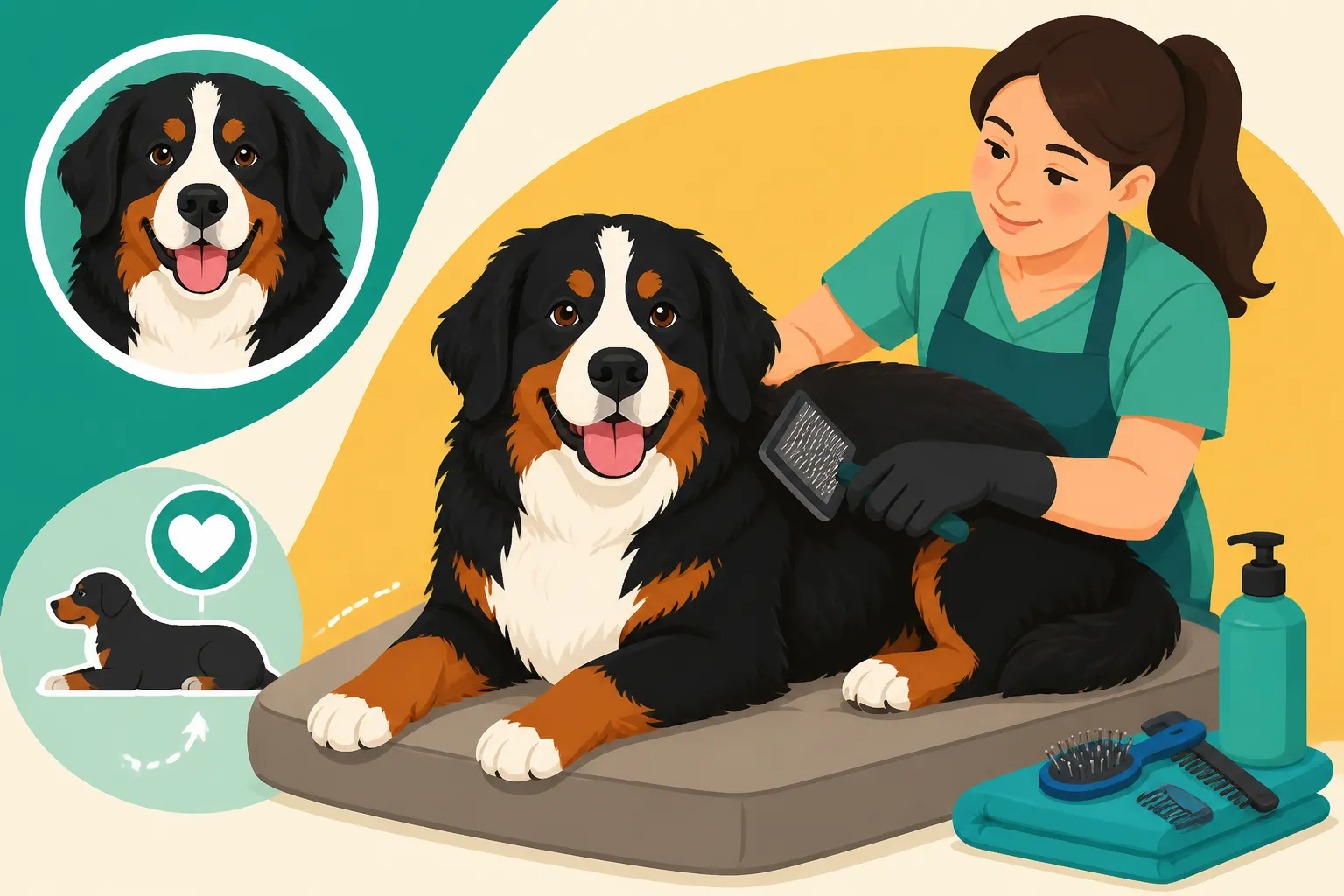
- Soft, non-slip surfaces: Your Bernese Mountain Dog needs to feel secure. Lay down thick, non-slip mats or an orthopedic bed. This provides cushioning for their joints and prevents them from slipping if they try to reposition themselves. If you're using a dog bed, consider one of the high-density foam options often found on Chewy for large breeds.
- Accessible height: If your dog is in a mobility cart or on a low bed, you might need to get down on their level. Consider using cushions or a low stool for yourself to avoid back strain. If they can tolerate it, a low, wide grooming table with a non-slip surface might work if they can be helped onto it and secured, but for truly immobile dogs, working on the floor is often safest.
- Good lighting: You need to see what you're doing, especially when trimming nails or looking for mats in their dense coat. Position a bright, but not glaring, light source.
- Plenty of space: You'll need room to move around your dog, access all sides, and store your tools within easy reach without creating trip hazards. Keep the area clear of clutter to minimize distractions and potential hazards.
Harnesses and Support Systems for Gentle Repositioning
Sometimes, you simply can't reach certain areas without a little help.
- Lifting harnesses: A full-body lifting harness can be a lifesaver. These often have handles over the hips and shoulders, allowing you to gently shift or slightly lift your Berner to access their underside or help them roll onto their other side. Brands like Ruffwear or similar supportive harnesses found on Amazon are excellent for providing controlled support. This is also invaluable for Helping an Old Bernese Mountain Dog Up Stairs if stairs are part of your home.
- Support slings: For dogs with primary hind leg weakness, a simple hind-end support sling can help you support their rear as you work on their back legs or tail area, taking pressure off their joints.
- Pillows and bolsters: Strategically placed pillows or rolled towels can help support your dog in a comfortable side-lying position, preventing them from rolling back or putting too much pressure on one side for too long. Ensure they are soft and won't cause any new pressure points.
Step-by-Step Grooming Techniques for a Non-Standing Bernese Mountain Dog
Now that your setup is ready and you have the right tools, let's talk about the actual grooming. The key here is patience, short sessions, and absolute gentleness.
The Art of Brushing and Deshedding Without Standing
Brushing an immobile Bernese Mountain Dog requires a different rhythm. Instead of a top-down, all-over approach, you'll work section by section, prioritizing comfort and critical areas.
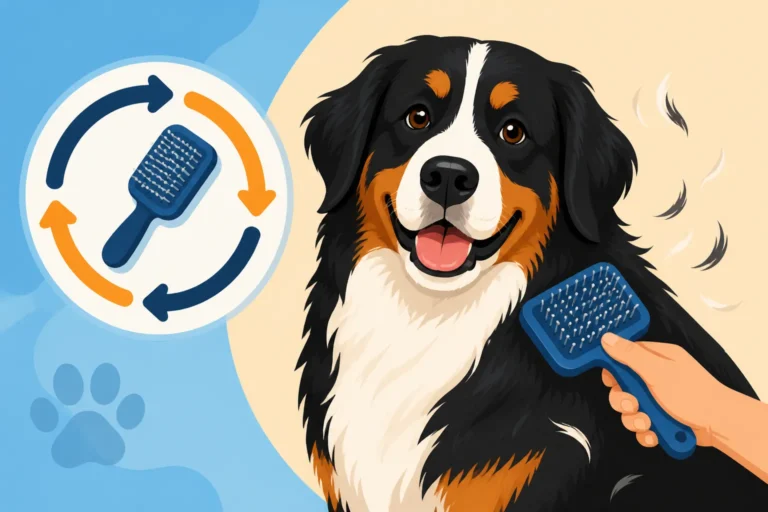
- Start with accessible areas: Begin with the parts of their body they can comfortably present to you – usually their back, sides, and the top of their head. Use your long-handled slicker brush and then follow with an undercoat rake. Work slowly, lifting small sections of hair and brushing from the skin out to catch loose undercoat.
- Gentle repositioning: If your Berner is cooperative, gently encourage them to shift their weight, or use your lifting harness to slightly elevate a side to access the underside. Alternatively, use pillows or bolsters to support them if they can lie on their side comfortably. Always be mindful of their pain tolerance. If they groan, pull away, or show any discomfort, stop and try another angle or a different area.
- Focus on problem areas: The "trousers" on their hind legs, behind the ears, armpits, and under the tail are notorious for matting. These areas need special attention. Use a metal comb to gently tease apart any tangles you find. If you encounter a mat that won't comb out, it's better to carefully clip it out with blunt-tipped scissors or small clippers rather than pulling on their skin. Remember, The Felt That Forms Behind a Bernese Mountain Dog's Ear can be incredibly painful if pulled.
- Short, frequent sessions: Instead of one long, arduous grooming session, break it down into multiple short sessions throughout the week. Maybe one day you focus on their back and sides, the next on their legs, and so on. This keeps stress levels low for both of you and makes the task more manageable. You can even combine this with cuddle time, making it a positive experience.
Nail Trimming and Paw Care for Limited Mobility
Nail trims are especially vital for dogs with mobility issues. Long nails can exacerbate joint pain and make it even harder for them to get traction.
- Find a comfortable position: If your Berner can lie on their side, that's often the easiest position to trim nails. If not, you might need to work with them lying on their belly, gently lifting one paw at a time. Have someone else hold and reassure them if possible.
- Clipping technique: Use sharp clippers suitable for large breeds. For Berners with dark nails, finding the quick can be challenging. Clip off small amounts at a time, just the tip, to avoid cutting too deep. If you're unsure, just take off the very end where the nail starts to curve. Having quick-stop powder ready is a must.
- Paw pad care: Hair between the paw pads can collect debris, lead to mats, and reduce traction. Use small, quiet clippers or blunt-tipped scissors to carefully trim this hair flush with the paw pads. This improves their grip and prevents discomfort. Also check for any sores or cracks on the pads, which can happen if they're dragging their feet.
- Desensitization: If your dog is anxious about nail trims, work slowly. Touch their paws gently, offer treats, and gradually introduce the clippers. You can even trim just one nail at a time over several days if that's all they can tolerate. Consistency is key, even if it's just a quick trim here and there.
Keeping the Coat Clean and Dry: Spot Cleaning and Dry Shampoos
Full baths can be incredibly difficult, stressful, and even dangerous for an immobile Bernese Mountain Dog. Focus on targeted cleaning.
- Waterless shampoo: These products are fantastic for Berners. You spray them on, work them into the coat, and then brush them out. They help absorb oils, dirt, and odors. Ollie sometimes sends promotional items that include natural dry shampoos, or you can find many options on Chewy.
- Grooming wipes: Keep a large pack of pet-friendly grooming wipes on hand, especially for quick clean-ups after potty breaks, around their mouth if they drool, or for wiping dusty paws.
- Targeted cleaning: If an area is particularly soiled, you can use a damp cloth with a small amount of mild dog shampoo, lather gently, and then rinse thoroughly with another damp cloth. Ensure the area is completely dry afterward to prevent skin irritation. A portable pet dryer on a cool setting can help with this.
- Protecting bedding: Use washable pet bedding and consider waterproof liners to protect their main bed from accidents or dampness, especially if The Bernese Mountain Dog That Cannot Bear Being Left struggles with continence.
Maintaining Overall Hygiene and Comfort Between Full Sessions
Grooming isn't just about the big brush-out; it's a continuous process of care that promotes health and prevents discomfort, especially for an immobile Berner.
Preventing Mats and Skin Issues
With an immobile dog, gravity and pressure can create mats in unexpected places.
- Daily light brushing: Even a quick, five-minute brush-through of key areas daily can prevent small tangles from becoming painful mats. Pay extra attention to their chest, armpits, behind the ears, and the "trousers" on their hind legs, as these are common matting zones. A light brush over these areas can also help stimulate circulation.
- Monitoring pressure points: If your Berner spends a lot of time lying in one position, areas like hips, elbows, and hocks can develop pressure sores. Regular repositioning, even slight shifts, can help. Ensure their Bedding for an Arthritic Bernese Mountain Dog is thick and supportive to distribute weight evenly.
- Keep them dry: Moisture can lead to skin infections and matting. If your dog gets wet from a dribble, an accident, or just humidity, dry them thoroughly with a towel or a low-heat pet dryer. Why a Damp Bernese Mountain Dog Develops Sores is a real concern, so proactive drying is crucial.
Managing Drool and Keeping Facial Areas Clean
Bernese Mountain Dogs can be prone to drooling, and an immobile dog might have more difficulty cleaning themselves.
- Regular wiping: Keep soft, absorbent cloths or pet-specific facial wipes handy. Gently wipe their mouth and beard area several times a day to prevent drool from drying and caking, which can irritate the skin underneath and cause an unpleasant odor.
- Checking facial folds: Berners typically don't have deep facial folds, but some might have slightly more prominent jowls. Check these areas for dampness, food debris, or irritation. A gentle wipe with a damp cloth can keep them clean.
- Dietary considerations: Sometimes, a softer or wet food diet, such as those offered by Ollie, can reduce the amount of mess around their mouth compared to kibble, which might crumble and stick to their beard.
Regular Inspections for Pressure Sores and Other Concerns
Beyond just grooming, you become your dog's primary health monitor when they're less mobile. Each grooming session is an opportunity for a full body check.
- Skin check: Gently part their coat and examine their skin, especially over bony prominences (hips, elbows, hocks, spine). Look for any redness, irritation, open sores, or changes in skin texture. Early detection of pressure sores is critical.
- Lumps and bumps: Take this time to feel for any new lumps or bumps. While many are benign, any new growth on a Bernese Mountain Dog should be noted and discussed with your vet, especially given the breed's predisposition to certain cancers. Lumps a Bernese Mountain Dog Owner Should Not Watch is a good reminder to be vigilant.
- Joint and muscle assessment: Gently feel along their legs and body. Are there any areas that feel particularly warm, swollen, or tense? Does your dog react negatively to touch in certain spots? This can indicate pain or inflammation.
- General well-being: Pay attention to their overall demeanor during these sessions. Are they still engaging with you? Are they showing signs of comfort or discomfort? These observations are vital for their ongoing care and contribute to understanding their quality of life. Regular veterinary check-ups, like those part of The Bernese Mountain Dog Health Panel, become even more important as they age and lose mobility.
Grooming a Bernese Mountain Dog that cannot stand is a labor of love, requiring patience, adaptability, and a deep understanding of your dog's needs. By approaching it with compassion and the right tools, you can ensure your beloved Berner remains comfortable, clean, and happy, no matter their physical limitations.
Disclaimer
This article is for general informational purposes only and does not constitute professional advice. Laws, prices and regulations vary by location and change over time. Consult a qualified professional for guidance on your specific situation.