What a Bernese Mountain Dog Groom Costs
The majestic Bernese Mountain Dog, with their flowing tri-color coats, captures hearts instantly. But beneath that beautiful exterior lies a dense, double layer of fur that, while stunning, demands significant attention. Many Berner owners quickly discover that maintaining this magnificent coat isn't just about aesthetics; it's a crucial part of their dog's health and well-being, and it comes with its own set of financial and time commitments. This guide will walk you through the real costs, efforts, and considerations involved in grooming your beloved Bernese Mountain Dog, whether you plan to tackle it yourself or seek professional help.
Understanding the Bernese Mountain Dog Coat
Before we dive into the costs, it's essential to truly understand the unique challenges and needs of a Bernese Mountain Dog's coat. It's not just long; it's a marvel of insulation, protection, and beauty that requires specific care.
The Double Coat and Seasonal Shedding
Your Berner's coat is a true double coat, a characteristic inherited from their mountain-dwelling ancestors. This means they have two distinct layers: a soft, dense undercoat that provides insulation against cold and heat, and a longer, somewhat coarser outer coat that repels water and protects the undercoat. This combination is what gives them that plush, luxurious look we all adore.
The primary challenge with this double coat is shedding. Berners are notorious shedders, and it’s not just a little bit of hair here and there. They shed year-round, but twice a year – typically in spring and fall – they undergo a phenomenon often referred to as "blowing coat." During these periods, the amount of hair that comes off can be truly astounding, accumulating in drifts around your home. This intense shedding is when the undercoat "lets go," making diligent brushing not just recommended, but absolutely necessary to prevent mats, maintain skin health, and keep your sanity. Neglecting this during seasonal sheds can quickly lead to bigger, more painful problems for your dog.
Matting and Tangling Troubles
Beyond the sheer volume of hair, the Bernese Mountain Dog's coat is prone to matting and tangling. These aren't just cosmetic issues; mats can be incredibly painful and damaging to your dog's skin. They occur when loose hair gets woven together with healthy hair, forming dense clumps that pull on the skin. Common hotspots for these stubborn tangles include behind the ears, in the armpits, under the harness area, and especially in the "trousers" – the long hair on their hind legs.
When mats form, they restrict air circulation, creating a damp, warm environment perfect for skin irritations, hot spots, and even infections. Imagine having your hair constantly pulled, and you'll get a sense of the discomfort your Berner feels. Preventing mats is far easier and less painful than trying to remove them. Regular, thorough brushing is the best defense, and if a mat does develop, addressing it immediately before it becomes a large, felt-like mass is critical. Ignoring mats will inevitably lead to more drastic, and often more expensive, interventions down the line. You can learn more about The Felt That Forms Behind a Bernese Mountain Dog's Ear and how to prevent it.
The Feathering and "Trousers"
The Bernese Mountain Dog's coat isn't uniform in length. They have beautiful, longer hair, known as "feathering," on their legs, chest, and tail, and particularly thick, long hair on their hindquarters, which owners affectionately call "trousers." While gorgeous, this longer feathering requires special attention during grooming.
The feathering on their legs and trousers acts like a magnet for dirt, burrs, twigs, and mud, especially after an outdoor adventure. It can also easily get wet and stay damp, leading to skin issues if not properly dried and brushed. The length and fineness of this hair make it highly susceptible to tangles and mats. Regular combing and careful checking of these areas are essential to keep your Berner comfortable and clean. If you don't take care of this, you'll find yourself dealing with Burrs in a Bernese Mountain Dog's Tail Plume or Mud Dried Into a Bernese Mountain Dog's Feathering after almost every outdoor outing. Plus, keeping these areas free of mats ensures your Berner can move freely and comfortably, preventing unnecessary strain on their joints, which is especially important for a large breed.
DIY Grooming: Initial Investment and Ongoing Costs
Many Bernese Mountain Dog owners, after experiencing the sheer volume of shedding or the cost of professional services, decide to take on grooming themselves. While it can save money in the long run, it's certainly not "free." There's an upfront investment in tools and a significant ongoing commitment of time and effort.
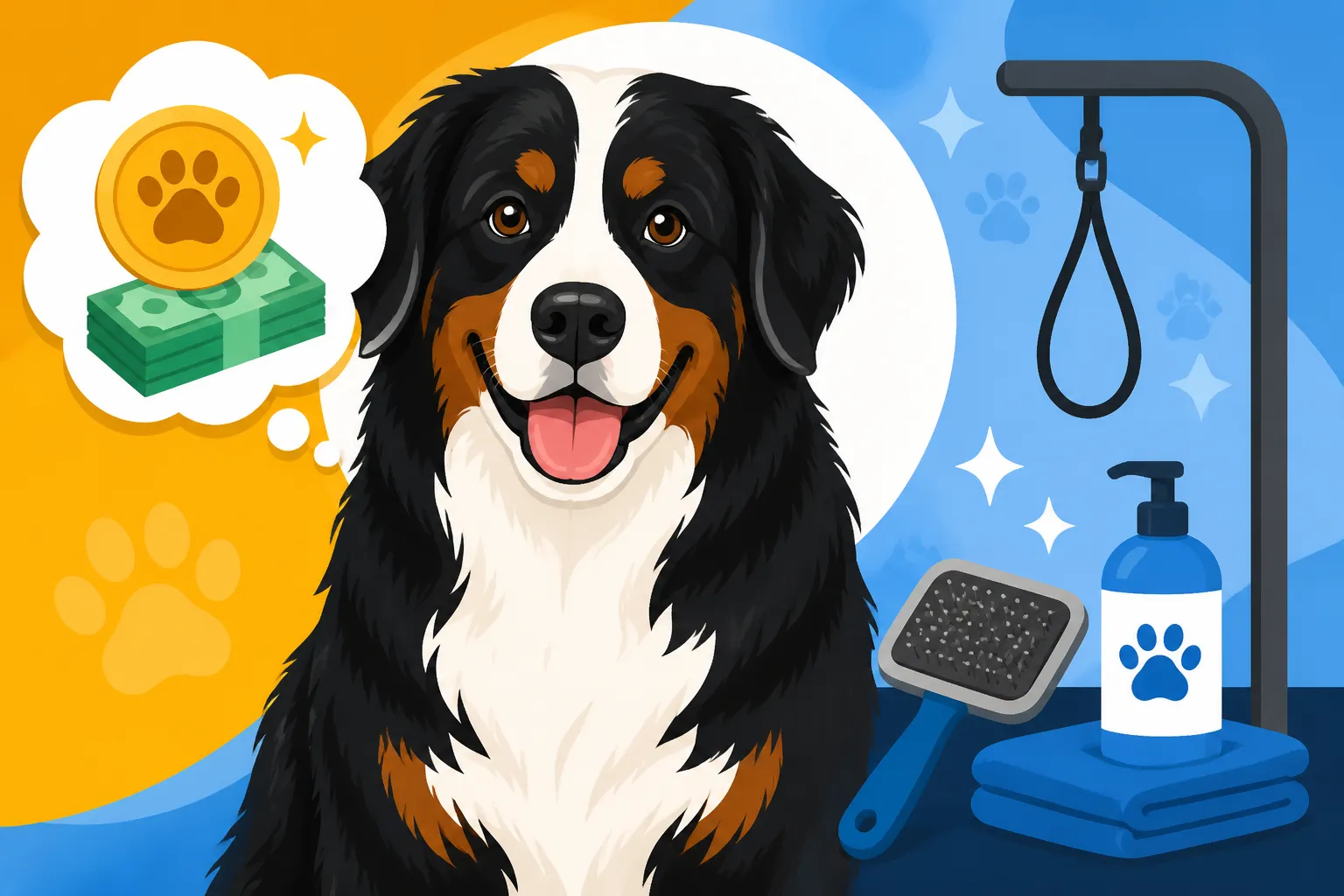
Essential Tools for Home Grooming
To properly groom a Bernese Mountain Dog at home, you'll need a robust arsenal of tools. Skimping here will only lead to frustration and a less effective grooming experience for both you and your dog. Your initial investment will include:
- Undercoat Rake: Absolutely critical for pulling out that dense, loose undercoat, especially during shedding seasons. Without it, you're just skimming the surface.
- Slicker Brush: Great for general brushing, smoothing the topcoat, and working out smaller tangles.
- Pin Brush: Useful for finishing and working through longer feathering without damaging it.
- Wide-toothed Comb: Essential for checking for mats in sensitive areas and ensuring the brush has gone all the way through the coat.
- High-Velocity Dryer: This is often overlooked but is a game-changer. A human hairdryer simply won't cut it for a Berner's thick coat; it'll take hours and still leave them damp, potentially leading to skin problems. A high-velocity dryer quickly blasts out loose hair and moisture, helping to prevent mats and dry them thoroughly after a bath.
- Nail Clippers or Grinder: Keeping those nails trimmed is vital for a large dog's joint health and comfort. Many Berner owners find grinders less intimidating than clippers, but both require practice. You can find excellent options on sites like Chewy that cater to large breeds.
- Dog-Specific Shampoo and Conditioner: Choose formulas designed for double coats and sensitive skin. Human products can strip natural oils and cause irritation.
- Ear Cleaner and Cotton Balls: For routine ear hygiene, especially important if your Berner loves to swim or gets recurring ear issues.
The upfront cost for these quality tools can range from a modest sum to a significant investment, particularly if you opt for a professional-grade high-velocity dryer. However, these tools are built to last, making it a worthwhile investment over your dog's lifetime. Understanding Which Brush a Bernese Mountain Dog's Coat Needs is a great first step.
Time Commitment and Effort
Let's be realistic: grooming a Bernese Mountain Dog yourself is a serious time commitment. It's not a quick five-minute brush-through. For a proper weekly grooming session, you should budget at least an hour, sometimes more, especially during heavy shedding. This involves thorough brushing, checking for mats, and cleaning ears.
Bathing a Berner at home is an even bigger undertaking. Once they're wet, their coat holds an incredible amount of water, making them incredibly heavy. Drying them completely, even with a high-velocity dryer, can take another hour or two. Factor in setting up, cleaning up, and the actual bathing process, and you're looking at a multi-hour project. This physical effort can be quite demanding, especially if you have an older dog or a Berner that isn't thrilled about being groomed. It’s also crucial to teach your Berner to be comfortable with grooming from a young age, as a struggling, hundred-pound dog can make the task nearly impossible. Consistent, positive grooming sessions are key to a relaxed experience for both of you. Many owners wonder How Long Brushing a Bernese Mountain Dog Takes, and the answer is usually "longer than you think!"
The Cost of Products and Replacements
Beyond the initial investment in tools, there are ongoing costs associated with DIY grooming. Shampoos and conditioners, while not astronomically expensive per bottle, will need to be replenished regularly, particularly if your Berner gets frequent baths. Considering the size of a Bernese Mountain Dog, you'll go through products faster than with a smaller breed.
You'll also need to factor in ear cleaner, dog-specific dental hygiene products if you're doing at-home tooth brushing, and potentially paw balm or other specialized skin care items. Nail grinder bands might need replacing, and over time, brushes can wear out or even get chewed up. While individually these items might seem minor, they add up over a year. Shopping for these products online through retailers like Chewy can often provide competitive pricing and convenience, ensuring you always have what you need on hand.
Professional Grooming Services: What to Expect
For many Bernese Mountain Dog owners, the time, effort, and sheer scale of DIY grooming are simply too much. This is where professional groomers become invaluable. However, the cost for a professional groom on a dog of this size and coat type can be a significant budget item.
Standard Grooming Packages
A standard grooming package for a Bernese Mountain Dog typically includes a bath with professional-grade shampoo and conditioner, a thorough blow-dry (often with high-velocity dryers), a full brush-out, nail trimming, and ear cleaning. Some packages might also include a sanitary trim (around the privates) and trimming of the paw pads.
The cost for these services varies widely, but it will generally be on the higher end due to your Berner's size, thick coat, and the extra time and product required. Groomers charge more for larger dogs because they take up more space, require more physical strength to handle, use more shampoo and conditioner, and take considerably longer to bathe and dry. Expect to pay a premium for a groomer who is experienced with giant, double-coated breeds and understands how to properly handle their specific coat needs, such as avoiding shaving, which can damage their unique insulation.
Deshedding Treatments and Specialty Services
Beyond the basic groom, many Bernese Mountain Dog owners opt for specialized services, particularly deshedding treatments. These are highly recommended, especially during seasonal coat blows, as they significantly reduce the amount of loose hair your dog will shed at home. A professional deshedding treatment involves specific shampoos, conditioners, and specialized tools to loosen and remove as much dead undercoat as possible. This service usually comes with an additional charge on top of the standard groom, but it's often worth it for the reduction in shedding you'll see around the house.
Other specialty services that might incur extra fees include dematting (if your dog arrives with significant mats), hand-scissoring for specific trims (like neatening up The Feathering on a Bernese Mountain Dog's Legs), or specialized conditioning treatments for dry skin or coat issues. If your Berner is particularly anxious or reactive during grooming, some groomers might also charge a handling fee due to the extra time and care required. It's always best to be upfront with your groomer about your dog's temperament and coat condition to get an accurate estimate.
Finding a Groomer Experienced with Large, Double-Coated Breeds
This point cannot be stressed enough: not all groomers are created equal, especially when it comes to a Bernese Mountain Dog. A groomer who primarily handles small, short-haired breeds may not have the appropriate tools, facilities, or experience to properly care for a Berner's coat. A common mistake inexperienced groomers make is shaving a Bernese Mountain Dog. While it might seem like a good idea in summer, What Shaving Does to a Bernese Mountain Dog's Insulation is actually detrimental to their temperature regulation and can permanently damage their coat texture.
When searching for a groomer, ask specific questions:
- Do they have experience with Bernese Mountain Dogs or similar double-coated giant breeds?
- What is their policy on shaving double-coated dogs (the correct answer is, they shouldn't unless medically necessary)?
- What deshedding tools do they use?
- Can you tour their facility to see if it accommodates large dogs?
An experienced groomer will not only know how to handle your Berner's coat but also understand their typical temperament, making the experience less stressful for your dog. They might even offer advice on home care, helping you keep your dog in top condition between visits.
Factors Influencing Professional Grooming Costs
The price you pay for professional grooming isn't static; several variables can cause it to fluctuate, sometimes dramatically. Understanding these factors can help you anticipate costs and make informed decisions.
Location, Location, Location
Just like real estate, grooming prices are heavily influenced by geographic location. Groomers in large metropolitan areas or affluent suburbs typically charge more than those in rural or less expensive regions. The cost of living, overhead expenses (rent, utilities, wages), and local demand all play a role in setting prices.
For instance, a groom in a bustling city might easily cost significantly more than the same service in a smaller town. It's always a good idea to call a few different groomers in your immediate area and perhaps a bit further out if you're willing to travel, to compare rates. Don't be afraid to ask for a detailed price breakdown. Sometimes, traveling a little extra can result in substantial savings over the year, especially if you have multiple Berners or schedule frequent appointments.
Coat Condition and Temperament
The condition of your Bernese Mountain Dog's coat when they arrive at the salon is a major factor in the final bill. If your Berner is heavily matted, the groomer will need to spend extra time and effort carefully working out the tangles or, in severe cases, clipping them out. Dematting can be time-consuming, requires specialized tools, and can be uncomfortable for the dog, often resulting in additional fees. Some groomers have a policy of not dematting severe cases, opting instead for a full shave-down to relieve the dog, which then presents its own set of issues for a double-coated breed.
Similarly, your dog's temperament plays a role. A calm, well-behaved Berner who is accustomed to grooming will be easier and quicker to work with. A dog who is anxious, fearful, or reactive, however, may require two groomers, special handling techniques, or extended time, all of which can increase the cost. Many groomers offer "comfort grooms" or sedation grooms in conjunction with a vet for highly anxious dogs, but these are almost always more expensive. Starting early with positive reinforcement training to get your Bernese Mountain Dog used to handling and grooming procedures can save you money and stress in the long run.
Frequency of Grooming
How often you bring your Bernese Mountain Dog to the groomer also impacts the per-visit cost and your overall annual grooming budget. While it might seem counterintuitive, more frequent professional grooms can sometimes lead to lower costs per visit, or at least prevent unexpected spikes.
If you bring your Berner in every 4-6 weeks, their coat is less likely to develop severe mats, shed excessively between visits, or accumulate too much dirt. This means the groomer doesn't have to spend as much time on dematting or intense deshedding, which are often the services that drive up the price. Conversely, if you only bring your Berner in a couple of times a year, the groomer will likely have a much more challenging and time-consuming task on their hands, leading to higher individual service fees. Think of it as preventative maintenance versus emergency repair. A consistent schedule helps keep the coat in optimal condition, benefiting both your Berner's comfort and your wallet.
Long-Term Considerations and Cost-Saving Tips
Grooming a Bernese Mountain Dog is more than just a one-time expense; it's a lifelong commitment. Thinking about the long-term can help you manage costs and ensure your Berner stays happy and healthy.
Health Implications of Poor Grooming
Neglecting your Bernese Mountain Dog's coat can lead to a cascade of health problems, which ultimately translate into vet bills. Severe matting, as mentioned, can cause skin irritation, hot spots, bacterial infections, and fungal issues because air cannot circulate to the skin. These conditions are painful and can require veterinary intervention, including medication, special shampoos, and even sedated clipping to remove the mats safely. Overgrown nails can lead to painful foot issues, arthritis, and even deformities in gait, putting undue stress on their joints. You can read more about Arthritis in a Bernese Mountain Dog by Six to understand these risks.
Ear infections are also common if ear canals aren't cleaned regularly, especially in floppy-eared breeds like the Berner. All these issues require a trip to the veterinarian, and those costs can quickly outweigh what you might have saved by skipping a groom. Having pet insurance, like a policy from Healthy Paws, can certainly help offset unexpected veterinary costs stemming from grooming neglect, but prevention is always the best strategy. Investing in consistent, good grooming is an investment in your Berner's health and can help prevent more serious, expensive problems down the line. You may also want to consider getting The Bernese Mountain Dog Health Panel done regularly to detect any underlying health issues.
Training for Grooming Compliance
One of the most valuable investments you can make in your Bernese Mountain Dog's grooming future is early and consistent positive training for handling and grooming procedures. A Berner that is calm and cooperative during brushing, bathing, and nail trims makes the entire process easier, safer, and less stressful for everyone involved. This is true whether you groom at home or take them to a professional.
Start young, even with a puppy, by gently touching their paws, ears, tail, and all over their body. Make it a positive experience with treats and praise. Introduce brushes, clippers, and even the sound of the high-velocity dryer gradually and with positive associations. If your dog is comfortable being handled, it reduces the risk of injury during grooming and minimizes the likelihood of a groomer needing to charge extra for difficult behavior. Think of it as laying the groundwork for a lifetime of stress-free grooming. You'll find that Training a Bernese Mountain Dog Without Breaking It is a philosophy that applies perfectly to grooming compliance as well.
Strategic Grooming Schedule
Balancing DIY efforts with professional services can be the most cost-effective approach for many Bernese Mountain Dog owners. You don't necessarily have to choose one or the other. A hybrid approach allows you to leverage your own efforts for maintenance while relying on professionals for the tougher, more extensive tasks.
Consider a schedule where you commit to thorough weekly brushing and regular nail trims at home. This keeps the undercoat managed, prevents most mats, and maintains overall coat health. Then, every 2-3 months, schedule a professional groom or a dedicated deshedding treatment. This ensures deep cleaning, a professional-grade blow-dry, and attention to areas you might miss or struggle with, such as meticulous trimming of paw pads and sanitary areas. This approach helps keep your Berner looking and feeling great without breaking the bank on constant professional services. By maintaining their coat in good condition between visits, you'll also likely reduce the cost of those professional grooms, as the groomer won't have to spend as much time on remedial work. You can further reduce pet care costs by ensuring proper nutrition; brands like Ollie focus on fresh, healthy food that can contribute to a healthier coat, making it potentially easier to maintain.
| Grooming Option | Pros | Cons | Typical Costs |
|---|---|---|---|
| DIY Home Grooming | Lower recurring monetary cost | Significant time and physical effort commitment | Upfront tool cost, ongoing product refills |
| Builds bond with dog | Learning curve, potential for missed mats/improper drying | (e.g., ~$150-300+ for initial tools, ~$20-40/month for products) | |
| Flexible scheduling | Requires proper tools and technique for effectiveness | ||
| Professional Groom | Expert handling and specialized tools | Higher per-visit monetary cost | Per-visit fee, extra charges for special services |
| Thorough deshedding and cleaning | Less frequent visits can lead to higher costs due to coat condition | (e.g., ~$80-150+ per standard groom) | |
| Less time/effort required from owner | Finding a knowledgeable Berner groomer can be challenging | ||
| Identifies potential skin issues early |
Disclaimer
This article is for general informational purposes only and does not constitute professional advice. Laws, prices and regulations vary by location and change over time. Consult a qualified professional for guidance on your specific situation.