Whether a Pet-Quality Bernese Mountain Dog Costs Less
It's a common thought when looking for a beloved Bernese Mountain Dog: surely, a "pet-quality" puppy must come with a more manageable price tag than one destined for the show ring or a breeding program, right? Many prospective owners hope that by opting for a puppy deemed less than perfect by breed standards, they can save on the initial purchase price. This guide will delve into what "pet-quality" truly means for Bernese Mountain Dogs, how it impacts the initial cost, and more importantly, how it (or doesn't) affect the comprehensive financial commitment you'll undertake for your furry family member over their lifetime.
Understanding "Pet-Quality" in Bernese Mountain Dogs
When breeders use terms like "pet-quality," "show-quality," or "breeding-quality," it can be incredibly confusing for someone simply looking for a loving companion. It's not about the dog's capacity for love or companionship; it's about how closely they adhere to the detailed written standard of the Bernese Mountain Dog breed.
What "Pet-Quality" Actually Means to a Breeder
For a responsible Bernese Mountain Dog breeder, "pet-quality" doesn't mean a lesser dog, or a dog with health problems, or a dog with a poor temperament. Instead, it typically refers to a puppy that, while otherwise healthy and well-tempered, has a minor cosmetic fault or a conformational trait that makes it unsuitable for the demanding world of dog shows or a carefully planned breeding program. Think of it like a perfectly delicious apple with a tiny bruise – still wonderful to eat, just not "perfect" enough for the fruit stand's display.
These "faults" could be something as subtle as a patch of white that's slightly too large or too small, a tail carriage that's not quite ideal, an ear set that's off by a fraction of an inch, or perhaps even a bite that isn't absolutely textbook perfect. These are traits that absolutely do not impact the dog's health, its ability to run and play, or its wonderful, loving personality as a companion. What a Bernese Mountain Dog breeder asks up front for any puppy should always reflect the extensive work and investment that goes into producing a healthy litter, irrespective of these minor aesthetic nuances.
The Difference Between Show/Breeding Quality and Pet Quality
The key distinction lies in the stringent criteria of the breed standard. A "show-quality" Bernese Mountain Dog is one that the breeder believes has the potential to excel in conformation events, meaning they very closely match the ideal description of the breed in terms of structure, coat, markings, and movement. A "breeding-quality" dog often overlaps with show quality but also carries specific genetic lines and health clearances that make them excellent candidates for passing on desirable traits.
A "pet-quality" Bernese Mountain Dog, on the other hand, might have an otherwise perfect temperament and be structurally sound but possess one or more minor deviations from the breed standard that would penalize them in the show ring. For instance, a Bernese Mountain Dog might have too much white on its chest, or perhaps a slightly less "square" muzzle than the standard specifies. These are purely aesthetic judgments based on a written ideal, not on the dog's inherent worth or future health. It's vital to understand that a good breeder will health test all their breeding stock, so the foundational health of the puppy should be the same, whether it's destined for a show career or a spot on your sofa. You can learn more about What a Fully Cleared Bernese Mountain Dog Litter Sells For.
Upfront Costs: Puppy Price and Breeder Practices
When you're first considering bringing a Bernese Mountain Dog into your home, the initial purchase price of the puppy is often the first financial hurdle you think about. It's natural to wonder if the "pet-quality" designation offers a significant discount.
Why Health Testing is Non-Negotiable for All Puppies
Here's the absolute truth: a responsible breeder will perform comprehensive health testing on their breeding dogs, regardless of whether the resulting puppies are deemed "pet-quality" or "show-quality." This isn't an optional extra; it's a fundamental ethical practice to ensure the health of the puppies they produce. These tests typically include screenings for hip and elbow dysplasia, eye conditions, heart issues, von Willebrand disease, and degenerative myelopathy. These are critical steps in trying to mitigate the common health challenges that can affect Bernese Mountain Dogs, which unfortunately include a predisposition to certain cancers and orthopedic problems.
The cost of these screenings – including the fees for specialists, X-rays, and genetic testing – is significant, and it's built into the price of every puppy from a reputable breeder. So, if you find a puppy advertised at a drastically lower price because it's "pet-quality," but the breeder hasn't performed these essential health clearances on the parents, that's a huge red flag. A bargain upfront can lead to devastating and expensive health issues down the line. We dive deeper into this in The Bernese Mountain Dog Health Panel and Genetic Testing Before Breeding a Bernese Mountain Dog.
The Impact of "Pet-Quality" on the Initial Purchase Price
In some cases, a reputable breeder might offer a slight reduction in price for a pet-quality puppy compared to one with absolute show potential. However, this difference is usually not huge, certainly not enough to justify skipping a properly health-tested litter. The reason for any small discount isn't that the "pet-quality" puppy is inherently less valuable, but rather that the breeder has no intention of campaigning that dog in the show ring, saving them future time and money on showing, or the potential for breeding fees if the dog were to be bred.
Often, the biggest difference with a pet-quality puppy is that it will be sold on a limited registration with the American Kennel Club (AKC) or other national kennel clubs. This means the dog is registered, but any offspring it produces cannot be registered. This is also accompanied by a strict spay/neuter contract, ensuring that the dog is enjoyed solely as a companion and not bred, which is a key part of responsible breeding practices to prevent unintentional propagation of less-than-ideal traits or the health issues that can come from uninformed breeding. If you see a breeder selling puppies for a significantly reduced price without any health clearances, that's Why a Bernese Mountain Dog Under Fifteen Hundred Worries Breeders.
What a Bernese Mountain Dog Breeder Asks Up Front
Typically, you'll put down a deposit to reserve a puppy from a reputable breeder. This deposit secures your spot on their waiting list and is a commitment to the puppy. The remaining balance is paid when you pick up your puppy. Beyond the initial purchase price, you'll need to budget for first-year puppy expenses: a crate, bedding, bowls, toys, a leash and collar, initial vet visits, vaccinations, and microchipping. These items are the same for any Bernese Mountain Dog puppy, regardless of its "quality" designation.
A responsible breeder will also provide a health guarantee, often covering specific genetic conditions for a certain period. This isn't just a nicety; it's a testament to their commitment to the health of their lines. Understanding The Four OFA Clearances on a Bernese Mountain Dog will help you verify the breeder's claims.
Long-Term Expenses: Where the Real Costs Lie
The initial puppy price is just the tip of the iceberg when it comes to the true cost of owning a Bernese Mountain Dog. The long-term expenses, which absolutely do not differentiate between "pet-quality" and "show-quality" dogs, are where the significant financial commitment lies.
Veterinary Care and Health Challenges
This is perhaps the most critical area where the "pet-quality" label makes absolutely no difference. Bernese Mountain Dogs, as a breed, are known for a shorter average lifespan and a predisposition to certain health conditions, notably cancer. Why a Bernese Mountain Dog Lives Only Seven or Eight Years highlights these concerns. A "pet-quality" Bernese Mountain Dog is just as susceptible to these issues as any other Bernese. Regular veterinary check-ups, vaccinations, parasite prevention, and unexpected illnesses or injuries will be a constant, often substantial, expense.
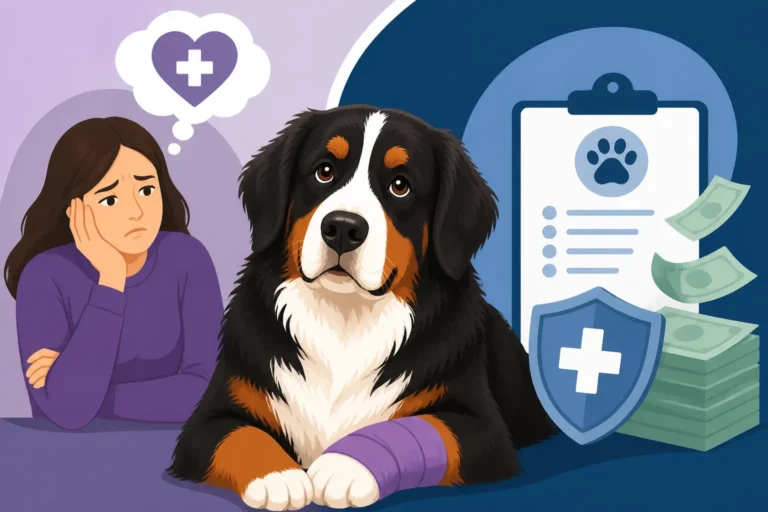
Unfortunately, many Bernese Mountain Dogs face serious health crises like cancer, including histiocytic sarcoma, lymphoma, and mast cell tumors. Treating these conditions can involve extensive diagnostics, surgeries, chemotherapy, and palliative care, leading to incredibly high bills. These Oncology Bills a Bernese Mountain Dog Owner Faces can easily reach into the tens of thousands of dollars. This is precisely why many Bernese owners opt for pet insurance, such as policies offered by Healthy Paws, which can help mitigate the financial shock of a major illness. It's a lifeline for many families facing heartbreaking diagnoses.
Here's a quick look at potential veterinary expenses:
| Expense Category | Description | Frequency |
|---|---|---|
| Routine Vet Visits | Annual check-ups, vaccinations, fecal exams, heartworm tests, nail trims. | Annually |
| Preventative Medications | Heartworm, flea, and tick prevention. These are ongoing, especially for a large dog. | Monthly/Quarterly |
| Emergency Vet Care | Unforeseen accidents, sudden illnesses (e.g., bloat, acute injuries). | Unpredictable |
| Specialist Consultations | For orthopedic issues (hip/elbow dysplasia), eye problems, or oncology (cancer treatment). | As needed |
| Chronic Disease Management | Medications and supportive care for conditions like arthritis, allergies, or other long-term ailments. | Ongoing |
| Diagnostic Tests | X-rays, ultrasounds, blood work, biopsies if health issues arise. | As needed |
| Spay/Neuter Surgery | A one-time cost, often required by breeder contracts for pet-quality dogs. | Once (puppy/adult) |
Food, Grooming, and Supplies
Bernese Mountain Dogs are big dogs, and big dogs eat a lot! Feeding a hundred-pound Bernese Mountain Dog monthly with high-quality large-breed specific food is a significant ongoing cost. Companies like Chewy offer convenient auto-ship options for large bags of kibble, and specialized fresh food services like Ollie can cater to their nutritional needs, but these choices come with their own price points. Remember, proper nutrition is vital for supporting their large frames and overall health.
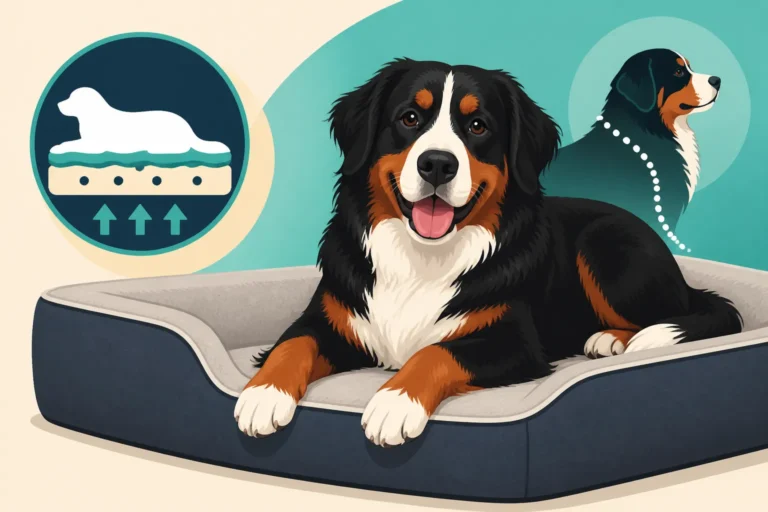
Beyond food, their magnificent triple coat requires regular grooming. This isn't just for aesthetics; it's crucial for their comfort and health. While you can do much of it at home, professional grooming for de-shedding, bathing, and trimming can be an expense, especially for a dog that is literally too big to lift easily into a standard bathtub. You'll also need sturdy leashes, collars, a spacious crate, durable toys, and orthopedic beds to support their joints as they age. This is detailed further in Grooming a Bernese Mountain Dog's Long Tricolor Coat.
Training and Socialization
A large, powerful breed like the Bernese Mountain Dog absolutely requires consistent training and extensive socialization from a young age. This isn't just about good manners; it's about ensuring your dog is a well-adjusted, safe, and enjoyable member of the family and community. Whether you opt for puppy classes, private trainers, or simply invest significant time yourself, this is a non-negotiable "cost" – even if it's primarily an investment of your time and effort. A Bernese Mountain Dog that leans on everyone might be cute as a puppy, but a hundred-pound adult doing it is a different story. Therefore, investing in their early education is paramount.
The True Value of a Pet-Quality Bernese Mountain Dog
Ultimately, the designation of "pet-quality" for a Bernese Mountain Dog is largely an arbitrary label for families simply seeking a loving companion. The true value lies in the health, temperament, and joy they bring into your home, not in whether they could win a ribbon at a dog show.
Focusing on Health and Temperament Over Show Ring Potential
When choosing any Bernese Mountain Dog, your primary focus should always be on the health clearances of the parents and the temperament of the individual puppy and its lineage. These factors will dictate your dog's quality of life and your shared journey far more than any minor cosmetic imperfection. A responsible breeder will prioritize these aspects in all their puppies, regardless of whether they're designated as "pet" or "show" quality.
Don't let the allure of a slightly lower upfront cost distract you from asking the crucial questions about health testing and the breeder's practices. A healthy, well-socialized Bernese Mountain Dog, even with a "flawed" marking, will be a cherished family member.
The "Cost" of a Bargain Puppy
It bears repeating: a significantly cheaper Bernese Mountain Dog puppy often comes from a breeder who has skipped essential health testing on the parents. This seemingly low upfront cost is almost always a gamble that can result in exorbitant veterinary bills down the road, not to mention the emotional toll of dealing with a chronically ill dog. Conditions like severe hip dysplasia or early-onset cancer are not only heartbreaking but financially devastating. The price difference between a responsibly bred "pet-quality" puppy and a truly cheap, poorly bred one pales in comparison to the costs of treating preventable genetic diseases. Considering What a Bernese Mountain Dog Costs Over Its Whole Life makes this abundantly clear.
A Bernese Mountain Dog's Life Beyond the Price Tag
In the end, bringing a Bernese Mountain Dog into your life is an investment of time, love, and resources, regardless of its "quality" designation. The unique bond you'll share, the unwavering companionship, and the sheer joy they bring are priceless. While the initial purchase might be slightly less for a "pet-quality" puppy from a reputable breeder, understand that the vast majority of the financial commitment will be in their ongoing care, health, and happiness. Choose wisely, prioritize health and temperament, and you'll find that your Bernese Mountain Dog, whether "pet-quality" or otherwise, enriches your life in immeasurable ways.
Disclaimer
This article is for general informational purposes only and does not constitute professional advice. Laws, prices and regulations vary by location and change over time. Consult a qualified professional for guidance on your specific situation.