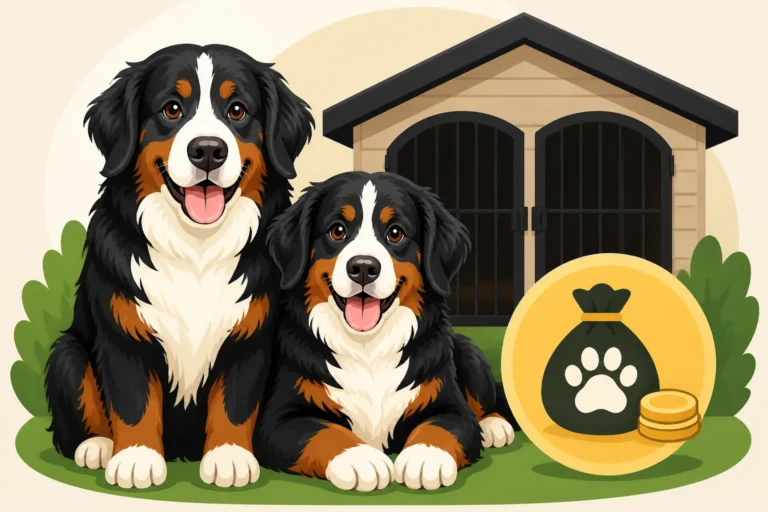
Draft Test Entry Fees for a Bernese Mountain Dog
Thinking about getting your magnificent Bernese Mountain Dog into draft work? It's a truly wonderful way to connect with their heritage and build an incredible bond, a tradition passed down through generations. But let's be real, embarking on any dog sport journey comes with its own set of practical considerations, and understanding the financial commitment, especially when it comes to competition like draft tests, is a huge part of being a responsible owner. This guide is here to shed some light on the various fees you might encounter when entering your Berner in a draft test, helping you budget and prepare for this rewarding adventure.
Understanding the Basics of Bernese Mountain Dog Draft Tests
Before we dive into the nitty-gritty of fees, it’s helpful to understand what a draft test actually is and why these costs exist. For many Bernese Mountain Dog owners, draft work isn't just a sport; it's a way to tap into the deep-seated instincts of their dogs, honoring the historical role these gentle giants played on Swiss farms. You see them, proudly pulling carts, looking like they were born to do it, and in a way, they were. These tests aren't just about strength; they're about control, teamwork, and the inherent bond between dog and handler.
What is a Draft Test?
A draft test is essentially a structured examination designed to evaluate a Bernese Mountain Dog's natural working abilities and its training as a draft dog. It’s not just about hooking them up to a cart and letting them pull. Oh no, it’s much more refined than that! The tests assess their willingness, control, and ability to perform various tasks while hitched to a cart or wagon. This includes navigating obstacles, backing up, doing a controlled "freight haul" over a distance, and performing a "group stay" where the dog remains with its cart while the handler is away. It’s a true test of their temperament, obedience, and physical conditioning, all wrapped up in one event. The whole point is to demonstrate that your Berner can work calmly and efficiently, showing both strength and a cooperative spirit. It’s an incredibly impressive display when done well, showcasing years of dedicated training and a deep mutual understanding between dog and owner. What a Draft Test Asks of a Bernese Mountain Dog goes into more detail about these requirements.
Who Sanctions These Tests?
The primary organizations sanctioning Bernese Mountain Dog draft tests in North America are the Bernese Mountain Dog Club of America (BMDCA) and, occasionally, the American Kennel Club (AKC) through their companion event program. The BMDCA is the national parent club for the breed, and they have established a comprehensive set of rules and regulations specifically tailored to the Bernese Mountain Dog and its unique abilities. These tests are often hosted by regional BMDCA clubs or all-breed clubs that have a strong Bernese Mountain Dog presence and members passionate about draft work. When you enter a test, you'll almost always be doing so through a local club that is affiliated with the national organization, ensuring that the judging standards and test requirements are consistent across the country. These clubs put in a tremendous amount of volunteer effort to organize these events, from securing suitable venues to coordinating judges and volunteers, all of which factors into the costs involved.
Levels of Competition and Why They Matter for Fees
Just like in many other dog sports, draft tests aren't a one-size-fits-all affair. There are different levels of competition, each designed to challenge dogs and handlers progressively. Typically, you'll start at the Novice Draft Dog (DD) level, which introduces basic maneuvers and control. From there, you might progress to Open Draft Dog (DDX), Brace Draft Dog (BDD) if you're working two dogs together, and eventually, a Versatility Draft Dog (VDD) title. Each level builds upon the previous one, requiring more precision, longer hauls, and greater complexity in tasks. The level you enter often influences the entry fee. While the base entry fee might be similar across levels, sometimes more advanced tests, especially those requiring specific equipment or longer courses, might have slightly adjusted fees. For example, a brace test requires more space and potentially more judge oversight, sometimes reflected in the cost. Understanding these levels helps you plan your training and progression, and consequently, your budgeting for each competition. Don't worry about tackling The Twenty Pound Load a Novice Berner Carts too quickly; take your time.
Deconstructing the Entry Fees for a Bernese Mountain Dog Draft Test
Now let’s get down to the actual money you'll be spending just to get your Berner through the gate and onto the course. It’s not just one lump sum; these fees are usually broken down into several components, each covering a different aspect of putting on the event. It’s a lot like attending a big concert; you have the ticket price, but then there are service fees, parking fees, and maybe even a program fee. Dog shows and performance events are no different.
Base Entry Fees: What Do They Cover?
The base entry fee is the most substantial part of what you pay to enter a draft test. This fee covers the fundamental costs associated with hosting the event. Think of it as the bedrock upon which the entire test is built. A significant portion goes towards compensating the experienced judges who evaluate each team's performance, ensuring fairness and adherence to the breed standard for draft work. These aren't just any dog owners; they are often individuals with years of experience in the breed and in draft work, sometimes even traveling from out of state.
Beyond the judges, the base fee also covers the rental of the testing facility itself – a large, safe space that can accommodate multiple carts and dogs. This might be a fairground, a private training facility, or even a large park area. There are also administrative costs: printing entry forms, processing entries, mailing out confirmations, and preparing the official results. Lastly, a portion helps cover awards, ribbons, and any necessary equipment rental for the day, like cones or specific obstacles. It's truly an all-encompassing fee that allows the event to happen.
Additional Charges You Might See
While the base entry fee covers a lot, it’s not always the only fee you'll encounter. Sometimes, event organizers will have additional, smaller charges that are either optional or situational. For instance, a "catalog fee" might be added if you wish to purchase the official event catalog, which lists all the entries, judging schedules, and sometimes a bit of information about the host club. Many people find these valuable souvenirs!
You might also see a parking fee, especially if the event is held at a venue that charges for parking, like a state fairground or a large park. This isn't uncommon and is usually clearly stated in the premium list (the official document outlining the event details). Less frequently, there might be a "working dog surcharge" for certain classes or for non-members of the host club, though this varies greatly by event. Always read the premium list thoroughly; it's your bible for understanding all the fees and rules for that specific test.
Membership Requirements and Their Impact
Being a member of the BMDCA or a local Bernese Mountain Dog club can actually save you money in the long run, or at least open doors to opportunities you might otherwise miss. Many clubs offer a discounted entry fee for their members. This is a common practice, as it encourages participation and supports the club’s mission. The BMDCA Fees and What a Berner Owner Pays will give you a good idea of typical membership costs.
Consider the annual membership fees for these organizations as an investment. Not only do you get potential discounts on test entries, but you also gain access to training seminars, workshops, and a community of experienced Berner owners and draft enthusiasts. These resources can be invaluable, especially when you're just starting out. Often, the savings from just one or two discounted entries can offset a good portion of your annual membership fee. Plus, being part of these clubs means you're supporting the breed and the preservation of its working heritage, which is a reward in itself.
Here's a quick look at how various fees can add up:
| Fee Component | Description | Typical Cost (Estimate) | Notes |
|---|---|---|---|
| Base Entry Fee | Main fee covering judges, venue, administration, ribbons. | $40 – $75 per entry | Varies by club, location, and test level. |
| Catalog/Program Fee | Optional purchase of the event program with entry lists and schedule. | $5 – $15 | Usually optional. |
| Parking Fee | If the venue charges for parking. | $0 – $10 | Varies by venue. |
| Working Dog Surcharge | Sometimes applied for non-members or specific non-regular classes. | $10 – $25 | Less common, but check premium list. |
| Late Entry Fee | Penalty for submitting entry after the official closing date. | $15 – $30 | Avoid by entering early! |
| BMDCA Membership | Annual fee for the national breed club, often provides entry discounts. | Check BMDCA website | Can save money on entry fees. |
| Local Club Membership | Annual fee for regional clubs, often hosts training and events, potential discounts. | Check local club website | Great for networking and local training opportunities. |
Please remember, these are just estimates, and actual fees can vary widely depending on the specific club, location, and year. Always consult the official premium list for the most accurate and up-to-date information for any specific test.
The Hidden Costs Beyond Just the Entry Fee
It would be lovely if the entry fee was the only cost you ever had to worry about, wouldn't it? Unfortunately, like any passion, draft work comes with a few "hidden" expenses that aren't listed on the entry form but are absolutely essential for you and your Bernese Mountain Dog to participate successfully and safely. These are the costs that often surprise new enthusiasts, so let's get them out in the open.
Training Expenses
This is arguably the most significant "hidden" cost, but also the most rewarding investment. Before your Bernese Mountain Dog can confidently pull a cart through a test, they need solid training. This means obedience classes, specialized draft training workshops, or even private lessons with an experienced instructor. While some exceptionally dedicated individuals manage to self-train, most owners benefit immensely from professional guidance, especially with a large, powerful breed like a Berner. These classes aren't just about teaching your dog to pull; they're about teaching control, focus, and a willing attitude while hitched.
Beyond formal classes, there's the initial investment in equipment. You’ll need a proper draft harness, which needs to fit perfectly to prevent injury and allow for comfortable work. Then, of course, there's the cart itself! Carts range from basic, functional models to beautifully crafted wooden wagons. The prices for these can vary dramatically. You might find great deals on used equipment, or you might choose to invest in new, custom-made pieces. Online retailers like Chewy offer some basic training accessories, but for specialized draft gear, you'll often look to dedicated manufacturers or local craftspeople. All of this can add up quickly, but it’s foundational to your success. Carts and Harness for a Drafting Bernese Mountain Dog can help you explore equipment options.
Travel and Accommodation
Unless you are incredibly lucky and live right next door to every draft test you wish to enter, travel and accommodation will be a factor. Bernese Mountain Dog draft tests are held in various locations, and sometimes the best opportunities or most suitable judges are a drive away. Fuel costs for transporting a large dog and a cart can add up, especially if you're traveling a significant distance. Many owners opt for an SUV or truck to comfortably fit their Berner and their gear.
Then there's the question of where you and your dog will stay. Finding dog-friendly hotels or campsites can be a challenge, and they often come with additional pet fees. If a test is a two-day event, you'll definitely need lodging. Packing meals, bringing along your dog's regular food (perhaps from a subscription service like Ollie to ensure consistent nutrition on the road), and planning for comfortable downtime for your Berner are all part of the logistical puzzle. These costs fluctuate wildly based on distance, duration, and your personal travel preferences, but they are absolutely something to factor into your budget.
Health Clearances and Vet Checks
Participating in any demanding dog sport, including draft work, necessitates that your Bernese Mountain Dog is in peak physical condition. This isn't just about preventing injuries during the test; it's about responsible ownership and ensuring your dog's overall well-being. Many draft clubs and national organizations require specific health clearances before a dog can compete, especially at higher levels or if you intend to breed. This typically includes certifications for hips and elbows from the Orthopedic Foundation for Animals (OFA), as well as eye clearances. The Four OFA Clearances on a Bernese Mountain Dog provides more details on what these involve.
These clearances involve veterinary visits and specialized imaging, which incur their own set of fees. Beyond the official clearances, regular veterinary check-ups are paramount. Your vet will ensure your Berner is healthy enough for the physical exertion of draft work, check for any underlying conditions, and keep their vaccinations up to date. While pet insurance from providers like Healthy Paws can help manage unexpected veterinary bills, the routine costs of these preventative health measures are typically out-of-pocket and a necessary component of your draft work budget. A fit and healthy Berner is a happy and safe Berner, both on and off the course.
Budgeting for Your Bernese Mountain Dog's Draft Career
Let's face it, owning a Bernese Mountain Dog is already a significant financial commitment, as anyone who has looked into What Buying a Bernese Mountain Dog Actually Costs knows. Adding a competitive sport like draft work only increases that. But with careful planning and smart choices, you can make this dream a reality without breaking the bank. It's all about being realistic and proactive in your financial approach.
Strategies to Manage Costs
There are several smart ways to keep your draft work expenses in check. First and foremost, get involved with your local Bernese Mountain Dog club. These clubs are often a goldmine of resources. They host training days that are typically much cheaper than private lessons, offer equipment sharing or rental programs, and their members frequently have used harnesses or carts for sale at reduced prices. Networking within the club can also connect you with experienced mentors who are willing to share their knowledge for free or a minimal fee, saving you a lot on initial training advice.
Another strategy is to DIY where you can. Simple obstacles for practice can often be built from materials found at a hardware store, rather than buying expensive specialized equipment. If you're handy, you might even consider building your own cart, which can significantly cut down on the equipment cost. Finally, carpooling and splitting accommodation with other participants can dramatically reduce travel expenses for out-of-town tests. Many Berner owners are a friendly bunch and happy to share the journey.
The Long-Term Investment
While the upfront costs of training and equipment, coupled with entry fees, might seem daunting, it's helpful to view draft work as a long-term investment. This isn't just about earning titles; it's about enhancing your dog's physical and mental well-being, strengthening your bond, and honoring their heritage. The skills learned in draft work, such as advanced obedience and control, translate into a better-behaved companion in everyday life. A Bernese Mountain Dog that is mentally stimulated and physically exercised is generally a happier, healthier dog, potentially leading to fewer behavioral issues and a more harmonious household.
The durability of quality draft equipment means that a well-maintained harness and cart can last for years, even decades, and can often be resold if your circumstances change. The knowledge and experience you gain are priceless, allowing you to train future Berners or even help newcomers to the sport. So, while the immediate outlays are real, the long-term benefits in terms of companionship, satisfaction, and your dog's quality of life far outweigh the monetary cost for many enthusiasts.
Leveraging Resources
Don't feel like you have to navigate the world of draft work alone. There are numerous resources available to help you make informed decisions and manage costs. As mentioned, your local Bernese Mountain Dog club is a fantastic starting point. They often have dedicated draft chairs or committees that can guide you. Online forums and social media groups focused on Bernese Mountain Dogs and draft work are also excellent places to ask questions, seek advice, and find used equipment for sale.
Some Bernese Mountain Dog rescue organizations, while primarily focused on rehoming, might also have networks that can offer guidance or support for owners interested in activities like draft work, especially for older dogs who might benefit from a new sport. Don't be afraid to reach out to experienced handlers you see at events; many are thrilled to share their passion and knowledge with new enthusiasts. Remember, the Berner community is generally a supportive one, and leveraging these connections can make a huge difference in your journey, both financially and in terms of learning. What a Bernese Mountain Dog Costs Over Its Whole Life will help you consider the broader financial picture.
Disclaimer
This article is for general informational purposes only and does not constitute professional advice. Laws, prices and regulations vary by location and change over time. Consult a qualified professional for guidance on your specific situation.