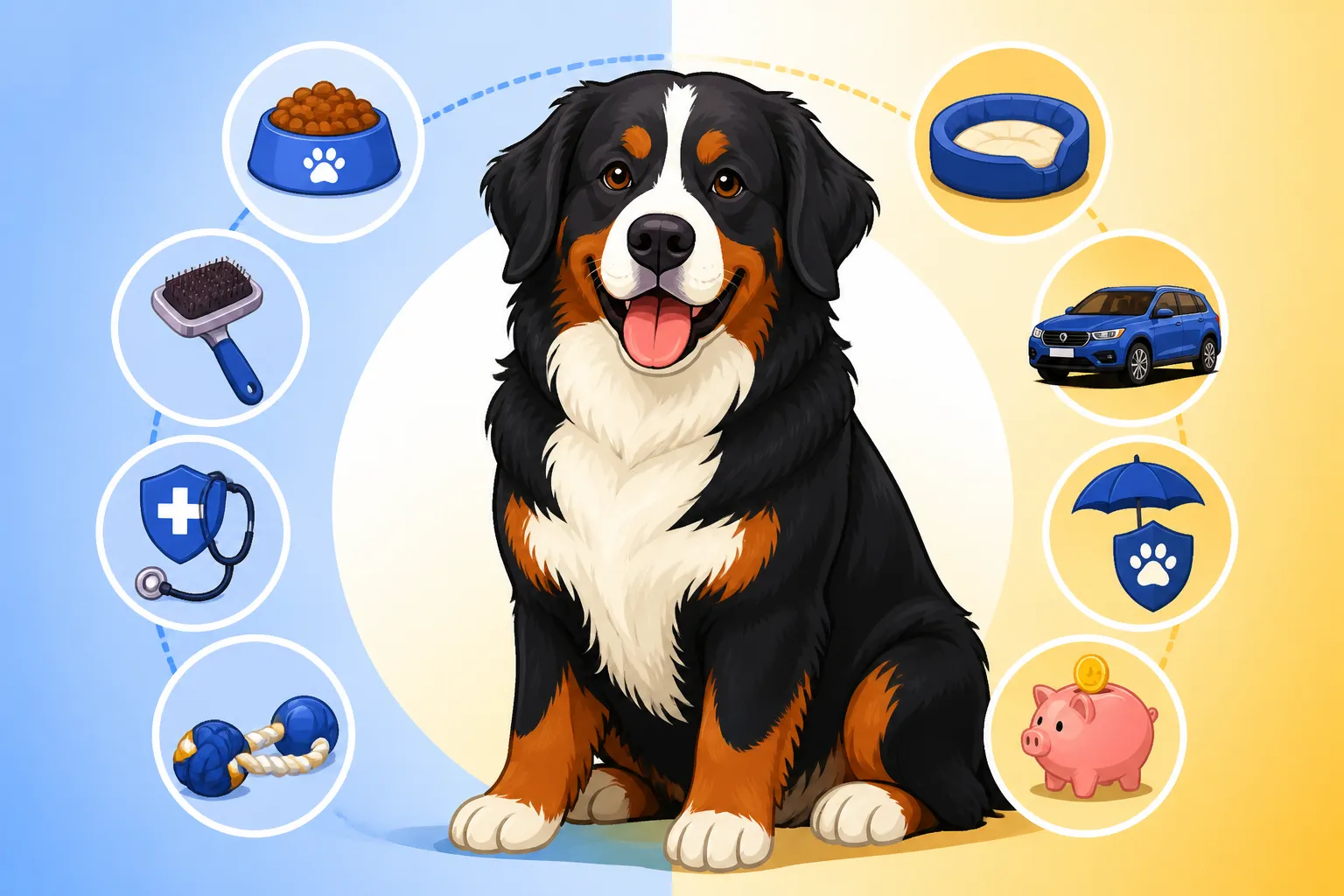
What a Bernese Mountain Dog Costs Over Its Whole Life
Many people dream of bringing a beautiful Bernese Mountain Dog into their family, captivated by their gentle giants and their stunning tri-color coats. What often isn't fully grasped, however, is that the price tag you pay for your puppy is only the very first step in a significant financial commitment stretching across their entire lifespan. This guide will walk you through the real, often surprising, costs involved in owning a Bernese Mountain Dog from puppyhood through their senior years, helping you plan for every stage of their life.
The Initial Investment: Bringing Your Berner Home
The moment you decide to welcome a Bernese Mountain Dog into your life, the costs begin. This isn't just about the puppy itself; it's about setting them up for success and ensuring a safe, comfortable start in their new home. Many folks are prepared for the adoption fee or purchase price, but the accessories and initial vet visits can quickly add up.
Puppy Purchase Price
Let's be real, a well-bred Bernese Mountain Dog puppy from a reputable, health-testing breeder is not going to be cheap. These breeders invest heavily in health clearances for their breeding stock, proper nutrition for the pregnant dam and puppies, early socialization, and often, early vet checks and vaccinations. They are striving to produce healthy, stable dogs that embody the breed standard. This upfront cost reflects that dedication. You might see ads for Berners under a certain price point, but be wary; these often indicate a lack of proper health testing or care, which can lead to heartbreakingly expensive health issues down the line. It's a classic "pay now or pay much, much more later" scenario.
On the other hand, a Bernese Mountain Dog from a "backyard breeder" or a puppy mill might seem more affordable initially. However, these puppies often come without proper health guarantees or verifiable pedigrees, meaning you’re taking a huge gamble on their long-term health and temperament. The cost of dealing with severe hip dysplasia, early-onset cancer, or behavioral problems due to poor socialization can dwarf any initial savings. It’s a harsh truth, but scrimping on the purchase price often means a lifetime of expensive veterinary bills and emotional heartache. Always look for a breeder who is transparent about their health testing, can provide references, and allows you to meet the puppy's parents.
Adoption Fees
If you're considering adopting an adult Bernese Mountain Dog from a rescue organization, the upfront costs are typically lower than buying a puppy from a breeder. Rescue fees usually cover a portion of the dog's veterinary care, including spaying or neutering, vaccinations, microchipping, and sometimes even a basic health check-up. These organizations do incredible work, and often, they’ve already addressed many of the initial medical needs.
While adoption fees are generally less than a breeder's price, it's essential to remember that an adopted Berner might come with an unknown history. They could have underlying health issues or behavioral quirks that weren't immediately apparent. Reputable rescues are usually very upfront about any known conditions and will often provide vet records. However, bringing home an adult dog, especially a large breed, still means you need to be ready for potential surprises and ongoing care tailored to their individual needs.
Initial Supplies and Setup
Beyond the cost of the dog itself, you'll need to outfit your home for a large breed puppy or adult. This isn't just a few toys and a bowl; Bernese Mountain Dogs grow fast and need sturdy, appropriately sized equipment. Think a robust crate that can accommodate a hundred-pound adult, durable food and water bowls (often elevated to help with digestion and bloat prevention), a strong leash and collar or harness, and plenty of safe, large-breed appropriate chew toys.
You’ll also need to factor in their first bag of food, which, for a large breed puppy, will be specifically formulated for controlled growth. While you can find many items at local pet stores, online retailers like Chewy often offer a wider selection of sizes and brands, with convenient delivery for those heavy bags of kibble or giant dog beds. Don't forget grooming tools like brushes and nail clippers, cleaning supplies for inevitable puppy accidents, and perhaps even baby gates to cordon off areas of your home. These initial setup costs can easily run into several hundred dollars before your new family member even settles in.
The Ongoing Ledger: Annual & Recurring Expenses
Once your Bernese Mountain Dog is home, the regular rhythm of ownership begins. These are the costs that form the bulk of your lifetime expenses, year after year, for perhaps seven to eight years – sometimes longer, if you're lucky! These expenses are non-negotiable for a healthy, happy life.
Food Costs
Feeding a Bernese Mountain Dog is a significant ongoing expense. They are a large breed with hearty appetites. A growing puppy will consume a specific large-breed puppy formula, often several large bags a month, to support their rapid growth without causing bone or joint issues. As they transition to adulthood, they'll need a high-quality adult formula. Many Berner owners find themselves buying premium kibble, or even exploring fresh food options like Ollie, to ensure their dog receives optimal nutrition.
The cost isn't just about the quantity, but the quality. Large breed dogs have specific nutritional needs, particularly concerning calcium and phosphorus levels during their rapid growth phase, to prevent developmental orthopedic diseases. As they age, their dietary needs might shift again, requiring senior formulas or specialized prescription diets if health issues arise. Over a dog's lifetime, food can easily become one of the top three expenses, especially if you consider treats, dental chews, and any supplements like joint support that you might add to their daily routine.
Veterinary Care
Regular veterinary care is absolutely critical for a Bernese Mountain Dog, and these costs accumulate over their lifetime. In their first year, puppies require a series of vaccinations, deworming, and regular check-ups. Then there's the spay or neuter surgery, which for a large breed can be more expensive due to anesthesia and surgical time. Many Berner owners also opt for a prophylactic gastropexy during spay/neuter to prevent bloat, a life-threatening condition common in deep-chested breeds.
As adults, yearly wellness exams, booster vaccinations, heartworm prevention, and flea/tick control are standard. However, Berners are predisposed to several health conditions, making regular check-ups even more important. The Bernese Mountain Dog Health Panel is something many proactive owners consider, involving various screenings. As they enter their senior years, around five or six, semi-annual vet visits become advisable, with more frequent blood work and diagnostic tests to catch age-related illnesses early. These preventative measures, while an expense, can save you from far more costly emergency treatments down the road.
Grooming
That gorgeous, long tri-color coat doesn't maintain itself! Bernese Mountain Dogs are heavy shedders, especially during seasonal coat blows. While you can do much of the grooming at home, you'll need a good collection of tools: a sturdy slicker brush, an undercoat rake, and possibly a high-velocity dryer to manage the shed. Regular brushing, ideally several times a week, is essential to prevent mats and keep their skin healthy.
Professional grooming can be expensive for a dog of this size, especially if they require de-shedding treatments or extensive dematting. Even if you do most of the brushing yourself, you might opt for professional baths periodically, or nail trims if you're not comfortable doing them yourself. Don't forget ear cleaning and dental care; regular tooth brushing at home can reduce the need for costly professional dental cleanings under anesthesia. All these grooming efforts are not just for aesthetics; they contribute significantly to your Bernese Mountain Dog's overall health and comfort.
Pet Insurance
For a Bernese Mountain Dog, pet insurance isn't a luxury; it's practically a necessity. Berners are unfortunately predisposed to a range of costly health issues, including various cancers, hip and elbow dysplasia, and bloat. Insuring a Bernese Mountain Dog Against Cancer is a common strategy for owners, as cancer treatments can run into the tens of thousands of dollars. The short lifespan of the breed, often only seven to eight years, means that many will face significant health challenges in their prime or senior years.
This predisposition to serious illnesses is also Why the Bernese Mountain Dog Is Expensive to Insure. Insurers know the risks, and premiums reflect that. However, even with higher premiums, a good policy can be a lifesaver when an emergency strikes or a chronic condition requires ongoing treatment. Companies like Healthy Paws are popular choices, often covering unexpected illnesses and accidents. It's crucial to enroll your Berner when they are young and healthy, as pre-existing conditions are typically not covered. Review policy details carefully to understand deductibles, reimbursement rates, and annual limits.
Training and Enrichment
Training is an ongoing commitment, especially with a large, strong-willed breed like the Bernese Mountain Dog. Puppy classes are a great start for socialization and basic obedience. However, formal training often continues into adolescence, focusing on leash manners—essential for managing a hundred-pound dog—and advanced obedience. A well-trained Berner is a pleasure to live with, and investing in positive reinforcement training can prevent future behavioral issues that might require costly intervention from a specialist.
Beyond formal classes, enrichment is vital for their mental and physical well-being. This includes durable toys, puzzle feeders, regular walks, and perhaps even activities like carting or therapy work. Berners thrive on having a job to do and being involved with their families. Without adequate stimulation, they might develop destructive behaviors, leading to property damage or even anxiety. Finding ways to engage their minds and bodies, even simple things like long-lasting chews or interactive play, contributes to their overall health and happiness, reducing the likelihood of boredom-induced issues. For example, some Berners love to "lean" on their people; understanding this breed trait, as explored in The Bernese Mountain Dog That Leans on Everyone, helps you provide appropriate interaction and training rather than letting it become an issue.
Unexpected Events and Specialized Care: The Big Bills
This category is where the true financial impact of Bernese Mountain Dog ownership can hit hardest. While you hope to avoid them, unexpected health crises and chronic conditions are unfortunately common and can lead to staggering bills. These are the costs that make pet insurance an even wiser investment.
Emergency Vet Visits
Bernese Mountain Dogs, despite their robust appearance, can be prone to sudden, life-threatening emergencies. Bloat (Gastric Dilatation-Volvulus) is a prime example. This condition, where the stomach twists, can kill a Berner in a matter of hours. Recognizing the signs and getting immediate veterinary attention is critical; The Half-Hour That Decides a Bloated Bernese Mountain Dog can literally be the difference between life and death. Emergency surgery for bloat is incredibly expensive, often running into several thousand dollars, not including follow-up care.
Beyond bloat, their size makes them susceptible to injuries like torn cruciate ligaments, which also require costly surgery. Accidents like ingesting foreign objects, sudden illnesses, or acute injuries can lead to emergency room visits, diagnostics (X-rays, ultrasounds, blood tests), and potentially overnight hospitalization. These unexpected events can easily deplete savings if you're not prepared, highlighting the value of a robust emergency fund or, better yet, comprehensive pet insurance.
Chronic Health Management
One of the most heart-wrenching aspects of Bernese Mountain Dog ownership is their predisposition to certain chronic conditions, particularly cancer. Histiocytic sarcoma is notoriously prevalent in the breed, and diagnosing and Treating Cancer in a Bernese Mountain Dog can involve surgery, chemotherapy, and radiation, with costs that can be astronomical. Even if a cure isn't possible, palliative care to maintain comfort and quality of life is also an ongoing expense.
Beyond cancer, joint diseases like hip and elbow dysplasia are common. While surgery might be an option in some cases, many Berners will develop arthritis as they age, requiring lifelong management with anti-inflammatory medications, joint supplements, and possibly physical therapy. Pain Medication Costs for an Arthritic Bernese Mountain Dog can become a significant monthly expense, especially for a large dog requiring higher doses. These chronic conditions aren't just one-time bills; they require ongoing care, specialized diets, and frequent veterinary consultations.
Mobility Aids
As Bernese Mountain Dogs age, or if they develop conditions like degenerative myelopathy (DM), their mobility can decline significantly. DM, in particular, affects the spinal cord, often leading to progressive weakness and paralysis in the hind legs. Owners dedicated to providing a good quality of life might invest in mobility aids. A specialized cart, like those discussed in A Cart for a Bernese Mountain Dog Losing Its Legs, can give a paralyzed Berner the ability to move around and enjoy life again.
Beyond carts, lifting harnesses become essential for helping them up and down stairs, into cars, or simply for support during walks. These aids are often custom-fitted and can represent a substantial cost. While they improve quality of life, they are an additional expense to factor in during the later stages of a Berner's life. Physical therapy, hydrotherapy, and acupuncture are also common interventions to maintain mobility and comfort, and these sessions add to the overall cost of specialized care.
Home Modifications
Living with a large breed dog, especially one with mobility challenges, often necessitates some adjustments to your home. Slick floors can be incredibly dangerous for a dog with weak hips or arthritis, leading to falls and further injury. Investing in runners or rugs, as detailed in Runners and Rugs for a Bernese Mountain Dog That Slips, can provide much-needed traction. Ramps for accessing cars, beds, or even stairs might become necessary as their ability to jump or climb diminishes.
Orthopedic dog beds, designed to support their large joints and heavy bodies, are essential for comfort and preventing pressure sores. While not typically a "bill" from the vet, these home modifications are crucial investments in your Bernese Mountain Dog's well-being and safety, ensuring they can navigate their environment comfortably and prevent further injury. The cost of these items can vary widely, but good quality, large-breed-specific products are not inexpensive.
Saying Goodbye: End-of-Life Planning
This is the hardest part of owning any pet, but for Bernese Mountain Dog owners, it often comes sooner than anticipated. Planning for the end-of-life care, both emotionally and financially, is a compassionate step every owner should consider.
Palliative Care
When a Bernese Mountain Dog is diagnosed with a terminal illness or simply reaches the natural end of their life, the focus shifts to palliative care. This involves managing pain, discomfort, and maintaining their quality of life for as long as possible. Palliative Care for a Bernese Mountain Dog might include regular veterinary visits for pain assessment and medication adjustments, specialized diets to support organ function, fluid therapy, or even alternative therapies like acupuncture.
These services can add up quickly, especially if they involve frequent vet visits or specialized medications. The goal is to keep your beloved Berner comfortable and happy in their final months or weeks, but it's a phase that often carries significant emotional and financial weight. It requires careful consideration of what treatments are truly beneficial for your dog's quality of life versus those that might only prolong suffering or create undue financial strain without significant improvement.
Euthanasia and Aftercare
Making the decision to say goodbye is agonizing, but ensuring a peaceful transition for your Bernese Mountain Dog is an act of love. The cost of euthanasia typically includes the procedure itself, often with options for a home euthanasia service, like those described in Home Euthanasia for a Bernese Mountain Dog, which many owners prefer for a more private and calm experience. This can be more expensive than a clinic visit, but for many, the comfort it provides is priceless.
After euthanasia, you'll also need to consider aftercare options. Cremation is common, with choices ranging from communal cremation (ashes not returned) to private cremation (ashes returned in an urn). Burial, either at home (if legal and practical) or in a pet cemetery, is another option, each with its own associated costs for plots, services, and memorials. These final expenses, while deeply painful, are an important part of your Bernese Mountain Dog's lifetime cost.
A Lifetime Cost Snapshot: Bernese Mountain Dog Expenses
To give you a clearer picture, here's a general overview of the typical cost categories you might encounter throughout a Bernese Mountain Dog's life. Please remember these are broad estimates and can vary widely based on your location, your dog's health, your lifestyle, and your choices.
| Cost Category | Description | Estimated Cost Range (Initial/Annual) | Notes |
|---|---|---|---|
| Initial Costs | |||
| Puppy Purchase/Adoption | Price from reputable breeder or rescue fee | ~$1,500 – $4,500+ (Purchase) / $300 – $800 (Adoption) | Breeder costs reflect health testing, proper care. Rescue fees are usually lower but check health history. |
| Initial Supplies | Crate, bed, bowls, collar, leash, toys, first food bag, grooming tools | ~$300 – $800 | Large breed items are naturally more expensive and need to be durable. |
| Initial Vet Care | First vet visit, vaccinations, deworming, microchip | ~$200 – $500 | Puppy shots are a series. |
| Spay/Neuter | Surgical procedure, sometimes includes prophylactic gastropexy | ~$500 – $2,000+ | Large breed anesthesia and surgery are pricier. Gastropexy adds significant cost but protects against bloat. |
| Annual Ongoing Costs | |||
| Food | High-quality large breed kibble or fresh food, treats | ~$800 – $1,500+ | Berners eat a lot! Premium foods, especially fresh options like Ollie, will be on the higher end. The daily ration a hundred pound Berner gets is substantial. |
| Routine Vet Care | Annual check-up, vaccinations, heartworm/flea/tick prevention | ~$300 – $700 | More frequent visits or additional tests for older or less healthy dogs. |
| Pet Insurance | Monthly/annual premiums | ~$600 – $1,200+ | Essential for Berners due to breed-specific health issues. Premiums rise with age. |
| Grooming | Brushes, shampoo, professional de-shedding (if opted) | ~$100 – $600 | Mostly DIY with good tools can keep costs down, but professional services add up fast. |
| Training & Enrichment | Classes, durable toys, puzzle feeders | ~$100 – $500 | Puppy classes are often one-time, but ongoing training, sports, and replacement toys are annual. |
| Unexpected/Later Life Costs | |||
| Emergency Vet Bills | Accidents, bloat, sudden illness | ~$1,000 – $10,000+ | Can be covered by pet insurance, but deductibles and co-pays apply. Emergency Surgery on a Bloated Bernese Mountain Dog can be a major expense. |
| Chronic Illness Care | Cancer treatment, arthritis medication, specialized diets, physical therapy | ~$2,000 – $20,000+ (per condition) | Cancer treatments are often the highest, but ongoing arthritis or other conditions add up yearly. |
| Mobility Aids | Harnesses, ramps, carts | ~$200 – $1,500+ | Often needed in later life or for specific conditions like DM. |
| End-of-Life Costs | |||
| Palliative Care | Pain management, comfort care, specialized vet visits | ~$200 – $1,000+ (final months) | Focus on quality of life. |
| Euthanasia & Aftercare | Procedure, cremation/burial, urn | ~$200 – $800+ | Home euthanasia often costs more but offers peace of mind. Cremation Prices for a Bernese Mountain Dog can vary significantly. |
The Grand Total: Planning for a Lifetime
Looking at all these categories, it becomes clear that owning a Bernese Mountain Dog is a significant financial undertaking. While a healthy Berner might have lower vet bills in their early years, the potential for high costs due to their breed-specific health challenges, especially cancer and joint issues, means you must be prepared for the financial ups and downs. Many experts estimate the lifetime cost of a large breed dog to be in the tens of thousands of dollars, easily reaching figures like $20,000 to $40,000 or even more, particularly if major health issues arise.
When you weigh whether a Bernese Mountain Dog is truly the right fit for your household, consider not just the love and joy they bring, but the practical reality of their needs. Can you comfortably afford high-quality food, comprehensive vet care (including emergencies), pet insurance, and potentially specialized care as they age? Being realistic about these costs upfront will help ensure you can provide the best possible life for your beloved Berner, from the playful puppy stage through their golden, if sometimes challenging, senior years.
Disclaimer
This article is for general informational purposes only and does not constitute professional advice. Laws, prices and regulations vary by location and change over time. Consult a qualified professional for guidance on your specific situation.