Whether an Unlimited Policy Suits a Bernese Mountain Dog
It's a truth universally acknowledged in the Bernese Mountain Dog world: these beautiful, soulful giants steal your heart, but they also bring a unique set of health concerns that can lead to eye-watering veterinary bills. Many of us find ourselves staring at pet insurance options, wondering if an "unlimited" policy is truly the sensible choice to protect our beloved Berner, or if it's just an expensive gamble. This guide will walk you through the nuances of unlimited pet insurance for your Bernese Mountain Dog, helping you decide if it aligns with your financial comfort and your dog's potential needs.
Why Bernese Mountain Dog Owners Seriously Consider Unlimited Policies
The simple, heartbreaking reality is that Bernese Mountain Dogs, for all their charm and loyalty, are unfortunately prone to several serious health conditions that can rack up monumental vet costs. We want to do everything we can for them, and that often means facing significant financial decisions when they get sick. This natural desire to provide the best care often leads owners to look at the most comprehensive insurance options available.
The Shadow of Cancer and Joint Issues
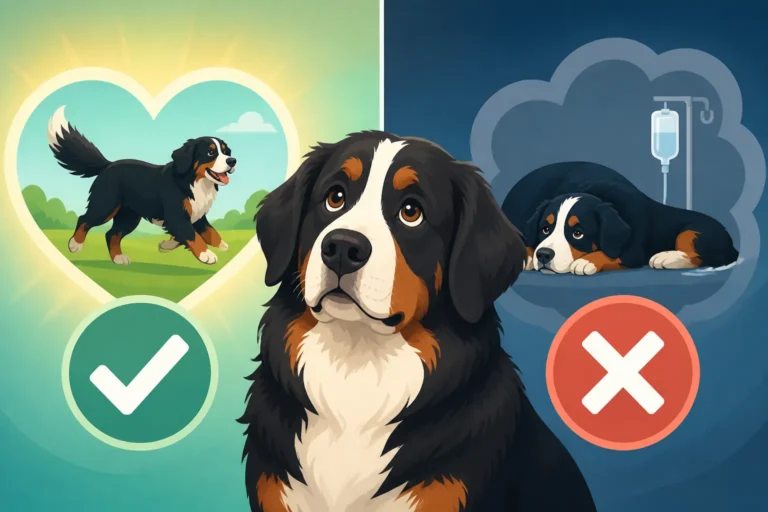
One of the biggest anxieties for any Bernese Mountain Dog owner is the pervasive threat of cancer, particularly histiocytic sarcoma, which can be devastatingly aggressive. The Cancer That Kills Half of All Bernese Mountain Dogs is a stark reminder of this reality. When a diagnosis like this hits, you're not just thinking about a single vet visit; you're looking at a potential odyssey of diagnostics, specialist consultations, chemotherapy, radiation, and palliative care. Each of these steps can cost thousands, and collectively, they can easily reach tens of thousands over the course of treatment, even if that time is tragically short.
Consider a scenario where your beloved Berner, Finn, is diagnosed with osteosarcoma in his leg. You're told that amputation, followed by chemotherapy, offers the best chance at extending his quality of life. The initial surgery, the weeks of chemotherapy sessions, follow-up scans, and pain management medications quickly add up. A policy with a modest annual limit, say $5,000 or even $10,000, might be depleted after just the first few weeks, leaving you to shoulder the remaining, substantial costs out-of-pocket. This is where the appeal of an unlimited policy truly shines, promising to be there no matter how high those bills climb.
The Cumulative Effect of Lifelong Conditions
Beyond the acute, catastrophic illnesses, Bernese Mountain Dogs are also notorious for orthopedic issues. Hip and elbow dysplasia, osteochondritis dissecans (OCD), and even cruciate ligament tears can plague them throughout their lives. A Berner might need multiple surgeries over the years for joint issues, or ongoing management of severe arthritis. Joint Disease in a Hundred Pound Bernese Mountain Dog can be a recurring and expensive problem.
Imagine your young Berner, Willow, developing hip dysplasia at a year old, requiring one hip surgery. Then, at four, she tears a cruciate ligament in her knee, needing another complex operation. By six, arthritis has set in, necessitating regular injections, medications, and perhaps even hydrotherapy. These aren't isolated incidents; they're a series of significant expenses that can recur over several years. A policy with an annual cap, even a generous one, might cover a single major event, but it could buckle under the cumulative weight of chronic or sequential conditions common to the breed. The peace of mind that comes from knowing you won't hit an annual ceiling year after year is a powerful draw for many Bernese owners.
Understanding What "Unlimited" Really Means in Pet Insurance
When you see "unlimited" pet insurance, it certainly sounds like a golden ticket, an assurance that every single vet bill, no matter how large, will be covered. While it does offer the highest level of financial protection, it's crucial to understand the specifics. "Unlimited" primarily refers to the annual maximum payout, meaning there's no cap on how much the insurance company will reimburse you for covered conditions within a policy year. However, this doesn't mean you'll never pay anything; other policy components still apply.
Deductibles and Reimbursement Rates Still Matter
Even with an unlimited policy, you will still have a deductible. This is the amount you pay out of pocket before your insurance coverage kicks in for the year. Deductibles can range widely, from a few hundred dollars to over a thousand. You might choose an annual deductible, where you pay it once per policy year regardless of how many conditions your dog has, or a per-incident deductible, where you pay it for each new illness or injury. For a breed like the Bernese Mountain Dog, prone to multiple conditions, an annual deductible often proves more cost-effective in the long run.
Then there's the reimbursement rate. This is the percentage of the covered veterinary bill that the insurance company will pay after your deductible has been met. Common reimbursement rates are 70%, 80%, or 90%. So, if your vet bill is $1,000, your deductible is $250, and your reimbursement rate is 80%, you'd pay the $250 deductible, and then the insurance company would pay 80% of the remaining $750 (which is $600), leaving you to pay the final $150. Even with an unlimited policy, you'll still be responsible for that 10-30% of costs, plus your deductible. Companies like Healthy Paws are known for offering high reimbursement rates and annual deductibles, which can be very appealing for comprehensive coverage.
What is (and Isn't) Covered: The Fine Print
It's vital to remember that "unlimited" only applies to covered conditions. This means:
- Pre-existing Conditions: No pet insurance policy, unlimited or otherwise, will cover conditions that existed before your coverage started or during your waiting period. This is why getting insurance when your Bernese Mountain Dog is a young puppy, ideally before any health issues arise, is paramount. Why Age Four Is Too Late to Insure a Berner underscores this point dramatically.
- Routine/Wellness Care: Most standard accident and illness policies, including unlimited ones, do not cover routine veterinary care like vaccinations, annual check-ups, flea/tick prevention, or spaying/neutering. These are usually considered "wellness" or "preventative" care, and sometimes require an optional add-on plan or are simply paid out-of-pocket.
- Exclusions: Always read the policy carefully for specific exclusions. Some might not cover certain elective procedures, or experimental treatments. While most reputable insurers cover common Bernese ailments like cancer and orthopedic issues, understanding the exact scope is crucial.
Knowing these details helps set realistic expectations. An unlimited policy is a safeguard against the catastrophic financial burden of severe illness or injury, not a blank check for every single vet expense.
Evaluating if an Unlimited Policy is the Right Fit for Your Bernese
Deciding on an unlimited policy for your Bernese Mountain Dog isn't just about understanding what it offers; it's about weighing that against your personal finances, risk tolerance, and the breed's specific needs.
The Argument for "Go Big or Go Home"
For many Bernese owners, the sheer cost of potential medical care makes an unlimited policy feel like the only responsible choice. Given that The Bernese Mountain Dog Who Reaches Twelve is an exception rather than the rule, and that these dogs often face significant health challenges in their relatively short lives, the thought of being limited by an annual cap can be terrifying. If your Berner develops aggressive cancer, for example, chemotherapy bills alone could reach $5,000-$10,000 or more in a single year. If multiple conditions arise, or if a severe chronic illness requires continuous, expensive treatment, an unlimited plan ensures you never have to make a decision based purely on whether you've hit your policy limit.
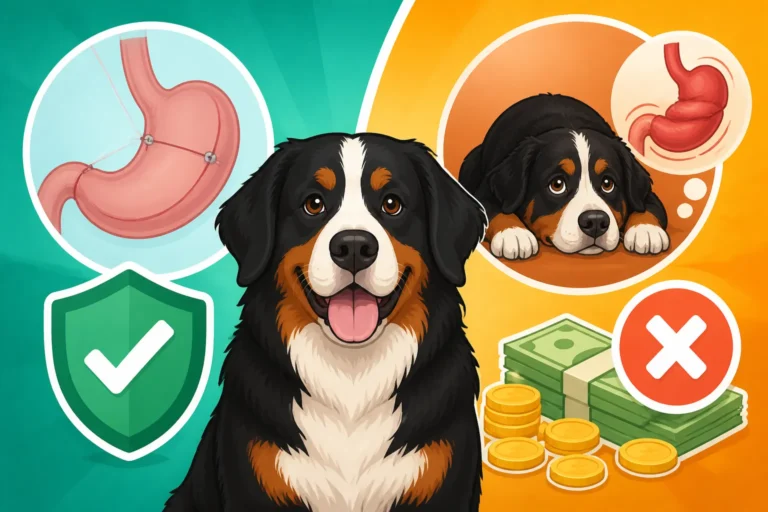
Consider a scenario where your Bernese develops both a severe case of bloat (What Bloat Looks Like in a Bernese Mountain Dog) requiring emergency surgery, and later in the same year, is diagnosed with early-stage histiocytic sarcoma requiring extensive diagnostics and a treatment plan. Each of these events could easily exceed $5,000-$10,000 individually. With an unlimited policy, you're not juggling these massive bills against a finite annual payout. You get to focus on what's best for your dog, rather than what your insurance budget allows. This peace of mind is invaluable.
When a High-Limit Policy Might Suffice
While unlimited policies offer ultimate protection, they also come with a higher premium. For some owners, a very high annual limit—say, $20,000 or $30,000 per year—might offer sufficient coverage at a more palatable monthly cost. It's rare for even a Bernese Mountain Dog to exceed these limits in a single year, though certainly not impossible, especially with a cancer diagnosis that leads to lengthy specialist care.
| Policy Type | Annual Payout Limit | Monthly Premium (Relative) | Ideal For | Common Scenario |
|---|---|---|---|---|
| Unlimited | No Cap | Highest | Owners wanting ultimate peace of mind for catastrophic illnesses or multiple severe conditions. | Extended cancer treatment, multiple surgeries in a single year. |
| High Limit | $20,000 – $30,000+ | High | Owners comfortable with substantial coverage but wanting a slightly lower premium than unlimited. | Single major surgery or chronic condition requiring ongoing care. |
| Mid Limit | $5,000 – $15,000 | Moderate | Owners seeking protection for common accidents/illnesses but willing to self-insure for extreme costs. | Broken bone, pneumonia, minor emergency. |
| Low Limit | Under $5,000 | Lowest | Owners on a tight budget, primarily seeking protection against minor accidents. | Sprains, ear infections, minor cuts. |
For instance, if your budget is a concern, a policy from a provider like Healthy Paws that offers very high annual limits could be a practical compromise. You're still getting robust coverage for most serious incidents, but potentially saving a bit on the monthly premium compared to an unlimited plan. It’s a matter of assessing your comfort level with that gap between a very high limit and true unlimited coverage.
Making the Decision: Factors Beyond Just the Limit
Beyond the financial limits, several other factors should influence your choice. This isn't just a numbers game; it's about the bigger picture of Bernese Mountain Dog ownership and your personal circumstances.
Age and Health History of Your Bernese
The younger and healthier your Bernese Mountain Dog is when you enroll, the more comprehensive and affordable your coverage will be. As Berners age, they're more likely to develop conditions that could become pre-existing exclusions if not covered already. The Age a Bernese Mountain Dog Is Usually Diagnosed with cancer or other chronic illnesses highlights the importance of early enrollment. If you're adopting an older Bernese from a rescue, they might already have existing conditions, making insurance coverage for those specific ailments impossible. In such cases, an unlimited policy would still be valuable for any new, unrelated conditions that arise.
If your Berner is still a puppy, securing an unlimited policy now can lock in coverage before any joint issues, allergies, or other chronic conditions manifest. This proactive approach ensures that when a costly diagnosis does occur down the line, it's covered. Waiting until your Bernese shows the first signs of lameness or a suspicious lump could mean that condition is deemed pre-existing, and even an unlimited policy won't help with those specific expenses.
Your Personal Financial Preparedness
This is a big one. Can you comfortably afford the higher monthly premiums associated with an unlimited policy? Conversely, if your dog needed $30,000 in medical care over a year, could you afford to pay that out of pocket? If the thought of a $15,000 vet bill for unexpected surgery or long-term care keeps you up at night, an unlimited policy offers significant psychological relief. If you have a robust emergency fund specifically for your pet's medical needs, a high-limit policy might feel sufficient.
Remember that pet insurance is essentially transferring financial risk. If you are extremely risk-averse when it comes to potential vet bills, and you want to ensure no expense is too great to save your Berner, then an unlimited policy truly offers that peace of mind. For those who budget meticulously, platforms like Chewy or Ollie provide premium food and supplies that, while not insurance, can contribute to overall wellness and potentially reduce some minor vet visits, allowing you to allocate more budget to robust insurance. However, for serious conditions, insurance is irreplaceable.
Looking at the Long Term
A Bernese Mountain Dog's lifespan is sadly shorter than many other breeds. Why a Bernese Mountain Dog Lives Only Seven or Eight Years means you might only have a few years where those incredibly high costs are most likely to hit. This makes every year of coverage count. An unlimited policy can be particularly beneficial as your Berner enters their senior years, typically from five or six onwards, when chronic conditions become more prevalent. Screening an Older Bernese Mountain Dog often reveals issues that require ongoing and expensive management.
As your Bernese ages, the cost to insure them will naturally increase, regardless of the limit. However, maintaining an unlimited policy through their senior years ensures that you won't suddenly be faced with a critical decision based on a rapidly depleting annual limit, especially when quality of life decisions often involve continuous medical support. It's about planning for their entire life, from boisterous puppyhood through their dignified golden years, ensuring you can always prioritize their comfort and health.
Disclaimer
This article is for general informational purposes only and does not constitute professional advice. Laws, prices and regulations vary by location and change over time. Consult a qualified professional for guidance on your specific situation.