What Hip Replacement Costs a Bernese Mountain Dog Owner
Discovering your beloved Bernese Mountain Dog is suffering from severe hip dysplasia and facing the daunting prospect of hip replacement surgery can be incredibly overwhelming, not least because of the significant financial implications. This guide aims to thoroughly break down the various costs associated with hip replacement for a Bernese Mountain Dog, from initial diagnostics to post-operative recovery, helping you understand what to expect during this challenging time.
Understanding Hip Dysplasia in Bernese Mountain Dogs
Hip dysplasia is a heartbreaking reality for far too many Bernese Mountain Dog owners. It’s a condition where the hip joint doesn't form properly, leading to a loose fit between the ball (femoral head) and socket (acetabulum). Over time, this abnormal development causes degenerative joint disease, arthritis, and significant pain, making even simple movements agonizing for your big, lovable companion. Imagine trying to walk or run when your own hip feels like it's constantly grinding or slipping out of place; that's often what our Berners endure.
Bernese Mountain Dogs, with their impressive size and rapid growth rate, are particularly prone to hip dysplasia. Their genetics play a huge role, but environmental factors like diet and exercise during puppyhood can also influence the severity. Watching your usually active Berner struggle to get up, limp after a short walk, or hesitate to jump into the car is a clear sign that something is wrong. When these conservative management strategies, like pain medication, joint supplements, and controlled exercise, are no longer enough to maintain a good quality of life, surgery often becomes the most viable, albeit significant, option. Understanding the condition is the first step in appreciating the complexities and costs of its surgical remedy. For more detailed information, you can read about Hips That Fail Under a Bernese Mountain Dog's Weight.
The Role of Diagnostics in Hip Dysplasia Treatment
Before any discussion of surgery can even begin, your veterinarian needs a definitive diagnosis and a full understanding of the severity of your Bernese Mountain Dog's hip dysplasia. This initial diagnostic phase is crucial and, understandably, comes with its own set of costs. It typically starts with a thorough physical examination where your vet will manipulate your dog's hips, checking for pain, reduced range of motion, and joint laxity. They might perform specific tests like the Ortolani sign to assess hip joint looseness.
However, the real insights come from imaging. X-rays are the gold standard for diagnosing hip dysplasia. Your dog will usually need to be sedated or anesthetized for these radiographs to get accurate, clear images of the hip joints in specific positions. This ensures they are perfectly still and relaxed, preventing discomfort and allowing for optimal positioning to reveal the joint's true condition. These X-rays help your vet determine the grade of dysplasia and whether surgical intervention, such as a total hip replacement, is the best course of action. Sometimes, in complex cases, your vet might recommend advanced imaging like a CT scan, which provides a three-dimensional view of the joint and surrounding bone structure, offering even more detailed information to the orthopedic specialist. These diagnostic costs are the foundational investment, allowing the surgical team to formulate the most effective treatment plan.
The Anatomy of a Hip Replacement: What the Surgery Entails
A total hip replacement (THR) for a Bernese Mountain Dog is a highly specialized and intricate orthopedic procedure designed to alleviate pain and restore mobility in severely dysplastic or arthritic hips. It’s not a simple fix, but rather a complex undertaking that replaces the diseased joint components with artificial implants. Think of it much like a human hip replacement; the principles are quite similar, just adapted for our canine companions.
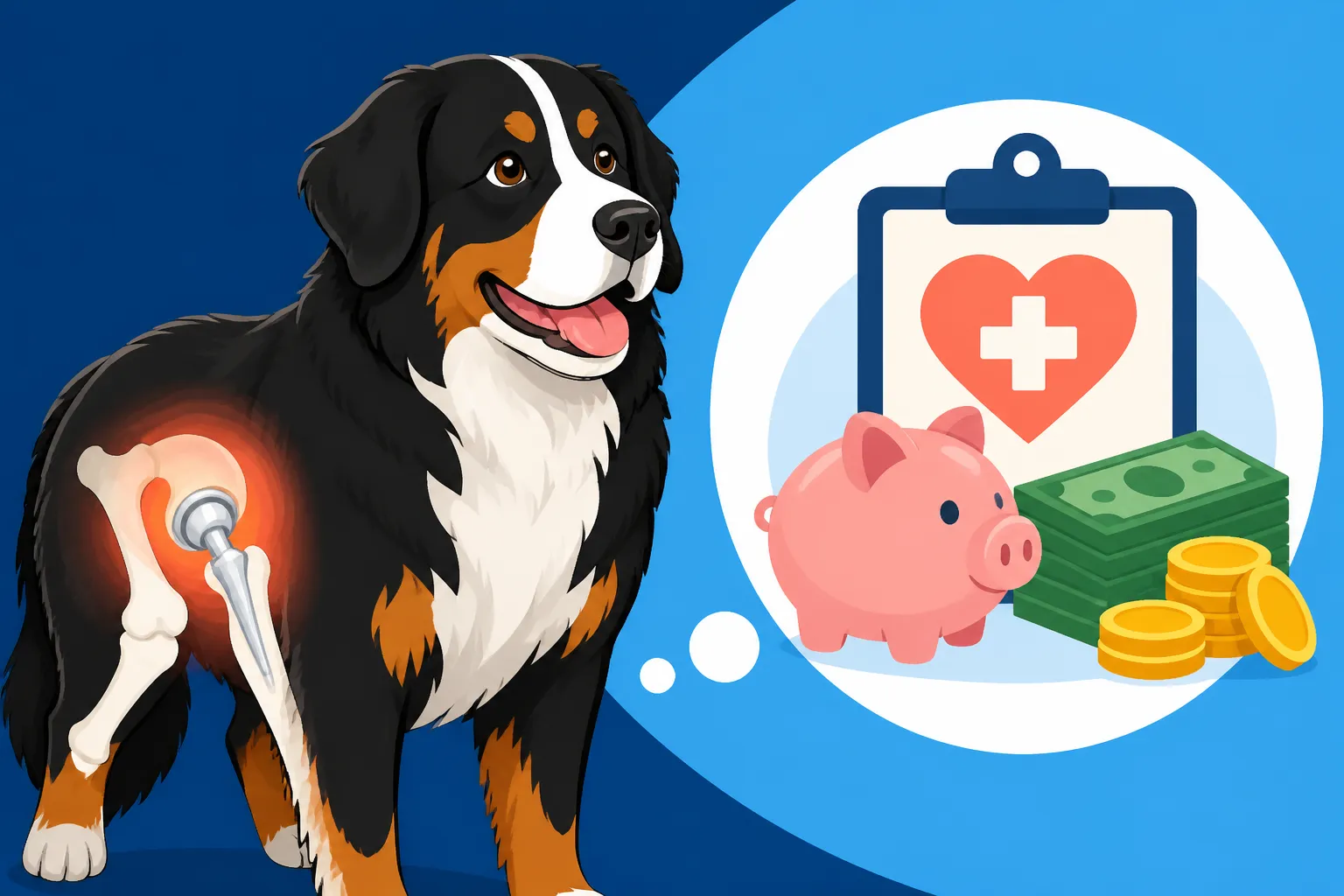
During the surgery, the surgeon will remove the damaged femoral head (the ball part of the joint) and replace it with a metal prosthetic stem and ball that fits into the femur. The damaged acetabulum (the socket part of the pelvis) is then resurfaced and fitted with a prosthetic cup, typically made of a plastic liner within a metal shell. These components are designed to articulate smoothly, mimicking the natural joint function. The implants are either cemented into place or designed for bone ingrowth, creating a stable, pain-free joint. This is a precision surgery that requires an experienced board-certified veterinary orthopedic surgeon, specialized equipment, and a sterile surgical environment. It's a procedure that significantly improves the quality of life for dogs suffering from debilitating hip pain, offering them a chance to walk, run, and play without discomfort again.
The Surgical Team and Facility Requirements
Performing a total hip replacement on a magnificent dog like a Bernese Mountain Dog isn't something just any veterinarian can do; it requires a highly skilled and dedicated team working in a specialized facility. You'll be looking at a referral to a veterinary orthopedic specialist, often at a large veterinary referral center or a university teaching hospital. These facilities are equipped with state-of-the-art surgical suites, advanced anesthesia monitoring equipment, and comprehensive post-operative care units.
The surgical team itself is extensive. It includes the board-certified veterinary orthopedic surgeon, who has undergone years of additional training beyond veterinary school specifically in bone and joint surgery. Alongside them will be a veterinary anesthesiologist, dedicated to managing your Berner's anesthesia safely and effectively throughout the procedure, which can last several hours. There will also be multiple veterinary technicians and nurses assisting with patient preparation, surgical instrumentation, and continuous monitoring. These professionals are not only highly trained but also incredibly experienced in managing the unique challenges presented by large breed dogs and complex orthopedic surgeries. The caliber of this team and the specialized nature of the facility are significant factors in the overall cost, reflecting the expertise and resources required for such a sophisticated procedure.
Breaking Down the Cost: Components of a Bernese Mountain Dog Hip Replacement
When you consider a total hip replacement for your Bernese Mountain Dog, you're not just paying for "the surgery." The overall cost is a culmination of many individual components, each reflecting specialized services, equipment, and expertise. This is why you'll find significant variation in estimates, as each clinic or referral center will package these services slightly differently. It’s truly a marathon, not a sprint, when it comes to the financial outlay.
Let's look at the primary cost categories you can expect to encounter:
Pre-Surgical Consultations and Work-Up
Before surgery day, there's a good deal of preparation and assessment that needs to happen. After your initial diagnostic X-rays, you'll have several consultations with the orthopedic surgeon to discuss the procedure, potential risks, and expected outcomes. They'll perform a thorough physical and orthopedic exam specific to the upcoming surgery.
A comprehensive pre-surgical work-up is mandatory to ensure your Bernese Mountain Dog is a suitable candidate for anesthesia and surgery. This typically includes:
- Extensive Bloodwork: A full panel of blood tests to assess organ function, blood clotting ability, and overall health. This ensures there are no underlying conditions that could complicate anesthesia or recovery.
- Urinalysis: To check kidney function and rule out urinary tract infections.
- ECG (Electrocardiogram) / Cardiac Screening: Given that Bernese Mountain Dogs can be prone to certain cardiac issues, a thorough heart check might be recommended, especially for older dogs or those with a murmur. This helps the anesthesiologist choose the safest anesthetic protocol.
- Additional Imaging: Sometimes, more detailed images of the hip, or even other joints, might be required if there are concerns about concurrent conditions.
These pre-surgical steps are vital for minimizing risks and optimizing surgical success, and their associated costs are an integral part of the overall expense. You want to feel confident that every precaution has been taken for your gentle giant.
The Surgical Procedure Itself
This is often the largest single component of the total cost and covers everything directly related to the actual time your Bernese Mountain Dog is in the operating room. This includes:
- Surgeon's Fees: This compensates the highly trained orthopedic surgeon for their expertise, skill, and time. This fee often varies based on their experience and the complexity of the specific case.
- Anesthesia Fees: Covering the anesthesiologist's time, the anesthetic drugs, and all the sophisticated monitoring equipment (heart rate, blood pressure, oxygen saturation, temperature, etc.) used to keep your dog safe throughout the lengthy procedure.
- Hospitalization: This covers the overnight stay or multiple days your Bernese Mountain Dog will spend in the hospital immediately following surgery. This includes monitoring by veterinary nurses, pain management, and initial wound care. Expect this to be an intensive care stay, especially for such a large dog.
- Surgical Implants: The cost of the prosthetic ball, stem, and socket components themselves. These are high-quality, biocompatible materials designed to last for your dog's lifetime. Their cost alone can be substantial, similar to what you’d expect for human prosthetics.
- Operating Room Supplies: Sterilized drapes, gowns, sutures, bandages, and all the consumables used during the surgery.
This is where the bulk of the money goes, reflecting the high-tech, high-skill nature of the procedure. Many veterinary orthopedic centers will provide a detailed estimate breaking down these specific line items.
| Cost Component | Description | Factors Influencing Cost |
|---|---|---|
| Diagnostic Imaging (X-rays, CT) | Confirming hip dysplasia, assessing severity, planning surgery. | Sedation/anesthesia required, type of imaging, specialist interpretation. |
| Pre-surgical Bloodwork/Exams | Assessing overall health, organ function, anesthetic risk. | Extensiveness of panels, cardiologist consult if needed. |
| Surgeon's Fees | Expertise and time of board-certified orthopedic specialist. | Surgeon's experience, regional cost of living, case complexity. |
| Anesthesia Fees | Anesthesiologist, drugs, monitoring equipment, technician time. | Length of surgery, specialist anesthesiologist involvement. |
| Surgical Implants | Prosthetic femoral head, stem, and acetabular cup. | Material quality, size of implants (larger for Berners), supplier. |
| Hospitalization (initial) | Post-op monitoring, pain management, IV fluids, initial care. | Length of stay, level of nursing care, facility type. |
| Post-op Medications | Pain relief, anti-inflammatories, antibiotics. | Duration of prescription, type of medication, dosage for a large dog. |
| Rehabilitation Therapy | Physical therapy, hydrotherapy, laser therapy. | Number of sessions, type of therapy, therapist's rates. |
| Follow-up Appointments | Recheck exams, bandage changes, suture removal, follow-up X-rays. | Number of visits, necessity for additional imaging. |
Post-Operative Care and Rehabilitation Expenses
The journey doesn't end when your Bernese Mountain Dog leaves the operating room. In many ways, the real work for you and your dog begins with the rigorous post-operative care and rehabilitation. This phase is absolutely critical for a successful outcome and can be just as financially demanding, if not more so in the long run, than the surgery itself. It’s not simply about letting them rest; it’s about carefully guided recovery. You can learn more about this stage by reading Recovery After a Bernese Mountain Dog's Hip Surgery.
Medications and Home Care Supplies
Once your Berner comes home, they will require a strict regimen of medications to manage pain, reduce inflammation, and prevent infection. This typically includes:
- Pain Medications: Often a combination of strong analgesics and non-steroidal anti-inflammatory drugs (NSAIDs) for several weeks, gradually tapered down. Given the size of a Bernese Mountain Dog, these dosages will be significant, and therefore, the cost can add up quickly.
- Antibiotics: To prevent post-surgical infections, which are a serious concern with any orthopedic surgery.
- Sedatives: Sometimes prescribed to help keep an active Bernese Mountain Dog calm and still during the crucial initial healing period, preventing them from reinjuring themselves.
- Joint Supplements: Many vets recommend continuing or starting joint supplements like glucosamine and chondroitin, or even specialized prescription diets, to support overall joint health, especially for the remaining hip. Brands like Chewy and Ollie often carry a wide range of these products.
Beyond medication, you'll need various home care supplies: wound dressings, antiseptic solutions, e-collars (the dreaded "cone of shame") to prevent licking, and potentially orthopedic beds or ramps to help your dog navigate their environment without putting strain on the healing hip. Ensuring a safe, comfortable, and controlled environment is paramount, and these supplies, while seemingly minor, contribute to the overall expenditure.
Physical Rehabilitation and Therapy
This is perhaps one of the most vital, and often underestimated, components of a successful hip replacement recovery for a Bernese Mountain Dog. Just like with humans, physical therapy is essential to regain strength, range of motion, and proper gait. It prevents muscle atrophy, reduces scar tissue formation, and speeds up recovery. This isn't optional; it's a cornerstone of success.
Rehabilitation typically begins a few days to a week after surgery and can last for several months, often involving weekly or bi-weekly sessions. These sessions may include:
- Therapeutic Exercises: Guided exercises to improve strength, balance, and coordination.
- Hydrotherapy: Underwater treadmill sessions or swimming. The buoyancy of water reduces weight-bearing stress on the healing joint while allowing for muscle strengthening. This is particularly beneficial for a heavy dog like a Berner. You can find more information here: Swim Therapy Rates for a Bernese Mountain Dog.
- Laser Therapy: To reduce pain and inflammation and promote tissue healing.
- Massage and Stretching: To improve flexibility and alleviate muscle tightness.
Each session with a certified canine rehabilitation therapist comes with a cost. The total expense depends on the number of sessions required and the types of therapies utilized. While it might seem like an added expense, skipping or skimping on rehabilitation can compromise the long-term success of the surgery and lead to further complications, potentially costing even more down the line. It's an investment in your Bernese Mountain Dog's future mobility and comfort.
Navigating Financial Options and Insurance
The sticker shock of a Bernese Mountain Dog hip replacement is very real for most owners. These are significant figures, and very few people have that kind of money sitting readily available. It's natural to feel overwhelmed, but there are avenues to explore to help manage these costs. Thinking ahead and understanding your options can make a world of difference during such a stressful time.
The Role of Pet Insurance
For many Bernese Mountain Dog owners, pet insurance can be a literal lifesaver when facing a major veterinary bill like a hip replacement. If you enrolled your Berner in a comprehensive pet insurance plan before any signs of hip dysplasia were noted (i.e., it wasn't a pre-existing condition), your policy might cover a significant portion of the costs. This includes diagnostics, surgery, hospitalization, medications, and often, even rehabilitation therapy.
However, pet insurance is not a magic bullet. Most policies have:
- Deductibles: An amount you pay out-of-pocket before your insurance kicks in.
- Reimbursement Percentages: The percentage of the remaining bill that the insurance company will pay (e.g., 70%, 80%, or 90%).
- Annual Limits: A maximum amount your policy will pay out in a given year.
- Waiting Periods: A period after enrollment during which certain conditions (like orthopedic issues) are not covered.
It's absolutely crucial to review your specific policy details with your insurance provider, such as Healthy Paws, to understand what is covered and what isn't, especially for a large breed with known predispositions like the Bernese Mountain Dog. If you're considering a Bernese Mountain Dog, looking into pet insurance from a young age is a wise investment. You can also explore Insuring a Bernese Mountain Dog Against Cancer for broader coverage considerations.
Alternative Funding and Payment Plans
Even with insurance, or if you don't have it, the remaining out-of-pocket costs can still be substantial. Don't lose hope; there are often other financial resources available:
- Veterinary Payment Plans: Many veterinary hospitals, especially referral centers, understand the financial strain and offer their own in-house payment plans or work with third-party medical credit providers. These can help spread the cost over several months or even years, making it more manageable.
- CareCredit: This is a popular option in veterinary medicine, acting like a credit card specifically for healthcare expenses. They often offer promotional periods with deferred interest, which can be very helpful if you can pay off the balance within that timeframe.
- Veterinary Assistance Programs: Some breed-specific clubs or national organizations might have funds available to help owners with significant veterinary expenses. Check with the Bernese Mountain Dog Club of America or local breed rescues, as they sometimes offer grants or financial aid for specific conditions.
- Crowdfunding: Platforms like GoFundMe have become a common way for pet owners to raise funds from their community and beyond to cover unexpected veterinary bills. Sharing your Berner's story can often rally incredible support.
- Personal Savings or Loans: For some, dipping into savings or exploring personal loans might be the most straightforward option, weighing the interest rates and repayment terms carefully.
No one wants to make medical decisions for their beloved pet based solely on finances, but it's a reality we often face. Exploring all these avenues can help ensure your Bernese Mountain Dog gets the life-changing care they need without completely breaking your bank. The cost of owning a Bernese Mountain Dog, especially a senior one, is a serious consideration, as discussed in What a Bernese Mountain Dog Costs Over Its Whole Life.
Long-Term Outlook and Potential Future Costs
A successful hip replacement can give your Bernese Mountain Dog a new lease on life, restoring their mobility and vastly improving their comfort. However, it's important to go into this with a realistic understanding of the long-term commitment and potential for future costs, even after a successful surgery. This is not a "one and done" situation in every scenario.
While the prosthetic hip itself is designed to last a lifetime, there's always the possibility of complications or ongoing care needs. For instance, sometimes the other hip, if not replaced at the same time, might eventually require surgery, meaning you'd go through this process again. This is why some owners opt for bilateral hip replacement if both hips are severely affected and the dog's health allows for it.
Ongoing costs will likely include regular follow-up veterinary check-ups to monitor the implant and overall joint health. Arthritis can still develop in other joints, or existing arthritis might progress in other areas of the body, requiring continuous pain management or joint support medications. Furthermore, if your Bernese Mountain Dog is very active post-surgery, they might need continued physical therapy maintenance sessions to keep their muscles strong and joints supple. These are considerations that highlight the long-term commitment required when choosing such a major surgery for your cherished companion. Ultimately, the goal is a comfortable, happy life for your Berner, and every step, financial or otherwise, contributes to that outcome.
Disclaimer
This article is for general informational purposes only and does not constitute professional advice. Laws, prices and regulations vary by location and change over time. Consult a qualified professional for guidance on your specific situation.