What a Groomer Charges to Deshed a Bernese Mountain Dog
Oh, the majestic Bernese Mountain Dog! Their luxurious, thick coats are undeniably gorgeous, but anyone who lives with one knows the reality: the shedding can be truly overwhelming. It's not just a bit of loose hair; it's a constant blizzard of fur that seems to coat every surface of your home. You scoop it up, you vacuum, you brush, and still, it appears as if your Berner has shed their entire body weight in fluff overnight. This guide is here to walk you through what a professional groomer does to combat this, what you can generally expect when it comes to the cost of a deshedding service, and how you can manage that glorious but demanding coat.
Understanding the Bernese Mountain Dog Coat and Why Deshedding is Crucial
Let's be honest, part of the immense appeal of a Bernese Mountain Dog is that magnificent double coat. It's a hallmark of their breed, designed to keep them warm in the frosty Swiss Alps where their ancestors herded and pulled carts. But what makes it so beautiful also makes it a significant grooming challenge. This isn't just a surface layer of hair; it's a complex system that needs specific care.
Your Berner has an outer coat that's long, slightly wavy, and quite coarse to the touch. This acts as a protective shield, repelling water and dirt. Beneath that, though, is the real culprit for all that shedding: a dense, woolly undercoat. This undercoat is what insulates them, thickening in winter and thinning out in warmer months. It's this seasonal shedding of the undercoat, often referred to as "blowing coat," that can turn your home into a furry wonderland if not managed properly. The Bernese Mountain Dog Shed and What It Fills explains just how much fur we're talking about.
The Problem with Unmanaged Undercoat
When that undercoat starts to loosen, it doesn't always fall out on its own. Instead, it gets trapped by the coarser outer guard hairs. If not brushed out regularly and thoroughly, this trapped undercoat can quickly become a matted mess, especially behind the ears, under the legs, and on the hindquarters where the hair is longer and friction is common. Mats aren't just unsightly; they're a serious health concern. They can pull on the skin, causing discomfort and pain, and even leading to skin infections because moisture gets trapped underneath. It's a particular concern for a breed like the Berner, known for their love of splashing and rolling.
Beyond the health aspect for your dog, an unmanaged coat means an unmanaged amount of hair in your home. You might feel like you're constantly running the vacuum, only for more tumbleweeds of fur to appear moments later. For some families, especially those with allergies, this can be more than just an annoyance; it can impact quality of life. Regular deshedding, whether at home or by a professional, is not just about aesthetics; it's about your Bernese Mountain Dog's comfort and health, and your own sanity!
Factors Influencing Deshedding Costs for Bernese Mountain Dogs
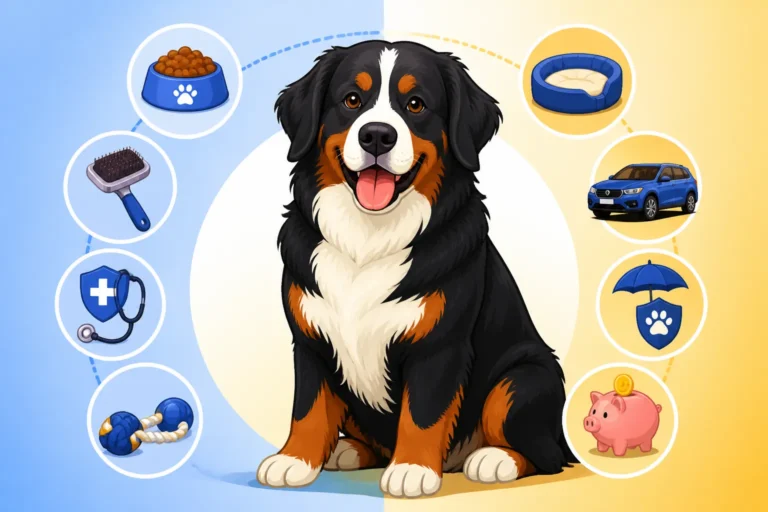
When you’re looking at what a groomer charges for a deshedding service for your Bernese Mountain Dog, it’s not a one-size-fits-all answer. There are several key elements that will typically influence the overall cost. Just like buying quality dog food from places like Chewy or considering specialized pet insurance from Healthy Paws for your dog’s overall wellness, grooming is an investment, and understanding these factors can help you gauge what to expect.
Size and Coat Condition
First and foremost, the sheer size of your Bernese Mountain Dog plays a massive role. Berners are big dogs; often tipping the scales at 80 to 110 pounds or more. More dog means more coat to work through, which translates directly into more time and effort for the groomer. It’s a very different undertaking compared to deshedding a smaller, short-haired breed. Whether a Groomer Charges Extra by Bernese Mountain Dog Size is a fair question, and the answer is almost certainly yes, due to the volume of work involved.
Beyond size, the current condition of your Berner's coat is perhaps the most significant factor. If your dog is brought in with a relatively well-maintained coat, meaning you've been brushing regularly and there are minimal tangles or mats, the deshedding process will be smoother and quicker. However, if your Berner has gone a while without thorough grooming, and the undercoat is heavily impacted or matted, the groomer will need to spend considerably more time carefully working through these issues. This extra time and the specialized techniques required to safely de-mat can significantly increase the cost. They can't just rip through it; they have to be gentle to avoid hurting your dog, which takes patience and skill.
Groomer Experience and Location
The experience level of the groomer and the prestige of the salon can also influence pricing. Highly experienced groomers, especially those specializing in double-coated breeds like Bernese Mountain Dogs, often command higher rates due to their expertise, specialized equipment, and efficient techniques. They know exactly how to work with that dense undercoat without damaging the delicate guard hairs.
Where you live also plays a considerable part. Grooming costs can vary widely depending on the region and even the specific city. A high-end salon in a major metropolitan area will almost certainly have different pricing compared to a smaller, independent groomer in a rural town. Overhead costs like rent, utilities, and staff wages differ, and these are naturally reflected in the service prices. It’s always a good idea to call around to a few different local groomers to get an understanding of the typical range in your area.
Included Services and Add-ons
A standard deshedding service typically includes a specialized bath with deshedding shampoo and conditioner, followed by thorough blow-drying and brushing with specific tools designed to remove loose undercoat. However, many groomers offer packages or additional services that might impact the total cost. This could include nail trims, ear cleaning, paw pad trimming, or even anal gland expression.
Some groomers might also offer "express" services or treatments for extremely heavy shedding, which could be priced differently. Always clarify exactly what is included in the "deshedding" price to avoid any surprises. If you're looking for a full pampering session that includes tidying up the feathering or a full sanitary trim, those are usually additional services that will add to the bill. Understanding what each salon includes in their base deshedding price will help you compare apples to apples.
What a Professional Deshedding Service Includes
Taking your Bernese Mountain Dog to a professional groomer for a deshedding service is more than just a quick brush. It’s a multi-step process designed to thoroughly remove that stubborn undercoat, leaving your Berner more comfortable and your home much cleaner. They use specific tools and techniques honed for double-coated breeds, which are often difficult for the average owner to replicate at home effectively, especially given the sheer volume of a Berner’s coat.
The Specialized Bath
The process typically begins with a specialized bath. This isn't just any dog shampoo; professional groomers use deshedding shampoos and conditioners that are formulated to help loosen and release dead undercoat hair. These products often contain ingredients that condition the coat and skin, making the subsequent brushing much more effective and less irritating for your dog. Your Berner will likely get a good soak, often with the groomer working the shampoo deep into the undercoat to penetrate all those layers of fur.
After the shampoo, a deshedding conditioner is applied. This helps to further loosen the dead hair and hydrate the remaining coat, making it softer and easier to brush through. The groomer will often let the conditioner sit for a few minutes to maximize its effect, giving it time to work its magic on that thick Berner fur. How Many Baths a Bernese Mountain Dog Gets a Year often depends on activity level and personal preference, but when it comes to deshedding, a professional bath is key.
High-Velocity Drying and Brushing
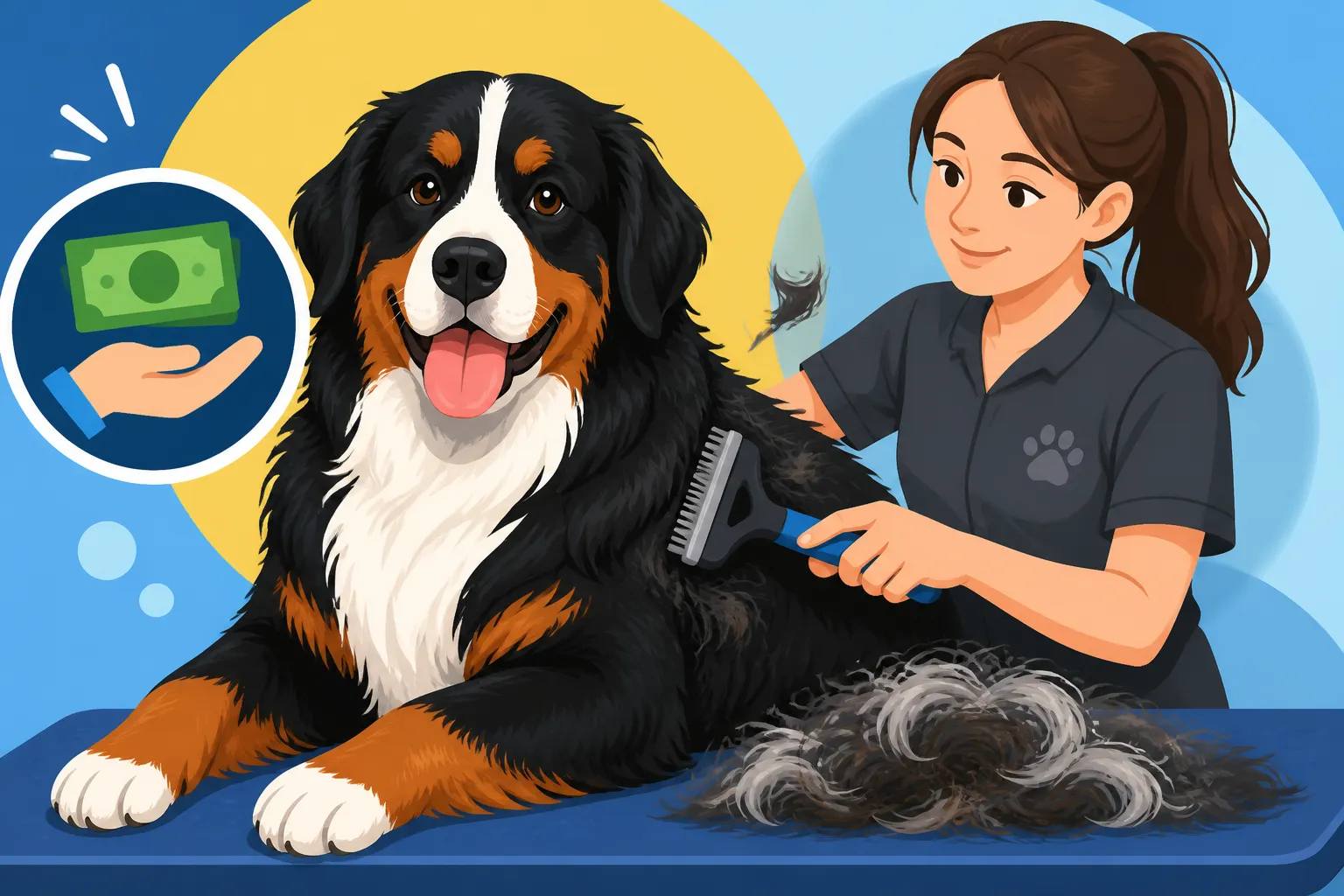
Once the bath is complete, the magic really begins with the high-velocity dryer. This isn't just a regular hairdryer; these powerful blowers are designed to blast air deep into the coat, physically pushing out loose hair. It’s incredibly effective at dislodging vast amounts of undercoat that would otherwise remain trapped. If you’ve ever seen a Bernese Mountain Dog being professionally deshedded, you know this step alone creates a veritable snowstorm of fur! It's an essential part of the process, making subsequent brushing far easier and more efficient. Whether a Force Dryer Is Worth It for a Bernese Mountain Dog for home use is a common question, and seeing a professional use one truly demonstrates its value.
Following the high-velocity dry, the groomer will meticulously brush your Berner. They'll use a variety of tools, often including an undercoat rake and a slicker brush, to systematically work through the entire coat. They know how to brush without causing skin irritation or damage to the outer coat. This step removes any remaining loose undercoat that the bath and dryer couldn’t get, ensuring the coat is as free of dead hair as possible. It takes time, patience, and a skilled hand to thoroughly brush a Bernese Mountain Dog, especially in areas prone to matting like the "trousers" on their hind legs or behind their ears.
Finishing Touches and Health Checks
Finally, the groomer will often perform some finishing touches. This might include a light trim around the paws to keep them neat, or a sanitary trim. They'll also typically clean your dog's ears and trim their nails, ensuring a comprehensive grooming session. While working, groomers are also performing a visual and tactile health check. They might notice skin irritations, Lumps a Bernese Mountain Dog Owner Should Not Watch, or other issues that you, as an owner, might miss under all that fur. They're an extra set of eyes and hands, often alerting owners to potential problems early on.
A complete professional deshedding service leaves your Bernese Mountain Dog feeling lighter and more comfortable, and their coat will look healthier and shinier. More importantly, it significantly reduces the amount of shedding you'll experience at home for weeks afterward, making your life a little easier.
Ways to Manage Deshedding Costs and Maintain Coat Health
While professional deshedding is incredibly beneficial for your Bernese Mountain Dog, it's also an ongoing expense. Thankfully, there are several strategies you can employ to help manage these costs and keep your Berner's coat in top condition between professional visits. A combination of at-home care and strategic professional grooming can save you money and keep your beloved companion comfortable.
Regular At-Home Grooming
The single biggest thing you can do to reduce the cost of professional deshedding is to maintain a consistent at-home grooming routine. This means regular brushing, ideally several times a week, to prevent matting and remove loose undercoat. Investing in the right tools, such as a good quality undercoat rake and a pin brush, is crucial. Places like Chewy offer a wide selection of grooming tools specifically designed for large, double-coated breeds. Buying the Rake and Dryer a Bernese Mountain Dog Needs will be a worthwhile investment.
Focus your brushing efforts on those high-friction areas: behind the ears, under the armpits, and around the tail and hindquarters. These are the spots where mats are most likely to form and where a groomer will charge more time to detangle. If you can keep these areas relatively clear, your professional deshedding appointments will be quicker and less intensive, which often translates to lower costs. Consistent brushing also helps distribute natural oils, keeping the coat healthy and reducing the likelihood of skin issues like Itching Under a Bernese Mountain Dog's Thick Coat.
Understanding Seasonal Shedding
Bernese Mountain Dogs are notorious for their seasonal "blowouts," especially in spring when they shed their thick winter undercoat. Spring, When a Bernese Mountain Dog's Undercoat Lets Go can be a truly overwhelming time. Knowing when these periods occur allows you to be proactive. Schedule your professional deshedding appointments to coincide with these heavy shedding cycles. A professional session during these times can remove the bulk of the loose hair efficiently, making your at-home maintenance much more manageable for the subsequent weeks.
You might find that you need professional deshedding more frequently during spring and fall, and perhaps less often during the summer and winter months if you're diligent with your home care. Discussing a personalized grooming schedule with your trusted groomer can help you optimize your appointments and manage your budget effectively.
Diet and Overall Health
Believe it or not, your Bernese Mountain Dog's diet and overall health play a significant role in the condition of their coat and the amount of shedding. A high-quality diet provides the necessary nutrients for healthy skin and coat, leading to stronger hair follicles and potentially less excessive shedding. Brands like Ollie focus on providing fresh, whole ingredients that support overall canine health, including skin and coat vitality. When their diet is lacking, you might notice a duller coat, dry skin, and increased shedding.
Similarly, underlying health issues can manifest in coat problems. Regular veterinary check-ups are essential to ensure your Berner is healthy from the inside out. Conditions like thyroid imbalances or skin allergies can impact coat quality and shedding. Just as you'd consider pet insurance from Healthy Paws for unexpected medical needs, remember that preventative care, including proper nutrition, contributes to a healthier coat and potentially fewer grooming challenges down the line. A healthy dog often has a healthy coat, which is easier and less costly to maintain.
| Factor | Impact on Deshedding Cost | Owner's Role in Management |
|---|---|---|
| Size of Dog | Larger dogs = higher cost | N/A (inherent to breed) |
| Coat Condition | Mats/Heavy Impaction = higher | Regular brushing, prevent mats |
| Frequency of Grooming | Infrequent = higher initially | Consistent home care, seasonal pros |
| Groomer's Experience | Highly skilled = potentially higher | Seek reputable, breed-savvy groomers |
| Geographic Location | Varies by region/city | Research local prices |
| Additional Services | Add-ons increase total | Clarify package details, prioritize |
| Overall Health & Diet | Poor health/diet = poor coat | High-quality food, vet check-ups |
Managing a Bernese Mountain Dog's coat is a commitment, but with a good routine, the right tools, and the occasional help of a professional groomer, you can keep your Berner looking their best and minimize the "fur-nado" in your home. It’s all part of the joy and responsibility of sharing your life with these wonderful, shaggy giants.
Disclaimer
This article is for general informational purposes only and does not constitute professional advice. Laws, prices and regulations vary by location and change over time. Consult a qualified professional for guidance on your specific situation.