Whether a Breeder Should Show a Bernese Mountain Dog Line’s Ages
It's an unspoken truth among Bernese Mountain Dog owners: the joy they bring is immense, but often tragically short-lived. Many of us grapple with the heartbreak of losing these gentle giants far too soon, frequently to health issues like cancer or debilitating joint disease. When you're looking for a new puppy, it's only natural to want to do everything in your power to ensure your new family member has the best chance at a long, healthy life. This guide will walk you through why it's absolutely crucial to discuss longevity and health history with a breeder, and what specific information you should expect them to provide about their Bernese Mountain Dog lines.
Why Longevity Information Matters So Much for Bernese Mountain Dogs
Let's be honest, getting a Bernese Mountain Dog means embracing a breed known for its shorter lifespan compared to many others. This isn't a secret, but it's a reality that hits hard when you experience it firsthand. When you fall in love with a Berner puppy, you dream of years of cuddles, adventures, and companionship, only to often find those years cut short by devastating illnesses.
The Heartbreaking Reality of Bernese Lifespans
It’s a tough pill to swallow, but the average Bernese Mountain Dog lives only about seven or eight years. For a large breed, that's undeniably on the lower end, and it leaves many owners feeling cheated out of precious time with their beloved companions. The primary culprits for this shortened existence are often aggressive cancers, particularly histiocytic sarcoma, and debilitating orthopedic conditions like hip and elbow dysplasia. These aren't just minor inconveniences; they are life-altering, often painful, and incredibly expensive health crises that can steal your dog away long before their time. The emotional toll alone is immense, watching a vibrant dog decline so rapidly. It’s why understanding Why a Bernese Mountain Dog Lives Only Seven or Eight Years is so critical even before you bring a puppy home.
More Than Just a Number: The Impact on Your Family
When you welcome a Bernese Mountain Dog into your home, you're not just getting a pet; you're gaining a family member. They integrate into your daily life, become your shadow, and fill your home with their calm, loving presence. The bond you form with a Bernese is incredibly deep, characterized by their affectionate nature and their desire to be near you. Because of this, the early loss of a Bernese can be profoundly traumatic, leaving a gaping hole in your family and an enduring sense of grief. Beyond the emotional aspect, there’s a significant financial investment too. Vet bills for diagnostics, treatments, and palliative care for conditions like cancer can quickly skyrocket, reaching into the tens of thousands of dollars. While we all want to do everything for our dogs, being prepared for potential health challenges, or ideally, selecting a puppy from lines with documented longevity and fewer health issues, can save immense heartache and financial strain down the line.
What a Responsible Breeder Should Be Able to Provide (And Why)
A truly responsible and ethical Bernese Mountain Dog breeder isn't just selling puppies; they are stewards of the breed. They are deeply invested in improving the health and longevity of Berners, and this commitment should be evident in their transparency and willingness to share information. They understand the heartbreak that comes with a short-lived dog, and they actively work to mitigate those risks through careful breeding practices.
Transparency as a Cornerstone of Ethical Breeding
Think of it this way: a breeder who is doing things right has nothing to hide. In fact, they should be proud to discuss the health and longevity of their dogs. They meticulously track the health outcomes, causes of death, and ages of their breeding dogs, their siblings, and their offspring. This isn't just anecdotal evidence; it's often recorded in breed-specific databases. A breeder should be able to discuss the health of the entire pedigree, not just the two dogs they are breeding. This includes grandparents, great-grandparents, and all the dogs behind them. They understand that genetics play a huge role in predispositions to diseases like cancer and orthopedic issues. Their aim is to make informed breeding decisions to reduce the likelihood of these devastating conditions appearing in future generations. It's an ongoing effort, and transparency about successes and challenges is key. Many dedicated breeders are actively involved in organizations that maintain open health databases like Berner-Garde, which is an invaluable resource for tracking and sharing health information. Understanding What the Berner-Garde Database Records is a great way to appreciate the level of detail some breeders are working with.
Specific Information to Look For
When you're talking to a breeder, don't be shy about asking direct questions. A good breeder will appreciate your thoroughness. You're not just asking "do your dogs live long?"; you're asking for tangible data.
Here’s a breakdown of the longevity information you should specifically inquire about:
- Parents of the Litter: Ask for the exact ages of both the dam (mother) and sire (father). More importantly, inquire about their current health status. Have they had any major health issues, surgeries, or cancer diagnoses?
- Grandparents and Great-Grandparents: Longevity is often a trait that runs through generations. A breeder should be able to tell you the ages at which these dogs passed away and, if known, the cause of death.
- Siblings of the Parents: What about the brothers and sisters of the dam and sire? Are they healthy? How old are they currently? This gives you a broader picture of the genetic line's overall health trends.
- Previous Litters: If the dam has had previous litters, ask about the health and current ages of those puppies. This is direct evidence of what that particular pairing can produce.
- Specific Health Concerns: Don't just ask about age; ask about specific common Berner health issues like cancer types, ages of diagnosis, and joint health outcomes (e.g., OFA ratings if applicable to past generations).
A truly open breeder might even have a printed pedigree with this information noted, or be able to direct you to their dogs' entries in public databases where you can review it yourself. They won't just say "my dogs live a long time"; they will show you.
Here's a table summarizing the key longevity information to request from a Bernese Mountain Dog breeder:
| Information Category | Specific Details to Ask About | Why It's Important |
|---|---|---|
| Direct Parents (Dam & Sire) | Current age, health status (any diagnoses?), ages if deceased, causes of death. | Immediate genetic influence on your puppy. |
| Grandparents & Great-Grandparents | Ages at death, causes of death. | Shows genetic trends for longevity and health across generations. |
| Parents' Siblings | Current ages, major health issues, ages at death if deceased, causes of death. | Broader view of genetic health; recessive genes can appear in siblings. |
| Previous Litters (from Dam) | Current ages of offspring, any health diagnoses or early deaths, specific issues like cancer or joint disease. | Direct evidence of what this specific breeding female produces; indicates health consistency. |
| Health Clearances | OFA certifications (hips, elbows, cardiac, eyes), genetic testing (e.g., SOD1 for DM). | Essential screenings for common debilitating conditions; not just about longevity but quality of life. |
| Berner-Garde Entries | Proof of entries for all breeding dogs and their ancestors. | Verifiable, public record of health information, including longevity and causes of death where known. |
How to Approach the Conversation About Longevity with a Breeder
Bringing up sensitive topics like health and death can feel awkward, but it's essential when choosing a Bernese Mountain Dog. A reputable breeder expects these questions and should be ready to answer them openly and honestly. Remember, you're not just buying a puppy; you're investing in a lifetime of love and care, and you have every right to understand the genetic foundation of that commitment.
Framing Your Questions Respectfully
Start the conversation by expressing your admiration for their dogs and your understanding of the breed's general health challenges. This sets a collaborative tone rather than an accusatory one. For example, you might say, "I know Bernese Mountain Dogs, while wonderful, can face some serious health issues, particularly with their lifespans. I'm really impressed by your dogs, and I'd love to learn more about the longevity and health history in your specific lines."
Then, you can delve into specifics. Instead of asking "Do your dogs die young?", try: "Could you tell me about the typical longevity you see in the lines you're working with? What ages did the parents and grandparents of this litter reach, and what were the primary causes of their passing?" This shows you're doing your homework and that you're prepared for an honest answer, even if it's not ideal. A good breeder will appreciate your thoroughness and will likely be eager to share the efforts they've made to produce healthy puppies. They should be able to discuss potential genetic predispositions within their lines and how they actively try to mitigate them. It’s important to acknowledge that no breeder can guarantee perfect health or a specific lifespan, but they can be transparent about what they know and what steps they've taken. It also helps to ask about Whether Cancer Is Bred Into the Bernese Mountain Dog and how they address this major concern in their breeding program.
Red Flags and Green Lights
Navigating the breeder landscape can be tricky, but there are clear indicators that will help you distinguish a responsible breeder from one who might not be as committed to the breed's welfare.
Red Flags to Watch Out For:
- Defensiveness or Evasiveness: If a breeder gets defensive, changes the subject, or gives vague answers when you ask about longevity or health history, that's a major red flag. They might say things like, "All dogs get sick eventually" or "My dogs are always healthy," without providing any concrete evidence.
- No Records or Excuses: A breeder who claims they don't keep records, or that it's "too much work," isn't doing their due diligence. Health and longevity tracking are fundamental to ethical breeding.
- Focus Only on Appearance/Temperament: While appearance and temperament are important, a breeder who solely focuses on these aspects without thoroughly addressing health, especially longevity, is missing a critical piece of the puzzle for Bernese Mountain Dogs.
- No Engagement with Breed Databases: If they don't know what Berner-Garde is, or claim it's not relevant, that’s a concern. Reputable breeders actively participate in and contribute to such resources.
- "My Dogs Are Immune": No dog is immune to health issues, and a breeder making such a claim is unrealistic and possibly dishonest.
Green Lights – Signs of a Responsible Breeder:
- Openness and Willingness to Share: They freely discuss the health and longevity of their dogs, including causes of death and ages. They are transparent about any health issues that have appeared in their lines.
- Detailed Records: They can provide pedigrees with health notes, share links to public health databases (like Berner-Garde for Submitting a Bernese Mountain Dog's Records to Berner-Garde), or show you actual health certificates.
- Knowledge of Breed Health: They are well-versed in common Bernese health concerns and can articulate their strategy for breeding healthier dogs. They understand the challenges and are actively working to overcome them.
- Honesty About Challenges: They acknowledge that even with careful breeding, health issues can arise. They might discuss a beloved dog they lost too young and how that experience informed their future breeding decisions.
- Emphasis on Lifetime Support: They offer ongoing support and are genuinely invested in the well-being of the puppies they produce throughout their lives.
Beyond Longevity Data: Other Factors for a Healthy Bernese Mountain Dog
While understanding the longevity in a breeder's lines is paramount, it's just one piece of the puzzle. A truly healthy Bernese Mountain Dog comes from a combination of good genetics, excellent early care, and a lifetime of responsible ownership. Don't let your focus on age make you overlook other crucial health considerations that contribute to a long and happy life for your Berner.
Comprehensive Health Clearances
Before any Bernese Mountain Dog is bred, both the dam and sire should undergo a battery of health clearances. These tests are designed to screen for inherited conditions that are prevalent in the breed. This isn't just a suggestion; it's a non-negotiable requirement for ethical breeders.
The main clearances you should always ask to see proof of include:
- OFA Hips and Elbows: Hip and elbow dysplasia are unfortunately common in large breeds like Berners. The Orthopedic Foundation for Animals (OFA) evaluates radiographs to assign a rating (e.g., Excellent, Good, Fair, Mild, Moderate, Severe). You want to see "Good" or "Excellent" hips and "Normal" elbows. Don't settle for anything less. This directly impacts Joint Disease in a Hundred Pound Bernese Mountain Dog later in life.
- OFA Cardiac: Heart conditions can affect Berners, so a cardiac exam by a board-certified veterinary cardiologist is important to rule out congenital heart defects.
- OFA Eyes: An eye exam by a board-certified veterinary ophthalmologist should be done to check for inherited eye diseases.
- Von Willebrand's Disease (vWD): This is a genetic bleeding disorder. While not always life-threatening, it can complicate surgeries or injuries. Many breeders test for this, and you should ensure the parents are clear or are not carriers who will produce affected puppies.
- Degenerative Myelopathy (DM): This is a progressive neurological disease that affects the spinal cord, leading to hind leg weakness and paralysis. Genetic testing (SOD1 gene) can identify carriers and affected dogs. Responsible breeders will test their dogs to avoid breeding two carriers together, which could produce affected puppies. The SOD1 Test for a Bernese Mountain Dog is a crucial part of a complete health panel.
A thorough breeder will not only have these clearances but will readily provide you with the OFA numbers or direct you to the OFA website where you can look them up yourself. This is part of The Bernese Mountain Dog Health Panel and confirms they've taken proactive steps to reduce the risk of passing on these inherited conditions. For further details, you can also look into OFA Clearances a Bernese Mountain Dog Should Have.
The Role of Ongoing Care and Nutrition
Even with the best genetics, a Bernese Mountain Dog needs meticulous ongoing care and proper nutrition to thrive. You can do everything right with a breeder, but your daily choices as an owner play a massive role in your dog's quality of life and potentially, their longevity.
- High-Quality Nutrition: Feeding a large breed puppy and adult requires careful consideration. Rapid growth in puppies can exacerbate orthopedic issues, so controlled growth formulas are often recommended. For adults, a high-quality, balanced diet is essential. Brands like Ollie offer customized fresh dog food plans that can cater to the specific nutritional needs of a large breed like a Berner, ensuring they get optimal nutrients without excessive calories that can strain joints. Alternatively, reputable pet supply retailers like Chewy offer a wide range of premium large-breed kibbles, wet foods, and supplements, making it easy to find suitable options. Remember to consult your vet on the best choice for Feeding an Adult Bernese Mountain Dog Safely.
- Regular Veterinary Care: Beyond puppy shots, your Bernese Mountain Dog needs regular check-ups, even if they appear healthy. These visits are crucial for early detection of potential issues. As they age, annual bloodwork and more frequent exams become even more vital.
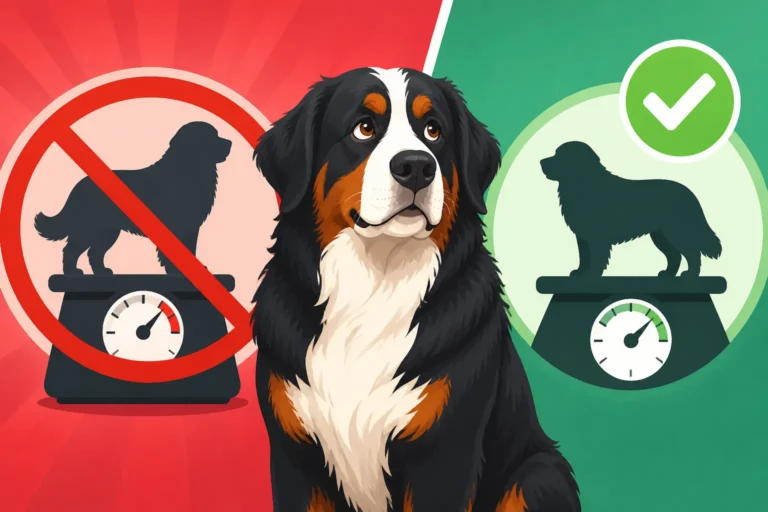
- Weight Management: Keeping your Bernese at a lean, healthy weight is one of the best things you can do for their joint health and overall well-being. Every extra pound puts stress on their hips, elbows, and spine.
- Exercise: Berners need appropriate exercise, but it's important to be mindful of their developing joints as puppies and their susceptibility to overheating as adults, especially in warmer climates. Exercising a Bernese Mountain Dog in Summer requires specific precautions.
- Pet Insurance: Given the breed's predisposition to costly health conditions like cancer and joint problems, pet insurance is a wise investment. Companies like Healthy Paws specialize in comprehensive coverage that can help mitigate the financial burden of unexpected veterinary bills, giving you peace of mind and allowing you to focus on your dog's health without financial stress. Planning for Insuring a Bernese Mountain Dog Against Cancer early can be a lifesaver.
By asking the right questions, scrutinizing health clearances, and committing to responsible lifetime care, you significantly increase your chances of sharing many wonderful years with your beloved Bernese Mountain Dog. While no one can guarantee The Bernese Mountain Dog That Reaches Twelve, you can make informed choices that aim for the longest, healthiest life possible, honoring the incredible bond you'll form. Considering What Ends a Bernese Mountain Dog's Life and proactively seeking a healthy lineage is the best gift you can give your future companion.
Disclaimer
This article is for general informational purposes only and does not constitute professional advice. Laws, prices and regulations vary by location and change over time. Consult a qualified professional for guidance on your specific situation.