Why Bernese Mountain Dog Rescues Take In Older Dogs
It’s a heartbreaking reality that many wonderful dogs, through no fault of their own, find themselves in rescue organizations, and sometimes, those dogs are past their puppy prime. If you’ve ever wondered why Bernese Mountain Dog rescues dedicate so much time and effort to older dogs, this guide is for you. We're going to dive into the reasons these gentle giants often need new homes in their golden years, the incredible benefits of adopting an older Berner, and how rescue organizations make these crucial connections happen.
The Journey of an Older Bernese Mountain Dog to Rescue
It’s easy to assume an older dog in rescue must have "issues," but the truth is often far simpler and more poignant. Life happens, and circumstances for families change, sometimes dramatically, leaving even the most beloved Bernese Mountain Dogs without a home. These situations are rarely about a dog being "bad" and almost always about an owner facing an impossible decision.
Life Changes That Force Rehoming
Imagine a family whose patriarch, the primary caregiver for their sweet Bernese Mountain Dog, suddenly passes away or needs to move into assisted living where pets aren't allowed. The children might be grown and living in apartments too small for a giant breed, or they might already have their hands full with their own families and pets. In such scenarios, keeping the Berner, despite deep affection, simply isn't feasible. The dog, who has known nothing but comfort and companionship, is suddenly adrift.
Another common scenario involves job loss or relocation. Moving to a new state for work might mean downsizing to a rental with strict weight or breed restrictions. Or perhaps a new job demands extensive travel, leaving no one home for a dog that thrives on companionship. These are not choices made lightly, and often, owners are devastated to part with their loyal companions, turning to breed-specific rescues as a last, hopeful resort. Sometimes, it's just a growing family where a new baby, while a joyous occasion, completely overwhelms the existing resources and time available for a large, demanding dog.
Unexpected Health or Behavioral Challenges
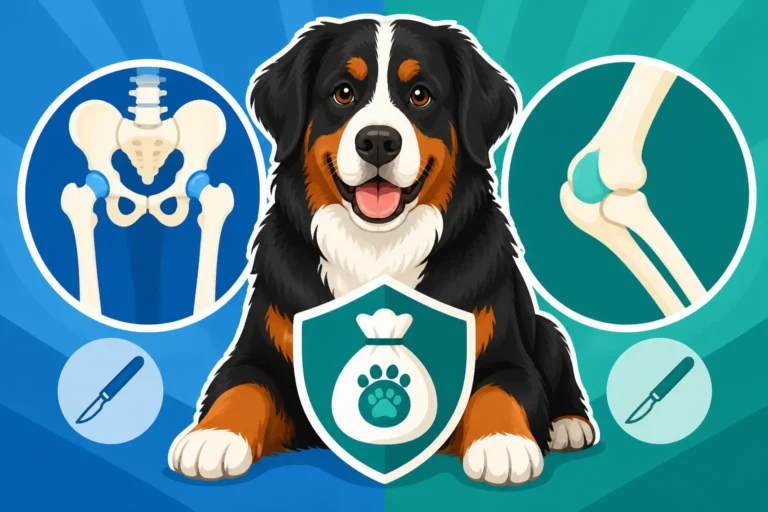
While often not the primary reason, sometimes an older Bernese Mountain Dog develops a health condition that becomes overwhelming for its current owners. Perhaps a family adopted their Berner puppy with dreams of long hikes, but by age six, the dog is showing significant signs of arthritis or Joint Disease in a Hundred Pound Bernese Mountain Dog. The vet bills become astronomical, and the physical demands of caring for a hundred-pound dog with mobility issues simply exceed what the owner can manage, especially if they are also aging or have their own health concerns.
Similarly, though rare for the generally good-natured Berner, some behavioral traits can become unmanageable. Maybe a previously friendly dog starts showing resource guarding tendencies with new family members, or perhaps anxiety develops, leading to destructive chewing when left alone. These aren't necessarily "bad" dogs, but rather dogs whose needs have evolved beyond their owner's capacity or knowledge. A rescue, with its network of experienced fosters and trainers, can often provide the specific environment and support needed to help these dogs thrive. It's a tough situation because many Berners are often easygoing, so when something changes, it can be a real head-scratcher for owners.
Misconceptions About Older Dogs
A persistent misconception is that older dogs are less adaptable, less affectionate, or somehow "damaged." This couldn't be further from the truth, especially for a breed like the Bernese Mountain Dog known for its devoted, gentle nature. Puppies are certainly adorable, but they come with a steep learning curve, requiring constant training, socialization, and housebreaking. An older Berner, on the other hand, often arrives with a lifetime of manners already under its belt.
People sometimes fear that an older dog won't bond with them, which is another myth. While a puppy might learn to see you as its first parent, an older dog chooses you. They understand what a warm bed, regular meals, and kind hands mean, and they often form incredibly deep, grateful bonds with their new families. They've lived, they've loved, and they still have so much to offer. Think of it this way: a senior Berner isn't looking for a teacher; they're looking for a companion to enjoy their well-earned retirement with. This is why many rescues actively seek homes for these seasoned companions.
The Unique Benefits and Considerations of Adopting an Older Berner
Adopting an older Bernese Mountain Dog is a truly special experience, offering a different kind of joy than raising a puppy. There are definite advantages to bringing an experienced companion into your home, but also important considerations to be fully prepared for.
The Joys of a Known Quantity
One of the biggest advantages of adopting an older Berner is that what you see is generally what you get. Their personality is fully formed and often well-documented by the rescue and previous owners. You’ll know if they’re a couch potato, a gentle lumberer, or a playful soul who still enjoys a good romp. The rescue can tell you if they're good with children, cats, or other dogs, removing much of the guesswork inherent in puppy adoption. This allows for a much more accurate match between a dog's needs and a family's lifestyle.
For example, if you have young children, finding a Berner that already has a proven track record of living calmly and patiently with kids can be a huge relief. You avoid the "puppy shark" phase and the unpredictable energy of a growing youngster. Similarly, if you work from home and need a quiet companion, a senior Berner who has mastered the art of napping by your feet is often a perfect fit. They’ve typically moved past the intense adolescent energy where a Bernese Mountain Dog That Pulls Its Owner Over on a walk might be a daily challenge. Many rescues will provide extensive profiles, including details on The Temperament Test a Therapy Bernese Mountain Dog Passes if the dog has experience in that realm, giving you a comprehensive understanding.
Health and Longevity Realities
It’s true that older Berners come with a shorter remaining lifespan and potentially more health considerations. The average age a Bernese Mountain Dog reaches is often shorter than many other breeds, typically around 7-8 years. This means an "older" Berner might be as young as five or six. While this can be difficult to face, it also means you're offering comfort and love during a crucial period of their lives. Many Berners develop issues like Arthritis in a Bernese Mountain Dog by Six or may even face The Cancer That Kills Half of All Bernese Mountain Dogs.
However, rescues are typically very transparent about any known health issues and will have completed veterinary check-ups. They often have dogs that are already spayed/neutered and up-to-date on vaccinations. While future health concerns are a possibility, as they are with any living creature, knowing the current state of health helps you prepare. Pet insurance companies like Healthy Paws can be lifesavers for older dogs, though it's important to understand potential exclusions for pre-existing conditions. While you can't prevent everything, being informed allows you to provide the best possible palliative care for a Bernese Mountain Dog if needed.
Here’s a quick overview of some common pros and cons:
| Aspect | Pros of Adopting an Older Berner | Cons of Adopting an Older Berner |
|---|---|---|
| Temperament | Known personality, often calmer, house-trained | May have ingrained habits or fears from past |
| Training | Basic obedience often in place, less "puppy mischief" | Can be harder to change established behaviors |
| Health | Vet checks often done by rescue, health history available | Shorter lifespan, higher potential for age-related illness |
| Bonding | Often forms deep, grateful bonds quickly | May have some separation anxiety if previous owner was always present |
| Time Commitment | Less intensive training needs than a puppy | May require more specialized care (meds, mobility) |
| Energy Levels | Generally lower, suited for quieter households | Less able to participate in strenuous activities |
Financial and Emotional Preparedness
Adopting an older Berner requires both financial and emotional readiness. Financially, you need to be prepared for the possibility of increased veterinary care, especially as they age. This might mean joint supplements, medications for arthritis, or even specialized diets. Online retailers like Chewy offer a wide range of senior-specific foods and supplements, making it easier to manage these needs. You might find yourself investing in orthopedic beds or ramps to help your older friend get around comfortably. Orthopedic Beds Sized for a Bernese Mountain Dog are a wonderful way to offer comfort.
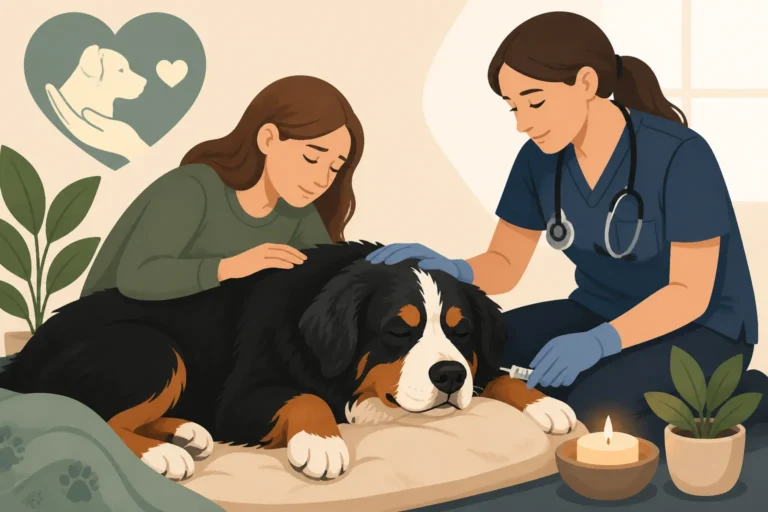
Emotionally, you need to understand that you are likely adopting a dog for its twilight years. This means cherishing every moment, providing comfort, and being prepared for the inevitable goodbye sooner than you might with a puppy. It's a profound act of compassion, providing a loving home for a dog that truly needs it. The bond formed with an older rescue Berner is incredibly rewarding, a testament to resilience and unconditional love. You'll gain a loyal companion who offers wisdom and quiet affection, enriching your life in immeasurable ways. Many adopters describe the unique gratitude of an older rescue dog as one of the most heartwarming experiences they've ever had.
How Bernese Mountain Dog Rescues Champion Older Dogs
Bernese Mountain Dog rescues are truly exceptional organizations. They don't just find homes; they provide a lifeline, especially for their older residents. Their dedication goes far beyond simply listing a dog for adoption; it involves a comprehensive network of support and care tailored to the specific needs of these magnificent dogs.
Comprehensive Vet Care and Assessment
When an older Bernese Mountain Dog enters a rescue, its journey typically begins with a thorough veterinary examination. This isn't just a quick once-over; it's a deep dive into their health history (if available) and current physical state. The rescue will often perform blood tests, check for common ailments like Thyroid Testing a Sluggish Bernese Mountain Dog, screen for Eye Conditions in a Bernese Mountain Dog, and assess joint health. They want to know if there's any underlying pain, discomfort, or medical condition that needs attention. This commitment to transparency helps potential adopters understand exactly what they're taking on.
Many rescues will cover initial treatments, dental cleanings, or even minor surgeries to get the dog into the best possible shape before adoption. They want these older dogs to have the best chance at a comfortable, pain-free life in their new homes. This means that when you consider Adopting a Bernese Mountain Dog With a Cancer History or other health challenges, the rescue will often have detailed information and recommendations from veterinarians, along with an understanding of what palliative care might entail. This thoroughness is invaluable, as it sets both the dog and the adopter up for success.
Foster Networks and Personalized Matching
The heart of many Bernese Mountain Dog rescues lies in their foster networks. These dedicated volunteers open their homes, providing a safe, loving environment for the dogs to decompress, heal, and reveal their true personalities. For an older Berner, a foster home is a world away from the stress of a shelter, offering a chance to relax and show their true selves. Foster parents observe the dog's behavior around children, other pets, its house-training status, and its energy levels. This intimate knowledge is then used to make the most successful matches.
The matching process for older dogs is incredibly personalized. Rescues aren't just looking for "any" home; they're looking for the right home. If a Berner prefers a quiet household without other dogs, they'll seek that specific environment. If a dog needs someone home most of the day, they'll prioritize families with that flexibility. This meticulous approach is vital, especially for older dogs who thrive on stability and a predictable routine. The foster family can often offer insights into subtle cues, like Whether a Bernese Mountain Dog Hides Discomfort, which are crucial for long-term well-being. They can tell you exactly what The First Month With a Rescued Bernese Mountain Dog might look like in your home.
Ongoing Support and Resources
A reputable Bernese Mountain Dog rescue doesn't just hand over a dog and disappear. They often provide ongoing support and resources to ensure the adoption is successful. This can include advice on nutrition, behavior, and even connecting new owners with local vets or trainers who have experience with the breed. If a dog is struggling to adjust, the rescue might offer guidance or even temporary re-fostering.
Many rescues also have strong community networks. They might host events or online forums where adopters can share experiences, ask questions, and find camaraderie. This support system can be invaluable, especially when navigating the specific challenges of caring for a large, older dog. Companies like Ollie, with their fresh, personalized dog food plans, can be a great option for older Berners who might have changing dietary needs or pickier appetites, and a rescue might point you toward such resources to ensure your new companion thrives. They understand that Caring for a Bernese Mountain Dog After Six is a unique journey that sometimes requires extra help.
Making the Decision: Is an Older Berner Right for You?
Opening your home to an older Bernese Mountain Dog is a significant decision, and it’s one that requires honest self-assessment. While the rewards are immense, it’s crucial to understand the commitment involved and ensure your lifestyle aligns with the needs of a senior giant breed.
Assessing Your Lifestyle and Living Situation
Before considering an older Berner, take a good, hard look at your daily life. Do you have a relatively quiet home environment, or is it constantly bustling with activity? While some older Berners can adapt to a busy household, many will appreciate a calmer pace. Do you have stairs in your home? A large, older dog with potential joint issues may struggle with stairs, meaning you might need to carry them (which is a challenge with Lifting a Hundred Pounds of Bernese Mountain Dog) or install ramps. Runners and Rugs for a Bernese Mountain Dog That Slips are often a necessity on hard floors.
Consider your time commitment. While an older Berner might not need intense training, they still need regular attention, walks, and companionship. If you work long hours away from home, will someone be there to let them out, feed them, and offer company? Bernese Mountain Dogs are companion animals; they thrive on being part of the family, not being left alone for extended periods. Even an older Berner can develop separation anxiety if they've had a traumatic rehoming experience. Think about your future travel plans – Kennel Rates for a Bernese Mountain Dog can be significant, or you might need a pet sitter.
Financial Preparedness for a Golden Companion
We touched on this earlier, but it bears repeating: adopting an older Bernese Mountain Dog often means anticipating higher veterinary expenses. While rescues do their best to address immediate health concerns, ongoing care for age-related conditions is likely. This could involve regular medications, specialized diets, or even mobility aids like supportive harnesses or a dog cart if they develop conditions like Living With a Bernese Mountain Dog Losing Its Back Legs.
It's wise to have an emergency fund specifically for your dog's care. Consider pet insurance, but research policies carefully, as many will not cover pre-existing conditions. Discuss with the rescue any known health issues and get an estimate of potential ongoing costs from your veterinarian. The joy an older Berner brings is priceless, but the practicalities of their care need to be part of your realistic budget. What Oncology Bills Reach for a Bernese Mountain Dog or What Hip Replacement Costs a Bernese Mountain Dog Owner are real considerations that demand financial planning.
Emotional Readiness for the Inevitable
Perhaps the most challenging aspect of adopting an older Bernese Mountain Dog is the emotional readiness for their potentially shorter time with you. These dogs often enter rescue because their first families couldn't continue their care, and you are offering them a final, loving chapter. It's a profound gift, but it comes with the understanding that goodbyes will likely come sooner rather than later.
This doesn't mean you shouldn't adopt an older Berner. Quite the opposite. It means every day spent with them is a precious gift. You'll witness their resilience, their capacity for love, and the incredible bond they form. You'll provide comfort, security, and happiness during a vulnerable time in their lives. While it will be heartbreaking when the time comes to say goodbye, the love and companionship you share will be immeasurable. Many adopters speak of the profound satisfaction of giving an older dog the best last years of their life, finding deep meaning in that special connection. It's a journey filled with love, laughter, and sometimes tears, but always worth it.
Disclaimer
This article is for general informational purposes only and does not constitute professional advice. Laws, prices and regulations vary by location and change over time. Consult a qualified professional for guidance on your specific situation.