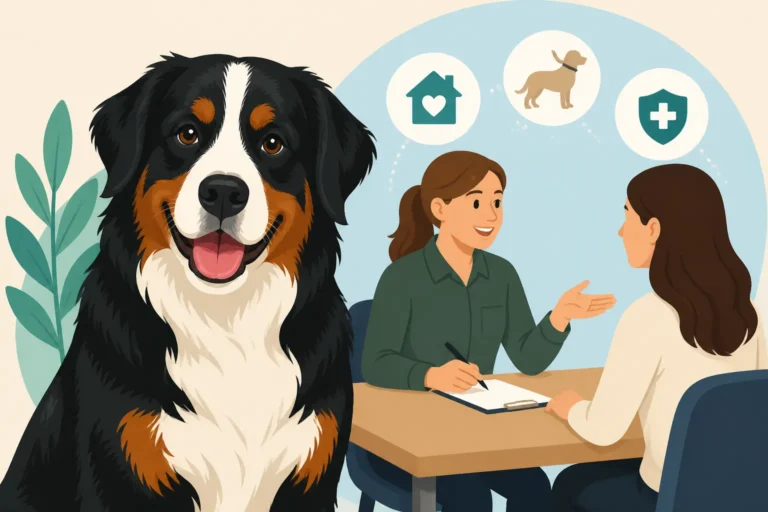
The Range Bernese Mountain Dog Quotes Come Back In
Bringing a Bernese Mountain Dog into your life is an absolute joy, but it's also a significant financial commitment that catches many prospective owners by surprise. The quotes you hear for acquiring and keeping one of these magnificent dogs can vary wildly, leading to confusion and sometimes even regret if you're not prepared for the full scope of expenses. This guide is here to shed light on the full financial spectrum of Bernese Mountain Dog ownership, from the initial adoption fee to the ongoing costs and the inevitable, sometimes heartbreaking, medical bills that are unfortunately common with this beloved breed.
The Initial Investment: Puppy or Rescue Costs
The first major expense is, of course, acquiring your Bernese Mountain Dog. This isn't just a simple price tag; it's a reflection of many factors, from the breeder's practices to the dog's age and health history. Understanding what influences these initial costs is crucial for making a responsible decision.
Reputable Breeder Prices
If you're looking for a Bernese Mountain Dog puppy from a responsible, ethical breeder, prepare for a higher initial cost. This isn't just about the cuteness of a puppy; it's an investment in a dog that has had the best possible start in life, both genetically and environmentally. Reputable breeders invest heavily in their dogs and litters. They perform comprehensive health clearances on both parent dogs, which often include OFA (Orthopedic Foundation for Animals) certifications for hips, elbows, patellas, and cardiac health, as well as eye certifications and genetic testing for conditions like von Willebrand Disease and Degenerative Myelopathy. You might want to check out information on The Bernese Mountain Dog Health Panel to understand the extent of these tests.
These tests are expensive, and they significantly reduce the risk of your puppy developing debilitating inherited conditions later in life, potentially saving you thousands in vet bills down the line. A good breeder also provides excellent nutrition for the pregnant mother and puppies, performs early socialization, offers initial vaccinations and deworming, and provides ongoing support to new owners. They will often share detailed pedigrees and health records, ensuring transparency. This dedication translates into a higher upfront price, and it's why you'll see What a Fully Cleared Bernese Mountain Dog Litter Sells For at a premium compared to less scrupulous sources.
What Cheaper Puppies Often Mean
On the flip side, you'll inevitably encounter ads for Bernese Mountain Dog puppies at prices that seem too good to be true. And, unfortunately, they often are. These lower prices typically come from backyard breeders or, even worse, puppy mills. These operations often cut corners on crucial aspects of dog welfare and breeding practices. They rarely perform health clearances on parent dogs, meaning your puppy has a much higher chance of inheriting painful and expensive conditions like hip and elbow dysplasia. For more on this, you might be interested in The Untested Bernese Mountain Dog That Costs You at Five.
Puppies from these sources may also come with unknown genetic predispositions, inadequate early veterinary care, and poor socialization, leading to behavioral problems down the road. While the initial cash outlay might be less, the potential for massive veterinary bills and behavioral training costs later in the dog's life can far exceed any initial savings. It’s a classic case of paying less now but much, much more later, both financially and emotionally.
Adopting Through Rescue
Another wonderful option is adopting a Bernese Mountain Dog through a breed-specific rescue organization. The adoption fees are generally lower than buying from a reputable breeder, and they typically include spaying/neutering, vaccinations, and sometimes even initial health screenings. Rescues often take in dogs of all ages, from puppies to seniors, and provide them with necessary veterinary care and rehabilitation before placement.
Adopting an older Bernese Mountain Dog can be incredibly rewarding. These dogs often come with known personalities and may already be house-trained and socialized. While you might not get a young puppy, you get to skip the challenging puppy phase and provide a loving home to a dog in need. Rescues like the Bernese Mountain Dog Club of America's regional rescue groups are dedicated to ensuring their dogs go to suitable homes and provide detailed information about the dog's background and any known health issues. Checking What Berner Rescue Charges and What It Screens can give you a clearer picture of their processes.
Everyday Essentials: Keeping Your Berner Happy and Healthy
Beyond the initial cost of acquisition, the day-to-day expenses of owning a Bernese Mountain Dog are substantial. These are large dogs with specific needs, and their size directly impacts the cost of almost everything.
Food Bills for a Giant Breed
Feeding a Bernese Mountain Dog is a major ongoing expense, and it's one area where cutting corners can lead to health problems. These dogs consume a significant amount of food, often requiring large breed-specific formulas to support their rapid growth as puppies and maintain their adult weight and joint health. A high-quality large-breed kibble can be surprisingly expensive, and if you opt for fresh or raw food diets, those costs climb even higher.
Many owners find convenience and potential savings through subscription services like Chewy or Ollie, which deliver food directly to your door. Ollie, for example, specializes in fresh, human-grade dog food tailored to your dog's specific needs, but this personalized approach will naturally reflect in the price. The quantity alone means you'll be buying bags of food frequently. For insight into what to expect, consider reading A Month of Food for a Bernese Mountain Dog. Skimping on quality here can impact their coat, energy levels, and long-term health, so it’s an area where it truly pays to invest.
Grooming and Maintenance
Bernese Mountain Dogs are famously beautiful with their long, tri-color double coats, but that beauty comes with a price: shedding and grooming. They shed, and they shed a lot, especially during seasonal changes. Regular brushing is essential to prevent mats and to manage the copious amounts of hair that will otherwise take over your home. You'll need high-quality brushes, rakes, and possibly a forced-air dryer, which can be an upfront investment.
While many owners tackle grooming at home, professional grooming is often necessary for baths, thorough deshedding treatments, and nail trims, especially as your Berner gets older and less mobile. Given their size, professional grooming appointments can be quite costly. It's not uncommon for a groomer to charge a premium for a dog of Bernese Mountain Dog size due to the time and effort involved. For a better understanding, you might want to look into What a Bernese Mountain Dog Groom Costs to budget appropriately.
Routine Veterinary Care
Even a perfectly healthy Bernese Mountain Dog needs regular veterinary care. This includes annual check-ups, vaccinations, deworming, and year-round flea, tick, and heartworm prevention. As they age, these routine visits often include bloodwork to monitor organ function, especially important for a breed prone to certain health issues.
Puppyhood, in particular, involves a series of vaccinations and health checks that add up quickly. It's not just about the initial vet visit; it's about establishing a consistent relationship with a veterinarian who understands large breeds and their unique needs. These routine preventative measures are your first line of defense against more serious, and far more expensive, health problems down the road. Staying proactive with check-ups, especially as your dog nears six or seven years old, can catch potential issues early.
The Unpredictable: Health & Emergency Costs
This is where Bernese Mountain Dog ownership can become truly financially demanding. Sadly, Berners are prone to several serious health conditions, and preparing for these possibilities is an act of love and responsibility.
Understanding Pet Insurance Options
Given the breed's predispositions to certain serious health issues, pet insurance is not just an option for many Bernese Mountain Dog owners; it's practically a necessity. Policies vary widely in what they cover, deductibles, and monthly premiums. Major illnesses like cancer, hip or elbow dysplasia, and bloat can rack up bills reaching into the thousands, or even tens of thousands, of dollars.
Providers like Healthy Paws offer comprehensive accident and illness plans, which can be a lifesaver when an unexpected diagnosis hits. However, it's crucial to research and understand what is covered, what isn't (pre-existing conditions are almost always excluded), and the reimbursement percentages. The cost of insuring a Bernese Mountain Dog is generally higher than for smaller or healthier breeds due to their genetic predispositions. It's wise to enroll your puppy as young as possible, before any conditions manifest that could be deemed pre-existing. For more detailed insights, reading Insuring a Bernese Mountain Dog Against Cancer can be very informative.
Common Bernese Mountain Dog Health Issues
Bernese Mountain Dogs are unfortunately susceptible to a range of health problems that can necessitate expensive medical interventions. Canine cancer, particularly Histiocytic Sarcoma, is devastatingly common in the breed, affecting a significant portion of Berners. Treatments can include surgery, chemotherapy, and radiation, all of which carry hefty price tags. Learn more about The Cancer That Kills Half of All Bernese Mountain Dogs.
Joint diseases like hip and elbow dysplasia are also prevalent due to their rapid growth and large size. Surgical corrections for these conditions are invasive and expensive, often followed by extensive physical therapy. Then there's bloat (Gastric Dilatation-Volvulus), a life-threatening emergency common in deep-chested breeds, which requires immediate and costly surgery to save the dog's life. Reading about Bloat in a Deep-Chested Bernese Mountain Dog can prepare you for this urgent possibility. Degenerative Myelopathy is another neurological condition that can lead to significant mobility challenges and require specialized care. These aren't minor issues; they often require specialists and intensive care, inflating costs dramatically.
Emergency Scenarios and Their Price Tags
Beyond chronic conditions, accidents or sudden acute illnesses can strike at any time. A twisted gut (bloat), an ingestion of something toxic, a severe injury from a fall, or a sudden, unexplained illness that requires hospitalization are all scenarios that can result in an emergency veterinary bill that can easily reach thousands of dollars in a single instance. For example, What Bloat Surgery Costs on a Bernese Mountain Dog can be financially crippling if you're not prepared.
Emergency veterinary clinics operate 24/7, and their services are inherently more expensive due to specialized equipment, staffing, and urgency. Having an emergency fund specifically for your Bernese Mountain Dog, or a robust pet insurance policy, is not just recommended, it's a critical part of responsible ownership. Without it, you might be faced with making impossible decisions during an already stressful time.
Lifestyle and Miscellaneous Costs
Beyond the core expenses, owning a Bernese Mountain Dog often involves a range of other costs that contribute to their well-being and your lifestyle adjustments. These are often overlooked but can quickly add up.
Training and Socialization
A well-behaved Bernese Mountain Dog is a joy, but their size and strength mean that good training is non-negotiable. Puppy classes are an excellent investment, teaching basic manners and crucial socialization skills. As they grow into their adult size (often over 100 pounds), more advanced obedience training might be necessary, especially for leash manners on a hundred-pound Bernese Mountain Dog. Without proper training, a large, unruly dog can be challenging to manage, potentially leading to damaged property or even injury.
Positive reinforcement training methods work best with the sensitive Bernese personality. These classes, whether group sessions or private lessons, add to your overall cost. Many owners also find value in activities like canine good citizen classes or even specialized draft work training, which taps into their historical purpose. You can investigate Training Class Prices for a Bernese Mountain Dog Puppy to get an idea of what these programs typically cost in your area.
Equipment and Supplies
Everything for a Bernese Mountain Dog needs to be large-breed sized, and that often means a higher price tag. This includes:
- Crates: A crate large enough for an adult Berner is a significant purchase.
- Beds: Orthopedic beds are a must for preventing pressure sores and supporting their joints, and a quality one sized for a giant breed can be expensive. You might want to consider Orthopedic Beds Sized for a Bernese Mountain Dog.
- Leashes and Harnesses: Durable, strong equipment is essential for controlling a powerful dog.
- Toys: They need sturdy toys that can withstand their powerful jaws, which often means investing in higher-quality, more expensive options that won't be destroyed in minutes.
- Food and Water Bowls: Large, elevated bowls are often recommended to help prevent bloat.
Many of these items can be sourced through retailers like Chewy, which offers a wide selection, but the sheer size requirements for a Bernese Mountain Dog mean you'll rarely find the cheapest options sufficient.
Travel and Boarding
If you travel frequently, you'll need to consider arrangements for your Bernese Mountain Dog. Finding kennels that can accommodate giant breeds can be challenging, and their rates are typically higher than for smaller dogs. Alternatively, hiring a pet sitter who is comfortable with large dogs might be an option, but again, expect a premium for their services.
If your Berner travels with you, pet-friendly accommodations often come with additional fees. Some airlines have restrictions on carrying very large dogs, and the cost of specialized travel crates and airfare for a large dog can be prohibitive. These are important considerations for anyone who leads a mobile lifestyle.
Here's a quick overview of potential cost ranges to help you visualize the investment:
| Cost Category | Typical Low-End Range (USD) | Typical High-End Range (USD) | Notes |
|---|---|---|---|
| Initial Acquisition | $500 – $1000 (Rescue) | $2500 – $5000+ (Breeder) | Dependent on source, health clearances, and pedigree. |
| Annual Food | $800 | $2000+ | Quality of food (e.g., kibble vs. fresh like Ollie), size, and activity level. |
| Annual Routine Vet | $300 | $800 | Vaccinations, check-ups, parasite prevention. |
| Annual Grooming (DIY) | $100 – $300 (Supplies) | $600 – $1200+ (Professional) | Cost of brushes/shampoo vs. regular professional deshedding and bathing. |
| Annual Pet Insurance | $700 | $1500+ | Varies by age, coverage, deductible, and provider like Healthy Paws. |
| Emergency Fund (Savings) | $1000 | $5000+ | Critical for unexpected medical emergencies not covered by insurance. |
| Annual Training/Classes | $150 | $500+ | Puppy classes, obedience, or specialized training. |
| Equipment/Supplies | $300 (Initial) | $800+ (Initial & Replacements) | Crate, beds, leashes, bowls, toys. Durable large-breed items are pricier. |
| Boarding/Pet Sitting | $50/night | $100+/night | Varies greatly by location and service chosen. |
As you can see, the costs associated with a Bernese Mountain Dog are significant and span across various categories. Being prepared for these financial demands will allow you to provide the best possible care for your beloved companion and enjoy many happy years together, minimizing stress during unexpected situations.
Disclaimer
This article is for general informational purposes only and does not constitute professional advice. Laws, prices and regulations vary by location and change over time. Consult a qualified professional for guidance on your specific situation.