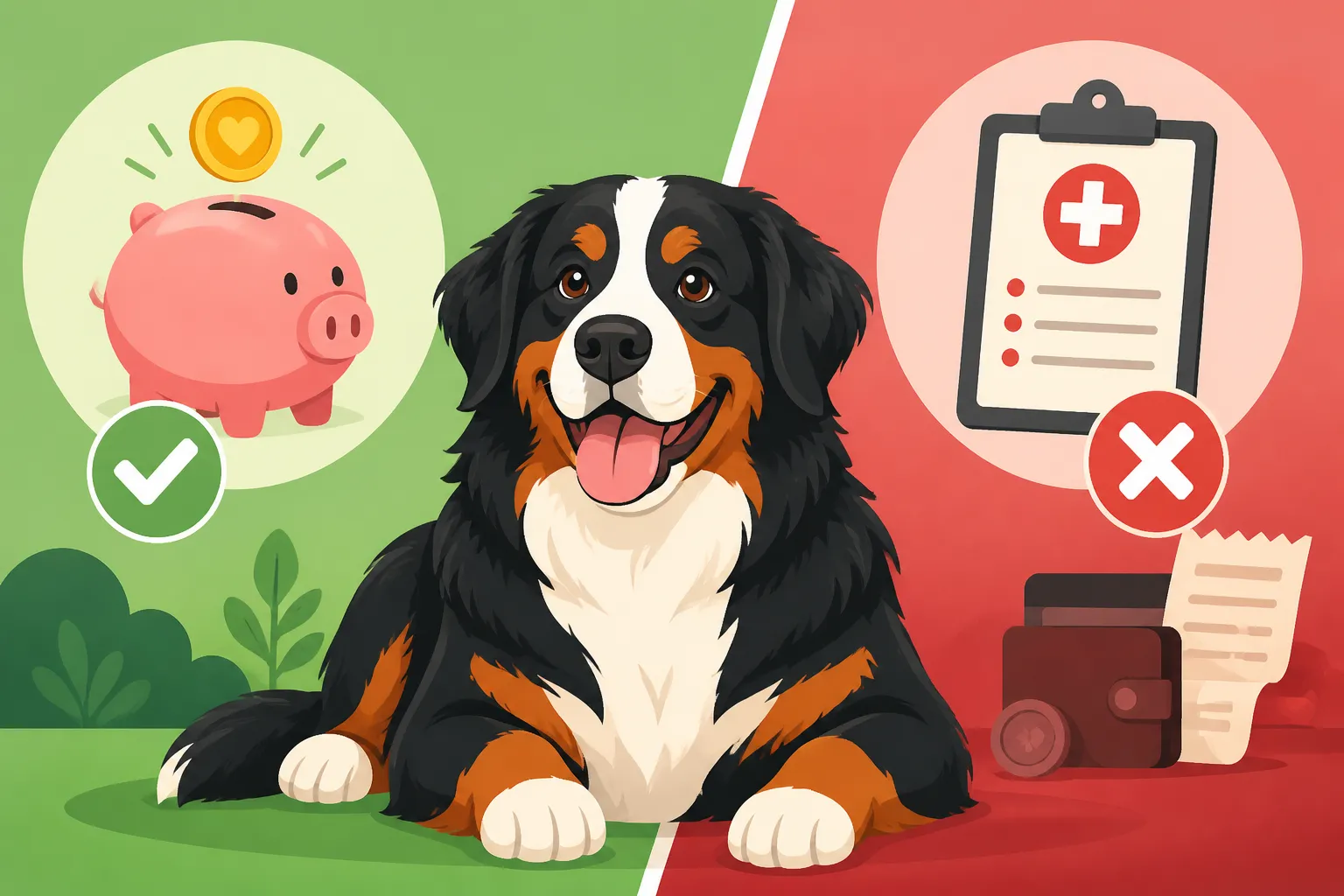
Whether a Short-Lived Breed Costs Less Overall
It's a common, understandable thought when you’re considering a Bernese Mountain Dog: "They don't live as long as some other breeds, so maybe their overall lifetime cost won't be as high." It feels logical, right? Fewer years should equal fewer bills. But as any Bernese owner will tell you, the reality is far more nuanced, and often, that initial assumption couldn't be further from the truth. This guide will dive deep into why a shorter lifespan doesn't necessarily translate to lower costs for these magnificent, yet often medically complex, dogs.
The Initial Financial Outlay: Looking Beyond the Puppy Price
When you bring home a Bernese Mountain Dog puppy, you're not just paying for a cute, fluffy bundle of joy. You're investing in a lifetime of care that begins long before they even reach adulthood. The initial price tag, while significant, is just the tip of the iceberg.
The Cost of a Well-Bred Bernese Puppy
Finding a responsible breeder for a Bernese Mountain Dog is crucial, and it comes with a certain price. These aren't bargain-basement pups, and for good reason. A reputable breeder is investing heavily in the health and well-being of their breeding stock and puppies. This includes extensive health testing on the parents for conditions common in the breed, such as hip and elbow dysplasia, eye conditions, and heart issues. They might also perform genetic tests for things like Von Willebrand's disease and degenerative myelopathy. These tests are expensive, but they are absolutely vital for trying to ensure a healthier start for your puppy and, hopefully, fewer astronomical vet bills down the line.
When you see a Bernese puppy advertised for a price that seems too good to be true, it almost always is. Those lower prices often mean the breeder skipped critical health screenings, which can lead to heartbreaking and budget-breaking health problems for you later on. You want to see proof of parents having OFA Clearances a Bernese Mountain Dog Should Have or other certifications. Think of the puppy price as an upfront investment in potential future health. While no guarantee, a well-bred puppy from health-tested lines stands a better chance.
Early Life Essentials: Gear, Food, and First Vet Visits
Bringing a giant breed puppy home means buying everything in "giant" size, and that quickly adds up. A small crate or bed won't cut it for long; you’ll need a spacious crate that can accommodate their adult size, which is quite an investment. Puppy-proofing your home takes on a new dimension when your puppy is destined to reach over a hundred pounds. Chew toys need to be robust, and even collars and leashes need to be heavy-duty.
Then there's the food. Bernese Mountain Dog puppies grow at an astonishing rate, and they need high-quality large-breed puppy food formulated specifically for their rapid development to prevent orthopedic problems. This specialized food tends to be more expensive per bag, and they go through it quickly. You’ll be visiting the vet frequently for their initial vaccination series, deworming, and general check-ups. These early costs are non-negotiable foundations for their health, regardless of how many years they eventually live. Establishing Baseline Bloodwork for a Young Bernese Mountain Dog can also be a smart move, giving your vet a clearer picture of their normal health.
Navigating the "Bernese Window": Unexpected Health Costs
This is where the idea of "shorter lifespan equals less cost" really falls apart for Bernese Mountain Dogs. While they may not live as long as some smaller breeds, many of their most significant and expensive health challenges tend to appear during what would be the prime of life for other dogs – typically between ages 4 and 7. This means you’re often facing intensive, costly treatments during a period when you might expect fewer major health events.
When Major Health Issues Arrive Early
Bernese Mountain Dogs are unfortunately predisposed to several serious conditions, with cancer being the most prominent. The Cancer That Kills Half of All Bernese Mountain Dogs is a harsh reality for owners. Histiocytic sarcoma, lymphoma, and mast cell tumors are far too common, and they often strike when your dog is still relatively young, full of life, and you're deeply bonded. These aren't conditions that wait until old age; they can appear suddenly and require immediate, aggressive intervention.
Beyond cancer, joint diseases like hip and elbow dysplasia can lead to significant pain and mobility issues. A Bernese Mountain Dog Whose Back Legs Give Out due to degenerative myelopathy or severe arthritis requires ongoing management, pain medication, and potentially mobility aids. Then there's bloat, a life-threatening emergency that can strike any deep-chested breed without warning and requires immediate, expensive surgery. The Half-Hour That Decides a Bloated Bernese Mountain Dog illustrates the urgency and financial pressure of this condition.
The Expense of Diagnosis and Treatment
Diagnosing these complex conditions isn't cheap. It often involves a battery of tests: X-rays, ultrasounds, blood work, biopsies, and even advanced imaging like CT scans or MRIs. For a Bernese, these diagnostic procedures alone can run into thousands of dollars. Once a diagnosis is made, treatment can be even more staggering. Chemotherapy, radiation therapy, specialized surgeries for cancer or joint issues, long-term pain management, and physical therapy are all incredibly costly.
Imagine your beloved Bernese, just five years old, suddenly developing a limp. You take them to the vet, and after X-rays and perhaps an MRI, you get the devastating news of bone cancer or severe hip dysplasia. The choice then becomes whether to pursue aggressive treatment, which could involve surgery and oncology, or focus on palliative care. Either path requires substantial financial resources. What Oncology Bills Reach for a Bernese Mountain Dog can give you a stark perspective on these numbers.
The Role of Pet Insurance
Given the breed’s health predispositions and the potential for high veterinary bills, pet insurance becomes less of a luxury and more of a necessity for many Bernese Mountain Dog owners. A good pet insurance policy can be a lifeline when faced with a cancer diagnosis or an emergency like bloat surgery. Companies like Healthy Paws are well-regarded for their comprehensive coverage, though it’s crucial to research policies carefully. You need to understand deductibles, reimbursement percentages, and annual limits.
It’s often said that if you can’t afford pet insurance for a Bernese, you might not be able to afford a Bernese. The monthly premiums might seem like another ongoing cost, but they offer peace of mind and financial protection against the truly catastrophic expenses that are unfortunately common in this breed. Trying to insure a Bernese after a diagnosis means that condition will likely be considered pre-existing and won't be covered, highlighting the importance of getting a policy when they are young and healthy. Insuring a Bernese Mountain Dog Before Its First Lump is wise advice.
The Daily & Ongoing Realities of Large Breed Ownership
Beyond the potential for high medical costs, the sheer size of a Bernese Mountain Dog means that daily and ongoing expenses are simply higher than for many other breeds, regardless of their lifespan.
Feeding a Hundred Pounds of Love
This is perhaps the most obvious and consistent expense. A Bernese Mountain Dog, especially one that matures to 90-120 pounds, eats a lot of food. And not just any food – it needs to be high-quality, nutritionally balanced, and often formulated for large breeds or sensitive stomachs. You'll be buying large bags of kibble frequently, and these can be significantly more expensive than food for a smaller dog.
Consider a subscription service like Ollie for fresh, pre-portioned meals. While perhaps pricier upfront, the quality can contribute to overall health, potentially mitigating some future vet costs, and it ensures they're getting exactly what they need. However you choose to feed, these costs add up steadily over the years. A Month of Food for a Bernese Mountain Dog is a significant line item in any Berner owner's budget. It's not just about filling their belly; it's about providing the right fuel for their large frame and active lifestyle.
Grooming the Magnificent Coat
That beautiful, thick tricolor coat that everyone admires? It requires a fair bit of maintenance. Bernese Mountain Dogs are known for their significant shedding, especially during seasonal blows. While you can do a lot of grooming at home with the right tools – a good slicker brush, an undercoat rake, and a high-velocity dryer are all essential – it still takes time and effort. Many owners opt for professional grooming, particularly for baths and thorough de-shedding treatments.
A professional groom for a dog the size of a Bernese will naturally cost more than for a smaller breed. They require more shampoo, more time, and more physical effort from the groomer. Keeping their coat free of mats and preventing skin issues hidden beneath their dense fur is crucial for their comfort and health. Grooming a Bernese Mountain Dog Too Big to Lift can be a challenge, making professional help even more appealing, despite the cost.
Supplies Sized for a Giant
From beds to bowls to toys, everything for a Bernese Mountain Dog needs to be large, durable, and often more expensive. A regular dog bed simply won't suffice for a 100-pound dog; you'll need an orthopedic bed designed to support their joints and weight. These can be quite an investment, and you might go through a few over their lifetime. Even bowls need to be large enough to accommodate their meals without spilling.
Toys designed for large, powerful chewers are a must if you want them to last longer than an hour. Many owners find themselves frequently restocking on durable chews and toys, which can be purchased from online retailers like Chewy for convenience and variety. Then there are the smaller, but equally important, supplies: larger doses of flea, tick, and heartworm medication, bigger poop bags, and harnesses that can withstand a powerful pull. These seemingly minor costs accumulate into a substantial sum over the years.
The True Lifetime Cost: More Than Just Years Lived
Ultimately, the argument that a short-lived breed costs less overall is a flawed one when it comes to the Bernese Mountain Dog. Their specific health vulnerabilities and large size mean that the intensity of their care and associated expenses during their shorter lifespan can easily match or exceed the cumulative costs of a longer-lived, generally healthier, smaller breed.
Planning for the Inevitable
Even if your Bernese is lucky enough to avoid major health crises, the natural aging process for a giant breed begins earlier. A Bernese Mountain Dog at six or seven years old might already be showing signs of arthritis, requiring joint supplements, pain medication, and a softer lifestyle. This proactive and reactive care for an aging dog adds to the overall financial commitment. Caring for a Bernese Mountain Dog After Six often involves increased vet visits and specialized support.
When the time comes to say goodbye, even that has a cost. Euthanasia, cremation, or burial services, especially for a large dog, come with their own set of fees. These are costs that every pet owner faces, but the emotional weight is undeniable, especially when a dog is taken too soon.
Comparing Costs to Longer-Lived Breeds
Let's consider a hypothetical comparison. A smaller, longer-lived breed might cost $50-$70 a month for food and routine care over 12-15 years, with occasional moderate vet bills. A Bernese, however, might cost $80-$120 a month for food and routine care, but potentially incur tens of thousands of dollars in emergency or oncology bills during its 7-8 year lifespan. Even with pet insurance, you’re still paying premiums and deductibles, and co-pays on massive bills.
| Expense Category | Average Cost for Bernese Mountain Dog (Per Year) | Average Cost for Smaller, Longer-Lived Breed (Per Year) | Notes |
|---|---|---|---|
| Initial Puppy Cost | Significant (Higher upfront for well-bred) | Moderate (Often less for well-bred) | Berners often come with higher initial purchase prices due to breeder health testing. |
| Food & Treats | High (Large quantities of large-breed food) | Moderate (Smaller portions, potentially cheaper food) | Berners consume considerably more food. |
| Routine Vet Care | Moderate (Regular check-ups, vaccines) | Moderate | Similar frequency, but meds/procedures for large dogs can be more expensive (e.g., anesthesia dosing). |
| Grooming (Professional) | High (Due to size, double coat, shedding) | Moderate (Less time/product required) | Larger dogs cost more for professional grooming. |
| Supplies & Gear | High (Oversized, durable items needed) | Moderate (Smaller, less robust items often suffice) | Crates, beds, harnesses, toys are all larger and pricier. |
| Pet Insurance Premiums | High (Due to breed health risks) | Moderate (Lower risk profile) | Insurers factor in breed-specific predispositions. |
| Major Health Issues | Very High (Cancer, joint issues, bloat common) | Variable (Less frequent, often less severe) | This is the biggest differentiator; Berners are prone to expensive, early-onset conditions. |
| Palliative/End-of-Life | High (For large dogs, sometimes earlier) | Moderate (Often later in life) | Costs for medication, mobility aids, and final services can be substantial. |
| Total Lifetime (Hypothetical) | Often Higher | Potentially Lower | The intense costs during their shorter lifespan often outweigh the extended period of lower costs. |
As you can see, while the duration of ownership might be shorter, the intensity of financial outlay during that time, especially concerning health, means that a Bernese Mountain Dog often ends up costing more overall than a longer-lived breed. The notion that a short-lived breed equates to lower lifetime costs is a myth quickly dispelled by the unique needs and health challenges of the magnificent Bernese. They give us so much love in their years, but financially, they ask for a lot in return.
Disclaimer
This article is for general informational purposes only and does not constitute professional advice. Laws, prices and regulations vary by location and change over time. Consult a qualified professional for guidance on your specific situation.