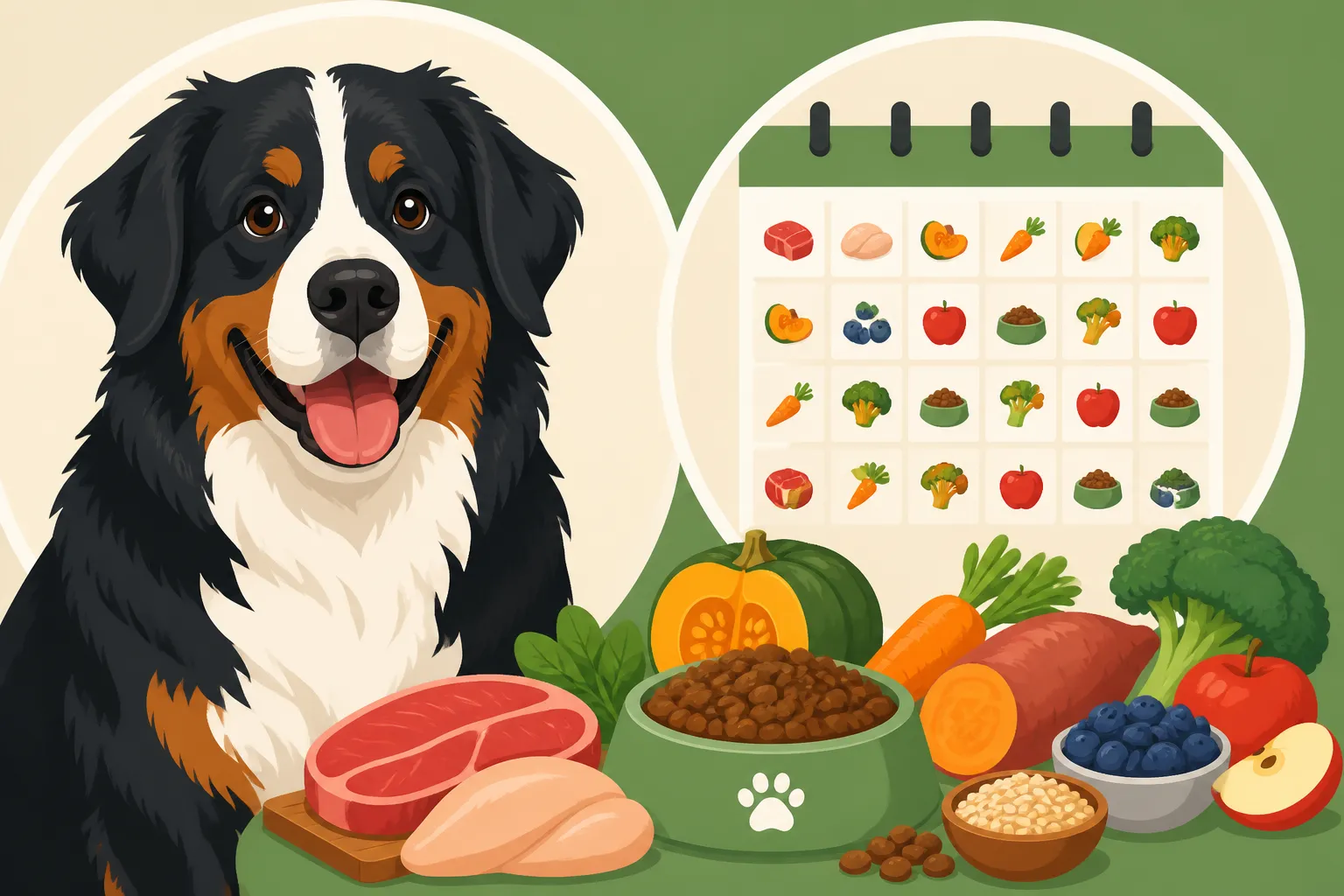
A Month of Food for a Bernese Mountain Dog
One of the biggest eye-openers for new Bernese Mountain Dog owners is just how much these magnificent dogs eat! Their sheer size translates directly into a significant recurring expense, and it’s completely normal to feel a bit overwhelmed looking at the grocery bill. This guide is here to walk you through what to expect when it comes to feeding your Bernese Mountain Dog, breaking down the monthly food costs, and helping you make informed decisions for their health and your budget.
Understanding Your Bernese Mountain Dog's Unique Nutritional Requirements
When you bring a Bernese Mountain Dog into your home, you're not just getting a big dog; you're getting a rapidly growing, large-boned, deep-chested companion with specific dietary needs. Their nutrition isn't a "one size fits all" scenario, and understanding these nuances is key to their long-term health and managing your monthly budget.
Puppy vs. Adult Requirements
A Bernese Mountain Dog puppy grows at an astonishing rate. They can go from a fluffy little ball of fur to a substantial adolescent in mere months. During this critical period, their diet needs to support rapid bone and muscle development without causing them to grow too quickly, which can exacerbate joint problems later in life. This means looking for large-breed puppy formulas that often have carefully controlled calcium and phosphorus levels. You'll likely be feeding them more frequently – typically three to four meals a day – for quite a while, and the caloric density of puppy food can sometimes make it seem like you're going through bags faster. It's a significant investment upfront, but it pays dividends in strong, healthy development. For more on this, you might find Feeding a Bernese Mountain Dog Puppy to a Hundred Pounds helpful.
As your Berner matures into adulthood, usually around 18-24 months, their caloric needs will shift. While they're still large dogs requiring a substantial amount of food, their growth plates have closed, and their energy expenditure might stabilize. An adult Bernese Mountain Dog will typically eat two meals a day. The focus shifts from rapid growth to maintaining a healthy weight, supporting joint health, and fueling their daily activities. Getting the balance right is crucial; an overweight Berner puts unnecessary strain on their already susceptible joints. Finding out How Much an Adult Bernese Mountain Dog Eats is a good starting point for planning.
Giant Breed Specifics
Bernese Mountain Dogs are, by definition, a giant breed. This isn't just about their impressive height and weight; it comes with specific health considerations that influence their diet. Their joints, particularly hips and elbows, are prone to issues like dysplasia, and proper nutrition plays a role in minimizing strain. Many giant breed formulas include ingredients like glucosamine and chondroitin, or extra Omega fatty acids, which are believed to support joint health. While these additions can sometimes make food a bit more expensive, they can also be a proactive measure against future vet bills. You might also want to explore Whether Large Breed Food Is Worth It for a Bernese Mountain Dog to understand the nuances of these specialized diets.
Another critical concern for Bernese Mountain Dogs, and many other deep-chested breeds, is bloat (Gastric Dilatation-Volvulus). While food alone isn't the sole cause, feeding practices can influence risk. Many vets recommend feeding smaller, more frequent meals, and avoiding elevated bowls or vigorous exercise immediately before or after eating. The type of kibble (size and shape) can also play a role, with some advocating for larger kibble pieces to slow down ingestion. Considering these factors means you might need to adjust how you feed, not just what you feed, which can affect the quantity you go through in a month if your dog is a fast eater.
Activity Level Impact on Food Intake
Just like humans, a Bernese Mountain Dog's activity level directly impacts how much food they need. A Berner who spends most of their day lounging might not need as many calories as one who regularly goes on long hikes, participates in draft work, or enjoys active playtime. However, even a relatively inactive Bernese Mountain Dog still has a large body mass to maintain, so they'll never eat a tiny amount.
It's about finding that sweet spot where they maintain a healthy body condition – you should be able to feel their ribs easily without seeing them protruding, and they should have a discernible waist. If your Berner is starting to look a little thick around the middle, it’s a sign to re-evaluate their food intake and potentially increase their exercise. Conversely, a very active dog might need a higher-calorie formula or a slightly larger portion to keep weight on. Monitoring their weight and adjusting their food accordingly is a continuous process that ensures they remain healthy and vibrant throughout their lives. Keeping an eye on The Body Condition a Bernese Mountain Dog Should Carry is a fantastic habit.
Types of Dog Food and Their Monthly Costs
The world of dog food has expanded dramatically, offering everything from traditional kibble to gourmet fresh meals. Each type comes with its own price tag, and understanding these differences is crucial when budgeting for your Bernese Mountain Dog's monthly meals.
Kibble Options
Dry kibble remains the most popular and generally most affordable option for feeding large breeds like the Bernese Mountain Dog. The cost can vary wildly, though, based on brand, ingredient quality, and where you purchase it. A typical bag of high-quality large-breed kibble can range in price, and a full-grown Berner might easily go through a large bag, sometimes more, in a month. Brands like Purina Pro Plan, Royal Canin, and Eukanuba often offer large breed specific formulas that are widely available.
When choosing kibble, look for formulas with real meat as the first ingredient, and consider those specifically formulated for large or giant breeds. While cheaper kibble might seem appealing, it often contains more fillers and less digestible ingredients, meaning your dog needs to eat more to get the same nutritional value. This can actually make it a false economy, not to mention potentially leading to more waste and digestive upset. Many online retailers like Chewy offer subscription services and bulk discounts, which can significantly cut down on your monthly costs for a staple like kibble.
Wet and Canned Food
Wet or canned food can be a tempting addition to your Bernese Mountain Dog's diet, either as a topper for kibble or as a standalone meal. It's often highly palatable, has a higher moisture content, and can be great for picky eaters or dogs with certain health conditions. However, the cost per calorie for wet food is considerably higher than kibble, making it an expensive primary diet for a dog that can easily weigh over 100 pounds.
If you opt to feed wet food exclusively, prepare for a substantial monthly bill. A Berner could easily require multiple large cans per day to meet their caloric needs, quickly multiplying the cost. Many owners use wet food as a treat, a special meal, or mixed in with kibble to entice their dog, rather than as the sole source of nutrition. This can be a great way to add variety and hydration without completely breaking the bank.
Raw and Fresh Dog Food Services
The raw food and fresh dog food movements have gained a lot of traction, with proponents touting benefits like shinier coats, better digestion, and increased energy. Brands like Ollie deliver pre-portioned, human-grade fresh food directly to your door, making it convenient. However, this premium quality and convenience come at a significantly higher price point than even the most expensive kibble.
Feeding a raw or fresh diet to a Bernese Mountain Dog means committing to a substantial budget. Given their size, the sheer volume of food required makes these options the most expensive. While some owners find the health benefits worth the investment, it's essential to understand the financial commitment involved. You'll want to carefully research and consider if this approach aligns with your budget and lifestyle. Homemade raw or fresh diets, while potentially cheaper than commercial services, require a deep understanding of canine nutrition to ensure your Berner is getting all the necessary vitamins and minerals in the correct ratios.
Here's a quick overview of estimated monthly food costs based on food type for an adult Bernese Mountain Dog:
| Food Type | Estimated Monthly Cost (Range) | Pros | Cons |
|---|---|---|---|
| High-Quality Dry Kibble | Medium | Most affordable, easy to store, nutritionally complete | Less moisture, can be less palatable |
| Wet/Canned Food (as main) | High | Highly palatable, high moisture content, good for picky | Very expensive, often lower caloric density |
| Raw/Fresh Food Services | Very High | High quality ingredients, potentially better digestion | Most expensive, requires proper handling and storage |
Note: These are general estimates. Actual costs will vary based on brand, specific formula, your dog's individual needs, and where you buy the food.
Factors Influencing Your Monthly Food Bill
The sticker price of a bag of food is just one piece of the puzzle. Several other factors come into play that can dramatically affect your overall monthly expenditure on your Bernese Mountain Dog's diet.
Brand and Quality Differences
Just like with human food, the brand and quality of dog food have a direct impact on its price. Premium brands, often featuring human-grade ingredients, single-source proteins, or extensive testing, will naturally cost more. These brands might include options you see at specialty pet stores or direct-to-consumer models. Mid-range brands strike a balance between quality and cost, often found in larger pet supply stores. Then there are budget-friendly brands, usually found in supermarkets, which tend to use more fillers and by-products.
While it's tempting to always go for the cheapest option, remember that food quality often correlates with nutrient density and digestibility. A higher-quality food might mean your Berner needs to eat less of it to feel satisfied and receive adequate nutrition, potentially balancing out the higher upfront cost. It’s also worth considering how a healthy diet might impact long-term health, and potentially reduce vet bills down the line. Investing in good nutrition can be a preventative measure.
Special Dietary Needs
Sometimes, our Bernese Mountain Dogs develop specific health issues that require a special diet. This could be due to allergies, sensitivities, or medical conditions like kidney disease, liver disease, or pancreatitis. These prescription diets, often recommended and sold by veterinarians, are formulated to manage specific health challenges and typically come with a higher price tag.
For example, a Berner with a sensitive stomach might need a limited ingredient diet, which can cost more than a standard formula. A dog diagnosed with certain medical conditions might need a veterinary therapeutic diet for the rest of their life. These specialized foods are often indispensable for managing health, but they will certainly add to your monthly budget. It’s another reason why considering pet insurance, like plans from Healthy Paws, can be so valuable, as it might help cover the costs of managing conditions that necessitate these special foods.
Where You Buy Your Food
Where you purchase your Bernese Mountain Dog's food can also make a big difference in your monthly bill. Buying from local boutique pet stores often means paying a premium for personalized service and curated selections. Supermarkets might offer convenience, but their selection of large-breed or high-quality formulas might be limited.
Online retailers like Chewy often provide the most competitive pricing, especially when you opt for bulk purchases or subscribe to auto-ship programs. These platforms frequently offer discounts for first-time orders or ongoing subscriptions, which can add up to significant savings over a year. For a hundred-pound dog that goes through a lot of food, buying larger bags or even multiple bags at once can reduce the per-pound cost. Remember to always factor in shipping costs if you're buying online, though many large pet supply sites offer free shipping over a certain order value.
Strategies for Managing Your Bernese Mountain Dog's Food Budget
Feeding a Bernese Mountain Dog can be expensive, but there are smart ways to keep your budget in check without compromising their health or happiness. It's all about making informed choices and being a savvy shopper.
Buying in Bulk
For a large breed like a Bernese Mountain Dog, buying food in the largest available bags is almost always more cost-effective. The price per pound typically decreases significantly as the bag size increases. While a 30 or 40-pound bag might seem like a huge upfront expense, it will often last your Berner for a good chunk of the month, or even longer depending on their specific The Daily Ration a Hundred Pound Berner Gets.
The key here is proper storage. Large bags need to be stored in airtight containers to keep the food fresh, prevent spoilage, and deter pests. This also means you'll need space to store these containers. If you have multiple Berners, or even just one very hungry individual, purchasing several large bags at once when sales hit can lead to substantial long-term savings. Keep an eye out for loyalty programs or subscription discounts from retailers like Chewy; these often make bulk purchasing even more attractive.
Exploring Cost-Effective Food Brands and Options
You don't always need to buy the absolute most expensive brand to provide excellent nutrition. Many mid-range dog food brands offer high-quality ingredients and formulations suitable for large breeds without the top-tier price tag. Reading ingredient labels, researching brand reputations, and checking out customer reviews can help you find excellent value. Look for foods that have meat as the primary ingredient and avoid excessive fillers.
Sometimes, rotating between a couple of trusted, cost-effective brands can also be beneficial, both for your dog's palate and your wallet. Just be sure to transition slowly between foods to avoid digestive upset. Also, consider the difference between "grain-free" and "grain-inclusive." While grain-free was once very popular, current veterinary understanding suggests that for most dogs, grains are not harmful and can be a good source of nutrients and fiber. Grain-inclusive diets are often less expensive than their grain-free counterparts.
Smart Supplementation and Treats
When it comes to supplementing your Bernese Mountain Dog's diet, a little goes a long way. While some owners choose to add fresh ingredients, this should always be done carefully to ensure a balanced diet. A few simple additions can be beneficial without breaking the bank. For example, a spoonful of plain canned pumpkin can help with digestive upset, and a boiled egg or a small amount of cooked lean meat can be a high-value, nutritious treat.
Joint supplements are a common consideration for Bernese Mountain Dogs given their predisposition to joint issues. While some premium foods incorporate joint support ingredients, many owners opt for additional supplements. The Joint Supplement Costs for a Bernese Mountain Dog can vary, but these can be a worthwhile investment in proactive care. When choosing treats, prioritize healthy, low-calorie options or simply use small pieces of their regular kibble. This reduces extra calories and keeps your treat budget manageable. Remember, a Bernese Mountain Dog doesn't need huge, expensive treats to feel loved; a consistent routine and positive reinforcement mean far more.
Final Thoughts on Your Berner's Food Budget
Feeding a Bernese Mountain Dog is a significant financial commitment, but it’s one that directly impacts their health, happiness, and lifespan. By understanding their unique nutritional needs, exploring different food types, and implementing smart budgeting strategies, you can ensure your beloved Berner receives the best possible diet without completely draining your bank account. It’s a journey of learning and adjustment, but every happy wag of that big tail is worth the effort.
The Cancer That Kills Half of All Bernese Mountain Dogs
Why a Bernese Mountain Dog Lives Only Seven or Eight Years
Bloat in a Deep-Chested Bernese Mountain Dog
The Bernese Mountain Dog Health Panel
Screening an Older Bernese Mountain Dog
What a Bernese Mountain Dog Weighs at Six Months
Taking Ten Pounds Off a Bernese Mountain Dog
Where a Bernese Mountain Dog in Rescue Comes From
What the BMDCA Asks of Bernese Mountain Dog Breeders
The First-Time Owner Who Chooses a Bernese Mountain Dog
Disclaimer
This article is for general informational purposes only and does not constitute professional advice. Laws, prices and regulations vary by location and change over time. Consult a qualified professional for guidance on your specific situation.