Therapy Work With a Bernese Mountain Dog
There’s something incredibly special about a Bernese Mountain Dog; their gentle giants of the dog world, with hearts as big as their furry bodies. Many of us dream of sharing that incredible warmth and calm presence with others in need, envisioning our Berner bringing smiles and comfort to hospitals, schools, or senior living facilities. This comprehensive guide will walk you through everything you need to know about preparing your Bernese Mountain Dog for therapy work, from understanding their unique temperament to navigating the certification process and embracing the fulfilling journey ahead.
Understanding What Makes a Bernese Mountain Dog a Great Therapy Candidate
Bernese Mountain Dogs possess a constellation of traits that make them naturally suited for therapy work. It’s not just their stunning looks; it's their very essence. But like any breed, they also come with unique considerations that prospective therapy dog handlers need to understand.
Temperament and Natural Affinity
At their core, Bernese Mountain Dogs are renowned for their calm, gentle, and affectionate nature. These are not dogs that are typically high-strung or overly reactive. Instead, they often exhibit a serene demeanor, an almost zen-like quality that allows them to remain composed even in new or slightly chaotic environments. This inherent calmness is a cornerstone of effective therapy work, as it means they're less likely to be startled by sudden noises or unexpected movements that might occur in a hospital or school setting.
Their loyalty and eagerness to please their humans are also huge assets. A Berner will often form a deep bond with their family, and this connection translates into a dog who is keen to work with and respond to their handler's cues. They genuinely seem to enjoy human interaction, often leaning into people for a gentle caress or offering a soft nudge. This natural inclination towards companionship means they’re often intuitively good at connecting with people, providing a comforting presence without being overly boisterous. They carry themselves with a quiet dignity, which can be profoundly reassuring to those who might be feeling vulnerable or anxious. It's truly wonderful to see a The Bernese Mountain Dog That Leans on Everyone extend that innate kindness to strangers.
Physical Presence and Comfort
There's no denying the sheer physical appeal of a Bernese Mountain Dog. Their large, sturdy build makes them feel incredibly substantial and comforting when someone leans against them or rests a hand on their thick, soft coat. Many people find immense solace in the physical connection with a large dog, feeling grounded and safe. Imagine a child reading aloud, gently stroking a Berner's plush fur, or an elderly patient finding warmth and calm in their quiet presence. Their long, tricolor coats are incredibly inviting to touch, and that sensory experience alone can be incredibly therapeutic.
Beyond their size, their facial expressions are often soft and intelligent, with warm, dark eyes that seem to communicate understanding and empathy. This combination of impressive size, gentle demeanor, and inviting fur creates a powerful sense of comfort and non-judgmental acceptance. It’s a silent embrace that many people yearn for, and Berners are masters at providing it. This physical presence, however, also means they need to be impeccably trained in terms of leash manners, as Leash Manners on a Hundred Pound Bernese Mountain Dog are crucial for navigating busy environments safely.
Challenges in Temperament
While many Bernese Mountain Dogs embody the ideal therapy dog temperament, it’s important to acknowledge that not every Berner is a perfect fit, and even those with great potential might have areas to work on. Some Berners can be quite reserved or even a little shy, especially with strangers or in novel situations. The breed standard describes them as "self-confident and good-natured," but also notes that they can be "aloof with strangers." This isn't aggression, but rather a preference for their inner circle. A true therapy dog needs to be genuinely enthusiastic about meeting new people, regardless of their appearance or behavior. Understanding What the Standard Means by an Aloof Bernese Mountain Dog is crucial here.
Another potential challenge can be a Berner's sensitivity. They are often soft-hearted dogs who don't respond well to harsh corrections or overwhelming environments. If your Berner is one of The Bernese Mountain Dog That Quits After One Correction, you’ll need a highly positive and gentle training approach to build their confidence for therapy work. Overcoming any initial shyness requires careful, positive socialization from a young age, exposing them to a wide variety of people, sounds, and experiences without ever forcing them into uncomfortable situations. It's about building their confidence and ensuring they associate new encounters with positive feelings.
The Difference Between a Therapy Dog and a Service Dog
Before embarking on the journey of therapy dog training, it's absolutely vital to understand the fundamental distinctions between a therapy dog and a service dog. These terms are often used interchangeably by the public, but in the eyes of the law and the world of assistance animals, they are vastly different roles with different training requirements and legal protections.
Defining Roles and Training
A service dog is specifically trained to perform tasks directly related to a person's disability. Think of a guide dog for the visually impaired, a hearing dog for the deaf, or a medical alert dog. These dogs are working animals, often with highly specialized training that can take years to master. Their purpose is to mitigate the effects of a disability, and they are typically focused on their handler and the tasks they perform for that individual. Their training is rigorous and task-specific, leading to a profound independence for their handler.
A therapy dog, on the other hand, is trained to provide comfort, affection, and emotional support to many different people in various settings, such as hospitals, nursing homes, schools, or disaster areas. While they undergo significant training to ensure they are well-behaved, calm, and safe in these environments, their role is not to assist a specific individual with a disability in their daily life. Instead, they are there to bring joy, reduce stress, and promote healing for a wider group of people. Their training focuses on excellent manners, resilience to new situations, and a genuine enjoyment of interacting with diverse populations.
Public Access Rights
This is where the legal distinctions become most apparent and where misunderstandings can lead to significant issues.
Service dogs are granted extensive public access rights under laws like the Americans with Disabilities Act (ADA) in the United States. This means they are allowed to accompany their handler almost anywhere the public is allowed to go, including restaurants, grocery stores, public transportation, and hotels, regardless of "no pets" policies. These rights are protected by federal law because the service dog is considered a necessary medical tool for their disabled handler.
Therapy dogs do not have the same public access rights as service dogs. While they are often welcome in specific facilities like hospitals or schools by invitation and with prior arrangement, they do not have the legal right to enter public places where pets are generally prohibited. When you take your Bernese Mountain Dog for a therapy visit, it's because the facility has explicitly invited you and your certified dog. You cannot simply walk into a restaurant or store with your therapy dog and expect the same access as a service dog team. Understanding this distinction is crucial to being a responsible and respectful therapy dog handler. Attempting to pass a therapy dog off as a service dog is not only illegal but can also harm the legitimacy and access rights of true service dog teams.
Here's a quick comparison of these two vital roles:
| Feature | Therapy Dog | Service Dog |
|---|---|---|
| Role | Provides comfort, affection, and support to many | Performs specific tasks for one disabled individual |
| Primary Beneficiary | Multiple people in a facility | Their disabled handler only |
| Training Focus | Manners, temperament, generalization, interaction | Task-specific skills, disability mitigation |
| Public Access | Invited access only; no general public access rights | Full public access rights under ADA laws |
| Certification | Through private organizations (voluntary) | No federal certification; defined by task performance |
| Legal Status | Pet with special training | Medical equipment/assistance animal |
Essential Training Foundations for Therapy Work
A Bernese Mountain Dog might have the perfect temperament for therapy work, but that natural inclination needs to be honed and solidified through consistent, positive training. You can't just show up to a hospital with a sweet dog; they need to be impeccably behaved and bomb-proof in various situations.
Obedience and Good Manners
This is the bedrock upon which all successful therapy work is built. Your Bernese Mountain Dog needs to have rock-solid obedience commands, and they need to perform them reliably under distraction. We're talking about more than just knowing "sit" at home; they need to "sit" politely when a child excitedly runs up to them, or "stay" when a tray of medical instruments rolls by.
Key commands and behaviors your Berner must master include:
- Sit, Down, Stay: These are fundamental for polite greetings, settling in a room, and maintaining control. A strong "stay" command is especially important for situations where your dog needs to remain in place while you interact with a person or prepare for a visit.
- Come: A reliable recall is essential for safety and control, especially if you ever need to quickly redirect your dog in an unfamiliar environment.
- Leave It/Drop It: Absolutely critical for therapy work. You might encounter dropped medications, food, or other items that are unsafe for your dog to investigate. Being able to instantly disengage from these temptations is non-negotiable.
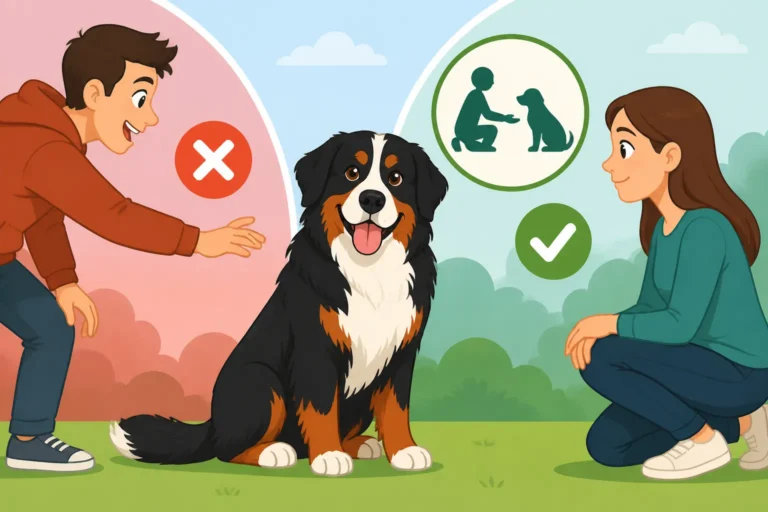
- Polite Greetings: No jumping! A hundred-pound Bernese Mountain Dog jumping up, even in friendliness, can easily knock over a frail patient or a small child. They need to greet people calmly, ideally with all four paws on the floor, accepting pets without getting overly excited.
- Walk Nicely on Leash: Therapy environments can be busy, with narrow hallways and equipment. Your dog must walk beside you without pulling, weaving, or forging ahead. This ensures safety for both your dog and everyone around them. Leash Manners on a Hundred Pound Bernese Mountain Dog are not just for walks in the park; they're essential for professional settings.
Remember, Berners can be sensitive to correction and might appear "stubborn" if not motivated correctly. Positive reinforcement, using high-value treats and praise, is the most effective approach. An online program, such as those offered by BAXTER & Bella, can provide a structured curriculum to build these foundational skills from puppyhood, ensuring consistency in your training methods. They offer comprehensive guides that can help even if you feel like your Berner is one that seems to learn slowly.
Socialization Beyond the Basics
Most dog owners understand the importance of early socialization for puppies, but for a therapy dog, it goes far beyond typical puppy classes. Your Berner needs to be comfortable with a vast array of people, situations, sounds, and smells. This isn't just about meeting twenty different people; it's about meeting people of all ages, ethnicities, and abilities.
Think about the environments they might encounter:
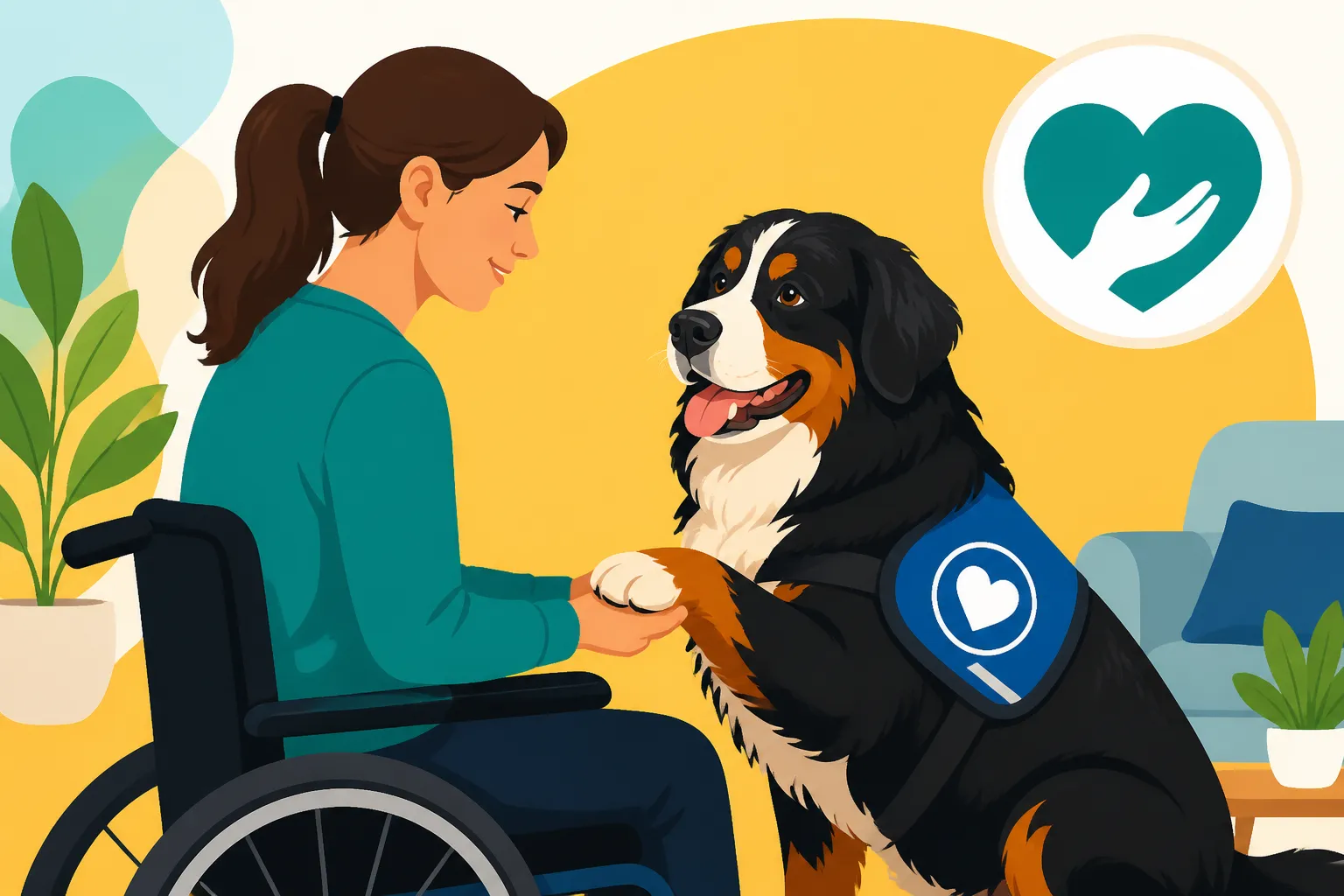
- People with varied mobility: Someone in a wheelchair, using crutches, a walker, or moving slowly. Your dog should be comfortable with the sight and sound of these aids and understand how to politely approach without getting in the way.
- Unusual attire: People wearing hats, uniforms, medical scrubs, large coats, or even oxygen masks.
- Diverse sounds: Beeping medical equipment, sirens, crying babies, loud alarms, sudden coughs, or the clatter of dropped items.
- Different surfaces: Slippery hospital floors, carpet, linoleum, concrete ramps. Your dog needs to walk confidently on all of them.
Early, positive exposure is key. Take your well-behaved Berner on short, controlled trips to pet-friendly stores, quiet parks, or even just sit outside a busy cafe to observe. Always ensure these experiences are positive, with treats and praise, and never force your dog into a situation where they are clearly uncomfortable. If you have A Bernese Mountain Dog Around Children, ensure they have positive, supervised interactions with kids of all ages.
Desensitization to Unusual Stimuli
Therapy environments are full of things that most dogs don't encounter in their daily lives. Your Berner needs to be desensitized to these stimuli so they remain calm and unflustered.
Consider practicing with:
- Medical equipment: Crutches, walkers, wheelchairs, IV poles, oxygen tanks. Have a friend or family member move around with these items. Roll a wheelchair past your dog. Let them sniff the crutches. Make it a normal, non-threatening experience.
- Unusual noises: Play recordings of hospital sounds, crying babies, or sudden loud noises at a low volume and gradually increase it. Reward your dog for remaining calm.
- Unusual touch: Therapy dogs need to tolerate being petted in sometimes awkward ways, or by people with unsteady hands. Practice gently touching your dog's paws, ears, tail, and even their mouth. Get them used to Handling a Bernese Mountain Dog at the Vet by making vet visits positive experiences, which translates well to therapy settings.
- Different scents: Hospitals have distinct smells. While you can't replicate them perfectly, exposing your dog to a variety of safe household scents can broaden their acceptance of new odors.
This desensitization process isn't about scaring your dog; it's about gradually introducing new things in a positive way so they learn that these novelties are nothing to worry about. This careful preparation is what separates a sweet family pet from a truly reliable therapy dog.
Preparing for Therapy Dog Certification
Once you feel your Bernese Mountain Dog has a solid foundation in obedience and has been extensively socialized and desensitized, the next step is pursuing official certification. This isn't just a piece of paper; it's a validation of your dog's temperament and training, and it opens the doors to actual therapy visits.
Choosing a Therapy Dog Organization
There are several reputable therapy dog organizations, and it’s important to research them to find one that aligns with your values and offers support in your area. Some of the well-known ones include Therapy Dogs International (TDI), Pet Partners, and Alliance of Therapy Dogs (ATD). Each organization will have its own specific requirements, testing procedures, and membership benefits.
When choosing, consider:
- Local presence: Does the organization have evaluators and active teams in your community?
- Requirements: What are the age requirements for dogs and handlers? Are there specific health clearances or training prerequisites? The Bernese Mountain Dog Health Panel is something you'll need to stay on top of for certification.
- Insurance: Most organizations provide liability insurance for certified teams during visits, which is absolutely crucial.
- Support and resources: Do they offer ongoing education, a community of fellow handlers, or assistance with finding visiting opportunities?
- Focus areas: Some organizations specialize in certain types of therapy (e.g., animal-assisted literacy programs), while others are broader.
Contacting a few different organizations and speaking with current therapy dog handlers in your area can provide invaluable insights into which organization will be the best fit for you and your Bernese Mountain Dog.
Passing the Temperament Test
The core of certification is the temperament test, which evaluates your Bernese Mountain Dog’s ability to remain calm, friendly, and under control in a simulated therapy environment. This test is designed to be challenging, as it needs to ensure the safety of vulnerable individuals your dog will be visiting.
While specific exercises vary by organization, common elements include:
- Accepting friendly strangers: Your dog must happily and politely greet multiple strangers, including those dressed in unusual clothing (hats, medical scrubs).
- Ignoring other dogs: Your Berner needs to remain focused on you and their task, even if another dog is present.
- Reactions to startling noises: Loud noises (dropped items, sudden shouts) will be introduced to assess your dog's reaction. They should show minimal startle and recover quickly.
- Reactions to unusual equipment: Exposure to wheelchairs, crutches, and walkers. Your dog should not be fearful or aggressive towards these.
- Supervised separation: Your dog needs to be comfortable being left with a friendly stranger for a short period while you step out of sight.
- Appearance and grooming: Your dog should be clean, well-groomed, and comfortable with being examined.
- Walking through a crowd: Demonstrating polite leash manners while navigating close quarters with people.
- "Leave It" and "Take It": Showing reliable control around tempting items, including food. The Temperament Test a Therapy Bernese Mountain Dog Passes article goes into even more detail on these crucial skills.
It's highly recommended to take a preparatory class specifically for therapy dog testing. These classes often simulate the test environment and help you identify any areas where your Berner might need more practice. Remember, the goal isn't just to pass; it's to ensure your Bernese Mountain Dog is genuinely comfortable and safe in these situations.
Ongoing Training and Maintenance
Achieving certification is a fantastic milestone, but it's not the end of the journey. Therapy dog work requires ongoing commitment to training and maintaining your dog's skills.
- Practice makes perfect: Regularly practice obedience commands in different environments to keep them sharp. Just because your Berner can Teach a Bernese Mountain Dog to Settle at home doesn't mean they'll immediately do it in a busy hospital.
- Refresher courses: Many therapy dog organizations require re-testing every one or two years to ensure teams remain up to standard.
- Socialization is continuous: Continue to expose your Bernese Mountain Dog to new places and people to prevent them from becoming rusty or fearful.
- Observe your dog: Pay close attention to your Berner during and after visits. Are they enjoying the work? Are they showing signs of stress (lip licking, yawning, excessive panting, pulling away)? A good therapy dog enjoys the interaction, and it should never be forced or stressful for them. Recognizing these subtle cues is part of being a responsible handler.
- Grooming: A clean, well-groomed dog is not only more pleasant for patients but also reduces the spread of allergens. Regular brushing and bathing are essential for a Bernese Mountain Dog's thick coat.
This continuous commitment ensures that your Bernese Mountain Dog remains a happy, healthy, and effective therapy partner throughout their career.
Types of Therapy Work a Bernese Mountain Dog Excels At
The wonderful temperament and physical attributes of the Bernese Mountain Dog make them suitable for a variety of therapy settings, each offering unique rewards and experiences. Their calm, reassuring presence is universally welcomed.
Visiting Hospitals and Nursing Homes
This is perhaps the most well-known type of therapy dog work, and Bernese Mountain Dogs are exceptionally good at it. In hospitals, they can bring a moment of joy and distraction to patients undergoing difficult treatments, recovering from surgery, or dealing with chronic illness. Their soft fur and gentle nature provide a tangible source of comfort, often lowering blood pressure and anxiety levels. Just having a big, warm body to lean against or a soft ear to whisper secrets to can make a world of difference.
In nursing homes, Berners can help combat loneliness and provide a much-needed connection for residents. Many elderly individuals miss their own pets or simply crave the unconditional affection a dog offers. A Bernese Mountain Dog's calm demeanor means they can easily navigate quiet rooms or bustling common areas, settling peacefully beside a bed or in a lap (if allowed and safe). The simple act of stroking their coat can evoke fond memories, stimulate conversation, and bring a quiet sense of peace. Their ability to remain composed and affectionate even with people who might move slowly or have unpredictable sounds makes them ideal companions in these sensitive environments.
Reading Programs with Children
For many children, learning to read can be daunting. The pressure of reading aloud to an adult can create anxiety, hindering their progress. This is where a Bernese Mountain Dog truly shines. In "Read to a Dog" programs, children read to a therapy dog, often at local libraries or schools. The dog provides a non-judgmental, calming presence, listening patiently without correcting pronunciation or judging mistakes.
A Bernese Mountain Dog's size and gentle nature make them particularly well-suited for this role. A child can sit comfortably beside them, leaning against their warm side, feeling safe and supported. The dog's quiet presence creates a relaxed atmosphere, allowing the child to focus on the story rather than their performance. For many children, this interaction builds confidence and fosters a love for reading. It's truly heartwarming to witness A Bernese Mountain Dog Around Children making such a positive impact on young lives.
College Campus Stress Relief
College life, especially during exam periods, can be incredibly stressful for students. Many universities now host "stress relief" events where therapy dogs visit campus, offering a much-needed break from studying and a chance to decompress.
A Bernese Mountain Dog’s friendly and approachable nature makes them a magnet for students seeking a furry hug. Their soft fur is perfect for petting, and their calm disposition provides an immediate sense of peace amidst the academic chaos. These visits can significantly reduce anxiety, lift spirits, and provide a moment of simple joy. For students far from home, a therapy Berner can offer a comforting reminder of their own pets and a brief escape from the pressures of university life. It's a testament to the Berner's innate ability to connect and soothe, providing quiet solace to those overwhelmed by the demands of life.
The Realities of Therapy Dog Ownership
Becoming a therapy dog team with your Bernese Mountain Dog is incredibly rewarding, but it's important to approach it with a realistic understanding of the commitment involved. It's not just about showing up; it's a lifestyle choice that impacts both you and your beloved Berner.
Time Commitment and Energy Levels
Therapy work, while fulfilling, demands a significant time commitment. Beyond the hours spent in initial training and certification, there are ongoing practice sessions to keep your Berner's skills sharp. Then, there are the actual visits themselves, which include travel time to and from facilities, the visit duration, and time to decompress afterward. A single visit can easily take up a half-day or more, depending on the distance and the nature of the engagement.
Moreover, while Bernese Mountain Dogs are known for their calm nature, they are still large, energetic dogs who need regular exercise and mental stimulation. You can't just expect them to be "on" for therapy visits and then neglected at home. This means balancing therapy work with their regular needs for walks, playtime, and family time. For many, therapy work becomes a cherished part of their routine, but it's crucial to ensure it doesn't lead to burnout for either the human or the canine partner. It's a genuine commitment, and it aligns with What a Bernese Mountain Dog Asks of a New Owner – dedication and consistent care.
Emotional Impact on the Dog and Handler
Therapy work, by its very nature, means you and your Bernese Mountain Dog will be exposed to people in vulnerable, sometimes sad, situations. This can take an emotional toll on both of you.
For your dog, while many Berners genuinely love the attention, it’s crucial to watch for signs of stress or fatigue. A dog might enjoy a few hours of interaction, but continuous, demanding visits without adequate breaks can be draining. Signs of a stressed therapy dog can include excessive yawning, lip licking, pulling away, refusing treats, or even hiding behind their handler. It's your responsibility to be your dog's advocate, recognizing when they need a break, a quiet moment, or to end a visit entirely. Not every dog is suited for every type of therapy work, and it’s okay if your Berner prefers one setting over another.
As the handler, you will inevitably encounter heartbreaking situations. You might meet patients who are terminally ill, children facing immense challenges, or grieving families. It's vital to have a support system in place, whether that's fellow therapy dog handlers, friends, or family, to help you process these experiences. It’s also important to practice self-care and recognize your own emotional limits. The emotional give-and-take is immense, but the profound joy and connection you facilitate make it all worthwhile.
Health Considerations
Given the breed's predispositions, the health of your Bernese Mountain Dog is a paramount consideration for therapy work. A therapy dog must be robust enough to handle the physical demands of regular visits, which can include walking on different surfaces, standing for periods, and navigating busy environments.
Bernese Mountain Dogs are prone to certain health issues, particularly joint problems like hip and elbow dysplasia, and various cancers. A dog suffering from pain or discomfort will not be a good therapy candidate, regardless of their temperament. Regular veterinary check-ups, maintaining a healthy weight, and providing appropriate joint support are crucial. You'll want to ensure your Berner has passed The Bernese Mountain Dog Health Panel and is in peak condition.
Furthermore, therapy dogs must be up-to-date on all vaccinations and parasite prevention. Many facilities have strict health requirements to protect their vulnerable populations. Be prepared for your vet to sign off on health clearances regularly. The average lifespan of a Bernese Mountain Dog is already shorter than many breeds, so ensuring they are healthy and comfortable during their working years is essential. This careful attention to their well-being allows them to perform their duties effectively and joyfully.
Resources and Tools for Your Therapy Dog Journey
Embarking on the therapy dog journey with your Bernese Mountain Dog is a rewarding path, and thankfully, you don't have to go it alone. A wealth of resources and tools are available to support you every step of the way, from initial training to maintaining your certified team.
Training Equipment and Aids
Having the right gear can make a huge difference in your training success and the comfort of your Bernese Mountain Dog during visits.
- Harnesses: For therapy work, a well-fitting, comfortable harness is often preferred over a collar. It provides better control for a large dog like a Berner without putting pressure on their neck, which is especially important when you're navigating crowded hallways or assisting someone who might be unsteady. Look for harnesses with front-clip options, as these can help mitigate pulling. Many excellent options can be found on Amazon, allowing you to compare styles and sizes to get the perfect fit for your large breed.
- Leashes: A sturdy, comfortable leash is essential. A standard 6-foot leash is generally appropriate, providing enough slack for your dog to move comfortably but still keeping them close. Retractable leashes are generally discouraged for therapy work due to lack of control and potential safety hazards.
- Treat Pouch and High-Value Treats: Positive reinforcement is the gold standard for training a Bernese Mountain Dog. A treat pouch worn on your belt makes it easy to quickly reward desired behaviors. High-value treats (small pieces of cooked chicken, cheese, or specialized training treats) are excellent motivators, especially when working in distracting environments.
- Clicker: For precise marking of desired behaviors, a clicker can be an invaluable tool. It allows you to communicate exactly when your dog has done something right, accelerating their learning.
- Grooming Tools: A well-groomed Bernese Mountain Dog is important for hygiene and presentation. Quality brushes (like a slicker brush and an undercoat rake) will help manage their shedding and keep their coat clean and mat-free, which is especially important when interacting with vulnerable individuals.
Online Training Programs and Community
For those seeking structured training that can be done from home or need extra guidance, online programs and communities offer fantastic support.
- Online Training Platforms: Programs like BAXTER & Bella offer comprehensive, step-by-step guidance for puppy and dog training, covering everything from basic obedience to advanced manners. These programs can be incredibly useful for establishing the strong foundational skills your Bernese Mountain Dog will need for therapy work. They often include video tutorials, written lessons, and access to trainers for personalized advice, which can be a game-changer for consistency, especially with a breed that might be sensitive to inconsistent cues.
- Virtual Communities: Many therapy dog organizations and breed-specific clubs host online forums or social media groups where handlers can connect, share experiences, ask questions, and offer support. These communities are invaluable for problem-solving, celebrating successes, and finding encouragement from others who truly understand the unique aspects of therapy work with a Bernese Mountain Dog.
Local Clubs and Mentors
While online resources are great, there's no substitute for hands-on experience and guidance from seasoned professionals and mentors.
- Breed-Specific Clubs: Your local Bernese Mountain Dog club can be a fantastic resource. Many experienced Berner owners are involved in draft work, obedience, or therapy, and they can offer breed-specific advice on training techniques, health considerations, and local opportunities. BMDCA Fees and What a Berner Owner Pays for membership can be a worthwhile investment for the community and resources it provides.
- Therapy Dog Organizations (Local Chapters): Once you connect with a therapy dog organization, look for local chapters or groups. These groups often organize practice sessions, provide mentorship, and coordinate visits. Learning from an experienced handler who has navigated the challenges and triumphs of therapy work with their own dog can accelerate your journey and provide practical tips you won't find in a book.
- Professional Dog Trainers: If you encounter specific behavioral challenges or want to ensure your Berner is truly ready for testing, working with a certified professional dog trainer (CPDT) who has experience with therapy dogs and large breeds is highly recommended. They can provide personalized coaching and help fine-tune your dog's skills.
Leveraging these resources will not only enhance your Bernese Mountain Dog's training but also enrich your entire therapy dog experience, making it a fulfilling journey for both you and your gentle giant.
Disclaimer
This article is for general informational purposes only and does not constitute professional advice. Laws, prices and regulations vary by location and change over time. Consult a qualified professional for guidance on your specific situation.