Handling a Bernese Mountain Dog at the Vet
Bringing a majestic Bernese Mountain Dog to the vet can be a daunting experience, not just for them but for us too. Their sheer size, combined with their sensitive nature, can turn a routine check-up into a wrestling match or a trembling ordeal, leaving everyone stressed and exhausted. This guide aims to equip you with practical strategies and a deeper understanding of your Berner's needs, transforming those anxious vet visits into calmer, more cooperative experiences for both of you.
Preparing Your Bernese Mountain Dog for Vet Visits
The foundation of a calm vet visit starts long before you ever step foot in the clinic. It's about proactive training, positive associations, and clear communication. Ignoring this early work can lead to a dog who, understandably, associates the vet with fear and discomfort, making every subsequent visit harder.
Early Socialization and Desensitization
Just like teaching them good manners around people and other dogs, early exposure to different sounds, sights, and touches is crucial for a Bernese Mountain Dog puppy. Think of it as building their emotional resilience. Start gently touching their paws, ears, tail, and mouth from a young age, mimicking what a vet might do during an examination. Reward them with high-value treats and praise for tolerating these touches. This isn't just about the vet; it's about making them comfortable with being handled in general, which is vital for grooming, nail trims, and everyday life. A Bernese Mountain Dog who isn't used to having their feet touched will find a nail trim at the vet incredibly stressful, potentially leading to fear or even defensive behaviors. Early, consistent, and positive handling lays the groundwork for a dog who trusts hands, even when those hands belong to a stranger in a white coat. Consider incorporating elements from online puppy programs like BAXTER & Bella, which often include specific modules on preparing puppies for vet visits and handling. Socializing a Reserved Bernese Mountain Dog Puppy is an excellent resource for broader socialization tips that can be applied here.
Practice at Home: Mock Exams
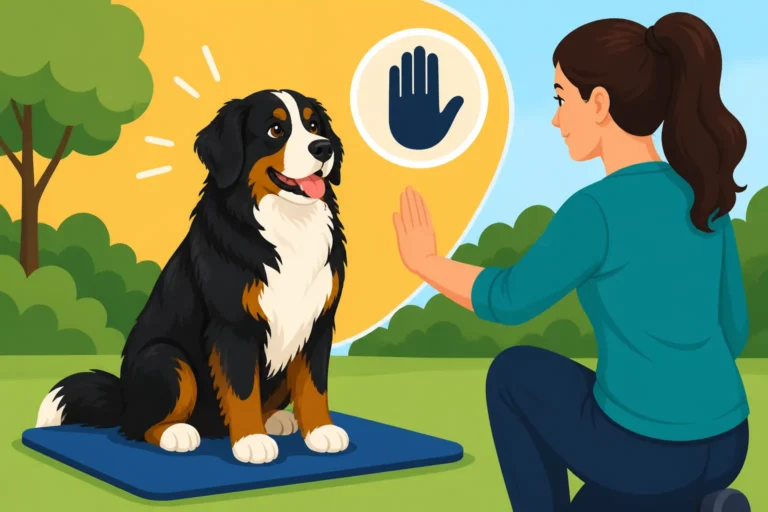
Turn your living room into a "mock vet clinic." Seriously! Get a friend or family member to play the role of the vet. Have them gently examine your Berner, praising and rewarding them for standing still or lying calmly. Use a soft voice and a calm demeanor yourself, as your dog will pick up on your energy. Practice lifting their lips to check teeth, looking in their ears, touching their paws, and feeling along their body. Reward frequently with tasty treats – cheese, cooked chicken, or peanut butter works wonders. This isn't about perfectly replicating a vet exam, but about creating positive associations with these specific types of handling in a safe, familiar environment. If your Berner tends to hide discomfort, as discussed in Whether a Bernese Mountain Dog Hides Discomfort, these home practice sessions can help you learn their subtle cues and build their tolerance in a low-stress setting.
Communicating with Your Vet's Office
Before your appointment, especially if your Bernese Mountain Dog has any anxieties or specific needs, give the clinic a call. Let them know you're coming with a large breed and if your dog has any known triggers or fears. For instance, if your Berner is nervous around other dogs, ask if there's a quieter time to arrive or if you can wait in your car until the exam room is ready. Many veterinary offices are more than happy to accommodate these requests to ensure a smoother visit for everyone. Sharing your Berner's temperament, like if they tend to be reserved or easily startled, allows the vet staff to approach them appropriately, potentially avoiding a negative first impression. You can also inquire about "fear-free" practices, as many clinics are adopting methods to reduce stress for their patients. This kind of upfront communication can make a huge difference, particularly with a breed as sensitive and physically imposing as a Bernese Mountain Dog.
Navigating the Vet Visit Experience
Once you're actually heading to the clinic, there are still plenty of ways to keep your Bernese Mountain Dog as comfortable and calm as possible. It's about managing their environment and your own reactions.
Comfortable Car Travel
For many Bernese Mountain Dogs, the car ride itself can be a source of anxiety, especially if it only ever leads to the vet. Make sure your Berner is secure and comfortable in the car. A large crate or a seatbelt harness designed for large breeds is essential for safety. If they associate the car with only unpleasant destinations, try taking them on short, fun trips to a park or a friend's house in between vet visits. This helps to neutralize the car as a "vet-only" trigger. During the ride to the clinic, keep the atmosphere calm. Play soft music, talk to your dog reassuringly, and avoid any abrupt stops or turns if possible. A hundred-pound dog shifting suddenly can be dangerous for both of you. Ensure the car is cool, especially for a Berner with their thick coat. Keeping a Room Cool Enough for a Bernese Mountain Dog can offer insights into temperature management that applies to car travel as well.
Navigating the Waiting Room
The waiting room is often the most challenging part of a vet visit for a large, sometimes anxious, dog. It's a symphony of strange smells, unfamiliar people, and other nervous animals. If possible, ask if you can wait outside or in your car, especially if your Berner gets easily overwhelmed or reacts to other dogs. If you must wait inside, find a quiet corner away from the main thoroughfare. Keep your Berner on a short, secure leash and focused on you. High-value treats are your best friend here. Offer them frequently for calm behavior, even if it's just for sitting quietly for a few seconds. Do not force interactions with other pets or people. Your job is to create a calm bubble around your dog. If your Berner is known to be aloof with strangers or nervous around other dogs, as discussed in How a Bernese Mountain Dog Behaves Around Strange Dogs, managing this environment is paramount to preventing a negative experience before the actual examination even begins.
The Importance of a Calm Entry
When it's finally your turn, try to walk into the exam room calmly and confidently. Your Bernese Mountain Dog will pick up on your stress, so take a deep breath yourself. Allow your Berner to sniff around the room for a moment, absorbing the new smells. Don't immediately try to force them onto a scale or examination table if they're hesitant. Many larger Berners are simply too big for standard exam tables anyway, and vets are used to working with them on the floor. Give praise and treats for calm entry and exploration. The goal is to make the room feel less threatening and more like a neutral space. Some vets even have non-slip mats available for large dogs to stand on, which can help them feel more secure on a typically slick floor.
During the Examination
The actual vet exam requires patience, cooperation, and often, a little bit of distraction. Your role is to be your Bernese Mountain Dog's advocate and comfort provider.
Keeping Your Berner Engaged and Calm
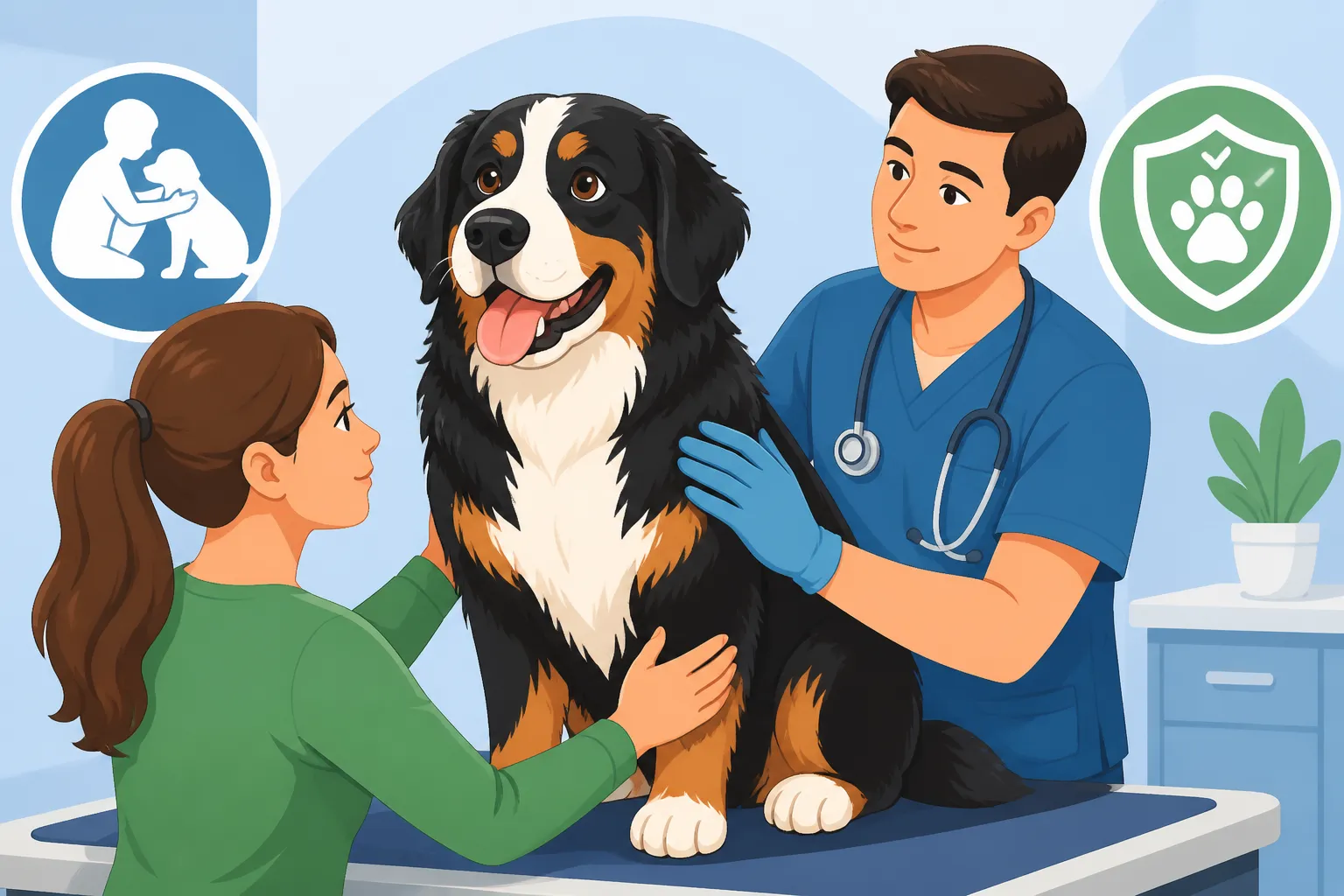
During the exam, keep a steady stream of high-value treats flowing, if appropriate. Ask the vet or tech if it's okay to continuously reward your dog. This isn't just bribery; it actively creates a positive association with the handling. You can use a squeeze tube of peanut butter or a spreadable treat to keep their attention focused on licking rather than what's happening to their body. Talk to your Berner in a soothing voice, praising their cooperation. If they become too stressed, don't be afraid to ask for a brief pause. Remember, a Bernese Mountain Dog that "quits after one correction" or becomes overwhelmed can shut down, making the rest of the exam impossible or even dangerous. Gentle encouragement and positive reinforcement are key. The vet might also appreciate you providing information from What a Bernese Mountain Dog Checkup Includes After Five, especially if your dog is older and has specific health concerns.
Handling Sensitive Areas
Bernese Mountain Dogs can be particularly sensitive about certain areas, like their paws for nail trims, their ears if they've had past infections, or their hips and elbows due to common breed predispositions like joint disease. If you know your Berner has a sensitive spot, communicate this to the vet immediately. They can often adjust their approach, perhaps starting with less sensitive areas first or using a specific technique. For nail trims, some vets prefer to do it quickly while others might take a slower, more deliberate approach with lots of treats. If your Berner is particularly fearful of a certain procedure, discuss whether it can be done with a mild sedative or during a separate, less stressful visit. Don't be afraid to ask for a muzzle if you think it's necessary for safety, even if your dog has never shown aggression. It's a tool for prevention, not punishment, and using it preemptively can prevent a bite that might escalate fear in future visits. Muzzling a Frightened Bernese Mountain Dog at the Clinic provides valuable insights into this topic.
Managing Distractions and Overwhelm
A Bernese Mountain Dog, while generally good-natured, can become overwhelmed by the sights, sounds, and smells of a vet clinic. If your dog starts panting excessively, drooling, yawning repeatedly, lip licking, or trying to hide behind you, these are all signs of stress. Your vet and vet tech are trained to recognize these signals too. Work with them to reduce the stress. This might mean taking a break, stepping out of the room for a moment, or even rescheduling a non-urgent part of the exam for another day. Sometimes, simply shielding your dog's view of a particular instrument or having the vet approach from a different angle can make a difference. If your Berner is distracted by sounds outside the room, a white noise machine or even classical music played softly on your phone can help.
Post-Visit Care and Reinforcement
The vet visit doesn't end when you walk out the door. What happens next is just as important for shaping your Bernese Mountain Dog's future experiences.
Positive Reinforcement After the Clinic
Once the exam is over and you're back home, reinforce the positive. Offer a special treat, a favorite toy, or engage in a short play session. This helps to further cement the idea that "vet visits lead to good things." Even if the visit wasn't perfect, find something to praise your Berner for. Perhaps they tolerated the car ride well, or stayed mostly calm in the waiting room. The idea is to counteract any lingering negative feelings with strong positive ones. This is particularly important for a sensitive breed that can carry bad experiences with them. Remember, you're playing the long game here; consistency in positive reinforcement after every vet visit, successful or not, will contribute to a more resilient dog in the future.
Monitoring for Post-Visit Stress
After a vet visit, keep an eye on your Bernese Mountain Dog for any signs of lingering stress. This could include changes in appetite, being unusually quiet or clingy, or even house-soiling (though less common). Some dogs might sleep more, while others might be restless. If your Berner had any procedures, like vaccinations or a blood draw, monitor the injection sites for swelling or tenderness. If a sedative was given, ensure they're recovering normally. If you notice prolonged signs of stress or discomfort, don't hesitate to call your vet for advice. It's important to differentiate between temporary post-visit fatigue and actual discomfort or anxiety.
Building on Good Experiences
Every vet visit, even a challenging one, offers an opportunity to learn and improve. Reflect on what went well and what could have been better. Did waiting in the car help? Was a particular treat more effective? Share this feedback with your vet's office for future visits. Consider "happy visits" where you simply drop by the vet clinic, say hello to the staff, give your Berner a treat, and leave without any examination. This helps create a neutral or even positive association with the clinic itself, rather than only associating it with pokes and prods. Over time, these small, positive interactions can significantly improve your Bernese Mountain Dog's comfort level at the vet, making future appointments much easier for everyone involved. For ongoing behavioral guidance that supports positive experiences, platforms like BAXTER & Bella can offer structured approaches to handling and desensitization.
Special Considerations for Bernese Mountain Dogs at the Vet
Bernese Mountain Dogs are unique, and their breed-specific traits heavily influence how they experience and react to veterinary care. Understanding these nuances is crucial for effective handling.
Understanding the Berner Temperament
Berners are known for being gentle giants, but their temperament also includes a strong sensitivity and sometimes a reserved nature towards strangers. This means they can be easily startled or become anxious in new or high-stress environments like a vet clinic. They often bond deeply with their families and may look to their owners for reassurance. If you are anxious, your Berner will sense it, amplifying their own stress. They typically don't respond well to harsh corrections or force, which can make them shut down or become stubborn. A calm, patient, and positive approach, respecting their sensitive nature, is essential. They are usually quite intelligent and eager to please, but their willingness to cooperate can be entirely undone by fear or perceived threats. The Bernese Mountain Dog That Quits After One Correction explores this characteristic in detail, highlighting why gentle methods are so effective with them.
Physical Challenges of a Large Breed
The sheer size of a Bernese Mountain Dog presents practical challenges at the vet. They might not fit comfortably on small exam tables, requiring examinations on the floor, which can sometimes be more awkward for the vet. Their weight makes lifting them difficult, so if your dog needs assistance getting into a car or onto a scale, you'll need a plan. Their thick double coat can also obscure lumps or skin issues, requiring a thorough examination. Furthermore, certain procedures like blood draws or IV placements can be more challenging on a large, muscular dog if they're not cooperative. It's important to ensure the vet staff are comfortable and experienced in handling giant breeds. When discussing their growth, it’s worth noting that What a Bernese Mountain Dog Weighs at Each Month can help track their development, giving you a better understanding of their physical needs and size progression.
Anxiety and Fear in Berners
Bernese Mountain Dogs, despite their calm appearance, can harbor significant anxiety or fear, especially in novel situations or if they've had a previous negative experience. Signs of anxiety in a Berner might include excessive panting, drooling, yawning, lip-licking, stiffness in their body, or trying to lean on you or hide. They might also become withdrawn or try to avoid eye contact. It's crucial to acknowledge these signs and address them rather than dismissing them. Fear left unchecked can escalate into aggression, not because the Berner is "mean," but because they feel trapped and threatened. Proactive measures, like those discussed in Muzzling a Frightened Bernese Mountain Dog at the Clinic, are about managing that fear and ensuring safety for all, not about labeling your dog as aggressive.
Tools and Techniques for Easier Vet Visits
Having the right equipment and knowing how to use it can significantly reduce stress and improve safety during vet visits for your Bernese Mountain Dog.
Effective Leashes and Harnesses
For a dog that can weigh well over 100 pounds, control is paramount. A sturdy, well-fitting harness that offers good control without causing discomfort is often preferable to a collar, especially for walking through a busy waiting room. Front-clip harnesses can be particularly effective at preventing pulling, allowing you more control over your Berner's body without putting pressure on their sensitive neck. A 6-foot leash made of durable material, like nylon or leather, gives you enough length for comfortable walking but is short enough for close control when needed. Avoid retractable leashes in a vet setting, as they offer minimal control and can be dangerous if your dog suddenly lunges. Products available on Amazon can offer a wide selection of harnesses and leashes specifically designed for large breeds, ensuring you find one that fits your Bernese Mountain Dog perfectly and provides the necessary security.
Muzzle Training for Safety
The idea of muzzling your beloved Bernese Mountain Dog can feel upsetting, but proper muzzle training is a responsible and caring act. A well-fitting basket muzzle allows your dog to pant, drink, and take treats, making it a much less stressful experience than a tight cloth muzzle. Muzzle training should be introduced positively at home, with lots of treats and praise, long before it's ever needed at the vet. This way, the muzzle becomes a neutral or even positive tool, not a punishment. It offers peace of mind for both you and the vet staff, especially if your dog is in pain, stressed, or if a potentially uncomfortable procedure is needed. Muzzling a Frightened Bernese Mountain Dog at the Clinic highlights the importance of this training as a proactive safety measure.
Calming Aids and Supplements
For Bernese Mountain Dogs with high anxiety, calming aids and supplements can be incredibly helpful. These range from over-the-counter options like L-theanine or Zylkene to prescription medications from your vet. Pheromone diffusers or sprays, like Adaptil, can also create a more calming environment. Always discuss any supplements or medications with your vet before administering them, especially if you're considering them for a vet visit. Your vet can recommend the best option and dosage for your specific Berner. For dogs with severe anxiety, a mild sedative prescribed by your vet to be given before the visit can make a world of difference, allowing for a much calmer and safer examination. Remember, these are tools to help your dog cope, not a substitute for positive training and desensitization.
Comprehensive Vet Visit Strategies for Your Berner
Bringing all these elements together forms a cohesive strategy for managing vet visits. It’s about creating a holistic approach that considers your Bernese Mountain Dog's unique needs and temperament.
Strategic Scheduling and Visit Planning
Think about the time of day you schedule appointments. If your vet clinic is typically bustling right after work, perhaps an early morning or mid-day slot would be quieter. Ask if the vet has specific "quiet hours" for anxious patients. If your Berner needs a complex procedure or multiple vaccinations, discuss with your vet whether it's better to spread them out over two shorter, less stressful visits rather than one long, overwhelming one. Planning is key. If your dog is going to undergo a procedure requiring anesthesia, reading up on topics like Putting a Hundred Pound Bernese Mountain Dog Under can help you understand the process and prepare any questions for your vet.
Working with the Veterinary Team
View your vet and their staff as your partners. They are there to help your Bernese Mountain Dog, and an honest conversation about your dog’s quirks and fears will only benefit everyone. Don't be shy about asking questions or voicing concerns. Good vet teams appreciate owners who are actively involved in their pet’s care and well-being. They can offer advice on specific handling techniques, recommend trainers, or suggest medication to ease anxiety. Building a trusting relationship with your vet clinic is invaluable, especially as your Berner ages and requires more frequent care, which is elaborated in The Year the Bills Arrive for a Bernese Mountain Dog.
Maintaining Consistency
Consistency in your approach is crucial. Every interaction, both at home and at the vet, contributes to your Bernese Mountain Dog's overall perception of veterinary care. If one visit is full of positive reinforcement and the next is a struggle, it can undo previous progress. Ensure that all family members and anyone who might take your dog to the vet understands and follows the same strategies. This includes continuing the at-home handling practice, using calming aids if recommended, and maintaining a calm demeanor yourself. A consistent, patient, and positive approach will, over time, teach your Bernese Mountain Dog that vet visits, while not always fun, are manageable and won't harm them. This consistent positive reinforcement will help build a strong foundation of trust and cooperation, critical for a breed whose emotional well-being is deeply tied to their human companions.
| Strategy Component | Key Actions | Benefits for Your Berner |
|---|---|---|
| Preparation | Early positive handling, mock exams at home, communicate with vet's office. | Reduces novelty and fear, builds trust in handling, allows vet to prepare for specific needs. |
| Travel & Arrival | Secure and comfortable car ride, wait in car if possible, calm entry, allow sniffing. | Minimizes travel anxiety, avoids sensory overload in waiting room, allows for acclimatization to new environment. |
| During Exam | High-value treats, soothing voice, communicate sensitive areas, ask for breaks, use distractions. | Creates positive associations, reduces stress during physical examination, prevents escalation of fear/anxiety. |
| Post-Visit | Immediate positive reinforcement at home, monitor for stress, "happy visits" to the clinic. | Reinforces good experiences, helps them recover emotionally, neutralizes negative associations with the clinic. |
| Breed-Specific Adaptations | Understand Berner sensitivity and size, implement muzzle training, consider calming aids/sedation. | Respects their temperament, ensures physical safety, actively manages anxiety tailored to their breed characteristics. |
Disclaimer
This article is for general informational purposes only and does not constitute professional advice. Laws, prices and regulations vary by location and change over time. Consult a qualified professional for guidance on your specific situation.