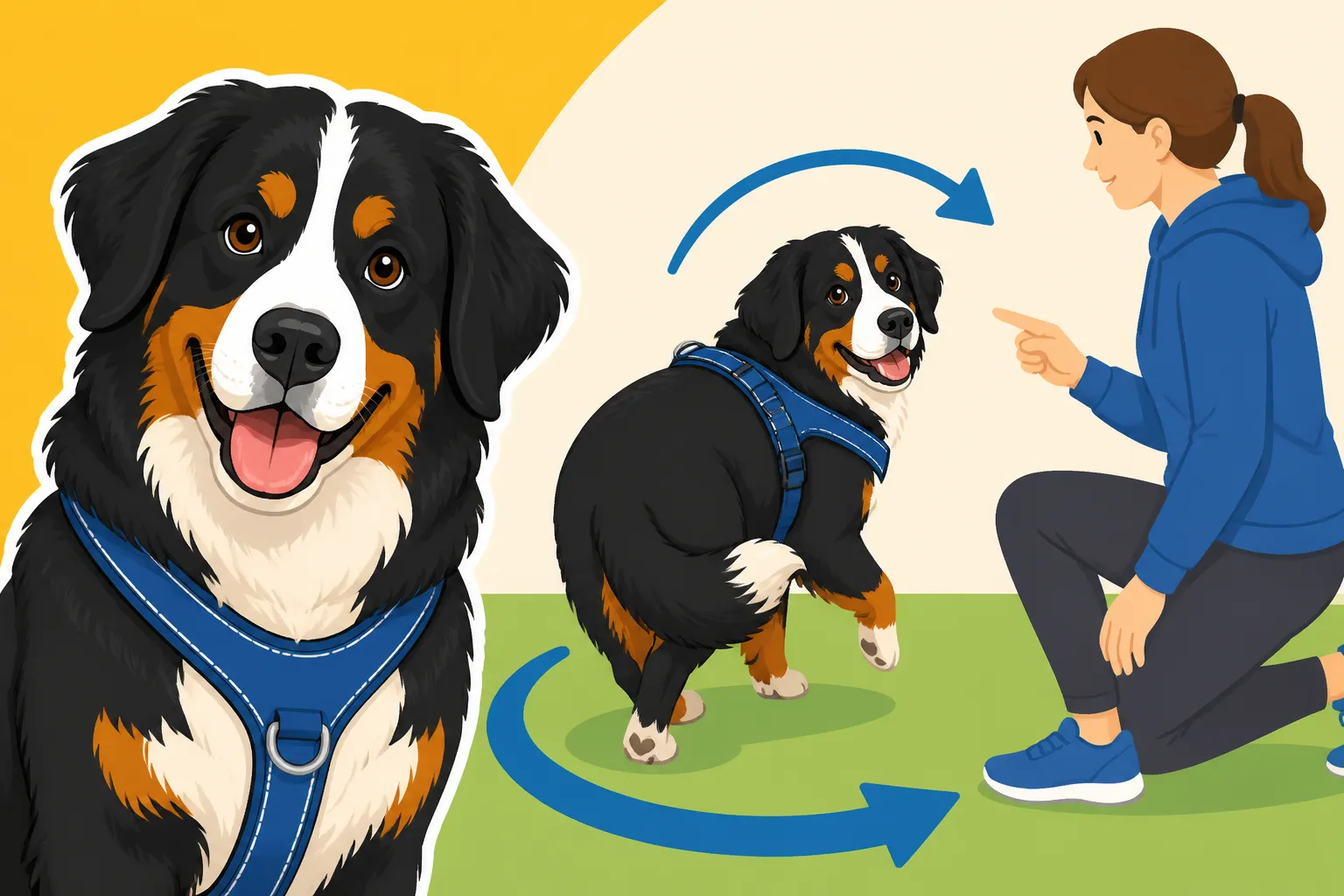
Teaching a Bernese Mountain Dog to Turn in Harness
Guiding a magnificent Bernese Mountain Dog in harness for draft work is incredibly rewarding, but anyone who's tried knows the frustration of a powerful dog pulling straight when you need a graceful turn. It can feel like wrestling a small bear sometimes, especially when you're trying to communicate subtle directional cues. This guide is here to walk you through teaching your Bernese Mountain Dog to understand and execute turns in harness, transforming those cumbersome moments into smooth, cooperative movements.
Understanding the Foundation of Draft Work and Turns
Before we even think about turning, it’s crucial to understand the very essence of draft work for a Bernese Mountain Dog. These dogs were bred for this; it’s in their heritage to pull carts, bringing goods from farms to market in the Swiss Alps. But they weren't just brute force animals; they were partners. That partnership requires clear communication and a solid understanding of basic commands, especially when navigating turns. Without this foundation, asking them to turn while hitched to a cart can be confusing, frustrating, and even potentially unsafe for both of you.
Why Turns are Essential in Draft Work
Imagine trying to maneuver a shopping cart through a crowded aisle without being able to steer it left or right. That's essentially what you're asking your Bernese Mountain Dog to do if they don't grasp turning commands. In draft work, turns aren't just about aesthetics; they're about practicality, safety, and efficiency. Whether you're navigating a trail, competing in a draft test, or simply moving items around your property, your dog needs to understand "left" and "right" as much as they understand "stop" or "go." A dog that pulls straight ahead when you need to pivot can lead to tangled lines, a damaged cart, or even injury if they collide with an obstacle. The goal is a fluid partnership where you guide, and they respond, making every maneuver feel natural and controlled.
Beyond the practical aspects, mastering turns also deepens the bond with your Bernese. It builds trust and confidence in both of you. When your dog successfully executes a turn on command, it's a testament to your clear communication and their willingness to work with you. This isn't just about showing off; it's about honoring the working heritage of the breed and fostering a true working relationship.
Prerequisites for Teaching Turning Commands
Before you introduce turning commands, your Bernese Mountain Dog needs to have a solid grasp of basic obedience, especially commands like "walk on," "whoa" (stop), and "stay." These aren't optional; they are the building blocks. If your dog isn't consistently responding to "whoa" when unharnessed, they certainly won't when they have the momentum of a cart behind them. Work on these commands in various environments, with distractions, until their response is reliable. Also, ensure your dog is comfortable in their Fitting a Draft Harness to a Bernese Mountain Dog. A poorly fitting harness can cause discomfort, distraction, and a general reluctance to work, which will undermine any training efforts.
Furthermore, your Bernese should be accustomed to wearing the harness and feeling the shafts, even without a cart attached initially. Introduce these elements gradually, always making it a positive experience with plenty of praise and treats. Some dogs might be a little wary of the new sensations or sounds at first, so patience is key. You might consider starting with a very light load or even just the shafts themselves to get them used to the feel. Introducing a Bernese Mountain Dog to Shafts and Noise is a great resource if you're finding your dog a bit hesitant with these initial steps. Remember, a calm, confident dog is a trainable dog.
Step-by-Step Guide to Teaching Turns (Left/Right)
Now that we've covered the groundwork, let's dive into the specifics of teaching those essential turning commands. This process should be broken down into small, manageable steps, always ending on a positive note. Consistency and clarity are your best friends here.
Starting with Groundwork: Lure and Verbal Cues
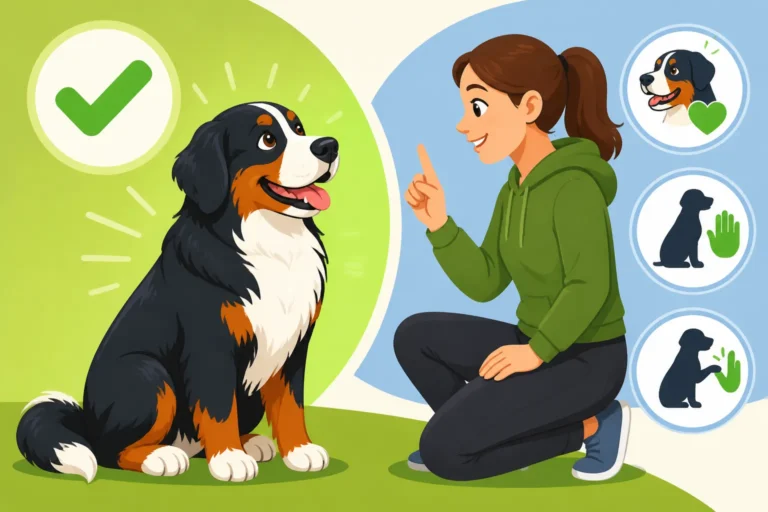
The very first step happens without the harness or cart. You're teaching your dog the concept of turning on command. Start by standing beside your dog, holding a treat. Use your verbal cue, such as "Gee" for right and "Haw" for left (traditional draft terms, but you can choose any clear words you like). Simultaneously, use a body cue: step slightly in the direction you want them to turn, and lure their nose with the treat. As they move into the turn, praise enthusiastically and give the treat. Repeat this many times, in both directions, until your dog starts to anticipate the turn with just your verbal cue and subtle body movement.
Practice these turns in various locations, gradually phasing out the treat lure as your dog understands the command. The goal is for them to respond primarily to your verbal cue and then your body language. You can use a long line or leash during this phase to gently guide them if needed, but the emphasis should be on their voluntary movement. Think of it as a dance: you lead, they follow. This early groundwork is crucial because it builds the association between the command, the action, and the reward, making it much easier once the harness and cart are introduced. You could even find excellent online resources like BAXTER & Bella that offer structured courses for basic obedience and advanced tasks, which might complement your hands-on training for these foundational steps.
Adding the Harness and Light Load
Once your Bernese is reliably turning on command without any equipment, it’s time to gradually introduce the draft harness and a light load. Begin by just having them wear the harness during your turning practice sessions. Use the same verbal and body cues. Once they are comfortable with that, attach the shafts, but don't add a cart yet. This allows them to get used to the feel of the shafts at their sides and the slight pressure on the harness, without the weight and bulk of a cart. Again, keep it positive, with lots of praise and treats for successful turns.
When you're ready to add a cart, start with an empty, lightweight one. You might choose a small garden cart or a specially designed training cart. The key is to keep the initial experience low-pressure and successful. Practice turns in an open, quiet area with plenty of space. Walk beside your dog, keeping a hand on the cart if necessary for stability, and use your established turning cues. If your dog gets confused or struggles, go back a step. Maybe they need more practice with just the shafts, or a quick refresher on the groundwork. Remember, this isn't a race. The more patient and consistent you are, the stronger their understanding will become. For ideas on suitable equipment, look at online retailers like Amazon, where you can find a variety of training carts and quality harnesses.
Practicing with Heavier Loads and Distractions
As your Bernese Mountain Dog becomes proficient at turning with a light, empty cart, you can gradually increase the challenge. Start by adding a small amount of weight to the cart. It could be a few bags of sand or some old books – anything that provides a slight increase in resistance. This helps them learn to manage the momentum of a heavier load through a turn. Pay close attention to their comfort and body language. If they seem strained or hesitant, reduce the weight. How Much Weight a Bernese Mountain Dog Should Pull offers valuable insights into safe weight limits and progression.
Once they are confident with some weight, introduce distractions. This could be other people, dogs, sounds, or different environments. Start with mild distractions and gradually increase them. For instance, practice in your backyard, then a quiet park, and eventually a busier area (but always prioritize safety and control). The goal is for your Bernese to respond to your turning commands regardless of what else is happening around them. This is where your earlier commitment to strong basic obedience really pays off. Remember to keep training sessions short and positive, always ending on a success. This reinforces the idea that draft work, and turning, is an enjoyable activity.
Common Challenges and Troubleshooting for Turning in Harness
Even with the best intentions and a diligent approach, you're bound to run into a few bumps in the road when teaching your Bernese Mountain Dog to turn in harness. This is completely normal! Large, powerful dogs like Berners sometimes have their own ideas, or they might just misunderstand what you're asking. Recognizing common issues and having a plan to address them is crucial for your success and their continued enjoyment of draft work.
Dog Pulls Straight or Ignores the Turn Command
One of the most common frustrations is when your Bernese just plows straight ahead, seemingly ignoring your carefully delivered turn command. This can feel disheartening, especially when they've performed well in earlier stages. There are a few reasons this might happen. Sometimes, it's simply a matter of momentum; the dog is focused on forward movement and hasn't quite learned to shift their weight and direction smoothly with a load. Other times, the environment might be too distracting, or your cues might not be clear enough in the moment.
To troubleshoot this, first, revert to an easier scenario. Remove the cart entirely and practice with just the harness or even just a leash, focusing purely on the verbal and body cues for turning. Exaggerate your body movements to really emphasize the direction you want them to go. Ensure your verbal cue is distinct and consistent. If they respond well without the cart, gradually add the cart back, starting empty and in a quiet area. You might also try using a small, high-value treat as a lure just for the turn, bringing it to their nose to guide them into the pivot before rewarding them. If your Bernese is one of those dogs that might sulk after a telling off, positive reinforcement is absolutely critical. The Bernese Mountain Dog That Quits After One Correction can give you more insight into handling a sensitive Berner's learning style. Patience and repetition in a low-distraction setting will be your best allies here.
Dog Turns Too Wide or Cuts Corners
Another common issue is when your Bernese turns, but either swings out too wide, making a very large arc, or cuts the corner too sharply, almost hitting the shafts or the cart on an obstacle. A wide turn can be inefficient and problematic in tight spaces, while cutting corners can be dangerous. This often indicates a lack of understanding of the exact path you want them to take during the turn.
To refine the turn, imagine you're teaching them to trace a specific line on the ground. When practicing, use visual markers if possible. You can place cones or even lay down a rope to create a clear turning path. As you give the turn command, guide them precisely along that path. If they turn too wide, gently encourage them to tighten the turn with your body language and perhaps a guiding hand on the shaft closest to you (if safe). If they cut corners, focus on keeping them parallel to the shaft until the turn is complete. Sometimes, walking a tighter arc yourself can help guide them. Practice in an open area first, then slowly introduce natural obstacles that require a more precise turn, like walking around a tree or a wide planter. Remember to reward them for getting closer to the ideal turn path, reinforcing the desired behavior.
Handling Fear or Reluctance to Turn
Sometimes, your Bernese might show actual fear or reluctance when asked to turn in harness, especially with a cart. This isn't stubbornness; it's often a sign of discomfort, perceived danger, or a prior negative experience. Perhaps the cart made an unexpected noise, or they bumped into something during a turn. A Bernese can be quite sensitive, and a negative association can quickly lead to hesitation.
If you observe fear or reluctance, stop immediately and assess the situation. Is the harness rubbing? Is the cart making a strange noise? Is the load too heavy? Check all equipment thoroughly. Once you've ruled out physical issues, go back to the very basics, even if it means just practicing turns without the harness or cart again. Rebuild their confidence from the ground up. Make every interaction overwhelmingly positive. Offer high-value treats and enthusiastic praise for even the slightest step in the right direction. If the fear seems related to the cart, introduce the cart again slowly, letting them investigate it, praising them for being near it, then for having it attached without moving, and so on. Sometimes, having another confident dog around (if appropriate and safe) can help, as Berners often learn by observing. Remember, pushing a fearful dog will only worsen the problem. Patience, understanding, and positive reinforcement are key to overcoming their reluctance. You might also want to consult with experienced draft enthusiasts or a professional positive reinforcement trainer if the fear persists.
Advanced Turning Techniques and Real-World Scenarios
Once your Bernese Mountain Dog is reliably performing basic turns, you can start to think about refining their skills and applying them to more complex, real-world situations. This is where the true beauty of draft work shines, as your dog becomes a truly responsive and capable partner. It's not just about getting from point A to point B, but about navigating the journey with precision and grace, ready for anything.
Precise Turns in Confined Spaces
Navigating a wide-open field is one thing, but making a sharp, controlled turn in a narrow garden path or around tight corners during a draft test is another entirely. This requires a much higher level of precision and communication. For this, you'll want to gradually introduce more confined spaces into your training routine. Start with wider corners in your yard or a quiet park, and slowly make them tighter. Use visual cues like cones or even garden furniture to define your turning radius.
Practice slowing down before the turn, executing the turn smoothly, and then resuming speed. This helps your Bernese understand that turns aren't just about changing direction, but about controlling their pace and body through the maneuver. You might introduce the command "tight" or "close" to help them understand that this turn needs to be tighter than usual. As you walk, position yourself strategically to guide them, using your body as an extension of the shaft to indicate the desired arc. This is especially important for more advanced competitions like those mentioned in What a Draft Test Asks of a Bernese Mountain Dog, where precision is paramount. Building this skill not only makes your dog more capable but also enhances your ability to work together as a seamless team.
Backing Up and Complex Maneuvers
Turning is fundamental, but in real-world draft work, you might also encounter situations where you need your Bernese to back up, or execute more complex multi-directional maneuvers. Teaching a dog to back up in harness, especially with a cart attached, is an advanced skill that builds on their turning foundation. It requires them to shift their weight differently and listen to nuanced cues. Start by teaching "back up" without the harness or cart, perhaps by luring them with a treat to take a few steps backward. Once they understand the command, introduce it with the harness and then with the cart, always keeping the load very light initially.
Complex maneuvers might involve a series of turns, such as an S-turn or navigating a zig-zag path. Break these down into individual turning commands, linking them together as your dog gains proficiency. This is where clear, consistent verbal cues and subtle body language become incredibly important. Think of it as choreographing a dance. The more fluent your dog is with individual steps (like left and right turns), the easier it will be for them to combine those steps into a more elaborate routine. Training for tasks like The Half-Mile Freight Haul in a Bernese Mountain Dog Test will demand this level of mastery. Always maintain a positive, encouraging tone, celebrating small victories, and allowing your Bernese to learn at their own pace.
Safety Considerations and Equipment Checks
As you advance in training, especially with heavier loads or in more challenging environments, safety must always be your top priority. A Bernese Mountain Dog is a powerful animal, and while they are generally gentle giants, even an accidental misstep with a cart can cause injury. Before every training session or outing, conduct a thorough equipment check. Ensure the harness is fitting correctly and not causing any rubs or pressure points. Check all buckles, straps, and connections for wear and tear. Make sure the shafts are securely attached to the cart and that the cart itself is in good working order, with well-lubricated wheels that turn smoothly.
| Component | Check Point | Frequency | Impact of Failure |
|---|---|---|---|
| Harness | Fit (snug but not tight), no rubs, damage | Pre-use | Discomfort, injury, refusal to pull |
| Shafts | Secure attachment to harness & cart, no cracks | Pre-use | Detachment, cart collision, injury |
| Cart | Wheel function, integrity, balance | Pre-use | Tipping, breaking, difficult to pull |
| Connecting Lines | No fraying, secure hooks | Pre-use | Lines breaking, loss of control |
| Load Weight | Within safe limits for dog's size & fitness | Pre-use | Strain, injury, refusal to pull, long-term joint issues |
Always choose appropriate terrain and weather conditions for your training. Avoid extreme heat, slippery surfaces, or overly steep inclines, especially when learning new maneuvers or carrying significant weight. Remember, The Age a Bernese Mountain Dog Can Start Drafting and Building a Bernese Mountain Dog's Fitness for Draft Work are critical factors in preventing injuries. Keep training sessions short, especially when working on new or challenging skills, and provide plenty of water and rest breaks. Always be aware of your surroundings, and if you're in a public area, ensure your dog is clearly visible and under control. A well-trained Bernese in harness is a magnificent sight, and keeping them safe ensures many years of enjoyment for both of you.
Disclaimer
This article is for general informational purposes only and does not constitute professional advice. Laws, prices and regulations vary by location and change over time. Consult a qualified professional for guidance on your specific situation.