Introducing a Bernese Mountain Dog to Shafts and Noise
Bringing a magnificent Bernese Mountain Dog into the world of carting and drafting is a truly rewarding experience, but let's be honest, it can also feel incredibly overwhelming. You've got this big, sensitive, often clumsy fluffball, and you're thinking, "How on earth do I get them comfortable with a contraption that has poles, wheels, and makes strange noises?" Many owners feel the exact same apprehension, worrying about spooking their gentle giant or doing something that could make them fearful. This comprehensive guide is here to demystify the process, breaking down how to introduce your Bernese Mountain Dog safely and happily to the shafts and sounds of draft work, ensuring a positive experience for both of you.
Understanding Your Bernese Mountain Dog's Temperament for Drafting
Before you even think about harness or shafts, it’s vital to truly understand the unique temperament of a Bernese Mountain Dog, especially when it comes to novel experiences like draft work. These dogs are generally eager to please and intelligent, but they also possess a deep sensitivity and can be surprisingly cautious or even fearful if approached incorrectly. This isn't a breed that you can simply "force" into something; patience, positive reinforcement, and a deep understanding of their emotional state are your greatest tools.
The Bernese Sensitive Nature
Bernese Mountain Dogs are renowned for their sweet, gentle, and often goofy personalities, but beneath that calm exterior lies a sensitivity that needs careful handling. They thrive on positive interactions and can shut down or become anxious if they perceive training as harsh or confusing. Imagine introducing a large, clunky cart to a dog who is already a little unsure about new objects – if you push too hard, too fast, you risk creating a negative association that can be very difficult to undo. They remember everything, both good and bad, which is why those first introductions are paramount. Their size, while perfect for pulling, also means that any sudden fright could lead to an accidental injury for both dog and handler.
Building Trust and Confidence
The foundation of successful draft training, particularly when it comes to shafts and noise, is an unbreakable bond of trust between you and your Bernese. Your dog needs to believe that you will keep them safe, no matter what strange things you're asking them to do. This trust isn't built overnight; it's a gradual process cultivated through consistent, positive experiences in all aspects of their life. For a deeper dive into their learning style, you might find Training a Bernese Mountain Dog Without Breaking It helpful. When introducing anything new, especially something as imposing as a cart, your calm demeanor and reassuring presence will be their anchor. If you're nervous, they'll pick up on it, amplifying their own unease. So, take a deep breath, and approach each step with a confident, cheerful attitude.
Demystifying the "Shafts" and Their Purpose
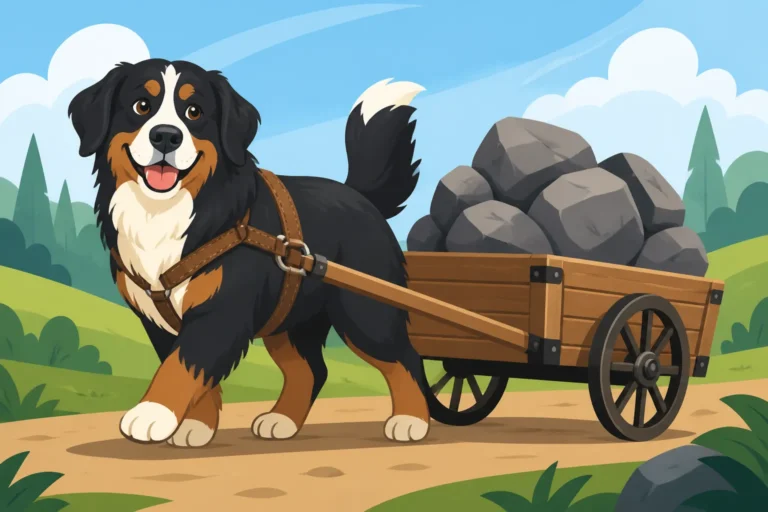
For many, the idea of "shafts" might conjure images of horse-drawn carriages, and it can seem like a complex piece of equipment. In the context of dog carting, shafts are the two poles that extend forward from the cart, running alongside your Bernese Mountain Dog and connecting to their harness. They are crucial for steering, stability, and transmitting the pulling force from the dog to the cart. Without them, the cart would just be a wagon with no way to guide it or keep it from bumping into your dog.
Components of a Draft Cart and Harness System
A complete draft setup isn't just a cart; it's an integrated system. You have the cart itself, which can range from simple two-wheeled wagons to more elaborate four-wheeled versions. Then there's the harness, which is specially designed for weight pulling and distributing the load evenly across your Bernese's chest and shoulders, never on their throat or back. This is very different from a standard walking harness. The shafts are the link, typically made of wood, PVC, or metal, attaching the cart to the harness. Finally, you might have traces, which are the straps that actually bear the pulling weight, connecting from the harness to the cart's axle. Understanding each component helps you understand the whole picture and how your dog will interact with it. We discuss more about proper harness fit in Fitting a Draft Harness to a Bernese Mountain Dog.
Why Early Introduction is Key
Imagine being suddenly strapped into a large, unfamiliar contraption that clanks and rattles behind you. That's a lot to ask of any dog, let alone a large, somewhat sensitive Bernese. Introducing these components early and separately, long before they're assembled and put into action, is absolutely vital. This gradual exposure allows your Bernese to investigate, sniff, and become accustomed to the sight, smell, and feel of each piece without the pressure of having to perform. Starting this desensitization as soon as you have the equipment can make the actual training sessions much smoother and more enjoyable for your dog, laying a strong foundation for future success, perhaps even leading to them earning a The Novice Draft Title a Bernese Mountain Dog Earns First.
Desensitizing to Novel Objects: The Cart and Harness
The goal here is to make the cart and harness just another part of the scenery, not something scary or unusual. This process relies heavily on positive association and breaking down the introduction into tiny, manageable steps. Remember, your Bernese needs to feel like this is a fun game, not a chore or a threat.
Introducing the Harness First
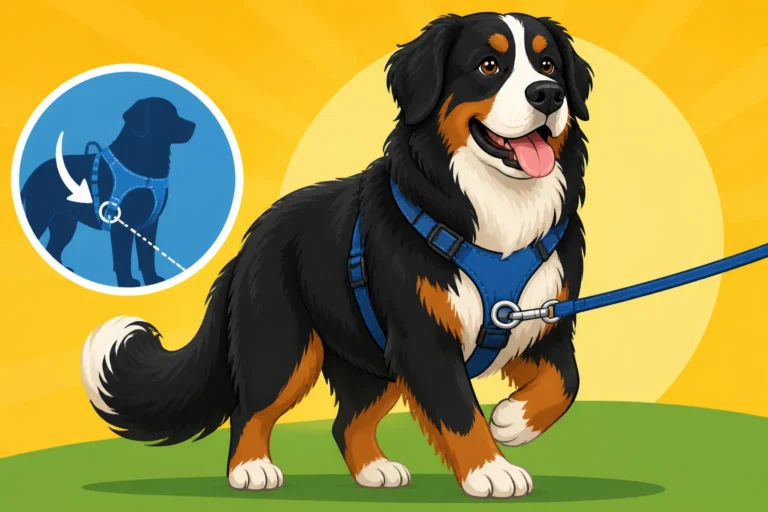
Before any cart comes into the picture, your Bernese should be completely comfortable wearing their draft harness. This is often thicker, wider, and might feel different than their everyday walking harness. Start by simply showing them the harness, letting them sniff it. Treat them generously for calm investigation. Then, gently drape it over their back, immediately removing it and offering a treat. Gradually work up to buckling it, letting them wear it for short periods in the house, associating it with good things like meal times or a favorite game. Always remove it before they get uncomfortable. This isn't just about getting them to wear it; it's about building a positive emotional response to it. For more on harness selection, you'll find Choosing a Cart That Fits a Bernese Mountain Dog useful as the harness is integral to the entire system.
Gradual Exposure to the Cart Itself
The cart, with its size and potentially intimidating appearance, requires an even more thoughtful approach.
- Stationary Introduction: Start by simply having the cart in your yard or training area, far enough away that your Bernese can observe it without fear. Offer high-value treats and praise whenever they look at it calmly, or better yet, choose to walk closer to it.
- Proximity Training: Over several sessions, slowly move the cart closer to their play area or where you feed them. Let them investigate it at their own pace. Never force them to approach. If they show any signs of fear (ears back, tail tucked, trying to escape), you've moved too fast; retreat a step.
- Interactive Exploration: Once they're comfortable with its presence, encourage them to touch it, sniff it, and walk around it. You can scatter treats near it, toss a toy under it (if it's safe and doesn't scare them), or even feed them meals next to it. The goal is positive association. Many wonderful training tools, like long lines and even target sticks for guiding, can be found on Amazon, making these steps easier.
Attaching the Shafts (without the dog)
Once your Bernese is totally chill with the harness and the standalone cart, it’s time to introduce the shafts. Initially, attach the shafts to the cart without your dog present. Let the dog observe you doing this, and then let them approach the newly assembled cart and shafts. The cart will now look longer and maybe a little different, so give them time to adjust to this new silhouette. Repeat the positive association exercises: treats, praise, gentle encouragement to investigate.
Conquering the Noise Factor: Getting Your Berner Used to Rattles and Squeaks
The visual aspect of the cart is one thing, but the auditory component – the creaks, groans, rattles, and wheel noises – can be a whole different ballgame for a sensitive Bernese. They might ignore the sight of it but bolt at the first squeak. This requires specific desensitization techniques.
Simulating Cart Noises
You don't need the actual cart rolling to start desensitizing your Bernese to potential noises. Think creatively:
- Household Items: Gently rattle a metal pot and pan from a distance. Shake a plastic bucket with some pebbles inside.
- Wheels: If you have access to just the wheels, roll them a short distance away on different surfaces (concrete, grass) so your dog hears the distinct sound.
- Online Resources: Believe it or not, there are sound effect libraries online that might have cart or wagon sounds. Play them at a very low volume initially.
Always pair these sounds with something highly positive, like their favorite treats or a quick game of fetch. Keep the volume extremely low at first, gradually increasing it over many, many sessions, ensuring your dog remains relaxed and happy. If they startle, you've gone too loud, too fast.
Introducing the Assembled Cart and Harness with Minimal Movement
When your Bernese is comfortable with the harnessed cart and has shown no fear of the simulated noises, it's time for a very careful first step.
- The "Stand Still" Test: With your dog in their draft harness, and the shafts attached to the cart, have a helper hold the cart behind your dog. Do NOT connect the traces yet. Simply let your dog stand between the shafts for a few seconds. Offer a huge reward for calm behavior. Repeat this many times, gradually increasing the duration. Your helper can gently wiggle the cart a tiny bit to introduce minimal sound, but only if your dog is completely relaxed. This is where a program like BAXTER & Bella could offer general desensitization tips that translate well to this specific scenario.
- Short, Silent Walks: Once they are comfortable standing between the shafts, try connecting the traces for the briefest amount of time. Then, with your helper managing the cart, take just one or two steps forward, then stop, disconnect, and reward. The goal is almost imperceptible movement, allowing the dog to feel the harness connection and hear the very quiet sounds of the cart moving just a foot or two. This is about building confidence in tiny increments. The Half-Mile Freight Haul in a Bernese Mountain Dog Test feels a million miles away at this stage, and that's perfectly fine!
Putting It All Together: First Steps with the Full Rig
This is where all your hard work begins to pay off, but it's crucial to remember that "putting it all together" means a continuation of slow, deliberate, positive steps, not a sudden leap into full-fledged carting.
The First "Walks" with the Cart
Once your Bernese is comfortable standing in the shafts with the traces connected, and has shown no fear of the minimal sounds, it's time for very short, gentle "walks."
- Controlled Environment: Choose a quiet, familiar, and open area with a smooth surface, like a grassy field or a flat, paved path away from distractions.
- Team Effort: You'll want a helper. One person (you) handles the dog on a leash, walking calmly in front or beside them. The helper gently guides and controls the cart from behind, ensuring it doesn't bump the dog or make sudden movements.
- Very Short Distances: Think five to ten steps, then stop, praise, treat, and perhaps even remove the harness or disconnect the traces for a short break. The aim is success every single time.
- Gradual Increase: Over multiple sessions and days, slowly increase the distance and duration. The emphasis is always on your dog's comfort and confidence. If you notice any signs of stress, go back to an easier step. For more on the general timeline for this work, see The Age a Bernese Mountain Dog Can Start Drafting.
Introducing Varied Surfaces and Gentle Turns
As your Bernese gains confidence, you can gradually introduce new variables, but only one at a time.
- Surface Changes: After mastering smooth, flat ground, introduce slightly uneven surfaces like short grass or a gravel path. These will create different sounds and sensations. Again, start small, a few steps, then back to familiar territory.
- Gentle Turns: Begin with wide, sweeping turns. Your helper is essential here to ensure the cart follows smoothly and doesn't swing too wide or clip your dog's legs. Give clear, calm directional cues to your dog (e.g., "gee" for right, "haw" for left, or "left" and "right"). Reward heavily for successful turns. The aim is to make turns feel natural and easy.
- Low-Level Distractions: Once your dog is proficient and happy, you can introduce very minor, distant distractions, like someone walking far away, or a very quiet distant sound. Never put your dog in a situation where they might be overwhelmed. It's about slowly building their ability to focus and perform amidst normal environmental stimuli.
Troubleshooting Common Challenges and Ensuring Safety
Even with the most careful planning, you might encounter bumps in the road. Knowing how to troubleshoot and prioritize safety will keep the experience positive.
What if My Berner Is Scared or Reluctant?
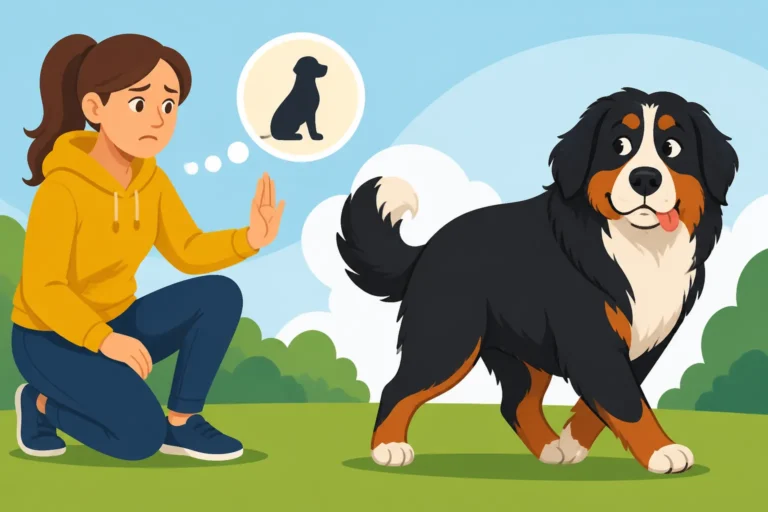
It's common for a sensitive Bernese to show reluctance at some point. The key is never to punish fear or force them.
- Revisit Earlier Steps: If your dog seems scared, immediately go back to the last step where they were comfortable. Maybe it means just letting them sniff the harness again, or simply observing the cart from a distance.
- High-Value Rewards: Ensure you're using treats your Bernese absolutely loves – cooked chicken, cheese, or hot dogs often work wonders. These can create powerful positive associations.
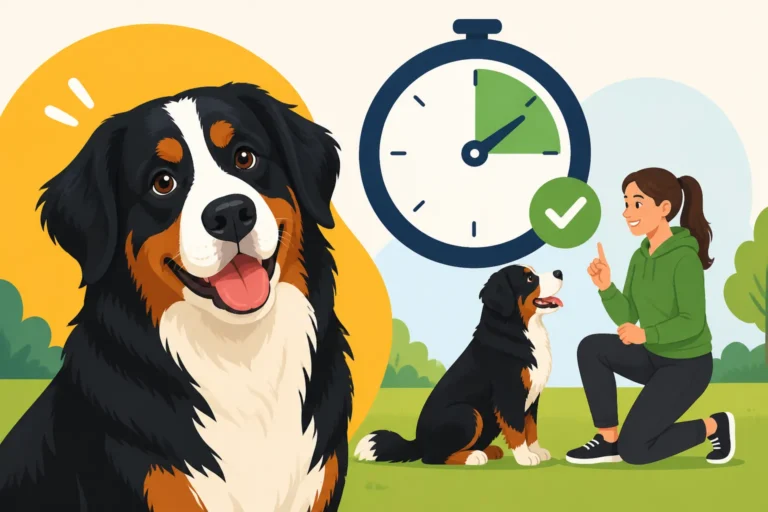
- Shorten Sessions: Keep training sessions incredibly brief, just a few minutes, ending on a high note. It's better to have many short, successful sessions than one long, frustrating one.
- Consult a Professional: If you're consistently hitting a wall, consider working with a professional positive reinforcement trainer experienced in drafting or working with sensitive large breeds. They can offer tailored advice and help you identify subtle signs of stress you might be missing. Remember, even a generally positive breed can be a The Bernese Mountain Dog That Quits After One Correction if handled poorly.
Prioritizing Safety in All Training Stages
Safety isn't just about preventing accidents; it's about building confidence.
- Properly Fitted Equipment: A correctly fitted draft harness is non-negotiable. An ill-fitting harness can cause pain, rub, and make the experience miserable, not to mention potentially injuring your dog. Similarly, a cart that is too big, too small, or poorly balanced can be dangerous.
- Controlled Environment: Always train in a safe, enclosed, or very low-traffic area until your dog is bomb-proof in their carting skills. Avoid busy parks, roads with cars, or areas with unpredictable off-leash dogs initially.
- Never Leave Unattended: Never, ever leave your Bernese unattended while they are hitched to a cart. A sudden spook could lead to them bolting with the cart, resulting in serious injury to themselves or others.
- Check Equipment Regularly: Before each session, inspect the harness, shafts, and cart for any wear, damage, or loose parts. A broken strap or wheel could quickly turn a training session into an emergency.
- Weather Conditions: Be mindful of the weather. Bernese Mountain Dogs can overheat easily, especially with exertion. Avoid training in hot or humid weather. The Temperature a Bernese Mountain Dog Stops Coping is lower than you might think. Similarly, icy or extremely wet conditions can make footing precarious and increase the risk of slipping. You want the experience to be pleasant, not a struggle against the elements.
| Training Stage | Goal for Bernese Mountain Dog | Key Actions | Potential Challenges |
|---|---|---|---|
| Harness Introduction | Comfortable wearing draft harness, positive association. | Show harness, let sniff (treat). Drape (treat). Buckle for seconds (treat). Wear for short periods during positive activities. | Reluctance to wear, trying to shake off harness. |
| Cart & Shaft Static | Calm around stationary cart/shafts, willing to approach/investigate. | Place cart/shafts at distance. Reward for calm observation. Gradually move closer. Scatter treats near/under. Let dog sniff. Assemble cart/shafts in view, allow observation. | Fear of large object, barking at cart, refusal to approach. |
| Noise Desensitization | Unfazed by various cart sounds at increasing volumes. | Simulate sounds (rattling pans, rolling wheels, online audio) at very low volume. Pair with high-value treats/play. Gradually increase volume over many sessions. | Startling at sounds, becoming anxious, hiding. |
| Standing in Shafts | Comfortable standing between shafts, traces connected briefly. | With helper, position dog between unhitched shafts (reward). Gradually connect traces for seconds (reward). Gently wiggle cart for minimal sound (reward). | Nervousness at being confined, trying to back out, perceived pressure. |
| First "Walks" | Confident taking a few steps with hitched cart. | Use quiet, smooth area. Handler leads dog, helper guides cart. Take 5-10 steps, stop, reward. Disconnect/break. Slowly increase distance and duration. | Reluctance to move, stopping suddenly, difficulty with direction. |
| Varied Environment | Maintaining calm and focus with new surfaces, turns, mild distractions. | Introduce slightly uneven surfaces. Practice wide, sweeping turns with helper. Introduce very distant, mild distractions. Always prioritize success and positive reinforcement. | Spooking at new sounds/sights, losing focus, cart becoming unstable on rough terrain. |
Successfully introducing your Bernese Mountain Dog to the shafts and noises of draft work is a journey that requires immense patience, consistency, and a deep understanding of your dog's individual personality. It’s not about rushing to a finish line, but about building confidence and making the experience enjoyable and safe every step of the way. By breaking it down into these manageable stages, you’re not just teaching them a skill; you’re strengthening your bond and opening up a wonderful new activity for you both to share.
Disclaimer
This article is for general informational purposes only and does not constitute professional advice. Laws, prices and regulations vary by location and change over time. Consult a qualified professional for guidance on your specific situation.