Trimming Nails on a Struggling Bernese Mountain Dog
If you're a Bernese Mountain Dog owner, you know the absolute joy these gentle giants bring. But let's be real, the sheer size and strength that make them so majestic can also turn routine care tasks into a Herculean effort, especially when it comes to trimming those formidable nails. The struggle is incredibly real – that moment when your hundred-pound Berner transforms into a wriggling, resistant lump of fur and paws is disheartening, frustrating, and even a little scary. This guide is here to walk you through understanding why your Berner might be dreading nail trims and provide actionable, empathetic strategies to make the process less stressful for both of you.
Understanding Why Nail Trimming Becomes a Battle
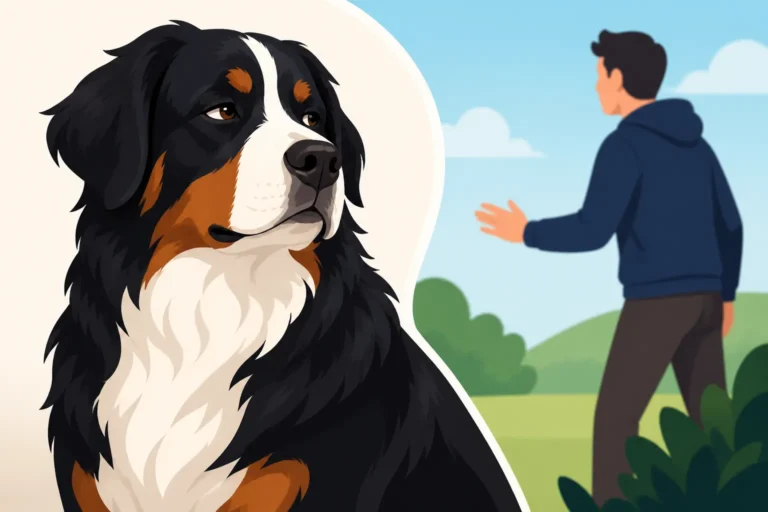
It’s easy to feel defeated when your big, sweet Bernese suddenly becomes a defiant force of nature at the sight of nail clippers. Many owners mistakenly think their dog is being stubborn or naughty, but more often than not, there's a deep-seated reason for their resistance. This isn't just a minor inconvenience; overgrown nails can lead to significant discomfort and even serious health issues for your dog, affecting their gait and potentially causing pain in their joints. Addressing the root cause of their aversion is the first critical step.
The Root Causes of Fear and Resistance
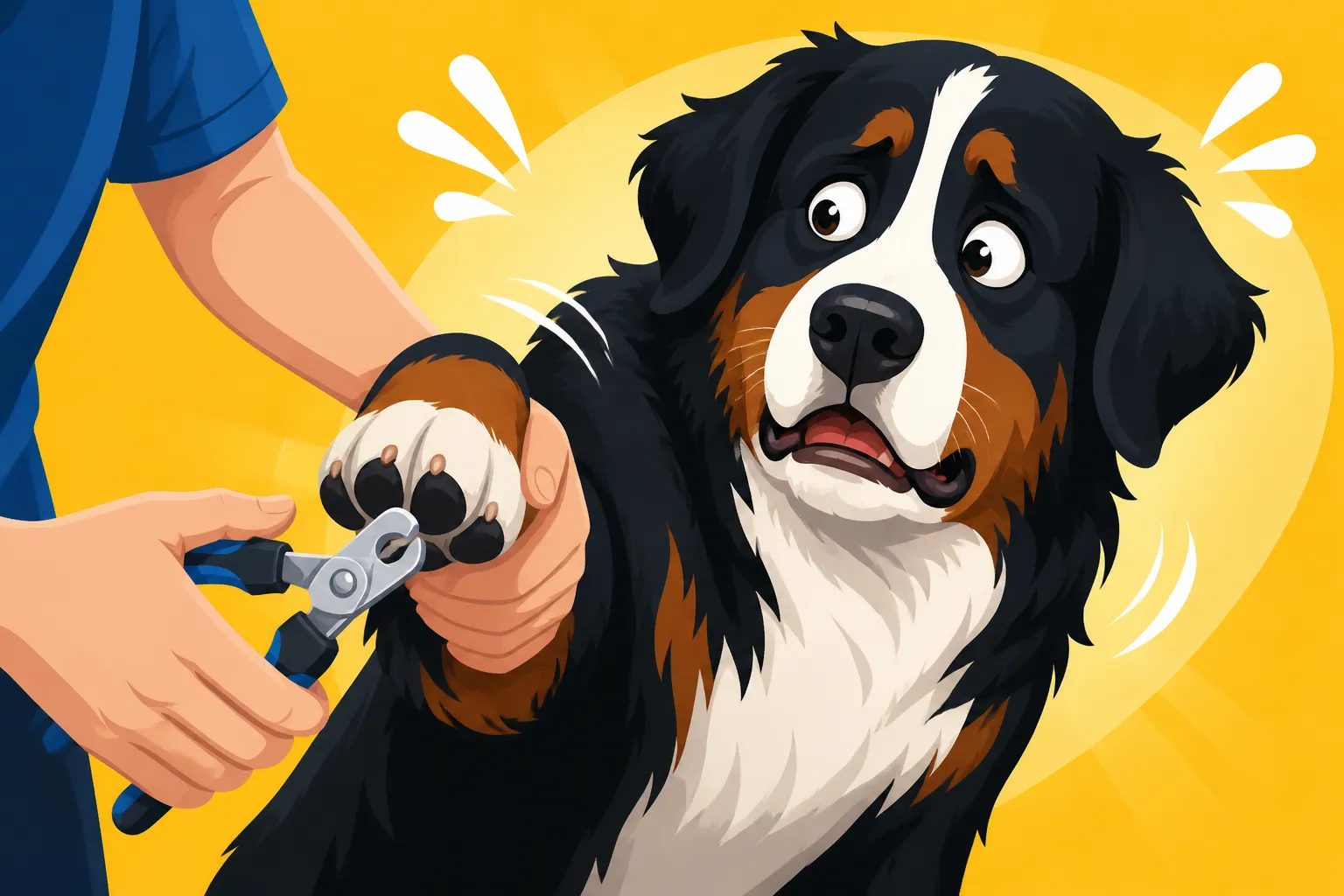
For many dogs, particularly large breeds like Berners, fear isn't born overnight; it often develops from a combination of factors. A previous negative experience, such as a quick being cut, can create a lasting trauma. That sharp pinch and sudden pain, even if accidental, is enough to establish a strong negative association with nail trimming tools. Imagine if every time you went for a haircut, the stylist accidentally nicked your ear; you'd probably start to dread those appointments too! This experience can be amplified if your Berner already has sensitive paws or a generally anxious temperament.
Beyond direct pain, a lack of early, positive exposure to nail trims during puppyhood can contribute significantly. If a Bernese Mountain Dog puppy isn't gently introduced to having their paws handled, nails touched, and tools presented with abundant praise and treats, they grow into an adult who views the entire process with suspicion. Their intuition, often more attuned to potential threats than we realize, tells them to resist something unfamiliar and potentially painful. This isn't "bad behavior," it's a natural protective response. Moreover, some Berners might just be generally more sensitive to touch, especially on their feet, making the whole ordeal even more distressing for them. Owners often forget that what seems like a small discomfort to us can be a huge deal for a sensitive dog.
The Challenge of a Large, Strong Dog
Let’s be honest, handling a massive Bernese Mountain Dog for a nail trim is not like clipping a Chihuahua’s tiny claws. When your Berner decides they don't want to cooperate, their sheer size and strength become undeniable obstacles. A fully grown Bernese can easily weigh over a hundred pounds, and when they plant all four paws or lean their considerable weight against you, it’s incredibly difficult to maintain control, especially if you’re working alone. They have an impressive ability to leverage their body to pull away, wriggle free, or even just make themselves a dead weight, frustrating all your best efforts.
This physical challenge also creates a safety concern. A panicking or resistant Bernese, even one that would never intentionally harm you, can accidentally scratch, bump, or push you over in their struggle. You might lose your grip on the clippers, or worse, accidentally cut them deeper in the fray. Furthermore, many Bernese Mountain Dogs have thick, dark nails, making it incredibly difficult to see the "quick" – the sensitive blood vessel and nerve within the nail. This uncertainty about where to cut safely only adds to the owner's anxiety, making the process even more fraught with tension. It's a tricky dance, balancing your dog's comfort with the necessity of getting the job done, all while wrestling a very large, strong, and often fearful animal. If you're struggling with getting your Berner to accept basic handling, you might find some useful insights in The Weekly Handling a Bernese Mountain Dog Should Accept.
Essential Tools and Preparation for Success
Before you even think about touching a single paw, setting yourself up for success with the right tools and a properly prepared environment is paramount. Trying to trim nails with dull clippers or in a chaotic setting is a recipe for disaster, exacerbating your Berner’s fear and making future attempts even harder. Investing a little time and thought into this stage can save you a lot of grief down the line.
Choosing the Right Nail Trimmers and Grinders
When it comes to the actual tools, quality and suitability for a large breed are key. You generally have two main options: clippers or grinders.
- Scissor-style Clippers: These resemble a pair of heavy-duty scissors and are often preferred for larger, thicker nails like those found on a Bernese Mountain Dog. Look for a robust, sharp pair that can make a clean cut without crushing the nail, which can be painful. Amazon offers a wide range of highly-rated scissor-style clippers specifically designed for large breeds. A good, sharp pair reduces the effort you need to apply, making the cut quicker and less jarring for your dog.
- Guillotine-style Clippers: While popular for smaller dogs, these can sometimes struggle with the thickness of a Berner's nails and may not offer as much control, potentially leading to crushed nails if they're not sharp enough.
- Nail Grinders (Dremel-style tools): These electronic tools file the nail down. They can be an excellent alternative, especially if your Berner has black nails where the quick is hard to see, as you can take off tiny amounts at a time. The key with grinders is to choose a quiet model, as the noise and vibration can be frightening. Many brands offer cordless, low-noise grinders that are much less intimidating.
Regardless of your choice, ensure your tools are clean and sharp. Dull clippers can crush the nail rather than cut it cleanly, causing pain and making your Berner even more averse. If you opt for a grinder, introduce it slowly, perhaps just turning it on nearby and giving treats, before even touching their paws. You might also want to look into Whether a Grinder Works on a Bernese Mountain Dog for more specific tips on using this tool. Always have styptic powder or a styptic pencil on hand, ready to use immediately if you accidentally cut into the quick. This quick-clotting agent will stop the bleeding and can significantly reduce the distress of an accidental nip.
Creating a Calm and Safe Environment
The environment where you perform nail trims plays a huge role in your Berner’s comfort level. Imagine trying to relax at the dentist with loud music, bright lights, and people constantly walking by – not exactly conducive to a calm experience, right? Your Bernese feels the same way. Choose a quiet, familiar space where your dog feels secure and there are minimal distractions. A room with good lighting is crucial so you can clearly see the nails and ideally, the quick.
Make sure the surface you’re working on provides good traction. A non-slip mat or carpet prevents your dog from sliding around, which can make them feel insecure and amplify their resistance. Trying to hold a large, squirming dog on a slippery floor is a recipe for added stress and potential injury for both of you. Timing is also important; try to schedule trims after a long walk or a vigorous play session when your Berner is naturally more tired and relaxed. A tired dog is generally a more cooperative dog.
Before you start, gather all your supplies: clippers/grinder, styptic powder, and, most importantly, a generous supply of high-value treats. These treats aren’t just bribes; they are essential tools for counter-conditioning and building positive associations. What a Bernese Mountain Dog Will Actually Work For can give you ideas for the best treats to use. You might also consider having a helper on hand, if possible, someone who can offer praise and dispense treats while you focus on the trimming. This teamwork can greatly reduce stress for both you and your Berner.
Step-by-Step Approach for a Struggling Berner
Successfully trimming the nails of a struggling Bernese Mountain Dog requires patience, consistency, and a systematic approach. It's not about forcing the issue, but rather about slowly rebuilding trust and changing their emotional response to the process. This isn't a race; it's a marathon of positive reinforcement.
Desensitization and Counter-Conditioning Techniques
This is the cornerstone of turning around a fearful dog’s reaction to nail trims. Desensitization means gradually exposing your dog to the feared stimulus (the clippers/grinder, the act of touching paws) at a level where they don't react negatively. Counter-conditioning means changing their emotional response from fear to a positive one, typically by pairing the stimulus with something they love, like treats. This process needs to be broken down into tiny, manageable steps, sometimes over days or even weeks. BAXTER & Bella, for instance, advocates for very gradual, positive-reinforcement based training that applies perfectly here.
Here’s how you can approach it:
- Step 1: Introduce the tools (no contact): Simply bring the clippers or grinder into the room and place them on the floor a few feet away. Immediately give your Berner a high-value treat. Do this a few times, then put the tools away. Repeat this several times a day for a few days until your dog sees the tools without any signs of stress, maybe even looking expectantly for a treat.
- Step 2: Touch the tools to their body (not paws): Once they’re comfortable with the tools being present, gently touch the closed clippers or off grinder to their shoulder or back, immediately followed by a treat. The goal is to associate the touch of the tool with something good. Do this briefly and frequently, moving slowly towards their legs and eventually their paws.
- Step 3: Handle their paws more intentionally: Work on gently touching, holding, and inspecting each paw, even just for a second, followed by a treat. Don’t try to trim yet. Just build their comfort with having their feet handled. You can learn more about general handling in The Weekly Handling a Bernese Mountain Dog Should Accept.
- Step 4: Touch a nail with the tool: Once they’re okay with paw handling, gently touch the clippers (still closed) or the off grinder to a single nail, then treat. Again, the goal is to create a positive association.
- Step 5: The "Mock" Clip/Grind: With clippers, make the clipping sound without actually clipping a nail (e.g., clip spaghetti or a toothpick nearby) and immediately give a treat. With a grinder, briefly turn it on away from your dog and treat. Gradually move the sound closer.
- Step 6: The First Tiny Trim: When your Berner is truly relaxed with all previous steps, attempt to trim just one tiny sliver off one nail, or briefly touch the on grinder to one nail tip. Make it incredibly quick, give a huge reward (a jackpot of treats!), and then stop. The session is over. The next day, you might do one or two nails, slowly increasing the number as long as your dog remains comfortable. Always end on a positive note, even if you only managed one nail.
Consistency is key here. Short, frequent, positive sessions are far more effective than long, stressful ones. If your Berner shows any signs of stress – lip licking, yawning, looking away, pulling back – stop immediately and revert to an easier step. Pushing them too far will set you back.
Practical Tips for a Less Stressful Trim
Even with desensitization, the actual act of trimming can still be daunting. Here are some practical strategies to make the process smoother:
- Positioning is everything: For a large Bernese, having them lie down on their side (often called a "down-stay") can be easier to manage than trying to get them to stand. If they're comfortable with it, you can also have them sit or stand while you support their paw. A second person to gently hold and distract with treats can be invaluable. For tips on managing a large dog for grooming, see Grooming a Bernese Mountain Dog Too Big to Lift and Teaching a Bernese Mountain Dog to Stand for Grooming.
- Distraction power: A lick mat smeared with peanut butter (xylitol-free!), cream cheese, or wet food can be a game-changer. While your Berner is engrossed in licking, they are less likely to notice or care about what’s happening with their paws. This works especially well if you’re working with a helper who can hold the lick mat for them.
- The "quick" conundrum: This is the scary part for many owners, especially with black nails. Remember, it's better to take off tiny amounts frequently than to risk cutting too deep. For black nails, look for the dusty white ring inside the cut surface; stop before you reach the dark center, which indicates you're close to the quick. If you’re unsure, just take off the very tip that’s curling down. Regular, small trims will gradually cause the quick to recede, making future trims easier and safer. Don't forget to have styptic powder at the ready. Finding the Quick in a Bernese Mountain Dog's Black Nail offers more specific visual cues.
- Keep it brief: Aim for short sessions. Even if you only manage a couple of nails, celebrate the success and quit while you’re ahead. You can always do more later or the next day. This keeps the experience positive and prevents your Berner from becoming overly anxious or stressed.
- High-value rewards: Don't skimp on the treats! Use their absolute favorite, something they only get during nail trims. This creates a strong positive association. Praise them enthusiastically throughout the process, especially after each successful clip or grind.
When to Seek Professional Help
Despite your best efforts, some Bernese Mountain Dogs are simply too fearful or strong to be safely managed at home. There's absolutely no shame in seeking professional help; in fact, it's often the safest and kindest option for your dog. Pushing a highly fearful dog beyond their limits can damage your bond and make their aversion even worse.
- Veterinarian: Your vet can offer several solutions. For severely overgrown nails that are causing pain or hindering movement, they might suggest sedation to safely trim the nails without causing undue stress or injury. They can also provide a clean start, allowing you to begin a positive reinforcement routine with shorter, more manageable nails. Discussing options like Putting a Hundred Pound Bernese Mountain Dog Under for nail trims, if necessary, is a conversation to have with your vet.
- Professional Groomers: Many professional groomers are experienced with large, challenging breeds and have specialized tools and techniques to make nail trims less stressful. They often have hydraulic tables that can adjust to your dog’s height, making it easier to position them comfortably, and non-slip surfaces to keep them secure. They're also used to reading dog body language and can work efficiently while minimizing stress. While there's a cost involved, knowing What a Bernese Mountain Dog Groom Costs might be worth the peace of mind.
- Certified Dog Trainers or Behaviorists: If your Berner’s fear is so profound that even the sight of the tools triggers extreme anxiety or aggression, consulting a certified professional dog trainer or veterinary behaviorist might be necessary. They can help you develop a tailored desensitization and counter-conditioning plan, often using more advanced techniques, and address underlying anxiety issues that contribute to the problem. They can help you understand Reading Fear in a Bernese Mountain Dog That Retreats and guide you on how to respond effectively.
Remember, the goal is always to prioritize your Bernese Mountain Dog's welfare and comfort. If you can’t achieve a stress-free trim at home, professional intervention is a responsible and loving choice.
| Tool Type | Pros | Cons | Best For |
|---|---|---|---|
| Scissor-style Clippers | Strong, clean cut; often preferred for large, thick nails. | Risk of cutting the quick if not careful; can be intimidating. | Dogs with very thick nails; owners confident in locating the quick. |
| Guillotine Clippers | Easy to use for some. | Can crush thick nails if dull; less precise for large breeds. | Smaller dogs; not generally recommended for Bernese Mountain Dogs. |
| Nail Grinder | Reduces quick risk (takes off tiny bits); smoothes nails; safer for black nails. | Noise and vibration can be scary; takes longer; dust/smell; needs charging. | Fearful dogs; black-nailed dogs; owners who prefer gradual reduction. |
| Styptic Powder | Essential for stopping bleeding quickly if the quick is cut. | Can sting momentarily. | A must-have for all nail trimming situations. |
Disclaimer
This article is for general informational purposes only and does not constitute professional advice. Laws, prices and regulations vary by location and change over time. Consult a qualified professional for guidance on your specific situation.