Bathing a Bernese Mountain Dog That Fills a Tub
If you're a Bernese Mountain Dog owner, you know the struggle is real when it comes to bath time. It's not just a quick splash in the sink; it's a full-body workout, a test of patience, and often, a wrestling match with a hundred pounds of fluffy, water-averse (or sometimes too-water-loving) canine. This guide is here to walk you through every step of bathing your magnificent Berner, offering practical advice to make the experience less stressful for both of you.
Why Bathing a Bernese Mountain Dog Feels Like a Herculean Task
Let's be honest, bathing a Bernese Mountain Dog isn't like washing a Chihuahua. It's an undertaking, a project, a full-scale operation that requires planning, dedication, and a good sense of humor. The sheer size of these magnificent dogs, combined with their unique coat, presents challenges that smaller breeds simply don't. It's easy to feel overwhelmed, like you're trying to wash a small bear in your bathroom, and trust me, you're not alone in that feeling.
The Sheer Scale of a Hundred-Pound Dog
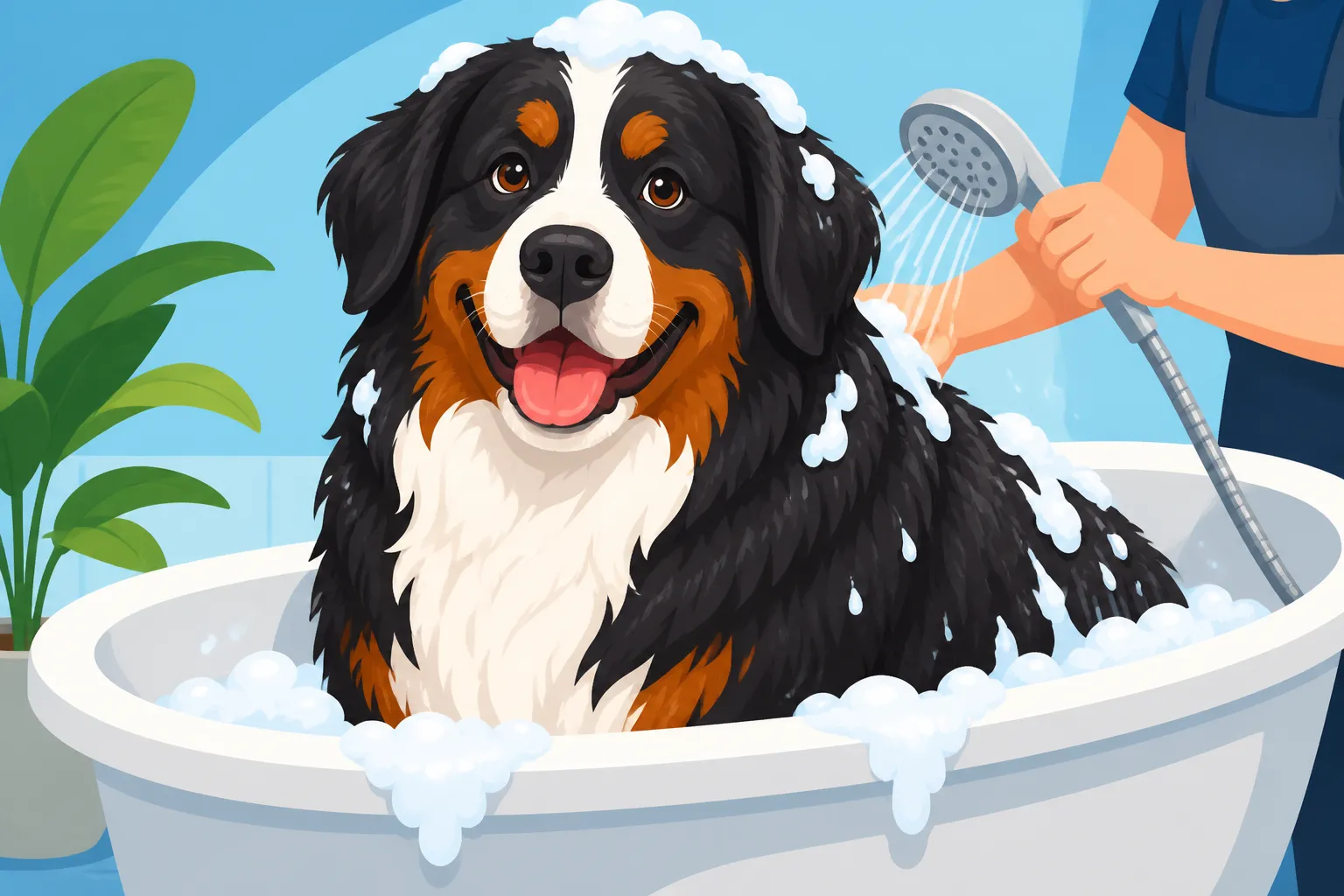
Imagine trying to maneuver a very large, possibly reluctant, furry creature into a confined space like a bathtub. Berners can easily weigh 80 to 120 pounds, sometimes more, and when they're wet, they feel even heavier. Their broad chests and sturdy frames mean they can barely fit into a standard bathtub, let alone turn around comfortably. This physical constraint isn't just inconvenient; it can be a source of stress for your dog, who might feel trapped, and certainly for you, as you contort yourself around them. Getting them in and out without injury to either of you becomes a significant part of the challenge.
Even if your Berner is generally good-natured, the awkwardness of the situation can lead to accidental bumps, slips, and splashes. A big dog can quickly fill a tub, leaving little room for you to work. This often means you're kneeling, bending, and stretching in uncomfortable positions, trying to reach every part of their body while simultaneously trying to keep them somewhat contained. It's a dance, a very soggy and often comical dance, but one that undeniably adds to the difficulty of the task.
Their Dense Double Coat and What It Means for Bath Time
The Bernese Mountain Dog's iconic luxurious double coat is a thing of beauty, but it's also a major player in the bath-time saga. This isn't just a single layer of fur; it's a thick, water-resistant outer coat designed to protect them from the elements, and a dense, woolly undercoat that provides insulation. When you try to wet this coat, water often beads off the surface initially, refusing to penetrate down to the skin. It takes a surprising amount of water and effort to saturate their entire body, especially if they haven't been thoroughly brushed beforehand.
Once wet, that undercoat holds onto water like a sponge. Rinsing out all the shampoo can feel like an endless task, as suds hide deep within the layers. Leaving any shampoo residue behind can lead to skin irritation, itching, and even hot spots, which is the last thing you want for your furry friend. And then there's the drying – that dense coat takes an incredibly long time to dry naturally, increasing the risk of skin issues and leaving your dog feeling damp and potentially chilled. Understanding this coat structure is key to approaching bath time effectively. You might be interested in reading about Grooming a Bernese Mountain Dog's Long Tricolor Coat for more insights into their unique fur.
The "Bernese Bath-Time Ballet" or Resistance
While many Berners are gentle giants, they can certainly have opinions about bath time. Some might embrace the water with gusto, splashing and playing, which, while endearing, often means you end up wetter than they do. Others might view the tub as a looming threat, becoming dead weight or attempting a frantic escape, leading to the aforementioned "ballet" of clumsy maneuvers. Their size and strength mean that if they truly don't want to be in the tub, getting them there and keeping them there can be incredibly challenging.
Even a cooperative Berner can be a handful. They might shift their weight, try to shake mid-wash, or decide that now is the perfect time to investigate that dripping faucet. Their intelligence and sensitive nature mean that a negative experience can make future baths even harder. It's crucial to approach bath time with patience, a calm demeanor, and a strategy to make it as positive an experience as possible, minimizing any anxiety or resistance.
Pre-Bath Preparations: Setting Yourself Up for Success
You wouldn't attempt a marathon without training, and you shouldn't attempt a Berner bath without proper preparation. A well-planned pre-bath routine can drastically reduce stress for both you and your dog, making the entire process smoother and more efficient. It's all about gathering your arsenal, preparing your canine companion, and setting the right ambiance. Think of it as preparing your battle station for the big splash.
The Essential Tool Kit for a Berner Bath
Before you even think about turning on the water, ensure you have everything within arm's reach. There’s nothing worse than having a soaking wet, shampoo-covered Berner in the tub and realizing you forgot the conditioner or a towel. You'll need high-quality shampoo and conditioner specifically formulated for dogs – never use human products, as their pH levels are different and can irritate your dog's skin. A diluting bottle can also be incredibly helpful for spreading shampoo evenly through their thick coat.
Beyond the cleansing agents, invest in a good quality large-breed brush, ideally a de-shedding tool or an undercoat rake, for pre-bath grooming. A non-slip mat for the tub is crucial for your dog's safety and confidence. You'll also need plenty of large, absorbent towels, and ideally, a high-velocity force dryer (more on this later). Consider a detachable shower sprayer attachment for your tub or a hose attachment for outdoor bathing, as these provide far better water pressure for rinsing than a cup. Many of these essential items can be found readily available through online retailers like Amazon or Chewy. Having all your tools ready and organized before your dog even enters the bathroom will save you immense frustration.
The Critical Pre-Bath Brushing Session
This step cannot be overstated. Before any water touches your Bernese Mountain Dog, you must thoroughly brush them. Their dense double coat is prone to matting, especially behind the ears, in the "armpits," and on their feathery trousers. Water tightens mats, making them incredibly difficult, and often painful, to remove once wet. Brushing before a bath helps remove loose undercoat, dirt, and debris, and prevents mats from becoming worse. It also allows the shampoo to penetrate more effectively, leading to a much cleaner dog and easier rinsing.
Spend a good 20-30 minutes, or even longer if needed, systematically brushing every inch of their coat. Use your de-shedding rake to pull out dead undercoat – you'll be amazed at how much comes out, and removing it now means less hair shedding during the bath and less clogging your drain. This pre-bath grooming session also serves as a bonding experience and can help relax your dog, setting a positive tone for the bath itself. Remember, a well-brushed dog is a happier, cleaner dog, and one who will dry much faster. Neglecting this step often leads to a much longer and more difficult bath experience.
Creating a Low-Stress Environment
Bernese Mountain Dogs are sensitive souls, and a chaotic bath time can be very upsetting for them. Do your best to create a calm, positive environment. Speak in soothing tones, offer plenty of praise, and have some high-value treats on hand to reward cooperation. If your dog is nervous, let them explore the bathing area (tub, shower, or outdoor setup) before the water is running. Turn on the water gently, allowing them to get used to the sound.
Consider playing some calming music. If you're bathing indoors, ensure the bathroom is warm, especially in colder months, so your dog isn't shivering. For outdoor baths, choose a warm, calm day with plenty of shade. A non-slip mat is non-negotiable; sliding around in the tub can be terrifying for a large dog and lead to injury. If your Berner associates baths with treats and positive reinforcement, they'll be much more likely to cooperate in the future. Small, positive steps build trust. For more general advice on dealing with a sensitive Berner, consider Training a Bernese Mountain Dog Without Breaking It.
The Actual Bath: Techniques for a Thorough Clean
Now for the main event! Getting your Bernese Mountain Dog thoroughly clean requires a bit of technique, especially when dealing with that massive coat. The goal is to get them spotless down to the skin, without leaving any irritating residue, and doing it in a way that minimizes stress and maximizes efficiency. It's a dance between gentleness and thoroughness.
Getting Them Wet, Deep Down to the Skin
This is often the hardest part with a Berner's water-repellent coat. You need to thoroughly saturate their fur all the way to the skin. Start with lukewarm water; never too hot or too cold. Begin wetting from their paws, slowly moving up their legs, body, and then finally their back. Avoid spraying water directly into their face or ears, as this can be alarming and lead to ear infections. Instead, use a damp washcloth to gently clean their face, making sure to avoid their eyes.
Using a detachable shower sprayer or a flexible hose with good pressure is invaluable here. Work the water into the coat with your hands, parting the fur as you go, to ensure it reaches the skin. Don't rush this step. If the undercoat isn't completely saturated, the shampoo won't be able to do its job effectively, and you'll end up with a dog that's only clean on the surface. Imagine trying to wash a really thick wool sweater without fully soaking it – it just doesn't work.
Lathering Up: Choosing the Right Shampoo
Once your Berner is thoroughly wet, it's time for the shampoo. As mentioned, always use a dog-specific shampoo. If your dog has sensitive skin or allergies, opt for a hypoallergenic or oatmeal-based formula. For Berners prone to shedding (which is, well, all of them!), a de-shedding shampoo can also be beneficial. Diluting the shampoo in a separate bottle with water (check the product's instructions for ratios) makes it much easier to distribute evenly throughout their dense coat. This saves product and ensures better coverage.
Apply the diluted shampoo in sections, working it into the fur with your fingers, massaging all the way down to the skin. Start from the neck and work your way down the body, paying special attention to areas that get extra dirty, like their paws, belly, and hindquarters. Don't forget their tail! Gently scrub, but avoid harsh rubbing that can tangle the fur. Allow the shampoo to sit for a few minutes if directed by the product, then prepare for the most crucial step: rinsing.
The Art of the Rinse: Ensuring No Residue
Rinsing is arguably the most important part of the bathing process for a Bernese Mountain Dog. Their thick double coat can easily trap shampoo, and any residue left behind can lead to dryness, irritation, itching, and skin problems. You need to rinse, and then rinse again, and then probably rinse one more time for good measure. I know it sounds excessive, but trust me, it's worth it.
Use your high-pressure sprayer to systematically rinse every section of their body, starting from the neck down. Work your fingers through the fur, lifting sections to ensure the water reaches the skin. Squeeze the fur to check for lingering suds. The water running off your dog should be completely clear, without any bubbles or cloudiness. If you think you're done, give them another full rinse. This step often takes longer than the actual shampooing. A good conditioner can also help here; apply it after the shampoo, let it sit, and then rinse thoroughly. A healthy, residue-free coat will be softer, shinier, and less prone to skin issues.
Drying Your Bernese Mountain Dog: Avoiding Hot Spots and Odor
Bathing your Bernese Mountain Dog is only half the battle; drying them thoroughly is just as, if not more, important. A damp Berner coat can lead to uncomfortable hot spots, a musty odor, and even skin infections. Given their thick fur, this can be a lengthy process, but shortcuts here can cause more problems down the line.
The Towel Tangle: Initial Water Removal
As soon as you've finished rinsing, the first step is to get as much water off your Berner as possible with towels. Allow them to shake vigorously (ideally in the tub or a designated easy-to-clean area) to dislodge excess water – embrace the splash! Then, grab a stack of large, absorbent towels. Instead of rubbing vigorously, which can create tangles and static, gently squeeze and blot the fur. Press the towels firmly against their coat, working in sections, to absorb as much moisture as you can.
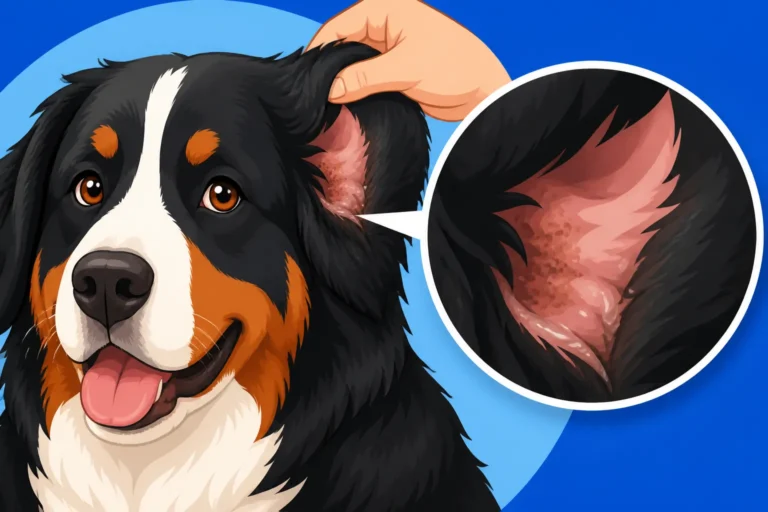
You'll likely go through several towels. Pay extra attention to their feathering, the ruff around their neck, and their "trousers," as these areas tend to hold a lot of water. The goal here is to get them from dripping wet to merely damp, making the next drying stages much more manageable. Don't forget to dry their ears gently with a clean towel to prevent moisture buildup that can lead to ear infections. For more on ear care, you can refer to Cleaning a Bernese Mountain Dog's Ear Flaps.
The Power of the Force Dryer (and Why You Need One)
If you own a Bernese Mountain Dog, a high-velocity force dryer is not a luxury; it's a necessity. These powerful dryers blow cool or warm air at a high speed, effectively blasting water out of the undercoat without using heat that could burn your dog's skin. Trying to air-dry a Berner, or using a human hairdryer (which can get too hot and damage their coat), is a recipe for disaster. A force dryer dramatically cuts down drying time, prevents matting, and ensures your dog is truly dry down to their skin. Many groomers recommend brands easily found on Amazon or Chewy.
Introduce the force dryer slowly. Many dogs are initially wary of the noise and sensation. Start on a low setting, far away from their face, and gradually bring it closer, rewarding with treats. Work in sections, holding the nozzle a few inches from the coat and moving it continuously. You'll literally see water spraying off their fur. This process not only dries them but also helps to "blow out" any remaining loose undercoat, further reducing shedding. It's an investment, but one that pays dividends in comfort for your dog and convenience for you.
Air Drying vs. Full Blowout
While a force dryer is highly recommended, it's sometimes impractical for a full, salon-quality blowout every time. For occasional baths, especially in warm weather, some initial towel drying followed by supervised air drying might be an option, but it's important to understand the risks. If your Berner air-dries, they must be kept in a clean, warm environment, and you need to ensure their coat doesn't mat as it dries. This means frequent brushing during the air-drying process to prevent tangles and promote airflow.
However, for a dog with a coat as dense as a Berner's, a full air-dry often results in a partially damp undercoat for hours, which can lead to that characteristic "wet dog" smell and skin issues. A full blowout with a force dryer ensures complete dryness, better coat health, and a much fresher-smelling dog. If you don't have a force dryer, consider taking your Berner to a professional groomer for a "wash and dry" service after an at-home bath, just for the professional drying process. It’s an efficient way to ensure they are properly dried, especially if you’re concerned about Why a Damp Bernese Mountain Dog Develops Sores.
Post-Bath Care and Maintenance
The bath is done, the drying is complete, and your Bernese Mountain Dog is smelling fresh and looking fabulous. But the job isn't quite over! A little post-bath care and ongoing maintenance can extend that clean feeling, keep their coat healthy, and reinforce positive associations with the bathing process.
Rewarding Good Behavior and Post-Bath Comfort
Immediately after the bath and drying, heap praise and offer those high-value treats. Your Berner just tolerated a potentially uncomfortable, noisy, and wet experience. Reinforce that cooperation with positive attention, a favorite toy, or a special chew. This helps them associate bath time with good things, making the next session hopefully a little easier. You want them to know they did a great job!
Ensure they have a cozy, clean spot to relax. An orthopedic bed, perhaps from a brand you'd find on Chewy or Amazon, is perfect for their joints after standing. Their newly clean coat will feel amazing, and a comfortable rest is well-deserved. Keep an eye on them for a few hours, just to make sure there's no lingering dampness or any signs of skin irritation from the shampoo or drying process. A happy, comfortable dog is a dog more willing to go through the routine again.
Maintaining Coat Health Between Baths
Regular baths for Bernese Mountain Dogs typically aren't needed more often than every 4-8 weeks, unless they've gotten particularly muddy or smelly. Over-bathing can strip their coat of natural oils, leading to dry skin and a dull coat. The real key to a healthy coat between baths is consistent, thorough brushing. This helps remove loose hair, prevents mats, and distributes natural oils, keeping their skin and fur healthy. You'll want to read more on How Often a Bernese Mountain Dog Should Be Brushed.
Aim for at least 2-3 brushing sessions a week, with a quick daily brush-through if possible, especially during shedding season. Use a good quality pin brush and an undercoat rake. Keep an eye on common matting areas, like behind the ears, armpits, and leg feathering. Early detection and removal of small mats can prevent larger, more painful tangles that necessitate another full bath. Regular grooming in between baths will also reduce the amount of dirt and debris that accumulates, making those full baths less intensive when they do happen.
When to Seek Professional Grooming Help
While bathing your Bernese Mountain Dog at home is certainly doable, there are times when seeking professional help is the wisest choice. If your dog has developed significant matting that you can't safely remove yourself, a professional groomer has the tools and expertise to deal with it without causing pain or injury. Similarly, if your Berner has specific skin conditions that require medicated baths or specialized care, a professional groomer or veterinary technician can administer these more effectively.
Professional groomers also have specialized equipment, like walk-in tubs, hydraulic grooming tables, and powerful drying systems, that can make the process much easier and safer for large breeds. If you find the physical demands of bathing your large Berner too much, or if your dog becomes overly stressed by the home bathing experience, a professional groomer can provide a less stressful alternative. They can also offer services like nail trims and ear cleaning that you might find challenging at home. There’s no shame in calling in the pros; sometimes, it’s the best thing for both you and your beloved companion.
Bathing a Bernese Mountain Dog: Tools and Techniques at a Glance
To summarize some of the key takeaways for making bath time less of a chore, here's a quick look at the right tools and techniques.
| Aspect | Home Bathing Tool/Technique | Professional Grooming Advantage (if applicable) |
|---|---|---|
| Pre-Bath Prep | Thorough de-shedding brush/rake; positive reinforcement treats | High-quality tools, experienced handling for mats |
| Wetting & Rinsing | Detachable shower sprayer/hose, lukewarm water, gentle flow | Walk-in tubs, commercial water pressure |
| Shampooing | Dog-specific shampoo (diluted), massage to skin, avoid face | Specialized shampoos for various coat/skin needs |
| Drying | High-velocity force dryer (cool/warm air), multiple absorbent towels | Industrial-strength dryers, professional techniques |
| Safety & Comfort | Non-slip mat, calming music, warm environment, praise | Secured bathing stations, expert handling of nervous dogs |
| Coat Maintenance | Regular brushing, checking for mats, ear cleaning | Full-service grooming, breed-specific trims |
This approach ensures a thorough clean while prioritizing your Berner's comfort and health.
Disclaimer
This article is for general informational purposes only and does not constitute professional advice. Laws, prices and regulations vary by location and change over time. Consult a qualified professional for guidance on your specific situation.