Neatening a Bernese Mountain Dog’s Feet and Hocks
If you're a Bernese Mountain Dog owner, you know the struggle: those beautiful, long coats are a magnet for everything outdoors, and that includes the hair between their paw pads and the luxuriant feathering on their legs and hocks. It's not just about looking tidy; leaving this hair untended can lead to serious comfort and health issues, from painful mats to loss of traction. This guide is here to walk you through the process of neatening your Berner's feet and hocks, ensuring they're comfortable, healthy, and ready for all their mountain dog adventures.
More Than Just Aesthetics: Why Grooming Feet and Hocks Matters
Let's be honest, grooming a Bernese Mountain Dog can feel like a monumental task. They're big, they're hairy, and sometimes they act like you're trying to remove a limb when all you want to do is trim a stray tuft. But when it comes to their feet and hocks, this isn't just about winning best in show. It's fundamentally about their well-being and safety, especially as they age or if they spend a lot of time romping through diverse terrain.
The thick fur that grows between their paw pads, often referred to as "grinch feet," can become a real problem. It traps dirt, debris, moisture, and even tiny burrs or foxtails that can burrow into the skin. Imagine walking around with pebbles constantly stuck between your toes – that's what your Berner can experience. Keeping this area trimmed prevents painful matting and foreign objects from causing irritation or infection, making every step much more pleasant for your big buddy.
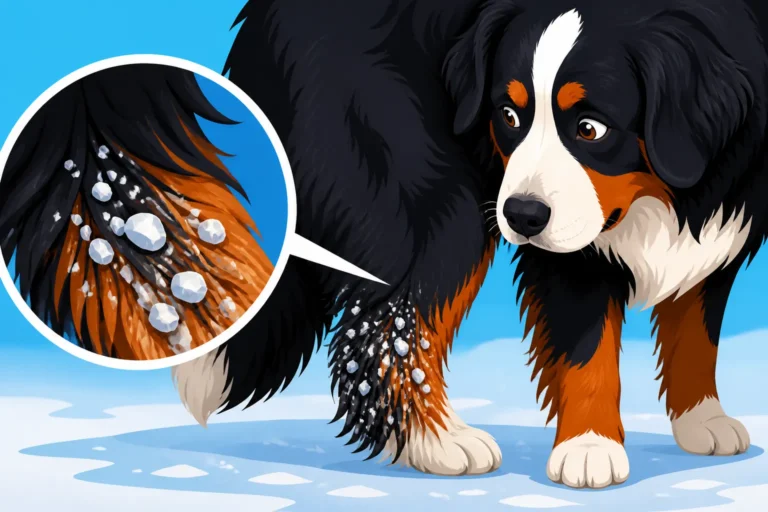
Similarly, the long feathering on their legs and hocks, while stunning, can also collect mud, snow, and general grime. This can quickly lead to large, dense mats that pull on the skin and cause discomfort, particularly behind the elbows and along the backs of the legs. Regular maintenance in these areas helps keep their skin healthy, reduces the risk of skin infections, and makes overall coat care much easier, saving you from bigger, more stressful grooming sessions down the line. It really is an act of love and prevention rolled into one.
Health Benefits Beyond Just Looking Neat
Beyond preventing mats and debris, regular trimming of a Bernese Mountain Dog's feet and hocks plays a crucial role in their overall health. Overgrown hair between the paw pads can become soaked with moisture, creating a damp, warm environment that is perfect for yeast and bacterial infections to thrive. We’re talking about persistent itching, redness, and a distinct odor that no one wants. Keeping these areas dry and clean is a proactive step in preventing these common dermatological issues that can lead to expensive vet visits and discomfort for your dog.
Furthermore, long hair on the pads can make it difficult for your Bernese Mountain Dog to regulate their body temperature, especially in warmer weather. Their paws are one of the few places they sweat to cool down, and excess hair acts like insulation, trapping heat. Trimming this hair allows for better air circulation and more effective cooling, which is particularly important for a breed prone to overheating. Heat and the Bernese Mountain Dog's Black Coat is a topic many Berner owners worry about, and paw health is a small but mighty part of that picture.
Lastly, and perhaps most critically for a large, heavy breed, neat feet contribute to better gait and joint health. Excess hair on the paw pads reduces traction, making your dog more prone to slipping and sliding, especially on smooth floors like hardwood or tile. This constant slipping can put undue stress on their joints, hips, and elbows, areas where Bernese Mountain Dogs are already susceptible to issues like hip and elbow dysplasia. Keeping the paw pads clear helps them maintain better grip and stability, protecting their joints from unnecessary strain and supporting their mobility throughout their lives. Joint Disease in a Hundred Pound Bernese Mountain Dog is a very real concern for this breed, and proactive measures like proper grooming can make a difference.
Keeping Paws Comfortable and Functional
Think about how awkward it would be to walk around with overgrown hair on the soles of your feet. For our Berners, it's no different. Excess hair between the paw pads can distort the natural spread of their toes, impacting their balance and the way their paws meet the ground. This can lead to an unnatural gait, which can then contribute to discomfort and even lameness over time. A Berner relies on strong, well-cared-for paws for everything from a gentle stroll to a spirited romp in the park, and overgrown hair directly hinders this functionality.
This is especially true for working Bernese Mountain Dogs, whether they’re carting, hiking, or simply enjoying long walks. The hair on their feet needs to allow for optimal function, preventing anything that might impede their movement or cause friction. Without proper trimming, moisture and debris caught in the hair can rub and irritate the skin, potentially leading to painful sores or cysts between the toes. Addressing this regularly ensures their paws remain robust and able to perform, allowing them to enjoy their favorite activities without a second thought about discomfort.
Moreover, if your Bernese Mountain Dog ever needs veterinary attention for a paw injury, having neatly trimmed feet makes it much easier for the vet to examine and treat the area. Imagine trying to clean a wound or apply medication through a dense jungle of fur. It’s a challenge for both you and the vet, and certainly not pleasant for your dog. Keeping their paws trimmed simplifies routine checks and makes any necessary medical intervention less stressful, contributing to a better overall care experience for your cherished companion.
Essential Tools for the Job
Before you even think about picking up scissors near your magnificent Bernese Mountain Dog, it's crucial to have the right tools on hand. Trying to make do with inadequate equipment will only lead to frustration for both you and your dog, potentially resulting in an uneven cut, nicks, or even a complete meltdown. Investing in good quality grooming tools specifically designed for pets, and especially for a double-coated breed like the Berner, will make the process smoother, safer, and far more effective. Think of it as setting yourself up for success.
Having everything organized and within reach before you start is also key. This means not just the cutting tools, but also brushes, combs, and, vitally, a pile of high-value treats. A calm environment and a comfortable surface for your dog to stand or lie on will also make a world of difference. Remember, this isn't a race; it's a careful, patient process. Take your time, ensure your dog is relaxed, and only proceed when you feel confident and prepared.
The Right Clippers and Scissors
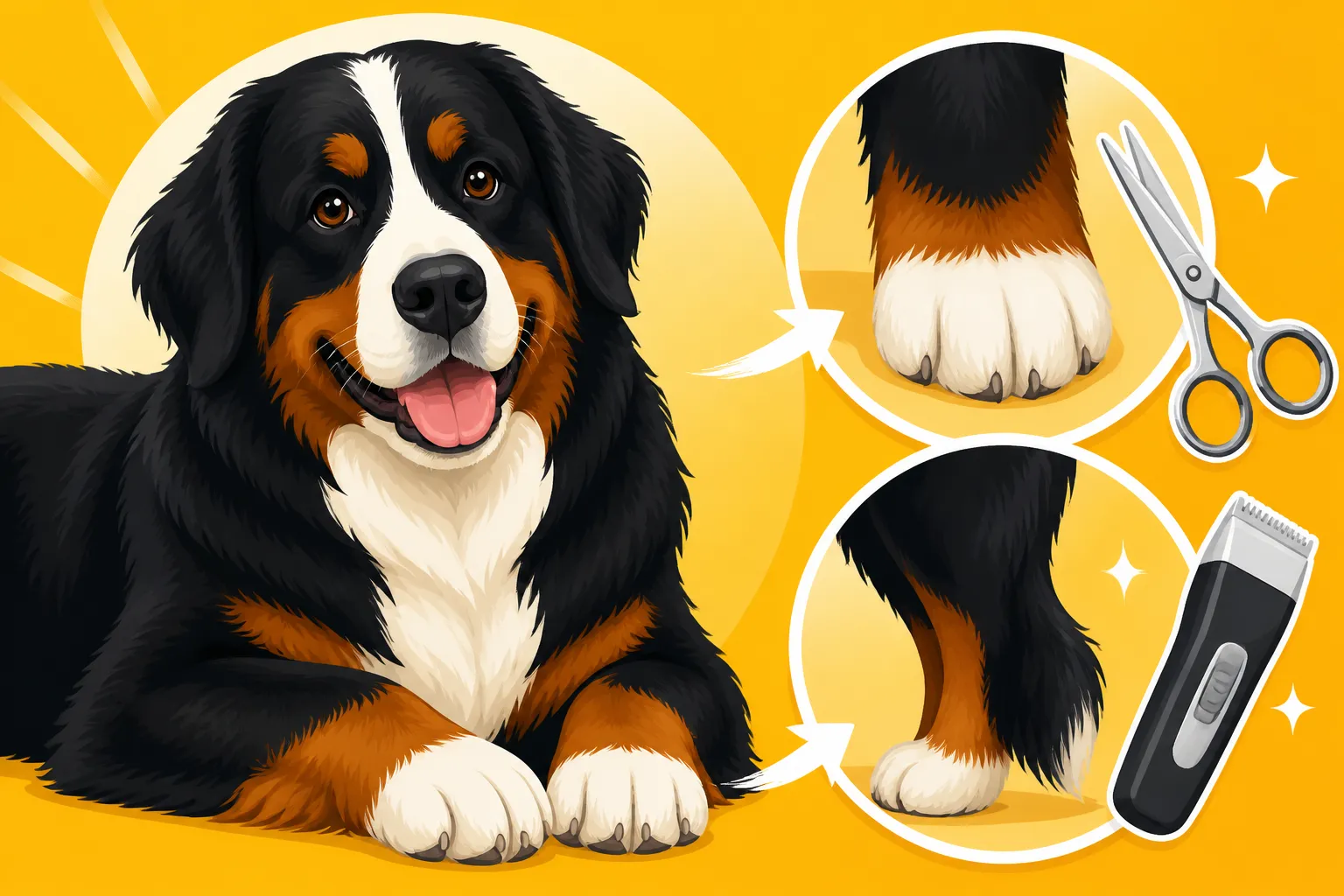
When it comes to trimming your Bernese Mountain Dog's paws, you'll likely need a combination of clippers and scissors. For the hair between the paw pads, a small, quiet, cordless clipper with a fine blade (like a #10 or #15) is often the best choice. These clippers are designed to get into those tight spaces without pulling the hair, and their quiet operation can be less intimidating for sensitive dogs. Brands like Andis or Wahl offer reliable options that you can often find on platforms like Chewy or Amazon. Make sure the blades are sharp and clean; dull blades can pull and hurt your dog.
For trimming the hair around the paw and the feathering on the hocks, a good pair of blunt-nosed grooming shears is essential. These scissors have rounded tips to prevent accidental pokes or cuts, which is a major safety feature when working near sensitive areas. You'll want a pair that is sharp and fits comfortably in your hand, allowing for precise control. Straight shears are generally good for shaping the paw, while thinning shears can be useful for blending the feathering on the legs and hocks, giving a more natural, less "chopped" look. Always use shears designed for pet grooming; household scissors aren't sharp enough and don't have the necessary safety features.
It's also a good idea to have a small pair of straight grooming scissors for those tiny, stubborn tufts that the clippers might miss or that need very delicate attention. Just be extra careful with these, as they don't have the blunt tips. Always point the tips away from the paw pads and skin. Regular cleaning and oiling of your clippers will extend their life and ensure they perform optimally, making each grooming session more effective and comfortable for your Berner.
Combs and Brushes for Prep Work
Before any trimming can begin, you need to properly prepare your Bernese Mountain Dog's coat, and that means thorough brushing and combing. A good quality slicker brush is indispensable for removing loose hair and small tangles from the overall coat, including the feathering on the legs. Follow this with a long-toothed metal comb to ensure you've worked through any deeper knots or mats. This step is critical because trying to clip or cut through matted fur is not only difficult but can be painful and dangerous for your dog, as the skin can be pulled into the mat.
For the paw pads specifically, a finer-toothed comb or even a flea comb can be helpful to separate the hair and lift it away from the pads, making it easier to see what you're doing with the clippers. This also helps you check for any debris, burrs, or tiny mats that might be hiding deep within the paw hair. Taking the time to meticulously comb out the areas you intend to trim will ensure a smoother cut and significantly reduce the risk of accidentally nicking the skin.
Don't forget to have a sturdy towel or two on hand. After all the brushing and combing, you might want to give the paws a quick wipe down to remove any loose hair or surface dirt. A towel can also be used to stabilize your Berner’s paw during the trimming process, giving you a firmer, safer surface to work with. These seemingly simple prep tools are the foundation of a successful and stress-free grooming session for your large, often dramatic, canine companion.
Treats and Restraint Options
Let's be real: most Bernese Mountain Dogs aren't lining up for a pedicure. They're big, they're strong, and if they decide they're not into it, you're going to have a hard time. This is where high-value treats and smart restraint options come into play. Having a generous supply of their absolute favorite treats – something truly irresistible, like small pieces of cooked chicken, cheese, or even those soft, smelly training treats you can find on Chewy – is non-negotiable. Offer them frequently, not just as a reward at the end, but throughout the process to create positive associations. What a Bernese Mountain Dog Will Actually Work For is often food, so use it to your advantage!
For some Berners, especially puppies or those new to grooming, a second person might be your best "restraint" option. This person can gently hold your dog, offer continuous praise, and dispense treats while you focus on the trimming. If you're flying solo, consider tools like a grooming arm attached to a sturdy table (if your dog is used to being on a table) or a "licky mat" smeared with peanut butter, stuck to a wall or surface at their height. These distractions can keep them happily occupied for crucial minutes.
For dogs that are truly anxious or squirmy, gentle physical restraint might be necessary, but always prioritize safety and comfort over force. A grooming sling or a comfortable harness that allows you to guide their position without causing distress can be useful. In extreme cases, if your Berner is prone to snapping or biting out of fear, a muzzle might be a temporary safety measure. However, this should always be introduced positively and used only if absolutely necessary, ensuring it fits well and allows them to pant and take treats. The goal is always to make grooming a calm, positive experience, even if it takes many short sessions over time. The Weekly Handling a Bernese Mountain Dog Should Accept is built on trust and positive reinforcement.
Step-by-Step Guide to Trimming Feet
Alright, you've got your tools, your treats, and your Bernese Mountain Dog (hopefully) in a cooperative mood. Now it’s time to get down to business with those magnificent paws. Remember, slow and steady wins the race. Trying to rush through this will only lead to mistakes, stress, and a dog that actively avoids grooming next time. Break it down into small, manageable steps, and don't hesitate to take breaks if your Berner (or you!) needs one. Patience and positive reinforcement are your greatest allies here.
Find a comfortable, well-lit space where you can work without interruption. A non-slip surface is ideal, whether it's a rubber mat on the floor or a grooming table. Make sure you're both relaxed before you begin. Talk to your dog in a calm, soothing voice throughout the process, even if they're just tolerating it. This continuous reassurance helps to keep them at ease and reinforces that this is a safe, albeit sometimes peculiar, activity.
Prepping the Paws: Cleaning and Brushing
Before you bring any sharp objects near your Bernese Mountain Dog's paws, a thorough cleaning and brushing are absolutely essential. Start by gently wiping each paw with a damp cloth to remove any surface dirt, mud, or dust. Pay particular attention to the areas between the pads, as this is where grime loves to accumulate. If your Berner has been out and about, they might even benefit from a quick paw bath, especially if they've stepped in something sticky or muddy. Just make sure to dry the paws completely before moving on, as wet hair is much harder to trim neatly.
Once the paws are clean, it's time for the brush and comb. Use a slicker brush to carefully work through the longer hair on the top of the paw and around the toes, removing any tangles or loose fur. Then, take your metal comb and meticulously comb the hair between the paw pads, gently pulling it upwards and outwards. This step is crucial for revealing the true extent of the hair growth and for checking for any hidden mats or foreign objects. You want to ensure there are absolutely no knots, large or small, before you even think about clipping.
This preparatory stage isn't just about cleanliness; it's also about desensitization. Handling your dog's paws, flexing their toes, and gently combing the hair helps them get used to the sensation before the clippers or scissors come into play. Offer treats generously during this phase, associating paw handling with positive rewards. If your Berner is particularly sensitive about their feet, spend extra time on this step, even if it means splitting it into multiple short sessions over several days.
Clipping Hair Between the Pads
Now for the tricky part: clipping the hair that grows between the paw pads. This is where your small, quiet clippers come in handy. Start with a fresh, clean, and well-oiled blade to prevent pulling. Hold your Bernese Mountain Dog's paw firmly but gently, spreading their toes slightly to expose the hair that needs to be trimmed. You can use your thumb and forefinger to gently push the pads apart, making the area more accessible.
Position the clippers flat against the paw pad, with the blade parallel to the pads, and carefully glide them through the hair. Always move the clippers away from the skin, not into it. Your goal is to trim the hair flush with the paw pads, so it doesn't extend beyond them. Work slowly and methodically, taking small passes. Avoid digging the corners of the clippers into the delicate webbing between the toes. This skin is very thin and easily nicked.
Continue this process for each space between the pads and around the larger central pad. Be extra vigilant around the dewclaws (if your Berner has them), as these are areas where skin can easily be caught. If your dog is getting antsy, stop, offer a treat, and a quick break. Remember, you don't have to do it all at once. It’s better to do a little bit well than to rush and cause injury or distress. A few short clipping sessions might be more effective than one long, stressful one.
Shaping the Foot for a Tidy Look
Once the hair between the pads is neatly trimmed, the next step is to shape the hair around the perimeter of the paw, giving it that clean, rounded, "cat foot" appearance. This is where your blunt-nosed grooming shears will be your primary tool. Hold your Bernese Mountain Dog's paw with one hand, gently lifting it so you can see the bottom and sides clearly.
Imagine a clean, circular outline for the paw. Carefully trim any hair that extends beyond the natural outline of the paw pads, working from the top of the paw down to the pad level. You want to create a smooth, rounded shape that follows the natural curve of the paw. Angle your scissors slightly downwards as you cut, away from the foot, to avoid creating harsh lines. Take off only a small amount of hair at a time, stepping back occasionally to assess your work. It's always easier to take more hair off than to put it back on!
Pay attention to the hair on top of the paw as well. While Berners have gorgeous feathering, sometimes the hair right over the toes can become excessively long and splayed. You can gently trim this back so it lies neatly, blending seamlessly with the rest of the coat. This often involves using thinning shears to soften the edges or simply carefully snipping any unruly tufts with your blunt-nosed scissors. The goal is to enhance the natural shape of the paw, making it look well-groomed and preventing any excess hair from interfering with their movement or collecting debris.
| Tool Category | Specific Tool | Purpose | Key Features | Where to Find |
|---|---|---|---|---|
| Clipping Tools | Small Cordless Clippers | Trimming hair between paw pads | Quiet, fine blade (#10 or #15), good for tight spaces | Pet supply stores, Chewy, Amazon |
| Blunt-Nosed Shears | Shaping paw perimeter, feathering on hocks, overall tidying | Rounded tips for safety, sharp blades, ergonomic grip | Pet supply stores, Amazon, specialty grooming sites | |
| Thinning Shears | Blending feathering, softening harsh lines | Serrated blades remove bulk without sharp cuts | Pet supply stores, Amazon | |
| Preparation Tools | Slicker Brush | Removing loose hair, tangles from longer coat sections | Fine wire bristles, various sizes | Pet supply stores, Chewy |
| Metal Comb (long-toothed) | Detangling deeper knots, lifting hair between pads | Sturdy teeth, different spacing options | Pet supply stores, Amazon | |
| Towel / Damp Cloth | Cleaning paws, stabilizing during grooming | Absorbent, soft | Household items | |
| Positive Reinforc. | High-Value Treats | Rewarding good behavior, creating positive associations | Small, irresistible, soft for quick consumption | Pet supply stores, Chewy, Ollie (check treat selection) |
| Licky Mat / Distraction Toy | Keeping dog occupied during grooming | Suction cup back, textured surface for spreading treats | Pet supply stores, Amazon |
Tackling the Hocks and Feathering
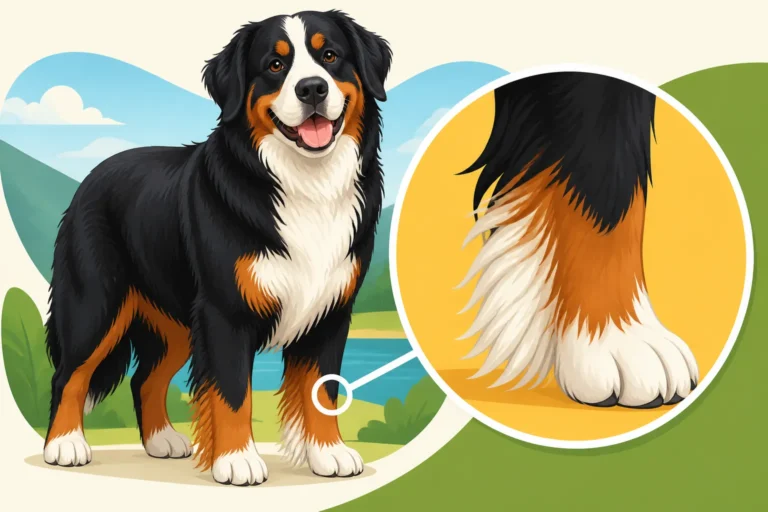
The hocks and the beautiful, flowing feathering on your Bernese Mountain Dog's legs are perhaps the most visually striking parts of their lower anatomy, but they can also be a magnet for mats, burrs, and general grime. Maintaining this area requires a delicate touch and an understanding of the Bernese coat. The goal isn't to strip away their natural beauty, but to keep it tidy, healthy, and free from problematic tangles. This often means carefully thinning and neatening, rather than outright cutting, particularly on the "trousers" of their hind legs.
Many Berner owners adore the flowing look of The Feathering on a Bernese Mountain Dog's Legs and don't want to lose it. The key is balance: enough length for elegance, but short enough to be manageable and prevent serious matting. Again, patience and a good brush are your best friends here. You’re working with a double coat, which means careful consideration of how your trimming will affect its insulating properties and natural flow.
Understanding the Bernese Hindquarters
Before you even think about putting shears to your Berner's hindquarters, it's important to understand the anatomy and the natural lay of their coat. The hock joint is essentially their ankle, and the feathering extends down from the stifle (knee) and behind the hock. This area, often referred to as "trousers" or "culottes," consists of longer, denser hair compared to the body coat. It's designed for protection and warmth, but also prone to collecting debris, especially when your dog runs through tall grass or wet leaves. The Trousers on a Bernese Mountain Dog's Hind End are a hallmark of the breed's beauty, but they require careful upkeep.
The hair in this region tends to be softer and can tangle more easily than the coarser topcoat. It’s also an area of high movement, which contributes to friction and the formation of mats, particularly behind the hocks and along the inner thighs. When grooming, you need to be mindful of the delicate skin underneath this dense fur. It’s thin and can be easily nicked or irritated if you're not careful. This understanding will guide your approach, ensuring you prioritize comfort and health while maintaining the breed's characteristic look.
Regular daily or weekly brushing of the hocks and feathering is your first line of defense against matting. Use a slicker brush to remove loose hair and superficial tangles, followed by a metal comb to work through any deeper knots. Always brush in the direction of hair growth, and when encountering a tangle, work it out gently from the ends, gradually moving towards the skin, rather than yanking through it. This proactive care makes any subsequent trimming much simpler and less stressful for your dog.
Thinning and Trimming the Feathering
Once the feathering on the hocks and legs is thoroughly brushed and free of tangles, you can begin the process of neatening. The goal here is usually not to cut the feathering short, but to thin out excessive bulk and trim any straggly ends that are collecting dirt or becoming matted. This helps the feathering lie more cleanly and reduces its tendency to pick up debris, all while preserving its natural, flowing appearance.
For thinning, thinning shears are an excellent tool. Use them sparingly and strategically. Hold the hair out from the leg and make a few cuts into the underside of the feathering, rather than cutting straight across the top. This removes bulk from the undercoat without visibly shortening the outer layer, creating a more natural blend. Be cautious not to over-thin, as this can affect the coat's protective qualities and sometimes even lead to an uneven regrowth. Work on small sections at a time, stepping back frequently to assess the overall look.
For any straggly ends or hair that consistently drags on the ground, you can use your blunt-nosed grooming shears to trim them. Lift the feathering and carefully snip off just the very tips that are scraggly or excessively long. Focus on creating a clean, neat line that follows the natural contours of your Berner's leg. You might find it helpful to imagine a smooth, slightly tapered shape that keeps the hair off the ground, but still looks full and healthy. Remember, this isn't a show groom unless you're preparing for one; it's about practical tidiness and comfort for your beloved pet.
Dealing with the 'Trousers' and Back of Hocks
The "trousers" on a Bernese Mountain Dog's hind legs are often the thickest and most challenging area to manage. This long, dense hair can quickly become a matted mess, especially if your Berner loves to run through brush or play in the snow. Proper grooming here is crucial to prevent discomfort and skin issues. Start by thoroughly brushing and combing this area, paying extra attention to any mats that might have formed. Mats in a Bernese Mountain Dog's Ruff are one thing, but mats in the trousers can be even more painful due to movement.
For any significant mats in the trousers or behind the hocks, you'll need to approach them carefully. If they're small and loose, you might be able to work them out with a comb and some detangling spray. However, if they're tight and close to the skin, it's often safer to use a pair of blunt-nosed scissors to carefully cut through the mat (never into the skin beneath it) to break it up, or a mat splitter. If the mat is severe, don't hesitate to consult a professional groomer, as attempting to remove deep, tight mats yourself can easily injure your dog. Cutting a Mat Out of a Bernese Mountain Dog's Coat safely requires skill and caution.
Once any mats are dealt with, the goal is to neaten the trousers without sacrificing too much of their characteristic fullness. Use thinning shears to reduce bulk in areas that are particularly dense or prone to matting, focusing on the inner thigh and behind the hocks. This will help the hair lie flatter and reduce its tendency to collect debris. Then, use your blunt-nosed scissors to trim any uneven or excessively long strands, creating a clean, flowing line from the stifle down to the hock. Always ensure that the hair behind the hock is not so long that it drags on the ground or impedes movement. A neat, well-maintained set of trousers enhances your Berner's natural grace and keeps them much more comfortable.
Maintaining the Look and Health
Grooming a Bernese Mountain Dog isn't a one-and-done kind of deal. Their magnificent double coats, including their well-feathered legs and paws, require ongoing attention. Think of it as a marathon, not a sprint. Establishing a consistent grooming routine is the real secret to keeping your Berner comfortable, healthy, and looking their best, minimizing those dreaded "oh no, a mat!" moments. It also makes each grooming session less of a battle, as your dog becomes accustomed to the routine and the tools.
Regular maintenance is far easier than trying to fix neglected problems. Small, frequent sessions of tidying and checking their feet and hocks will save you hours of intensive work down the line. It also provides a wonderful opportunity for bonding with your dog, reinforcing trust and positive interaction. Remember, your Berner relies on you for their care, and a consistent routine shows them you're there for them, even when it involves a little bit of scissor work.
Establishing a Regular Grooming Schedule
For a Bernese Mountain Dog, a regular grooming schedule is paramount. For their feet and hocks, this typically means a quick check and tidy-up every 2-4 weeks, depending on their activity level and how quickly their hair grows. If your Berner spends a lot of time outdoors, romping through fields or tromping through mud, you might find yourself needing to trim their paw hair more frequently, perhaps every couple of weeks. Conversely, a more sedentary indoor dog might stretch to a month.
Beyond the specific trimming of feet and hocks, consider this within the broader context of their overall grooming. A full brushing session should happen at least 2-3 times a week, and more during seasonal sheds. How Often a Bernese Mountain Dog Should Be Brushed isn't just about their body; it's also about working through that feathering on their legs. Mark these dates on your calendar or set reminders on your phone to help you stay consistent. It's easy to let a week or two slip by, and that's usually when mats begin to form and the "grinch feet" make their unwelcome return.
Consistency builds a routine your dog can learn to accept. Always try to groom at the same time and in the same place. Reward generously with treats and praise, and keep sessions positive and calm. If you find your Berner is particularly resistant to paw handling, start with very short sessions focused solely on gentle touching and rewarding, gradually introducing the tools over time. Even if you rely on a professional groomer, regular at-home maintenance between appointments is crucial for keeping their feet and hocks in top condition.
Daily Checks and Quick Fixes
While a formal grooming session happens every few weeks, daily checks are your secret weapon against bigger problems. Every evening, or after a particularly adventurous outing, take a few minutes to quickly inspect your Bernese Mountain Dog's paws and lower legs. This doesn't need to be an elaborate affair; a simple run of your hands over their feet and up their hocks will do.
What are you looking for during these daily checks?
- Debris: Are there any burrs, twigs, or small stones caught in their paw pads or feathering? Remove these gently immediately.
- Mats: Feel for any small tangles or knots that are just starting to form, particularly behind the ears, under the armpits, and in the feathering on their legs. If you find a tiny mat, often a quick pass with a metal comb can resolve it before it becomes a problem.
- Soreness or Redness: Check between their pads for any signs of irritation, redness, or swelling. This could indicate an embedded foreign object, an early infection, or even a small cut.
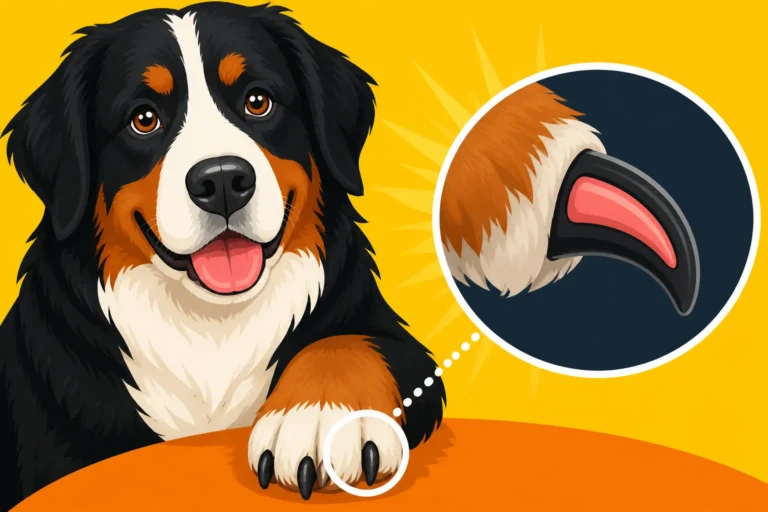
- Nail Length: While not directly related to hair trimming, quickly check their nails. Overgrown nails can affect paw structure and gait.
If you spot a stray, unruly tuft of hair on their paw pads during a daily check, a quick snip with your blunt-nosed scissors (if your dog is comfortable with it) can keep things tidy. These "quick fixes" prevent minor issues from escalating into major grooming challenges. Think of it as preventative maintenance – a little effort each day saves you a lot of effort later. These brief, positive interactions also reinforce their acceptance of being handled, which is invaluable for a large breed like the Bernese Mountain Dog.
Professional Help Versus DIY
Deciding whether to tackle your Bernese Mountain Dog's foot and hock grooming yourself or to rely on a professional groomer is a common dilemma. Many owners choose a hybrid approach, doing some maintenance at home and leaving the more intricate or challenging tasks to the pros. There's no single "right" answer; it truly depends on your comfort level, your dog's temperament, and your available time.
DIY Grooming:
- Pros: Cost-effective, convenient (you can do it whenever you want), strengthens your bond with your dog, allows for more frequent checks.
- Cons: Requires an initial investment in tools, takes time and patience to learn, risks of accidental nicks or uneven cuts, might be challenging with an uncooperative or sensitive dog.
- Best For: Owners who enjoy hands-on care, have a calm and cooperative Berner, or want to supplement professional grooms with regular tidying.
Professional Grooming:
- Pros: Experienced groomers have specialized tools and techniques, can handle difficult dogs, can spot potential skin or health issues you might miss, ensures a consistent, tidy result.
- Cons: Can be expensive, requires scheduling appointments, some dogs find the salon environment stressful, less frequent care than daily at-home checks. Whether a Groomer Charges Extra by Bernese Mountain Dog Size is a fair question, as their size makes everything a bigger job.
- Best For: Owners who lack the time or confidence, those with very matted dogs, or dogs that are particularly challenging to groom at home.
Ultimately, even if you opt for professional grooming, incorporating daily checks and basic brushing at home is highly recommended. This keeps their coat in better condition between appointments, making the groomer's job easier and potentially reducing the cost of services. If you're unsure about tackling specific areas like deep mats or very sensitive paws, a professional can provide guidance or simply take care of it for you. Don't feel guilty about seeking help; ensuring your Bernese Mountain Dog's comfort and health is the top priority, no matter who holds the clippers. Grooming a Bernese Mountain Dog's Long Tricolor Coat is a big task, and help is often welcome.
Troubleshooting Common Issues
Even with the best intentions and the right tools, grooming a Bernese Mountain Dog's feet and hocks can present its challenges. From unexpected mats to a dog who decides they simply cannot deal with the clippers today, you'll likely encounter some hurdles. The key is to approach these issues with patience, understanding, and a problem-solving mindset rather than getting frustrated. Remember, your Berner isn't trying to be difficult; they might be uncomfortable, scared, or simply not understand what you're asking of them.
Knowing how to troubleshoot common problems can turn a potentially stressful situation into a manageable one, ensuring your dog continues to have positive associations with grooming. It’s all about adapting your approach and sometimes knowing when to take a break or seek expert help.
When Mats Form: Gentle Removal Strategies
Despite your best efforts with brushing and regular grooming, sometimes mats just happen. Bernese Mountain Dogs, with their long, dense double coats and active lifestyles, are particularly prone to them, especially in friction areas like behind the ears, under the legs, and, yes, in the feathering on their hocks and between their paw pads. When you discover a mat, the cardinal rule is: do not pull on it. Pulling is painful and can make the mat worse.
For small, loose mats:
- Use a Detangling Spray: Apply a good quality detangling spray directly to the mat. Let it sit for a minute or two to soften the hair. Brands found on Amazon or Chewy often have good options.
- Finger Pick: Gently try to separate the hairs of the mat with your fingers, working from the outer edges inward.
- Comb Gently: Use a metal comb, starting from the very ends of the hair, and gradually work your way towards the skin, loosening the mat a few strands at a time. Hold the hair closer to the skin with one hand to minimize pulling on your dog's skin.
- Repeat: This can take time. Be patient, take breaks, and offer treats.
For tighter, more stubborn mats:
- Mat Splitter: A mat splitter tool can be very effective for cutting through a dense mat without damaging the surrounding healthy hair. Always follow the manufacturer's instructions and be extremely careful not to cut the skin.
- Blunt-Nosed Scissors: If the mat is very tight and close to the skin, and you cannot safely get a comb or splitter underneath it, you might need to carefully cut into the mat with blunt-nosed scissors. Always insert the tip of the scissors under the mat, parallel to the skin, and cut away from the skin. Never point the blades towards the skin. It’s always best to cut into the mat to break it up into smaller, more manageable pieces that can then be combed out, rather than trying to cut the entire mat off.
- Professional Help: If a mat is large, very tight, or located in a sensitive area (like directly on a joint or near a skin fold), it is always best to take your Bernese Mountain Dog to a professional groomer or veterinarian. They have specialized tools and expertise to remove severe mats safely, often requiring a full shave-down if the matting is extensive. This prevents unnecessary pain and potential injury to your dog.
Working with a Sensitive or Uncooperative Dog
Some Bernese Mountain Dogs are just naturally more sensitive about having their feet handled, or they might be completely uncooperative when grooming time rolls around. This can be incredibly frustrating, but forcing the issue will only make things worse. Instead, adopt a strategy of patience, positive reinforcement, and gradual desensitization.
- Start Small: Don't expect to do a full foot and hock trim in one go. Begin with just touching their paws and giving a treat. Gradually increase the duration and intensity of the touch.
- Short Sessions: Keep grooming sessions very short – think 5-10 minutes max. Stop before your dog gets anxious or resistant. End on a positive note, even if you only managed one paw.
- High-Value Rewards: This cannot be stressed enough. Use their absolute favorite treats. If they tolerate one snip, they get a treat. If they let you hold their paw for 30 seconds, they get a treat. Make grooming synonymous with delicious things. Many good soft treats are available from Chewy or Ollie that dogs adore.
- Calm Environment: Groom in a quiet area free from distractions. Play soothing music, speak in a calm voice, and move slowly.
- Distractions: For a food-motivated dog, a Licky Mat smeared with peanut butter or cream cheese can work wonders. This occupies their mouth and mind, diverting attention from the grooming tools.
- Acclimate to Tools: Let your dog sniff the clippers (turned off), the scissors, and the comb. Gently touch the tools to their body (not their feet yet) and reward them for calm acceptance. Turn the clippers on briefly nearby so they get used to the sound, again rewarding calm behavior.
- Seek Help: If you're truly struggling, consult a professional groomer or a positive reinforcement trainer. They can offer personalized advice, demonstrate techniques, or even handle the grooming for you until your dog becomes more comfortable. Sometimes, watching an expert can teach you invaluable tricks. Teaching a Bernese Mountain Dog to Stand for Grooming is a great skill that takes time to build.
Preventing Future Problems
Prevention is always better than cure, especially when it comes to keeping your Bernese Mountain Dog's feet and hocks tidy and healthy. By implementing a few proactive measures, you can significantly reduce the likelihood of mats, debris build-up, and the stress that comes with trying to fix these issues.
- Consistent Brushing: This is your primary defense. Establish a routine of brushing your Berner 2-3 times a week, ensuring you pay special attention to the feathering on their legs and hocks. Use a slicker brush followed by a metal comb to get down to the skin and prevent tangles from forming. More frequent brushing during shedding season is vital.
- Regular Trimming Schedule: Stick to the 2-4 week trimming schedule for their paw pads and any unruly feathering. Keeping the hair short in these areas means less for debris to cling to and less opportunity for mats to form.
- Post-Outdoor Wipes: After every walk, especially if your Bernese Mountain Dog has been in muddy, wet, or brushy areas, take a moment to wipe down their paws and lower legs with a damp cloth or towel. This removes dirt, burrs, and excess moisture before they can cause problems.
- Protective Gear: In very snowy, icy, or rough terrain, consider dog boots. While some Berners tolerate them better than others, they can be excellent for protecting paws from harsh elements and preventing snow and debris from balling up in their paw hair.
- Quality Diet and Hydration: A healthy coat starts from within. Ensure your Bernese Mountain Dog is on a high-quality diet that supports skin and coat health. Proper hydration also contributes to coat integrity, making it less prone to dryness and breakage, which can exacerbate matting.
- Regular Vet Checks: During your routine veterinary appointments, ask your vet to quickly check your Berner's paws for any underlying issues you might have missed. They can offer advice on maintaining paw health and identify any early signs of infection or irritation. Seeing the Vet Twice a Year With a Berner is a good habit for overall health.
By integrating these preventive steps into your regular routine, you'll ensure your Bernese Mountain Dog's feet and hocks remain comfortable, functional, and beautifully maintained, allowing them to confidently explore the world on their well-groomed paws.
Disclaimer
This article is for general informational purposes only and does not constitute professional advice. Laws, prices and regulations vary by location and change over time. Consult a qualified professional for guidance on your specific situation.