Bernese Mountain Dog Ads With No OFA Numbers
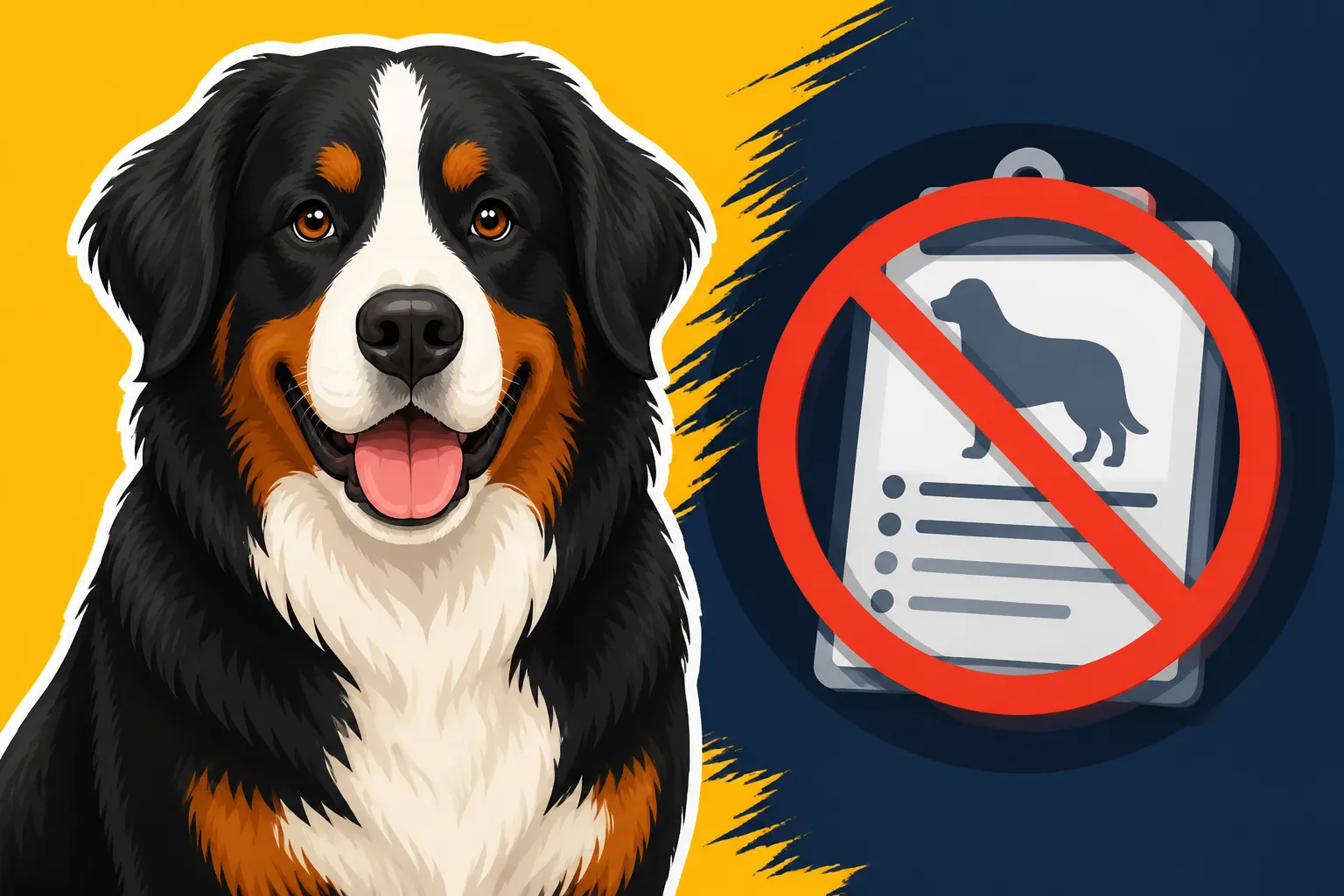
You're scrolling through online ads, dreaming of that fluffy, tri-color Bernese Mountain Dog puppy, and you spot what looks like a great deal. But then you notice something missing: no mention of OFA numbers. This isn't just a minor oversight; it's a giant red flag that can lead to heartbreak and staggering veterinary bills down the line. This guide is here to help you understand exactly what those missing OFA numbers signify, the potential dangers for your future Bernese, and how to navigate the complex world of finding a healthy, well-bred companion.
Why Missing OFA Numbers Are a Cause for Concern
When you see an ad for Bernese Mountain Dog puppies and there’s no mention of OFA (Orthopedic Foundation for Animals) numbers for the parents, it's not just a casual detail. It speaks volumes about the breeder's practices and their commitment to the health of their dogs and the breed as a whole. OFA clearances are a fundamental part of responsible breeding, especially for a large breed like the Bernese Mountain Dog, which is prone to certain hereditary health issues.
Understanding What OFA Clearances Represent
OFA is a not-for-profit organization that has been dedicated to improving the health and well-being of companion animals for decades. They provide a standardized, independent evaluation system for common genetic diseases in various breeds. For Bernese Mountain Dogs, the core OFA clearances typically include evaluations for hip and elbow dysplasia. These are painful, debilitating joint conditions that can severely impact a large dog's quality of life. Without these clearances, you have no verified assurance that the parents have been screened and found free of these genetic predispositions.
Beyond hips and elbows, responsible Bernese breeders often pursue other OFA or similar certifications, such as for eyes, heart, and Von Willebrand Disease. Each of these tests adds a layer of confidence that the breeder is actively trying to mitigate passing on known genetic problems. When an ad omits these numbers, it suggests these tests either haven't been done, or the results weren't favorable. It’s not just about getting a certificate; it’s about making informed breeding decisions to create healthier puppies. You can learn more about the specific screenings a responsible breeder undertakes in our article on What Health Testing a Bernese Mountain Dog Breeder Pays For.
The "Why" Behind the Missing Information
There are several reasons why OFA numbers might be absent from a puppy ad, and none of them are good news for the prospective buyer. The most common reason is that the testing simply hasn't been performed. This could be due to a lack of awareness, a desire to cut costs, or an intentional avoidance of testing because the breeder suspects their dogs would not pass. Some breeders might also claim that their vet "checks" the hips, but this is not the same as a certified OFA evaluation by a panel of independent veterinary radiologists. A regular vet check is a basic physical exam, not a thorough screening for genetic conditions.
Another possibility, and a deeply concerning one, is that the parent dogs did receive OFA evaluations, but they failed. No reputable breeder would advertise dogs with failing OFA scores. Therefore, if the numbers are missing, it's often a silent admission that the parents either carry problematic genes or haven't been screened to ensure they don't. This lack of transparency puts the entire burden of potential health issues squarely on the future owner. It’s crucial to understand that these conditions can surface later in life, and dealing with Joint Disease in a Hundred Pound Bernese Mountain Dog can be incredibly challenging and costly.
The Grave Risks of Buying a Bernese Mountain Dog Without Clearances
Buying a Bernese Mountain Dog puppy from an ad without OFA numbers for the parents is a gamble, and unfortunately, the odds are stacked against you. While no breeder can guarantee perfect health, choosing a puppy from untested lines significantly increases the likelihood of encountering devastating and expensive health problems.
Heartbreak and High Vet Bills
The most immediate and painful consequence of an un-cleared puppy is the potential for early onset and severe health issues. Hip and elbow dysplasia, which OFA screens for, can manifest as early as puppyhood or young adulthood. Imagine bringing home your sweet, fuzzy Berner puppy, only for them to start limping, struggling to get up, or showing signs of pain within their first year or two. This is a very real possibility when parents haven't been cleared. Corrective surgeries, pain management, and ongoing veterinary care for these conditions can quickly amount to tens of thousands of dollars. These are not minor inconveniences; they are life-altering conditions for your dog and a significant financial and emotional strain on you.
Consider the scenario where your Bernese is only a few years old, and you're already facing the difficult decision of whether to pursue expensive surgeries or manage chronic pain for the rest of their shortened life. Our article on Hips That Fail Under a Bernese Mountain Dog's Weight goes into detail about what this can entail. It's a heavy burden, and it's one that responsible breeders try to prevent. You might find yourself quickly looking into pet insurance options like Healthy Paws, hoping to mitigate some of these unforeseen expenses, but often, conditions present before a policy's effective date are considered pre-existing.
A Shorter, More Painful Life Expectancy
Bernese Mountain Dogs already have a heartbreakingly short lifespan compared to many other breeds. Sadly, their average lifespan is only seven or eight years, a topic we explore in Why a Bernese Mountain Dog Lives Only Seven or Eight Years. When you add significant genetic health problems into the mix, that already short life can be further reduced and filled with chronic discomfort. Dogs with severe dysplasia or other debilitating conditions often have a lower quality of life, requiring more interventions, medications, and careful management.
It's not just about the physical pain; it's about the missed opportunities for joy and companionship. You want your Bernese to be able to enjoy long walks, play with other dogs, and simply move without agony. A dog constantly battling pain can't live its best life, and as an owner, witnessing that decline is incredibly difficult. Investing in a puppy from parents with proper health clearances is an investment in the potential for a longer, healthier, and happier life for your beloved companion, maximizing the chances of your Bernese reaching that slightly older age discussed in The Bernese Mountain Dog That Reaches Twelve.
Supporting Irresponsible Breeding Practices
When you purchase a puppy from a breeder who doesn't conduct OFA testing, you are, perhaps unknowingly, contributing to the problem. You're signaling that there's a market for puppies bred without health considerations. This incentivizes less scrupulous breeders to continue their practices, perpetuating the cycle of genetic health issues within the breed. Responsible breeders put immense time, effort, and financial resources into health testing, careful selection of breeding pairs, and raising healthy puppies. They understand that What Health Testing a Bernese Mountain Dog Breeder Pays For is an investment, not a cost to be avoided.
By supporting breeders who cut corners on health clearances, you indirectly make it harder for truly ethical breeders to thrive. You also risk the heartbreak of bringing home a puppy that will require extensive medical intervention, potentially costing far more than the initial "bargain" price. This "bargain" often becomes The Untested Bernese Mountain Dog That Costs You at Five, financially and emotionally.
How to Vet a Breeder When OFA Numbers Are Absent
So, you've seen an ad, you're concerned about the lack of OFA numbers, but you're still interested. What do you do? The first step is to approach with extreme caution and a healthy dose of skepticism. It's not impossible that a breeder simply forgot to include the numbers, but it's highly improbable for a truly responsible breeder. You need to be prepared to ask pointed questions and verify information.
Ask Directly and Expect Proof
Never be shy about asking a breeder for specific OFA numbers. A reputable breeder will be proud to share them. They should be able to provide the full registered names of both parent dogs and their corresponding OFA certifications. These usually include a numerical designation (e.g., "OFA Hips: Good, BM-XXXXGXX"). You can then take these numbers and verify them directly on the OFA website's public database. This step is crucial. If a breeder is evasive, gives vague answers, or refuses to provide this information, it's a huge red flag.
Don't settle for "the vet says their hips are fine" or "they've been checked." Demand concrete, verifiable OFA certifications. Responsible breeders will also have documentation for other health tests, like eye clearances from a board-certified veterinary ophthalmologist and cardiac clearances. They should also be transparent about the longevity in their lines, a critical factor given the breed's challenges, which is often recorded in databases like Berner-Garde. You should also inquire about The Four OFA Clearances on a Bernese Mountain Dog to ensure comprehensive screening.
Look for Other Red Flags and Demand Transparency
Beyond missing OFA numbers, several other indicators can signal an irresponsible breeder. Be wary of anyone who:
- Has multiple litters available at once or breeds many different types of dogs: This can suggest a "puppy mill" operation where profit is prioritized over health and welfare.
- Doesn't allow you to visit their facility or meet the puppy's parents: This is non-negotiable. You need to see where the puppies are raised and observe the temperament and health of the mother, at minimum.
- Can't answer specific questions about their breeding philosophy, the breed standard, or common health issues: A knowledgeable breeder is passionate about their dogs and the breed.
- Offers puppies at a significantly lower price than the breed standard: While price isn't everything, extremely low prices often reflect a lack of investment in health testing, quality care, and proper nutrition. Remember, What a Fully Cleared Bernese Mountain Dog Litter Sells For will be higher due to the costs involved in responsible breeding.
- Pressures you to make a quick decision or take a puppy home before 8 weeks of age: Ethical breeders prioritize the puppy's developmental needs.
- Doesn't ask you many questions: A good breeder wants to ensure their puppies go to suitable, loving homes. They should be screening you as much as you're screening them.
If you encounter these red flags in addition to the missing OFA numbers, it's almost certainly best to walk away. No matter how cute the puppy, the long-term consequences are rarely worth it.
Utilize Breed-Specific Resources
When you're searching for a Bernese Mountain Dog, don't just rely on general online ads. Connect with the Bernese Mountain Dog Club of America (BMDCA) or regional Bernese clubs. These organizations often have breeder directories and codes of ethics that mandate health testing. They can also provide guidance and resources for finding reputable breeders who adhere to high standards. They understand the breed's specific needs and challenges, including the prevalence of cancer, a serious concern addressed in Whether Cancer Runs in Bernese Mountain Dog Lines.
Another invaluable resource is the Berner-Garde Database. This open database collects health information, pedigrees, and longevity data for Bernese Mountain Dogs. A responsible breeder will have their dogs listed in Berner-Garde and can provide you with information on how to access their dog's records. This level of transparency is a hallmark of an ethical breeder.
| Breeder Type | OFA Numbers Provided | Health Testing Details | Transparency Level | Price Expectation | Potential Health Outcomes |
|---|---|---|---|---|---|
| Reputable Breeder | Yes (Verifiable) | Extensive (Hips, Elbows, Eyes, Heart, VWD, etc.) | High (Open records, home visits encouraged) | Higher | Reduced risk of hereditary issues, better longevity potential |
| Questionable Breeder | No or Vague | Minimal or Self-Reported | Low (Evasive, no home visits) | Lower | Higher risk of expensive, debilitating hereditary conditions |
The True Cost of a "Bargain" Bernese Mountain Dog
It’s tempting to choose a puppy based on a lower initial price, especially when the initial cost of a well-bred Bernese Mountain Dog can seem significant. However, cutting corners on the purchase price almost invariably leads to much higher costs down the line, both financially and emotionally.
Veterinary Bills That Dwarf the Purchase Price
An initial savings of a few hundred or even a couple of thousand dollars on a puppy from untested parents can quickly be obliterated by veterinary bills. As mentioned, surgeries for hip or elbow dysplasia can cost thousands, if not tens of thousands, of dollars per joint. This doesn't even account for ongoing medications, rehabilitation therapies (like hydrotherapy), or potential complications.
Consider other common Bernese Mountain Dog health issues that OFA doesn't cover but can be more prevalent in poorly bred lines, such as certain cancers. The Cancer That Kills Half of All Bernese Mountain Dogs is a devastating reality for this breed, and while screening for it is complex, a breeder prioritizing overall health and longevity in their lines can make a difference. Chemotherapy or other advanced treatments can run into astronomical figures. These are costs that most people simply aren't prepared for. This is why many owners look into pet insurance providers like Healthy Paws or consider setting up a dedicated emergency fund, but a pre-existing condition could limit coverage.
Lifetime Expenses and Quality of Life
When you factor in the long-term management of chronic conditions, special diets, medications from places like Chewy that offer prescription foods, and even mobility aids (like slings or carts if a dog loses its back legs, as discussed in Living With a Bernese Mountain Dog Losing Its Back Legs), the "bargain" puppy becomes anything but. The true cost of owning a Bernese Mountain Dog goes far beyond the purchase price, encompassing food, grooming, routine vet care, and then the inevitable unexpected health crises. Our comprehensive guide on What a Bernese Mountain Dog Costs Over Its Whole Life details just how much you can expect to spend over their unfortunately short lifespan.
It's not just money, either. The emotional toll of watching your beloved pet suffer, of constantly managing their pain, and of making difficult decisions about their care, is immeasurable. The time spent on vet visits and treatments could be time spent enjoying their companionship on hikes, cuddling on the couch, or playing in the yard.
Invest Wisely, Love Fully
Ultimately, investing in a Bernese Mountain Dog from a reputable breeder who proudly displays their OFA numbers and other health clearances is not an extravagance; it's a responsible, loving choice. It's about giving your future companion the best possible start in life and maximizing their chances for a healthy, happy existence. While no breeder can guarantee freedom from all health issues, those who perform comprehensive health testing are doing everything in their power to reduce the risks.
Think of it this way: the initial price difference between a well-bred, health-tested Bernese and one from an ad without OFA numbers is often far less than the cost of treating a single major hereditary condition. It's a small premium to pay for peace of mind and, most importantly, for the well-being of the dog who will become a cherished member of your family. Consider also the quality of food options like Ollie, often chosen by owners committed to premium nutrition for their Berners, which is another ongoing cost that adds to the overall investment in a healthy dog. Don't compromise on verifiable health clearances; your heart and your wallet will thank you in the long run.
Disclaimer
This article is for general informational purposes only and does not constitute professional advice. Laws, prices and regulations vary by location and change over time. Consult a qualified professional for guidance on your specific situation.