Bernese Mountain Dog Markings and What They Mean
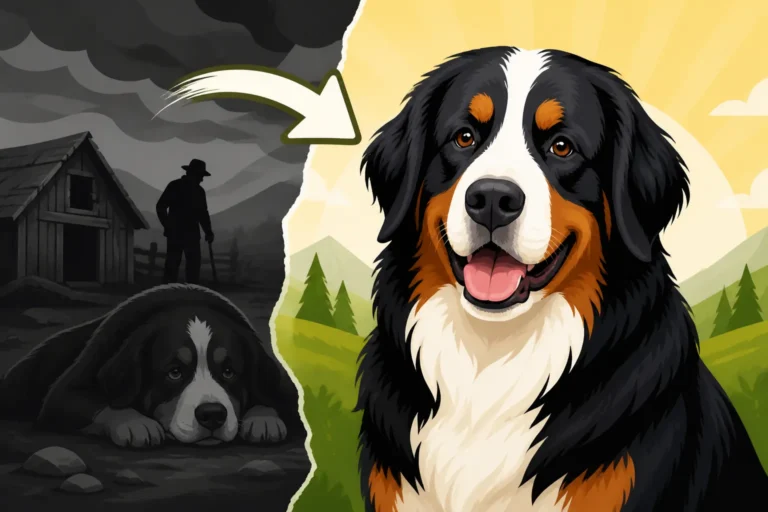
When you first lay eyes on a Bernese Mountain Dog, it's often their striking tricolor coat that captures your heart. Those bold patches of black, white, and rust are more than just pretty colors; they're a defining characteristic of the breed, telling a story of their heritage and meeting a very specific set of standards. But understanding what those markings truly mean, where they should ideally sit, and what variations are common can sometimes feel like trying to interpret a secret code. This comprehensive guide will walk you through every aspect of the Bernese Mountain Dog's iconic coat, explaining each marking and its significance.
The Beauty of the Bernese Mountain Dog Coat: More Than Just Black, White, and Rust
There's something truly majestic about a Bernese Mountain Dog's coat. It's not just functional, designed to protect them from the harsh Swiss elements; it's also a work of art, a beautiful tapestry of rich colors that has been carefully preserved through generations. For anyone considering bringing one of these wonderful dogs into their home, or for seasoned owners who want to delve deeper, appreciating the nuances of their coat is part of embracing the breed fully.
A Symphony of Colors: Understanding the Tricolor Standard
The Bernese Mountain Dog is renowned for its unmistakable tricolor coat: a deep, glossy black, crisp rust (or tan), and pure white. This isn't just a random arrangement; the placement of these colors follows a very specific pattern that is outlined in The Bernese Mountain Dog Breed Standard. Breeders strive to achieve this ideal balance, and it's what makes a Berner instantly recognizable. The black forms the dominant base, usually covering the body like a blanket, while the white and rust act as striking accents.
It’s important to understand that "tricolor" isn't just a vague term for three colors. It refers to a very precise genetic expression that results in this particular pattern. You won't find solid black Berners, nor will you see them in merle or brindle. The tricolor pattern is a hallmark, a visual identifier that sets them apart from many other large breeds. Each shade plays a crucial role in creating the overall impression of a strong, handsome, and classic working dog.
Why Markings Matter: Beyond Aesthetics
While the beautiful markings are certainly aesthetically pleasing, they hold significance beyond just looking good. For breeders, adhering to the standard for markings is part of preserving the breed's integrity and history. These patterns are not arbitrary; they reflect the lineage and careful selection that has gone into developing the Bernese Mountain Dog over centuries. Deviations, while often harmless to the dog's health, can indicate a departure from the established breed type.
For pet owners, understanding the markings can help them appreciate the unique beauty of their individual dog and also provide insight when choosing a puppy. While a pet-quality Bernese Mountain Dog doesn't need to be "perfect" by show standards, recognizing the typical patterns helps in identifying reputable breeders who are prioritizing breed health and standard adherence. Ultimately, the markings are a visual testament to what makes a Bernese, a Bernese.
Deciphering the Black Blanket: The Bernese Mountain Dog's Signature Back
The deep, rich black is the foundation of the Bernese Mountain Dog's tricolor coat. It's the dominant color, often described as a "blanket" or "saddle," that covers the majority of their body. This expansive black serves as a striking contrast to the vibrant white and rust points, making them pop even more.
The Ideal Black Saddle and Its Coverage
Ideally, the black on a Bernese Mountain Dog should be a jet-black, free from brown or reddish tints. It typically covers the back, sides, neck, and upper parts of the legs. Think of it like a neatly fitted saddle, starting from behind the ears, extending down the back, and usually covering the tail, though the tip of the tail might be white. This "blanket" should be well-defined, creating a clear distinction between the black and the rust and white markings.
A desirable black coat is dense and lustrous, hinting at the breed's double coat designed for protection. When you brush through it, you should feel a thick undercoat beneath the longer guard hairs. This combination of density and color contributes to the overall robust and sturdy appearance of the breed. The expanse of black truly anchors the entire tricolor pattern.
Variations in Black: From Midnight to Softer Tones
While jet black is preferred, variations do exist. Some Bernese may have a black that appears slightly softer, perhaps a very dark charcoal rather than an intense midnight. This can sometimes be due to sun exposure, causing the black hairs to lighten slightly, or it could be a genetic variation. Puppies, in particular, might have a softer black that deepens as they mature.
More significant variations can include "smoky" or faded black, where the color is less intense and might even have a brownish cast. This is generally considered less desirable in the show ring, but it certainly doesn't impact the dog's health or temperament. Sometimes, an older Bernese Mountain Dog's coat might naturally begin to soften in color, especially around the muzzle and eyes, which is just a sign of graceful aging.
The Snow-White Touches: Identifying Key White Markings
The crisp white markings are arguably the most eye-catching feature of the Bernese Mountain Dog's coat, providing dramatic contrast against the black. These aren't just random splashes; their placement is quite specific and contributes greatly to the breed's distinct appearance.
The Iconic "Swiss Cross" and Its Placement
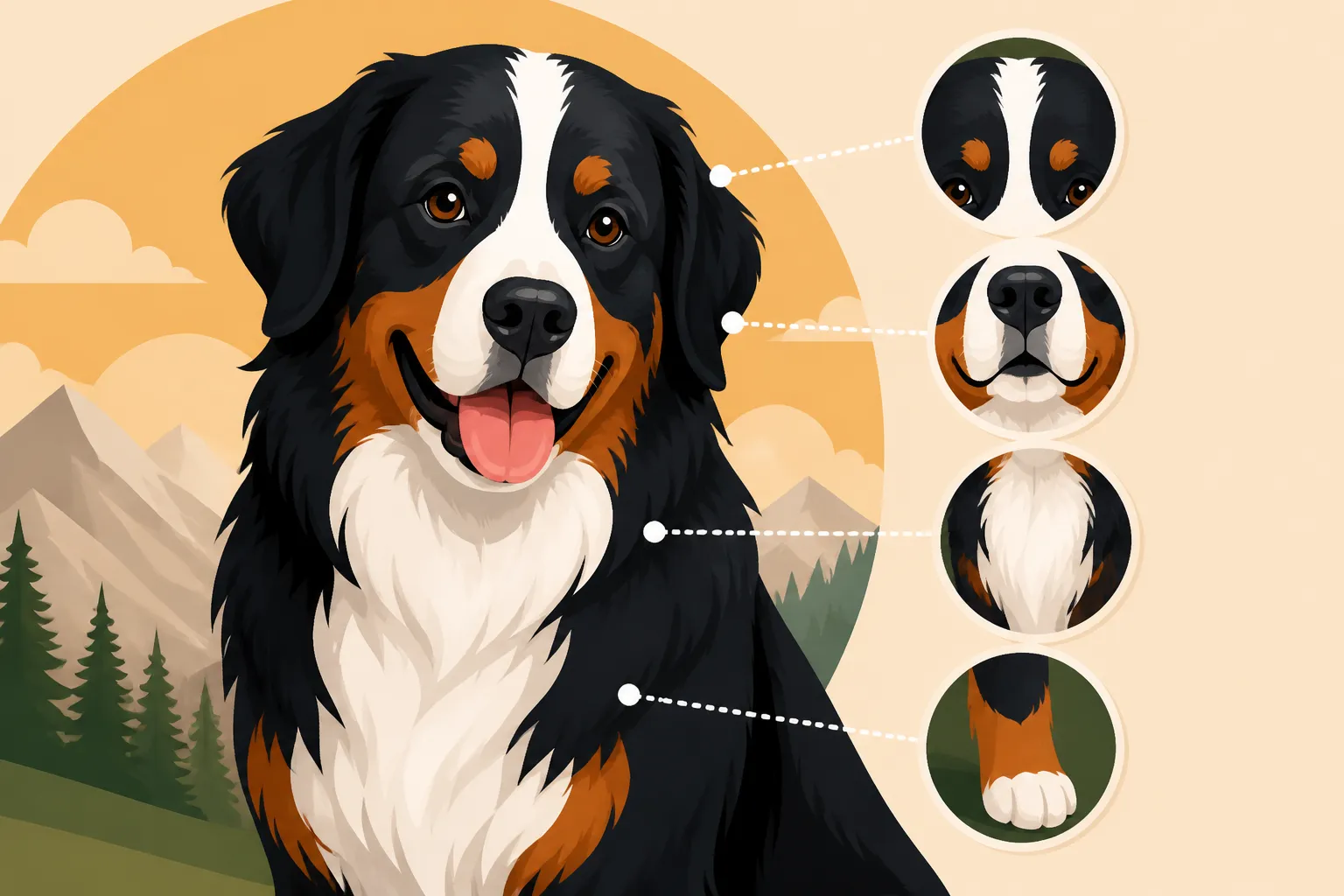
One of the most characteristic white markings on a Bernese Mountain Dog is the "Swiss Cross," or the "Swiss star," located on the chest. This is a crucial element of the breed standard, adding to their dignified and noble appearance. Ideally, this white patch should be broad and symmetric, forming a cross or an inverted "U" shape that extends from the throat down between the front legs. The Swiss Cross on a Bernese Mountain Dog's Chest is truly a hallmark of the breed.
The clarity and crispness of this white marking are highly valued. It should be pure white, without flecks of black or rust, clearly delineated from the surrounding black. A well-defined chest cross not only enhances the dog's visual appeal but also reflects the careful breeding that seeks to maintain these traditional characteristics. It's one of those details that truly makes a Berner, a Berner.
The Dashing Blaze: From Forehead to Muzzle
Another essential white marking is the blaze, which runs up the forehead and extends down the muzzle. The ideal blaze starts broad between the eyes and narrows slightly towards the nose, creating a striking facial pattern. It should be symmetric and clearly defined, framing the dog's expressive eyes and adding to their intelligent look. Some Bernese might have a small, pure white patch on the tip of their nose as part of the blaze.
The exact shape and width of the blaze can vary, but a broken or uneven blaze is generally considered less desirable in the show ring. However, for a beloved family companion, these minor variations are simply part of what makes each dog unique. Sometimes, a "full" blaze might include white on the cheeks, blending into the rust markings, which adds another layer of complexity to their facial pattern.
White on the Paws and Tail Tip: Essential Details
Beyond the chest and face, white markings are also expected on the paws and, often, the tip of the tail. The white on the paws should ideally cover all four feet, resembling pristine white "stockings" or "socks." These white paws should be clean and clearly separated from the black and rust on the legs. They give the dog a neat, well-put-together look, as if they've just stepped out of a fresh snowfall.
A white tip on the tail is also a common and desirable feature. It's often a small, distinct patch that adds a charming flourish to their already elegant tail carriage. The white tip on a Bernese Mountain Dog's tail is a lovely detail. These white touches, from the chest to the paws and tail, complete the tricolor picture, ensuring that the Bernese Mountain Dog stands out with its signature, striking presentation.
The Warm Rust Accents: Defining the Tan Points
The rust or tan markings on a Bernese Mountain Dog are the warm, rich tones that add depth and character to their otherwise black and white canvas. These are not merely patches of brown; they are specific points of color that highlight the dog's structure and expressive features.
The "Swiss Kiss": A Mark of Affection
Among the most endearing rust markings are the patches above each eye, often referred to as the "Swiss Kiss." These distinctive spots contribute to the Bernese Mountain Dog's gentle, soulful expression. They should be clear, rich rust, not faded or muddy, and symmetrically placed. The Swiss Kiss Behind a Bernese Mountain Dog's Neck isn't exactly where it is located, but it’s a lovely term for these markings anyway.
These rust points above the eyes truly bring out the dog's facial features, making their eyes appear even more intelligent and kind. Without them, the face would look much flatter and less expressive. These marks are a subtle yet powerful part of their charm, inviting you to look into their eyes and connect with their gentle spirit.
Rust on Legs, Chest, and Cheeks: Completing the Picture
Beyond the eyes, rust markings are strategically placed on other parts of the body. You'll typically find a rich rust color on the cheeks, blending from the black of the head down towards the muzzle. This helps define the breadth of their skull and muzzle. Additionally, rust is present on the legs, specifically on the inner aspects, just above the white "socks," and sometimes extending slightly up the front of the legs.
The rust coloration also often extends up the sides of the white chest marking, creating a lovely frame. These rust points should be a warm, clear tan, not a dull or washed-out brown. Rust Markings on a Bernese Mountain Dog are critical to the overall tricolor balance, acting as a transitional color between the stark black and white, adding warmth and richness to the entire appearance. The combination of these three distinct colors is truly what makes the Bernese Mountain Dog so visually captivating.
Common Variations and What They Signify
While the breed standard outlines the ideal Bernese Mountain Dog markings, nature doesn't always follow the rulebook precisely. Variations are common, and it's important for owners and prospective owners to understand what these mean, both for the dog's well-being and in the context of breed standards.
"Smoky" Markings and Fading Pigmentation
Sometimes, you might encounter a Bernese Mountain Dog with "smoky" or less intense rust markings, where the tan appears diluted or faded rather than a rich, vibrant rust. This can sometimes occur with age, especially if a dog spends a lot of time in the sun, which can cause the black coat to lighten and the rust to become less distinct. Whether a Bernese Mountain Dog's black coat fades can affect how prominent these rust markings appear.
While a deep, clear rust is preferred for show purposes, a Bernese with smoky markings is no less of a wonderful companion. These variations are purely cosmetic and do not impact the dog's health or temperament. It’s simply a natural genetic variation or an effect of environmental factors and aging, much like how human hair changes color over time.
Excessive or Insufficient White: When Markings Deviate
The amount of white on a Bernese Mountain Dog is also subject to variation. Some dogs might have excessive white, for example, a white collar that extends around the neck, or white that reaches much higher on the legs. Conversely, some might have insufficient white, perhaps lacking the distinct Swiss cross on the chest or only having small white tips on their paws. How Much White a Bernese Mountain Dog May Have is quite specific in the standard.
These deviations are considered faults in the show ring. For instance, a dog with a full white collar, or "irish spotting," would not place well. However, for a family pet, these variations are merely unique physical traits. A Bernese with a little more or a little less white is still every bit a Bernese, and these differences often give them an even more distinctive character within the family.
The Impact of Marking Variations on Showing vs. Pet Quality
It's crucial to understand the distinction between show quality and pet quality when it comes to markings. A Bernese Mountain Dog bred for the show ring will be rigorously assessed against The Bernese Mountain Dog Breed Standard, and deviations in markings can prevent them from excelling. These standards are in place to preserve the uniformity and classic appearance of the breed.
However, a "pet quality" Bernese Mountain Dog, one that might have an uneven blaze, a smaller chest cross, or slightly less vibrant rust, is equally healthy, intelligent, and loving. These minor cosmetic differences do not affect their ability to be an incredible family companion, a loyal friend, or to participate in activities like obedience or What draft work costs a Bernese Mountain Dog owner. The joy and companionship a Bernese brings is never determined by the perfection of their coat markings.
The Genetics Behind the Bernese Coat
Understanding the genetics behind the Bernese Mountain Dog's tricolor coat can demystify why they look the way they do and how those patterns are inherited. It's a fascinating area that combines science with the visible artistry of the breed.
Understanding the Tricolor Gene
The tricolor pattern in Bernese Mountain Dogs is a result of specific genetic combinations. At a basic level, the presence of certain genes dictates the distribution of black, white, and tan pigments. The "agouti" gene series plays a significant role here, particularly the "at" allele, which is responsible for the tan points. This allele, when combined with other genes that produce black pigment, results in the classic tricolor pattern.
The white markings are controlled by a separate set of genes, often referred to as "spotting genes." These genes determine where the white patches appear and how large they are. It's not a single gene, but rather a combination that influences the extent and placement of the white. This complex interaction of genes is why predicting exact marking patterns can be challenging, even for experienced breeders. The uniform appearance of the Bernese coat is a testament to generations of selective breeding to solidify these genetic traits.
Predicting Markings in a Bernese Mountain Dog Litter
While the general tricolor pattern is predictable if both parents are purebred Bernese Mountain Dogs, the precise details of the markings within a litter can still hold surprises. Two tricolor Berners will produce tricolor puppies, but the exact size and symmetry of the blazes, crosses, and rust points will vary. This is because multiple genes, each with slight variations, contribute to the final appearance.
Breeders, through careful record-keeping and studying pedigrees, gain a better understanding of the tendencies within their lines. They might observe that certain pairings consistently produce puppies with excellent chest crosses or particularly rich rust markings. This knowledge informs their breeding decisions, aiming to maintain and improve the desirable traits of The Bernese Mountain Dog Breed Standard. However, even with the most careful planning, each puppy is a unique genetic combination, making every litter a new adventure. This genetic knowledge is also what helps responsible breeders avoid accidental dilute colors or patterns not characteristic of the breed.
Caring for the Bernese Mountain Dog's Distinctive Coat
A Bernese Mountain Dog's coat isn't just beautiful; it's also a significant part of their health and comfort. Proper care helps maintain the vibrancy of their markings, the integrity of their double coat, and prevents common issues like matting or skin irritation.
Maintaining Color and Health Through Grooming
The Bernese Mountain Dog's long, thick double coat requires regular attention to keep it healthy and its tricolor markings looking their best. Regular brushing is paramount, especially during shedding seasons. Brushing out a Bernese Mountain Dog's undercoat is crucial to prevent matting, which can hide skin issues and dull the coat's appearance. Using a slicker brush and a good undercoat rake can help remove loose hair, stimulate circulation, and distribute natural oils, enhancing the coat's shine and the richness of its colors. You can find many suitable grooming tools on Chewy.
Neglecting grooming can lead to mats and tangles, particularly in the longer feathering on their legs and trousers, which can pull on the skin and cause discomfort. When the coat is clean and free of dead hair, the black appears deeper, the white more brilliant, and the rust more vibrant. Beyond aesthetics, regular grooming also allows you to inspect your dog's skin for any lumps, bumps, or irritations, which is especially important for a breed prone to certain health conditions.
Diet and Coat Quality: Keeping Those Colors Vibrant
What you feed your Bernese Mountain Dog has a direct impact on the health and appearance of their coat and the vibrancy of their markings. A high-quality diet, rich in essential fatty acids like Omega-3 and Omega-6, can contribute to a glossy coat and healthy skin. Look for dog foods that list quality protein sources as the first ingredients and contain beneficial fats. Feeding an adult Bernese Mountain Dog safely means choosing appropriate nutrition for their size and life stage.
Poor nutrition, on the other hand, can lead to a dull, dry coat, excessive shedding, and even a noticeable fading or lack of richness in the black and rust colors. Some owners choose to supplement their Bernese's diet with fish oil or specific skin and coat supplements, which can be particularly helpful if their dog has dry skin or a less-than-lustrous coat. Always discuss supplements with your vet to ensure they're appropriate for your individual dog. A healthy diet supports a healthy coat, ensuring those beautiful tricolor markings shine. You can explore a wide range of nutritious dog food options on Chewy that cater to large breeds like the Bernese Mountain Dog.
Disclaimer
This article is for general informational purposes only and does not constitute professional advice. Laws, prices and regulations vary by location and change over time. Consult a qualified professional for guidance on your specific situation.