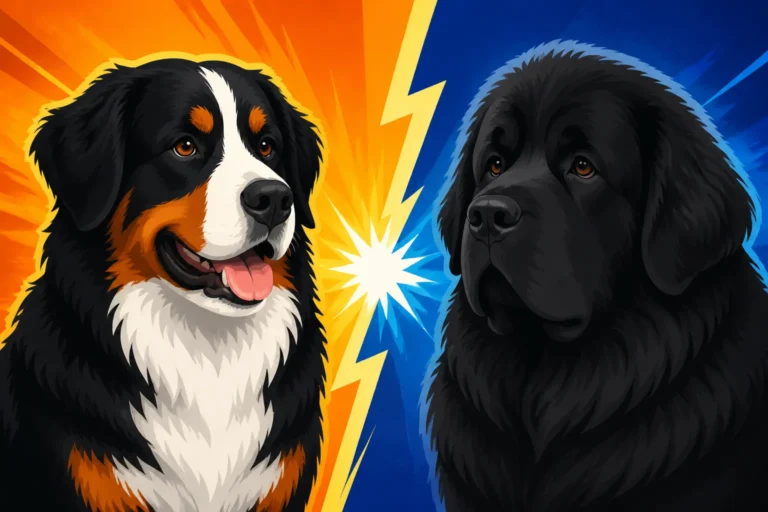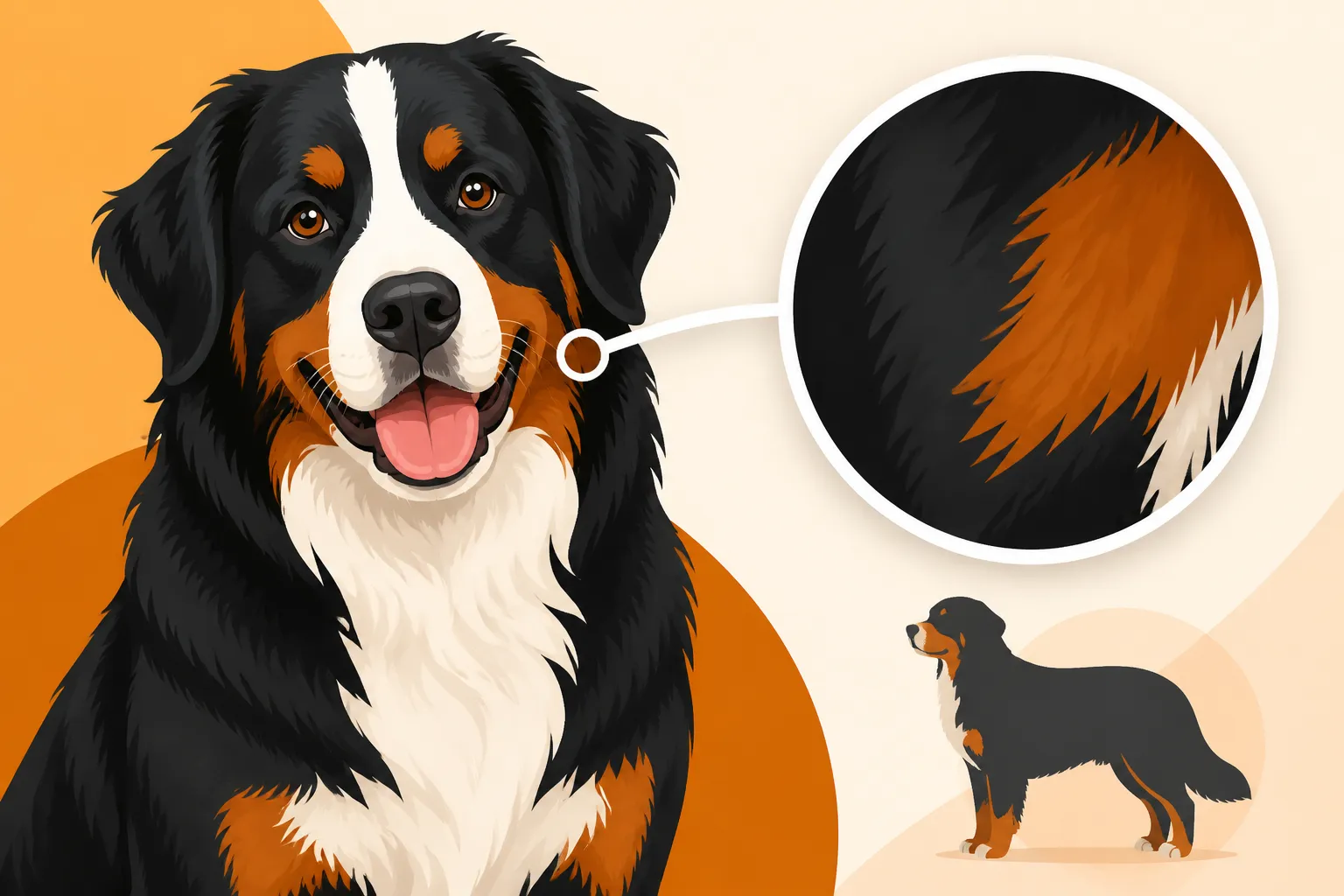
Rust Markings on a Bernese Mountain Dog
If you're a Bernese Mountain Dog owner or admirer, you've undoubtedly noticed their striking tricolor coats. But sometimes, what you see isn't just black and white – there's that beautiful, often enigmatic, rust color. It's a common point of fascination and sometimes confusion, wondering exactly where it should be, what shade is "right," and what it all means for your beloved Berner. This guide will take a deep dive into those rust markings, helping you understand their origin, significance, and what makes them such an integral part of the Bernese Mountain Dog's iconic appearance.
Understanding the Bernese Mountain Dog's Classic Tricolor Coat
The Bernese Mountain Dog's coat is one of its most defining characteristics, drawing people in with its lushness and distinct pattern. It's not just a random scattering of colors; it's a carefully balanced composition that has been admired for centuries.
The Core Trio: Black, White, and Rust
When you look at a classic Bernese Mountain Dog, you're seeing a magnificent display of three distinct colors: jet black, clear white, and that warm, rich rust (sometimes called tan or mahogany). These aren't just arbitrary shades; they are determined by specific genetic markers that have been passed down through generations. The black forms the dominant base color, covering most of the body, giving the dog its sturdy, imposing presence. The white provides sharp contrast, typically found on the chest, muzzle, feet, and tail tip, creating a striking "Swiss cross" pattern on the chest that harkens back to their origins. Then, nestled between these two, is the rust, providing warmth and depth, highlighting key areas of the dog's face and limbs. It’s this intricate interplay of colors that makes the Bernese Mountain Dog instantly recognizable and truly beautiful.
Why These Markings Matter: Beyond Just Looks
While undeniably beautiful, the specific placement and quality of these tricolor markings are far more than just aesthetic preferences. They are a fundamental aspect of the breed standard, which is essentially the blueprint for what a Bernese Mountain Dog should look like and how it should behave. For centuries, Swiss farmers who relied on these dogs for various tasks, from herding cattle to pulling milk carts, also appreciated the uniform appearance. Clear, well-defined markings were a sign of pure breeding and adherence to the type of dog that performed those tasks best. These markings help identify a true Bernese Mountain Dog, differentiating it from other similar breeds or mixes. They communicate the dog's heritage and lineage, making them a crucial part of the breed's identity and history. Understanding this helps us appreciate that when we look at a Berner's coat, we're seeing a living piece of history and a testament to dedicated breeding efforts. If you're curious about the specific details, you might want to read The Bernese Mountain Dog Breed Standard.
Pinpointing the "Rust" in the Bernese Mountain Dog Palette
The rust markings are often the softest touch in the Berner's bold coat, providing a gentle transition and enhancing the dog's expressive face and strong build. Understanding where this color comes from and where it typically appears helps in appreciating its unique contribution to the breed's appearance.
The Science of Pheomelanin: What Creates the Rust
At a genetic level, the rust color in a Bernese Mountain Dog's coat is primarily produced by a pigment called pheomelanin. This is the same pigment responsible for red and yellow tones in many dog breeds, as well as in human hair. In Bernese Mountain Dogs, the specific genes at play dictate not only that pheomelanin will be present but also its intensity and where it will be expressed on the dog's body. Different genetic combinations can lead to variations in the shade of rust, from a deep, almost reddish-brown to a lighter, more golden tan. These genes interact in complex ways, ensuring that the rust appears in specific patterns rather than being spread uniformly. It's a delicate balance that breeders strive to maintain, ensuring the classic tricolor pattern remains consistent across the breed.
Common Locations for Rust Markings
The rust markings aren't haphazardly placed; they appear in very specific, characteristic locations on a Bernese Mountain Dog. These include:
- Above the Eyes (Eyebrows): Often referred to as "pips," these rust spots give the Bernese Mountain Dog its wonderfully expressive and almost soulful look. They emphasize the eyes and contribute greatly to the breed's gentle appearance.
- On the Cheeks: Rust patches typically frame the muzzle and extend onto the cheeks, blending into the white blaze on the face and the black of the head.
- On the Chest: While the main chest marking is white, there's often a rust band or shading that appears between the white and the black on the sides of the chest, creating a more gradual transition.
- On All Four Legs: The rust will typically appear on the insides of the legs, often extending up from the white paws, creating distinct "trousers" or feathering patterns. This is especially noticeable on the front legs above the white "stockings."
- Under the Tail: Lift a Berner's tail, and you'll usually find rust markings on the underside, complementing the other areas of tan.
The exact size, shape, and intensity of these markings can vary slightly from one Bernese Mountain Dog to another, but their presence in these key areas is a hallmark of the breed. This consistent pattern helps define the Bernese Mountain Dog Markings and What They Mean.
Variations and Nuances of Rust Markings
Just like individual human fingerprints, no two Bernese Mountain Dogs will have precisely identical rust markings. While the general pattern is consistent, there's a fascinating spectrum of expression within the breed that owners and enthusiasts often discuss.
From Rich Copper to Pale Tan: The Spectrum of Rust
The intensity of the rust color can vary considerably. Some Berners boast a deep, almost copper-red rust, vibrant and striking against their black and white. Others might have a lighter, more subdued tan, perhaps even a creamy, almost fawn hue. This variation is largely genetic, with different genes influencing the concentration and shade of pheomelanin. Environmental factors can also play a subtle role; for example, prolonged sun exposure can sometimes lighten or "bleach" the rust, making it appear more faded over time, particularly in older dogs. It's fascinating to see this spectrum within the breed, and while some people prefer a deeper rust, all variations within the acceptable range contribute to the Berner's unique charm. It’s part of the individuality that makes each Bernese Mountain Dog so special to their family.
Acceptable vs. Faulted Markings in the Breed Standard
While some variation in the shade of rust is perfectly acceptable, the placement and definition of these markings are quite important when it comes to the breed standard. The ideal rust markings should be clearly defined, creating a crisp line where they meet the black and white. There shouldn't be any "smudging" or blurring of the colors. For instance, rust that extends too far into the black, or white markings that encroach too much into areas that should be rust, can be considered less than ideal according to the standard.
Here's a quick look at some points often considered:
| Marking Aspect | Ideal Standard | Potential Fault (Less Desirable) |
|---|---|---|
| Rust Shade | Rich, clear tan to deep mahogany | Too pale, faded, or dull |
| Definition | Clear, crisp lines separating colors | Blurred, smudged, or "dirty" transitions |
| Placement on Legs | Extending up from white paws, distinct "trousers" | Sparse, patchy, or absent in key areas |
| Above Eyes | Well-defined "pips" | Absent, barely visible, or excessively large |
| On Muzzle/Cheeks | Evenly distributed, framing the face | Uneven, minimal, or extending too far into the black |
| Symmetry | Generally symmetrical on both sides of the body | Noticeably uneven or asymmetrical |
It's important to remember that these "faults" primarily concern conformation shows and breeding. For a loving family companion, these nuances in markings are purely cosmetic and do not impact a dog's health, temperament, or ability to be an incredible member of your household. Whether you have a Berner with perfectly placed markings or one with a few charming irregularities, they're all beautiful.
The Significance of Rust Markings in Breed Conformation
For those involved in showing or breeding Bernese Mountain Dogs, the rust markings, along with the black and white, are under close scrutiny. They are not just pretty details but a reflection of careful breeding and adherence to the historical blueprint of the breed.
Judging the Tricolor: The Show Ring Perspective
In the world of dog shows, judges meticulously evaluate every aspect of a Bernese Mountain Dog against the breed standard. This includes the tricolor coat, and specifically, the rust markings. They're looking for clean, distinct lines between the black, white, and rust, ensuring that the colors are rich and well-pigmented. The placement of the rust, especially the "eyebrows" and the leg markings, is critical. Judges assess not only the presence of these markings but also their balance and symmetry. A Berner with dull, washed-out rust, or markings that are poorly defined or incorrectly placed, might be penalized in the show ring. The goal is to reward dogs that most closely embody the ideal representation of the breed, down to the last detail of their exquisite coat. It's a challenging endeavor, as getting all the pieces of the puzzle – temperament, structure, and markings – just right is a true art form for breeders. This attention to detail highlights how central these markings are to the very identity of the Bernese Mountain Dog.
Health and Heredity: Is There a Link?
When it comes to the rust markings, thankfully, there isn't a direct link between the shade or exact placement of the tan and any specific health issues. Unlike some coat colors in other breeds that might be associated with deafness or vision problems, the tricolor pattern of the Bernese Mountain Dog is generally benign in terms of health. The genes that control color are separate from those that cause diseases like Histiocytic Sarcoma in a Bernese Mountain Dog or Joint Disease in a Hundred Pound Bernese Mountain Dog.
However, the pedigree and genetic background that influence coat color also impact overall health. Responsible breeders pay close attention to the entire dog, using resources like the What the Berner-Garde Database Records to track not just coat characteristics but also health clearances, longevity, and disease incidence within their lines. So, while a dog's rust markings themselves aren't a health indicator, a breeder who consistently produces dogs with correct, vibrant markings is often also a breeder who is paying attention to the overall health and quality of their lines. When looking for a puppy, it's always wise to ask about the parents' health clearances, regardless of how perfectly placed their rust markings might be.
Living with and Appreciating the Bernese Mountain Dog's Rust Markings
Beyond the show ring and genetic discussions, the rust markings are simply a beautiful part of what makes our Bernese Mountain Dogs so beloved. As owners, we get to enjoy and care for these unique coats every day.
Grooming to Maintain Color and Coat Health
The Bernese Mountain Dog's thick, double coat, with its striking tricolor pattern, requires regular grooming to keep it healthy and beautiful. While you can't change the natural shade of your dog's rust markings, proper care can ensure they look their best and don't become dull or matted. Regular brushing, using a good quality slicker brush or undercoat rake, is essential. This helps remove dead hair, distribute natural oils, and prevent matting, especially in the feathered areas where rust markings are prominent. If your Berner is prone to tangles, a detangling spray can be a lifesaver. You can find a fantastic selection of grooming tools, from brushes to shampoos, on sites like Chewy that cater specifically to large, long-haired breeds.
Bathing, when needed, should be done with a shampoo formulated for dogs, preferably one that is color-enhancing for tricolor coats or at least gentle and moisturizing. Over-bathing can strip natural oils, potentially dulling the coat. After a bath, thorough drying is key, especially in the dense undercoat, to prevent skin issues and maintain the coat's lushness. Keeping the coat clean and well-maintained also helps the white stay bright and the black stay rich, making those rust markings pop even more. Regular grooming also lets you spot any skin issues or changes in coat texture early. You can learn more in Grooming a Bernese Mountain Dog's Long Tricolor Coat.
The Emotional Connection to Their Unique Look
For many Bernese Mountain Dog owners, those rust markings are more than just part of a breed standard; they're a key component of their dog's individual identity. The distinctive rust "eyebrows" give them an almost human-like expressiveness, allowing them to communicate so much with just a glance. We see the way their rust highlights catch the light as they bound through a field, or how the tan on their cheeks frames their gentle smile. These markings contribute significantly to the "personality" we perceive in our dogs, making them instantly recognizable and deeply cherished members of our families. Each Berner's specific pattern of rust, no matter how slight the variation, becomes part of their story, distinguishing them from all others. It's a testament to the power of these striking aesthetics that they can forge such a strong emotional bond, making us appreciate every single hair on their magnificent, tricolored coats. And let's be honest, finding the perfect grooming supplies on Chewy to keep that rust looking its best is just another way we show our love!
Disclaimer
This article is for general informational purposes only and does not constitute professional advice. Laws, prices and regulations vary by location and change over time. Consult a qualified professional for guidance on your specific situation.