Recurring Ear Infections in a Bernese Mountain Dog
There's nothing quite as disheartening as watching your beautiful Bernese Mountain Dog shake their head, scratch frantically at an ear, or wince when you try to give them a loving pat. Recurring ear infections are an all-too-common and incredibly frustrating reality for many Berner owners, turning what should be simple cuddles into moments of discomfort for your beloved companion. This comprehensive guide will delve deep into why these gentle giants are so susceptible, how to spot the early signs, and most importantly, how to work with your vet to manage and prevent these painful flare-ups.
Why Bernese Mountain Dogs Are Prone to Ear Infections
Those adorable, expressive ears that frame your Berner's face are, unfortunately, a significant contributing factor to their susceptibility to ear infections. It’s a classic case of form meeting function in a less-than-ideal way when it comes to ear health. Understanding the underlying reasons is the first step toward effective management.
Anatomy of the Bernese Ear
Picture your Bernese Mountain Dog's ears: long, heavy, and drooping, often covered in dense fur. This specific ear anatomy, while undeniably charming, creates an environment ripe for microbial growth. Unlike dogs with erect ears, which allow for better airflow, a Berner’s floppy ears cover the ear canal opening. This design traps warm, moist air inside, effectively turning the ear canal into a steamy, dark incubator—the perfect breeding ground for yeast and bacteria.
Beyond the external flap, the ear canal itself is quite long and L-shaped, making it difficult for natural debris and moisture to drain out. Adding to this challenge is the thick hair that often grows deep within the ear canal of many Berners. This hair further obstructs airflow and can trap wax, dirt, and moisture, leading to blockages and irritation. Every head shake, every romp in the water, every humid day simply exacerbates these pre-existing conditions. It's a constant battle against nature’s design, and understanding this inherent vulnerability helps us appreciate why diligent care is so crucial.
Common Underlying Causes Beyond Anatomy
While ear structure plays a big role, it's rarely the sole culprit. More often than not, recurring ear infections in Bernese Mountain Dogs are a symptom of a larger, underlying issue. Failing to address these root causes means you'll be stuck in a frustrating cycle of treating symptoms without ever truly resolving the problem.
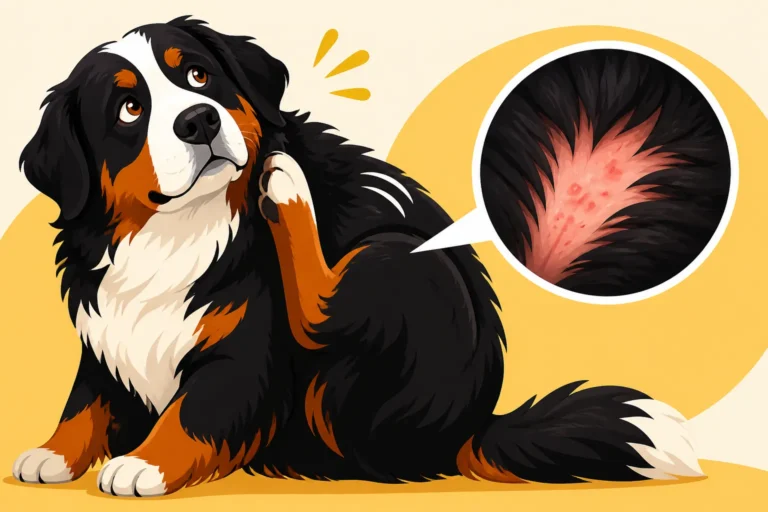
One of the most frequent offenders is allergies, a widespread problem for many dog breeds, including Berners. Just like people, dogs can suffer from environmental allergies (atopy) triggered by pollen, dust mites, or molds, or food allergies caused by certain proteins in their diet. When a Berner experiences an allergic reaction, their immune system goes into overdrive, often manifesting as inflammation in the skin – and the lining of the ear canal is, essentially, specialized skin. This inflammation creates a perfect storm: the ear canal becomes itchy, swollen, and produces excess wax, making it even more hospitable for secondary yeast (Malassezia) or bacterial infections. If your Berner also shows signs of Itching Under a Bernese Mountain Dog's Thick Coat, it’s highly likely allergies are at play.
Less commonly, but still worth considering, are issues like hypothyroidism. While not a direct cause, an underactive thyroid can impact skin and coat health, making the dog more susceptible to infections, including those in the ears. This is why a comprehensive health panel, including Thyroid Testing a Sluggish Bernese Mountain Dog, might be part of your vet’s diagnostic approach if other causes are ruled out. Foreign bodies, like grass awns, can also sometimes lodge themselves deep in the ear, causing acute and painful infections, though this is usually a one-off event rather than a recurring problem. Finally, some Berners might have an overproduction of ear wax, which can occlude the canal and lead to problems even without other underlying issues.
Recognizing the Signs and Seeking Prompt Treatment
It's easy to dismiss a casual head shake or an occasional scratch, but with Berners and their propensity for ear issues, early detection is key. The sooner you catch an infection, the less severe it tends to be, and the quicker your beloved companion can find relief. Don't wait until your dog is visibly miserable; learn to recognize the subtle cues.
Early Warning Signals You Shouldn't Ignore
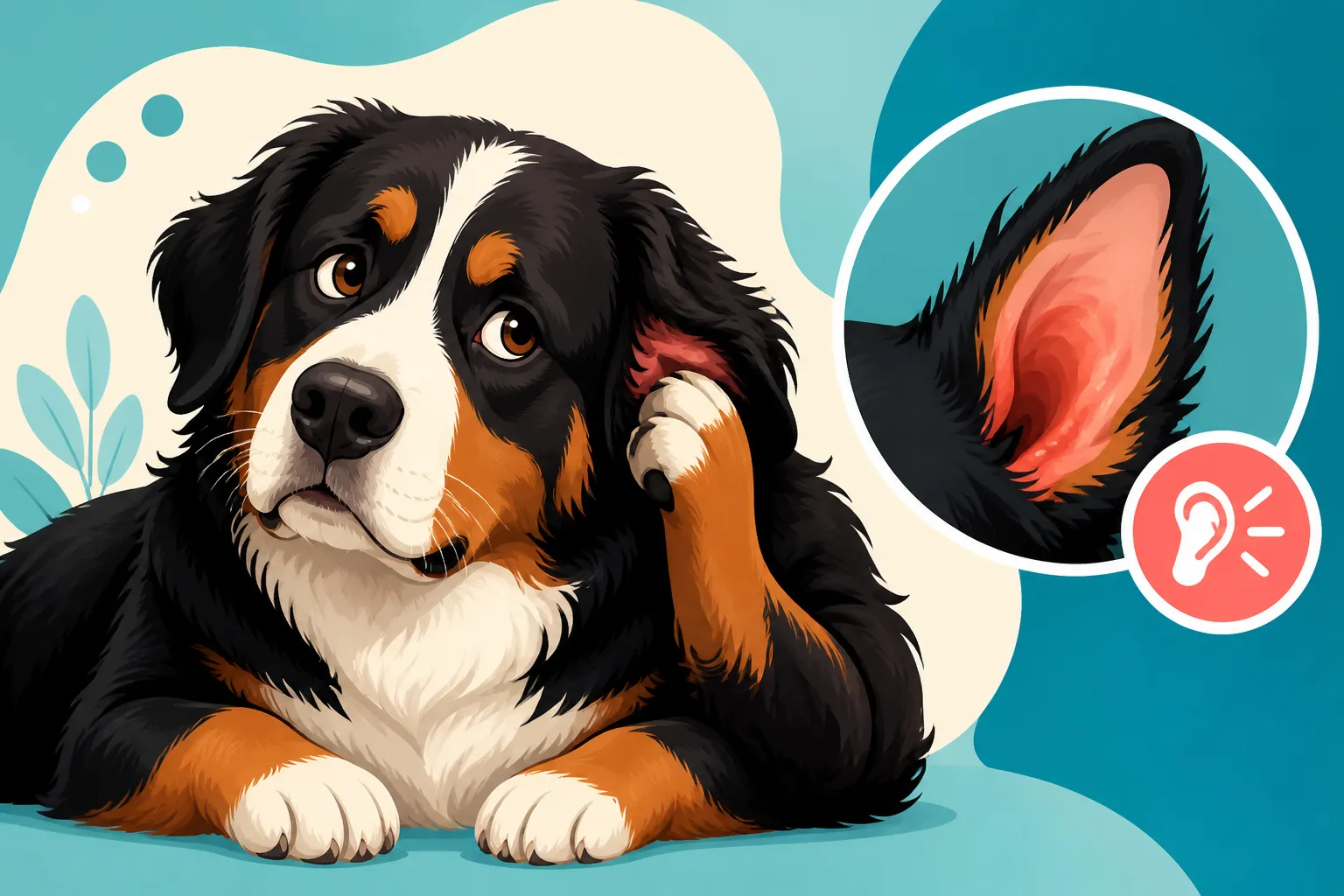
Your Bernese Mountain Dog can't tell you in words that their ear hurts, so it's up to you to be a keen observer. The most obvious signs include head shaking and ear scratching. If you notice your Berner shaking their head frequently, especially after waking up or a nap, or if they're constantly pawing or rubbing at their ears, it's a huge red flag. Beyond these actions, take a closer look (and sniff!) at their ears. Look for any redness or swelling on the inner ear flap or around the ear canal opening. You might also notice a discharge, which can range from a dark, waxy buildup to a yellow, pus-like substance. The color and consistency can sometimes give clues about the type of infection (e.g., dark, yeasty discharge often points to yeast).
Perhaps the most unmistakable sign is a foul odor emanating from the ear. A healthy dog's ear should have a very faint, neutral smell, if any at all. A strong, sweet, or acrid odor is a definite indicator of an infection brewing. Finally, pay attention to your Berner's behavior. If they become reluctant to be touched around the head, pull away when you try to pet their ears, or even become unusually grumpy or withdrawn, it could be due to pain. Some dogs might even hold their head tilted to one side to try and alleviate pressure. These signals, no matter how subtle, warrant immediate investigation.
Working with Your Veterinarian for Diagnosis and Treatment
When you suspect an ear infection, a trip to the veterinarian isn't just recommended – it's crucial. Self-treating ear infections can often make things worse, masking symptoms or leading to antibiotic resistance if the wrong medication is used. Your vet is equipped to properly diagnose the type of infection and identify any underlying causes.
During the visit, your vet will perform a thorough otoscopic exam, using a special instrument to look deep into the ear canal, checking for inflammation, discharge, foreign bodies, or damage to the eardrum. This visual inspection is usually followed by taking a swab of the ear discharge. This sample will be examined under a microscope (cytology) to identify whether yeast, bacteria, or both are present, and in what quantities. In cases of chronic or severe infections, your vet might also send a sample for a culture and sensitivity test. This test grows the bacteria present and determines which specific antibiotics will be most effective against them, ensuring the best chance of successful treatment.
Treatment typically involves a combination of thorough ear cleaning (sometimes requiring sedation if the ear is very painful or packed with debris) and medication. Topical ear drops, containing antibiotics, antifungals, and/or steroids, are common. For severe or persistent bacterial infections, oral antibiotics might be prescribed. Anti-inflammatory medications can also be given to reduce pain and swelling, making your Berner much more comfortable. But remember, treating the infection is only half the battle. Your vet will also work with you to investigate and address any underlying causes, such as allergies, which might involve special diets or environmental controls, to break the cycle of recurring infections.
Long-Term Management and Prevention Strategies
The goal isn't just to clear up the current infection but to prevent future ones. For Bernese Mountain Dogs, with their predisposed anatomy, this means a proactive and consistent approach to ear care. It's about establishing habits that keep their ears healthy and addressing the root causes that fuel those frustrating flare-ups.
Establishing a Regular Ear Cleaning Routine
One of the most effective ways to prevent recurring ear infections is to establish a consistent, yet gentle, ear cleaning routine. This isn't about scrubbing vigorously, but rather flushing out debris and maintaining a healthy ear canal environment. First, consult your vet to choose the right ear cleaner. Not all cleaners are created equal; some are specifically formulated to dry the ear, others to remove wax, and some have antiseptic properties. Using an inappropriate cleaner can cause irritation or be ineffective.
Once you have the right cleaner, the process involves gently flushing the ear canal. Hold your Berner's ear flap up and squirt a generous amount of the cleaner into the canal until it's full. Gently massage the base of the ear for 20-30 seconds. You’ll hear a squishing sound, which means the cleaner is breaking up wax and debris. Allow your dog to shake their head – this helps to dislodge the loosened material. Finally, use a soft cotton ball or gauze (never cotton swabs, which can push debris deeper and damage the eardrum) to wipe away any visible gunk from the inner ear flap and the opening of the ear canal. The frequency of cleaning depends on your dog's individual needs. For some Berners, once a week is sufficient, while others might need it every few days if they are highly prone to infections or swim frequently.
A critical, often overlooked, step is ensuring your Bernese Mountain Dog’s ears are thoroughly dry after any contact with water. Their heavy, floppy ears trap moisture, creating that perfect breeding ground for microbes. After a bath, a swim in the lake, or even a walk in the rain, take the time to gently dry the inside of their ear flaps with a soft towel or cotton ball. For really damp ears, a low-setting hairdryer (held at a safe distance) can also be used, but always test the air temperature on your skin first. This simple act can make a world of difference in preventing moisture-related infections.
Dietary and Environmental Adjustments
For many Bernese Mountain Dogs, chronic ear infections are intertwined with allergies. This means managing their diet and environment can be just as important as topical ear care. If your vet suspects food allergies, they might recommend a hypoallergenic diet trial. This involves feeding a novel protein or hydrolyzed protein diet exclusively for several weeks to see if ear symptoms improve. Brands like Hill's Prescription Diet z/d or Royal Canin Hydrolyzed Protein are often used for such trials, as they are formulated to minimize allergic reactions. It’s a commitment, but if food allergies are the culprit, the relief for your dog can be immense.
Managing environmental allergens is also crucial. Consider using air purifiers in your home, especially in areas where your Berner spends a lot of time. Regular vacuuming with a HEPA filter, frequent washing of pet bedding, and wiping down your dog's paws after outdoor excursions can help reduce exposure to pollen and dust mites. For some dogs, daily wiping of the ear flaps with a mild, medicated wipe can also keep allergen buildup at bay. Furthermore, supplements rich in omega-3 fatty acids, like fish oil, can support overall skin barrier health and reduce inflammation, potentially making the ear canal less susceptible to infection. When considering these dietary and environmental adjustments, it's a good idea to discuss options with your veterinarian to ensure they align with your Berner's specific health needs. These ongoing management costs, combined with regular vet check-ups, highlight why having pet insurance is such a smart move for Berner owners. Companies like Healthy Paws can significantly help with the financial burden of managing chronic conditions like recurring ear infections.
When Surgical Intervention Might Be Necessary
While most ear infections can be managed with medical treatment and diligent home care, there are unfortunately cases where the damage is so severe and the infections so persistent that surgical intervention becomes the best option for a Bernese Mountain Dog's quality of life. This is not a decision taken lightly and is typically reserved as a last resort.
The most common surgical procedure for chronic, end-stage ear disease is a Total Ear Canal Ablation (TECA). During a TECA, the entire ear canal – from the opening down to the eardrum – is removed. The middle ear is cleaned out, and the skin is sewn closed over the opening. This procedure effectively eliminates the problematic ear canal and its associated issues, such as chronic inflammation, pain, and the breeding ground for bacteria and yeast. While it sounds drastic, for dogs suffering from relentless, painful infections that don't respond to any other treatment, a TECA can provide immense relief and dramatically improve their comfort and overall well-being. It stops the cycle of pain, medication, and constant discomfort.
Of course, TECA comes with its own set of considerations. It's a complex surgery that carries risks, including facial nerve damage (which can lead to temporary or permanent facial paralysis) and a lengthy recovery period. Post-surgery, dogs may experience hearing loss in the affected ear(s), though many dogs with chronic ear disease already have impaired hearing due to the chronic inflammation and scarring. Despite these concerns, for Berners who have endured years of pain and discomfort, a successful TECA can offer a pain-free life and an improved quality of life they haven't known in a long time. Your vet will discuss all options, risks, and benefits thoroughly if your Berner reaches this difficult stage.
Living with a Berner Prone to Ear Infections
Having a Bernese Mountain Dog prone to ear infections can be an exhausting journey, both emotionally and financially. It’s important to acknowledge these challenges and equip yourself with the tools and knowledge to advocate effectively for your furry family member.
The Emotional and Financial Toll
Let's be real: dealing with recurring health issues like ear infections is tough. There's the constant worry, the guilt when you feel you haven't done enough, and the sheer frustration of seeing your gentle giant in discomfort again and again. It impacts your dog's happiness and, by extension, yours. The cycle of cleaning, medicating, and repeated vet visits can wear anyone down. Many Berner parents will tell you it feels like a never-ending battle, especially when you're doing everything "right" but the problem keeps returning.
Beyond the emotional strain, there's the significant financial burden. Vet visits for ear infections often involve an exam fee, cytology, possibly culture and sensitivity tests, and then the cost of multiple medications (ear drops, oral antibiotics, anti-inflammatories). If allergies are the root cause, you might be looking at prescription diets, allergy testing, or even ongoing allergy shots, which add up quickly. A single severe flare-up requiring sedation for a deep clean can run into hundreds of dollars, and chronic cases can lead to thousands over the lifespan of your dog. This is precisely where having robust pet insurance like Healthy Paws becomes a game-changer. It can significantly offset these substantial costs, allowing you to prioritize your Berner's health without constantly stressing over the bill. When you consider Eight Years of Bernese Mountain Dog Bills, the cost of chronic conditions is a major factor.
Advocating for Your Dog's Health
You are your Bernese Mountain Dog's best advocate. Being proactive and organized is vital when managing chronic conditions like recurring ear infections. Start by keeping detailed records. Document when flare-ups occur, which ear is affected, the symptoms you observed, what treatments were given, and how your dog responded. This information can be incredibly valuable for your vet, helping them identify patterns and make more informed decisions about treatment plans. A simple notebook or a spreadsheet can make a huge difference.
Furthermore, don't hesitate to ask questions during your vet visits. Understand the diagnosis, the purpose of each medication, and the long-term management plan. If something isn't working, or if you're concerned about side effects, communicate this promptly. Being proactive also means not waiting until symptoms are severe. If you notice even subtle signs, schedule a vet appointment. Catching an infection early can prevent it from escalating into a more painful and difficult-to-treat situation. Remember, you know your Berner best, and your observations are an invaluable part of their healthcare team. Together with your veterinarian, you can create a comprehensive strategy to keep those beloved ears as healthy and comfortable as possible. This commitment to detailed care, from regular ear cleaning to knowing when to seek professional help, is a significant part of the overall The Bernese Mountain Dog Health Panel that every owner should consider.
Common Ear Infection Signs vs. Normal Ear Checks
Here’s a quick reference table to help you distinguish between what’s normal and what might be cause for concern when it comes to your Berner's ears.
| Feature / Action | Healthy Ear (Normal) | Infected Ear (Concern) |
|---|---|---|
| Appearance | Pale pink, smooth, minimal hair growth in canal | Redness, swelling, crusting, excessive hair, scabs, visible inflammation |
| Odor | Very faint, neutral, or none | Strong, sweet, yeasty, foul, or acrid smell |
| Discharge | Minimal, light brown wax (easily wiped away) | Excessive dark brown/black wax, yellow/green pus, bloody discharge |
| Behavior | No scratching, head shaking, or pain reaction | Frequent head shaking, persistent scratching, rubbing ears on furniture/ground |
| Touch Sensitivity | Tolerant of ear handling | Painful or sensitive to touch, flinching, yelping, or growling when ears are handled |
| Ear Position/Tilt | Ears held normally, symmetrical | Head tilted to one side, ear held lower, reluctance to move head |
| Inner Flap | Clean, no redness | Red, inflamed, sometimes warm to the touch |
It's vital to remember that if you're ever in doubt, a quick call or visit to your veterinarian is always the safest bet for your Bernese Mountain Dog.
Disclaimer
The information provided in this guide is for general informational purposes only and is not intended as a substitute for professional veterinary advice, diagnosis, or treatment. Always seek the advice of your veterinarian or other qualified animal health provider with any questions you may have regarding a medical condition or the health and welfare of your pet. Never disregard professional veterinary advice or delay in seeking it because of something you have read in this article.