Hot Pavement and a Bernese Mountain Dog’s Pads
As Bernese Mountain Dog owners, we're always thinking about their well-being, especially when it comes to outdoor adventures. One danger that often sneaks up on us, particularly in warmer months, is the scorching heat radiating from pavement, sidewalks, and even asphalt driveways. These surfaces can reach shockingly high temperatures that are incredibly painful and damaging to your beloved Berner’s paw pads, often leading to severe burns before you even realize what's happening. This guide is here to shed light on this silent threat, equip you with preventative strategies, and provide clear steps if your gentle giant's paws ever suffer a burn.
Understanding the Danger: Why Hot Pavement is a Real Threat to Your Berner
It’s easy to assume that a dog's paw pads are tough, almost like leather, and immune to the discomfort we feel on hot surfaces. After all, they walk on all sorts of terrain, right? But this couldn't be further from the truth. Your Bernese Mountain Dog's paw pads are incredibly sensitive, and hot pavement can inflict serious burns in a very short amount of time. The sheer size and weight of a Bernese Mountain Dog mean their paws bear a substantial load, and direct contact with extreme heat for even a few minutes can lead to painful blisters, peeling skin, and open wounds, which are not only agonizing for your dog but also prone to infection.
The Deceptive Heat: When Pavement Becomes a Burn Hazard
The biggest misconception is often how quickly surfaces heat up and how much hotter they get than the ambient air temperature. While the air temperature might feel pleasant to you, especially if there's a breeze, dark asphalt or concrete absorbs and retains heat from the sun like a frying pan. This means that a seemingly mild 75°F (24°C) day can see pavement temperatures soar to over 125°F (52°C), which is hot enough to cause damage within minutes. Think about walking barefoot on asphalt in July – that searing pain is what your Bernese Mountain Dog experiences, but amplified by their direct, sustained contact with the ground.
The "five-second rule" is a simple, yet incredibly effective way to gauge pavement temperature. Place the back of your hand flat on the pavement for five seconds. If it's too hot for you to hold it there comfortably, it's definitely too hot for your Berner's paws. It's a quick, easy check that every dog owner should make a habit, especially before heading out for a walk during warmer periods. Remember, your Berner might seem eager to go, but their instinct to please often overrides their discomfort until the damage is already done. This is particularly crucial to consider, as The Hours a Bernese Mountain Dog Should Not Walk often align with peak pavement temperatures.
Bernese Paw Pads: More Sensitive Than They Appear
Despite their sturdy appearance and their history of working in rugged, often snowy, mountainous terrain, a Bernese Mountain Dog's paw pads are not designed for extreme heat. Their pads are made of fatty tissue, connective tissue, and thick skin, all designed to provide cushioning, traction, and insulation against cold, not heat. They also contain sweat glands, which help with cooling, but these are no match for the kind of heat generated by sun-baked asphalt.
Unlike our shoes, which provide a protective barrier, your Berner's paw pads are their direct interface with the ground. This direct contact means sustained exposure to heat, which can quickly lead to denaturation of proteins in the skin cells, essentially cooking them. The thick, tough outer layer can actually make things worse by trapping heat, leading to deeper burns. Furthermore, the substantial weight of a hundred-pound Bernese Mountain Dog pressing down on those hot pads increases the intensity of the heat transfer, making them even more susceptible to injury. Their paws are built for grip and absorbing impact, not resisting extreme thermal insult from below.
Recognizing the Red Flags: Signs of Paw Pad Burns
Early detection is key, though often challenging, because Berners are often stoic and won't always cry out in pain. After walking on hot pavement, keep a close eye on your dog for any changes in their behavior or the appearance of their paws. The signs can range from subtle to extremely obvious, depending on the severity of the burn.
Look for behaviors like limping, constantly licking or chewing at their paws, or reluctance to put weight on a specific foot. They might also appear agitated or distressed, shifting their weight frequently, or even refusing to walk altogether. When you get home, examine their paw pads closely. Mild burns might show as redness, tenderness, or a slightly darker color. More severe burns will present with blisters (which may rupture), peeling skin, or open sores. The pads might feel hot to the touch or look swollen. In the worst cases, the paw pad tissue can be completely gone, exposing raw, sensitive layers underneath. This is an emergency situation. Observing How a Bernese Mountain Dog Behaves Before Heat Stroke can sometimes give clues, as discomfort from heat generally affects their overall demeanor.
Proactive Protection: Keeping Those Paws Safe
The best offense is a good defense, and when it comes to hot pavement, prevention is far easier and less painful than treatment. Incorporating a few simple habits and tools can make all the difference in protecting your Bernese Mountain Dog's precious paws, ensuring they can continue to enjoy their walks without fear of injury. Remember, these big dogs need their exercise, but we have to be smart about how and when they get it.
Strategic Scheduling: Timing Your Walks Wisely
This is perhaps the simplest and most effective preventative measure. During warmer months, avoid walking your Bernese Mountain Dog during the hottest parts of the day. This usually means scheduling walks for early mornings or late evenings, after the sun has gone down and the pavement has had ample time to cool. Consider the sun's trajectory – even if it's evening, if a stretch of pavement has been baking in direct sunlight all day, it will retain that heat for hours.
Think about how much heat concrete and asphalt absorb. Even on an overcast day, if the temperatures are high, those surfaces can still be dangerous. In many regions, the window for safe walking during summer shrinks significantly, sometimes to just sunrise and after sunset. It's a small adjustment to your routine, but one that can prevent a lot of pain and veterinary bills. If you find yourself needing to walk during midday for a quick potty break, make it short and stick to grassy areas as much as possible. Exercising a Bernese Mountain Dog in Summer requires careful planning to protect them from overheating and paw burns.
Surface Smart: Choosing Cooler Paths and Places
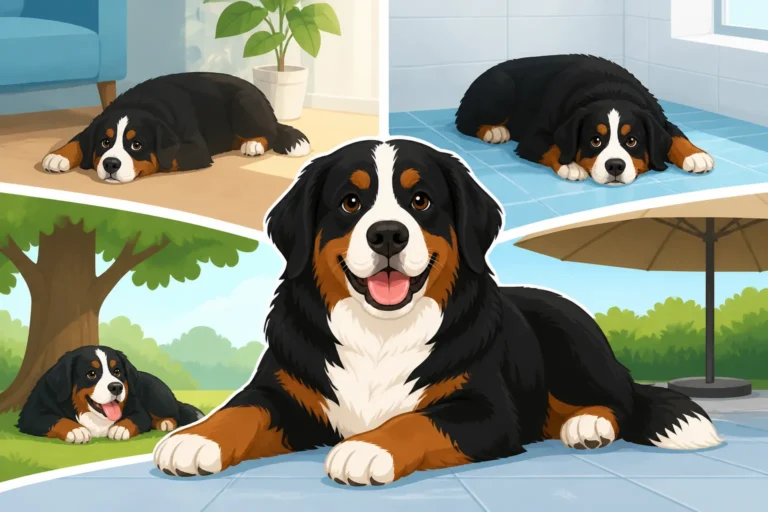
Always prioritize walking on natural, cooler surfaces whenever possible. Grass, dirt trails, shaded park paths, and even cool indoor spaces are infinitely safer than blacktop or concrete. If your usual walking route involves a lot of pavement, it's time to explore alternatives. Local parks, nature preserves, or even a friend's large, grassy backyard can become your new go-to spots.
Even if you have to cross a short stretch of pavement to get to a grassy area, try to carry your Berner if they are still small enough, or move quickly. For adult Berners, who are usually too large to carry, try to find routes that minimize pavement contact. A simple walk around the block can become a hazard if it means walking entirely on sun-drenched sidewalks. During particularly hot spells, even artificial turf can get extremely hot, so always check any surface first.
Essential Gear: Paw Boots and Protective Balms
Sometimes, avoiding hot pavement entirely isn't an option, or you want an extra layer of protection for peace of mind. This is where paw protection comes in handy. Dog boots designed for hot weather can provide an excellent barrier between your Berner's sensitive pads and scorching surfaces.
When choosing boots, look for ones that are durable, breathable, and have a good grip. It's important to introduce them gradually to your dog, making it a positive experience with treats and praise, as some dogs can find them awkward at first. You'll want to find a pair that fits snugly but isn't too tight, allowing for comfortable movement. You can often find a wide selection of highly-rated paw boots on online retailers like Chewy or Amazon, making it easy to compare options and read reviews from other large dog owners.
Another helpful tool is paw balm. While not offering the same level of protection as boots, a good quality paw balm can help moisturize and toughen your dog's pads over time, making them more resilient to minor abrasions and dryness. It creates a thin, protective layer that can offer some relief against less extreme heat, and it's fantastic for general paw health. Apply it regularly, especially after walks, to keep pads supple and less prone to cracking. Again, look for natural, non-toxic balms, which are readily available through sites like Chewy and Amazon. It's a small but mighty addition to your Berner's care routine, contributing to overall foot health and comfort.
When Burns Happen: First Aid and Veterinary Care
Even with the best precautions, accidents can happen. Perhaps an unexpected heatwave hits, or you misjudged the pavement temperature. If you suspect your Bernese Mountain Dog has burned paws, staying calm and acting quickly is crucial. Your immediate response can significantly impact their comfort and the severity of the injury.
Immediate Action: What to Do Right After a Suspected Burn
If you realize your Bernese Mountain Dog has been walking on hot pavement and shows any signs of discomfort or injury, here's what you need to do immediately:
- Get Off the Hot Surface: The very first step is to move your dog to a cool, soft surface, like grass, dirt, or ideally, indoors in an air-conditioned space.
- Cool the Paws: Gently rinse their paws with cool (not ice-cold) water. You can also use a cool, damp cloth or towel. Do this for about 10-15 minutes to bring down the skin temperature and stop the burning process. Avoid using ice directly, as it can cause further tissue damage.
- Inspect the Damage: Once cooled, carefully examine each paw pad. Look for redness, blisters, peeling skin, or open sores. Be gentle, as their paws will be very tender.
- Prevent Licking: Dogs instinctively want to lick their wounds, but this can introduce bacteria and worsen the infection risk. If you have an Elizabethan collar (e-collar) or a soft cone, put it on them. You might also temporarily wrap their paws loosely with a clean bandage or gauze to keep them from licking, but do not apply tight bandages.
- Keep Them Calm: Your Berner will likely be in pain and possibly confused or scared. Speak to them in a soothing voice and offer comfort. Try to keep them off their feet as much as possible.
Professional Help: Knowing When to Call the Vet
While you can provide immediate first aid, any suspected paw pad burn warrants a call to your veterinarian. Even what looks like a minor burn can be more serious than it appears, and deep tissue damage might not be visible initially. Furthermore, paw pads are prone to infection due to their constant contact with the ground.
You should definitely seek immediate veterinary attention if you observe:
- Large blisters or ruptured blisters
- Peeling skin or visible raw flesh
- Pads that are black or discolored
- Severe limping or complete refusal to walk
- Signs of intense pain (whimpering, trembling, aggression when paws are touched)
- Any signs of infection, such as pus, foul odor, or excessive swelling days after the incident.
Your vet will be able to properly assess the burn's severity, clean the wounds thoroughly, apply appropriate dressings, and prescribe pain medication or antibiotics if needed. They can also advise on proper at-home care and how to prevent future occurrences. Ignoring a burn can lead to prolonged pain, severe infection, and a much longer recovery period. This is similar to acting quickly in other emergencies, such as knowing The Half-Hour That Decides a Bloated Bernese Mountain Dog, where every moment counts.
The Road to Recovery: Ongoing Care for Burned Pads
Recovery from paw pad burns can be a lengthy process, often taking several weeks, especially for more severe injuries. Your veterinarian will give you specific instructions, but general care involves:
- Keeping Wounds Clean and Covered: Following your vet's guidance, you’ll likely need to clean the wounds regularly and change dressings to prevent infection. This might involve gentle washing with an antiseptic solution prescribed by the vet.
- Pain Management: Your vet will likely prescribe pain relievers to keep your Bernese Mountain Dog comfortable during healing. Never give human pain medication without veterinary instruction, as many are toxic to dogs.
- Rest and Restricted Activity: Your Berner will need to limit walking and strenuous activity to allow the pads to heal properly. Short potty breaks on soft, clean surfaces will be necessary, but prolonged walks or running should be avoided. A recovery cone (e-collar) will be crucial to prevent licking, which can delay healing and introduce infection.
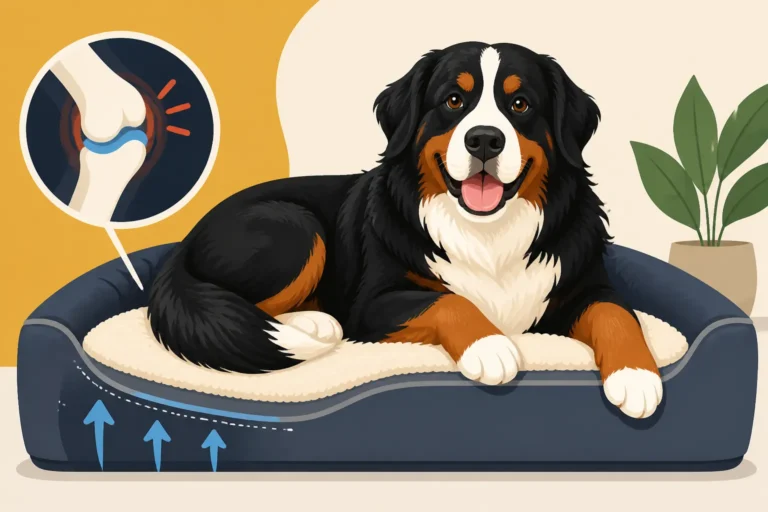
- Soft Surfaces and Bedding: Ensure your Berner has soft, clean bedding to rest on. Orthopedic beds can provide extra comfort and support. Cooling Mats and Where a Bernese Mountain Dog Lies might also be helpful if heat contributed to the injury.
- Monitoring for Infection: Keep a vigilant eye on the healing pads for any signs of infection, such as increased redness, swelling, pus, or fever. Report any concerns to your vet immediately.
Healing takes time, and patience is key. The new skin on the pads will initially be more delicate, so you'll need to continue protecting them even after the visible signs of a burn have subsided. This might mean continued use of paw boots or balms for a period. Your Bernese Mountain Dog relies on you for their care, and helping them through this painful experience will strengthen your bond even further.
Disclaimer
This article is for general informational purposes only and does not constitute professional advice. Laws, prices and regulations vary by location and change over time. Consult a qualified professional for guidance on your specific situation.