Whether a Bernese Mountain Dog Can Be Left in a Yard
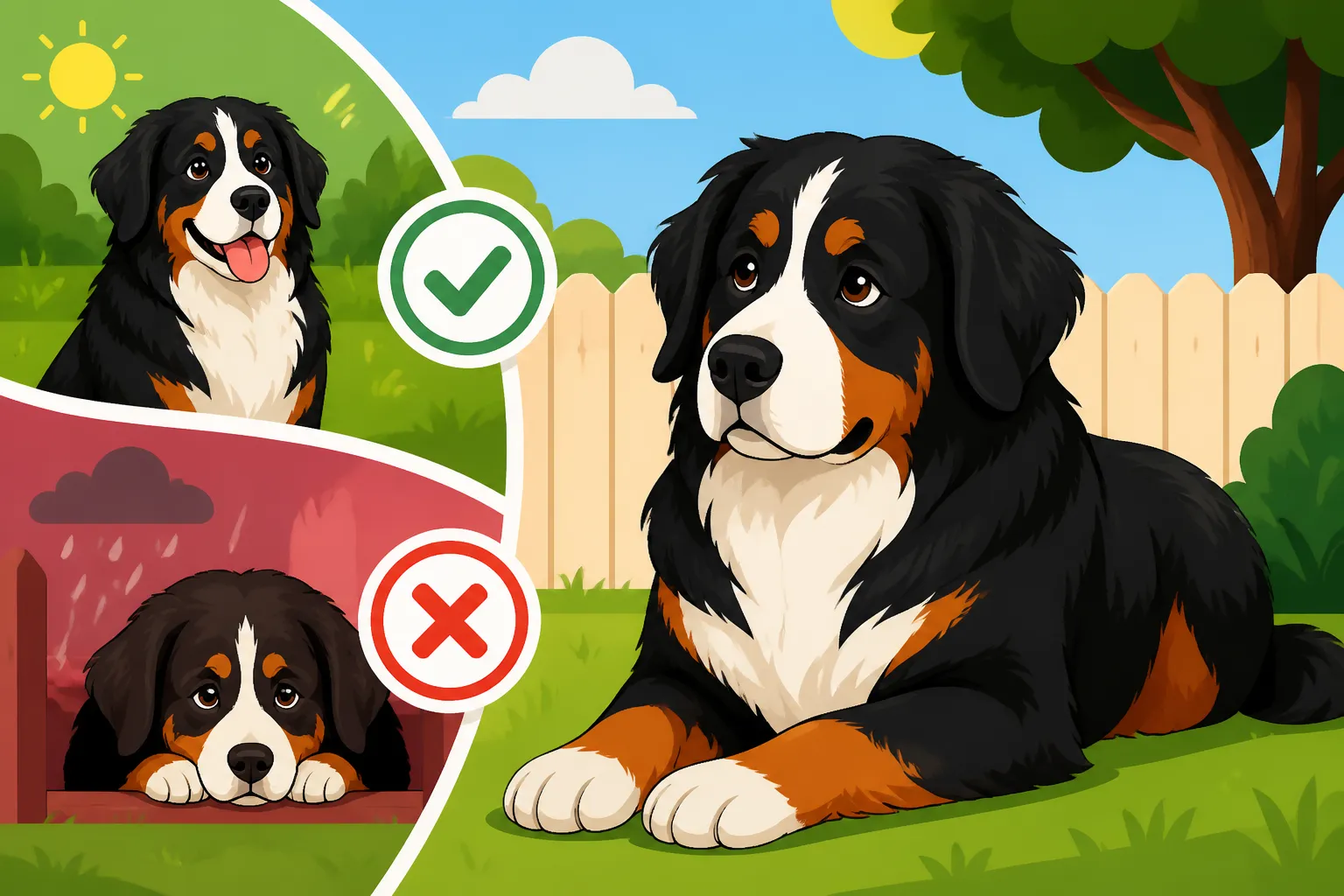
It’s a common thought when you have a big, fluffy dog like a Bernese Mountain Dog: "They love being outside, maybe I can just leave them in the yard for a bit." While the image of a majestic Berner romping in a spacious yard is idyllic, the reality of leaving them unsupervised outdoors, especially for extended periods, is often fraught with risks and goes against their very nature. This guide will delve deep into why a Bernese Mountain Dog is truly not suited to being a "yard dog" and how to provide them with safe, enriching outdoor experiences that complement their role as beloved family members.
The Bernese Mountain Dog's Innate Need for Companionship
Let's be real: Bernese Mountain Dogs are, at their core, companion animals. They were bred to work alongside people in the Swiss Alps, not to guard an empty pasture. Their temperament is characterized by loyalty, affection, and a strong desire to be near their human families. This isn't just a preference; it's a deeply ingrained part of who they are, and it profoundly impacts how they cope with being left alone outside.
More Than Just a "Yard Dog"
When we think of a "yard dog," sometimes we picture breeds that are content to patrol boundaries, chase squirrels, or simply enjoy their own company for hours on end. A Bernese Mountain Dog, however, does not fit this mold. They thrive on interaction. Imagine your Berner, known for its gentle, "velcro" personality, watching you through the window, wondering why they're excluded. This isn't a dog that feels satisfied with merely being outdoors. They want to be with you, whether that's snuggling on the couch or accompanying you as you tend to the garden.
Their heritage as farm dogs involved constant interaction with their human families. They pulled carts, herded cattle, and even stood watch, but always within the human sphere. Removing them from this central role, even for a few hours, can be detrimental to their emotional well-being. They need to feel like an integral part of the family unit, not an outdoor accessory. This deep connection is why many owners will tell you their Berner will follow them from room to room, just to be in the same space.
The Emotional Toll of Isolation
Leaving a Bernese Mountain Dog alone in a yard for prolonged periods can lead to significant emotional distress. These dogs can develop separation anxiety, manifesting in behaviors like excessive barking, destructive chewing, digging, or even attempts to escape to find their human companions. It’s heart-wrenching to witness a dog that is typically so good-natured become frantic or withdrawn because they feel abandoned.
Think about a common scenario: you leave for work, and your Berner, usually nestled by your feet, is now relegated to the backyard. At first, they might explore, but soon the novelty wears off. They start to pace, perhaps whine, and then the barking begins. This isn't just noise; it's a cry for connection. Over time, this emotional stress can lead to physical ailments, as chronic anxiety impacts a dog's overall health. They might refuse food, lose weight, or even develop compulsive behaviors like licking their paws raw. Their robust mountain dog exterior belies a very sensitive soul. For more on their emotional needs, consider The Bernese Mountain Dog That Cannot Bear Being Left.
Environmental Dangers: A Black Coat in the Sun
Beyond their emotional needs, the physical characteristics of a Bernese Mountain Dog make prolonged, unsupervised outdoor time a serious health risk, particularly in certain weather conditions. Their stunning tricolor coat and large size, while beautiful, come with specific vulnerabilities that must be actively managed by their owners.
Heatstroke is a Silent Killer
Bernese Mountain Dogs possess a thick, double coat that is fantastic for keeping them warm in cold, snowy climates, which is what they were bred for. However, this same coat becomes a dangerous liability in warm or hot weather. Add to this their significant black markings, which absorb sunlight, and you have a recipe for rapid overheating. Leaving a Berner in a sunny yard, even on a moderately warm day, can quickly lead to heatstroke – a life-threatening condition.
Symptoms of heatstroke can escalate shockingly fast: excessive panting, drooling, weakness, stumbling, bright red gums, and eventually collapse or seizures. A small kiddie pool might seem like a solution, but if the dog isn't actively seeking it out or if the air temperature is too high for the cooling effect to matter, it offers little protection. Without immediate intervention, heatstroke can cause irreversible organ damage or death. We often underestimate how quickly this can happen. A beautiful sunny 70-degree day can be deadly for a Berner left unsupervised in direct sun for an hour or two. Understanding The Temperature a Bernese Mountain Dog Stops Coping is vital for any owner. Even knowing Heat and the Bernese Mountain Dog's Black Coat will help you recognize the inherent risks.
Winter Woes and Inadequate Shelter
While a Bernese Mountain Dog is far more tolerant of cold than heat, that doesn't mean they can simply be left out in all winter conditions. Extreme cold, especially combined with wet weather, wind, or ice, can still pose a risk, particularly if they don't have access to adequate, insulated shelter. A simple doghouse that isn't properly insulated or large enough for them to curl up and retain body heat is often insufficient.
Moreover, cold weather can exacerbate joint issues, which are already prevalent in the breed. An older Bernese with arthritis might struggle more in the cold, experiencing increased pain and stiffness. Just like humans, dogs can get frostbite on their paws, ears, or tail if exposed to severe cold for too long. A Bernese might enjoy a romp in the snow, but being forced to stay outside in freezing rain or blizzard conditions without appropriate warmth and dryness is neglectful and dangerous. They are hardy, but they are not impervious to the elements, nor are they wild animals that thrive in all outdoor extremes.
Security and Safety: Keeping Your Berner Contained and Safe
The idea that a yard is a safe, contained space for your dog often overlooks the ingenuity of a bored or anxious Bernese Mountain Dog, and the unpredictable nature of the outside world. A yard, no matter how well-fenced, is not a substitute for human supervision and interaction.
The Boredom-Driven Escape Artist
A Bernese Mountain Dog, especially a younger one, has a surprising amount of energy and intelligence. If left alone with nothing to do, boredom can quickly set in. A bored dog is a destructive dog, and for a Berner, this can translate into attempts to escape. They might dig under fences, chew through gates, or even try to climb if the fence isn't tall enough. Remember, they are strong and determined when motivated.
Consider the classic scenario: you leave your Berner in the yard while running errands. A squirrel runs along the fence line, and suddenly, that gentle giant has a burst of instinct. What happens if they dig under the fence in pursuit, or break through a flimsy gate? Now you have a hundred-pound dog loose in the neighborhood, potentially running into traffic, getting lost, or encountering aggressive stray animals. The financial and emotional cost of a lost or injured dog far outweighs the convenience of leaving them unsupervised. Owners also need to consider Whether a Bernese Mountain Dog Wrecks a Yard through digging or other behaviors.
Unseen Hazards and Unsupervised Accidents
An unsupervised yard, even one you consider "safe," is full of potential hazards. Dogs, especially curious Bernese, explore with their mouths. This means any dropped tools, garden chemicals, discarded food items, or even poisonous plants become prime targets for investigation. A Berner could easily step on a sharp object, get tangled in forgotten garden hoses, or chew on electrical cords for outdoor lighting.
Furthermore, interactions with other animals can be problematic. A stray cat or dog could wander into your yard, or your Berner might interact aggressively (or fearfully) with a neighbor's dog through the fence. These situations can lead to fights, injuries, or even costly legal issues. Without a human present to intervene, a minor incident can quickly escalate into a serious injury or a veterinary emergency. Your yard might seem like a fortress, but a determined Berner and an unforeseen hazard can turn it into a danger zone faster than you'd think.
Health Risks Lurking in the Landscape
Even if your Bernese doesn't escape, the outdoor environment itself presents a myriad of health risks that are far more difficult to manage without direct supervision. From garden products to tiny pests, the yard can be a minefield for an unsupervised canine.
Toxic Plants and Chemical Exposure
Many common garden plants, from lilies to azaleas, are highly toxic to dogs if ingested. If you're a keen gardener, or even if you just have a few ornamental bushes, your Berner could easily chew on leaves, flowers, or berries, leading to severe illness. Beyond plants, consider all the chemicals we use in our yards: fertilizers, pesticides, herbicides, rodenticides. Even if you apply them carefully, residue can remain on grass or plants, or a curious Berner might find a spilled bag in the garage.
A dog left to their own devices might lick up antifreeze spilled in a driveway or chew on wood treated with preservatives. These substances are extremely dangerous, often leading to kidney failure, neurological damage, or worse. The rapid onset of symptoms means that if you're not there to witness the ingestion and seek immediate veterinary care, the outcome can be devastating. Preventing access to these hazards is key, and supervision is the best prevention.
Pests, Parasites, and Unwanted Wildlife Guests
The great outdoors is also home to an array of unwelcome guests that can impact your Bernese Mountain Dog's health. Ticks carry diseases like Lyme disease, ehrlichiosis, and anaplasmosis. Fleas cause intense itching and can lead to skin infections and tapeworms. Mosquitoes transmit heartworm, a deadly parasite. While preventative medications are crucial, exposure to a heavily infested environment for prolonged periods increases the risk. Don't forget Flea and Tick Cover for a Hundred Pound Bernese Mountain Dog as a preventative measure.
Beyond insects, your yard might be home to snakes, spiders, or other venomous creatures. A curious Berner could easily get bitten, leading to a painful emergency. Wildlife like raccoons, possums, or even skunks can also enter your yard, potentially transmitting rabies, distemper, or other illnesses through direct contact or droppings. These encounters, especially if unwitnessed, can result in serious health issues that are difficult to diagnose and treat after the fact.
Injury and Accident Potential
The unsupervised yard environment can also lead to various physical injuries. A Bernese, with their substantial weight and often clumsy exuberance, could easily slip on wet pavement or icy patches, resulting in strains, sprains, or even fractures. They might jump off a porch or deck, misjudge the landing, and hurt their joints, which are already vulnerable in a large breed.
Consider the simple act of playing with a ball. If the ball rolls under a bush with thorns or into an area with sharp debris, your Berner could sustain a paw injury. They might get a stick lodged in their mouth or throat while chewing. Without immediate attention, what could be a minor cut can become infected, or a lodged object could cause choking or internal damage. The best "safety net" for any outdoor activity is direct human presence and supervision, allowing you to react instantly to prevent or address injuries.
Practical Strategies for Safe Outdoor Berner Time
So, does this mean your Bernese Mountain Dog should never set a paw outside? Absolutely not! Berners love the outdoors and need fresh air, exercise, and mental stimulation. The key is how they experience it. Their outdoor time should be purposeful, supervised, and integrated into their overall care, not a solitary exile.
Supervised Exploration and Play
Instead of leaving your Bernese in the yard, plan specific, supervised outdoor sessions. This could be a game of fetch, a training session, or simply accompanying you while you garden or relax on the patio. During these times, you can actively engage with them, throwing a ball, practicing "sit" and "stay," or just offering pets and praise. This fulfills their need for physical activity and their deep desire for companionship.
These supervised sessions also allow you to monitor their behavior, ensuring they aren't getting into anything dangerous, showing signs of overheating, or attempting escape. You can direct their energy into positive outlets, preventing boredom-driven destructive behaviors. It’s about quality time, not just quantity of outdoor exposure. Even a gentle walk around the block, where they can sniff new smells and engage with the world, is far more enriching than hours alone in a familiar yard. For ideas on managing their activity levels, check out Exercising a Bernese Mountain Dog in Summer.
Creating a Sanctuary, Not a Solitary Confinement
If your Bernese will be spending some time outdoors while you're home and nearby, create a truly safe and comfortable space. This means ensuring plenty of shade (natural or artificial) to escape the sun, especially for their dark coats. Provide constant access to fresh, cool water, perhaps in multiple bowls to ensure they don't run out. Consider a cooling mat for them to lie on during warmer days. These simple additions can make a huge difference in their comfort and safety. You can find excellent options for cooling mats and sturdy water bowls on Chewy or Amazon.
Make sure the yard is free of any toxic plants or chemicals. Regularly check fences for weak spots or potential escape routes. Introduce appropriate, durable chew toys that can withstand outdoor conditions. However, remember that even the most "sanctuary-like" yard doesn't replace human companionship. It's a comfortable extension of their home, not their sole domain.
The Best Approach: Integration, Not Isolation
Ultimately, a Bernese Mountain Dog thrives when fully integrated into the family's daily life, which includes their indoor and outdoor activities. Their happiness and health are intrinsically linked to their bond with you.
Prioritizing Indoor Comfort and Enrichment
Your Bernese Mountain Dog's primary residence should be inside with you. This means providing a comfortable, cool, and safe indoor environment. Soft, supportive orthopedic beds are essential for their large joints. Mental enrichment is just as important as physical exercise. Puzzle feeders, interactive toys, and chew items can keep their minds engaged when you're busy. Brands like Ollie also offer fresh food subscriptions that can keep them healthy and happy, ensuring they're getting all the nutrients they need, which also contributes to their overall well-being.
Regular walks, training sessions, and playtime within the home contribute significantly to their well-being. A Berner that receives adequate physical and mental exercise and enjoys consistent human interaction indoors is far less likely to develop problematic behaviors or feel isolated, regardless of how much time they spend in the yard. For advice on indoor comfort, you might find Keeping a Room Cool Enough for a Bernese Mountain Dog helpful.
Understanding Their True Needs
The myth of the "outdoor dog" for breeds like the Bernese Mountain Dog can be a dangerous one. They are not independent creatures content to roam; they are sensitive, devoted companions who crave proximity and engagement with their human families. Their physical attributes, while beautiful, make them vulnerable to environmental extremes. Their intelligence and strong bond with humans mean they suffer emotionally when isolated.
Instead of asking "Can I leave my Bernese in the yard?", a better question is "How can I provide my Bernese with the safest, most enriching outdoor experiences with me?" The answer lies in supervised, interactive time outside, coupled with a loving, inclusive indoor environment. Choosing to bring a Bernese Mountain Dog into your life means committing to meeting these profound needs for companionship, care, and safety. It's a commitment that pays dividends in loyalty, affection, and an irreplaceable bond. For a broader understanding of their care, consider What a Bernese Mountain Dog Asks of a New Owner.
| Consideration | Leaving a Bernese Unsupervised in a Yard | Supervised Outdoor Time with a Bernese |
|---|---|---|
| Companionship Needs | unmet; leads to loneliness, anxiety, destructive behaviors | met; strengthens bond, provides mental stimulation and joy |
| Heatstroke Risk | HIGH; thick black coat, limited access to truly effective cooling | LOW; owner monitors for signs of overheating, provides immediate relief |
| Cold Weather Risk | MODERATE-HIGH; inadequate shelter, prolonged exposure can cause issues | LOW; owner ensures proper warmth, prevents prolonged exposure to extremes |
| Escape Risk | HIGH; boredom and instinct can lead to digging, chewing, climbing | LOW; owner actively supervises, redirects behavior, ensures security |
| Injury/Accident | HIGH; unseen hazards, no immediate intervention for slips, cuts, ingestion | LOW; owner can prevent access to hazards, intervene immediately if needed |
| Toxic Substance Risk | HIGH; curious dogs explore with mouths, garden chemicals/plants are dangers | LOW; owner supervises, removes hazards, prevents ingestion |
| Parasite/Pest Risk | MODERATE-HIGH; increased exposure to ticks, fleas, snakes, wildlife | MODERATE; owner can check for pests, prevent wildlife encounters |
| Overall Well-being | POOR; fosters stress, isolation, and potential health crises | EXCELLENT; promotes physical health, emotional stability, and happiness |
Disclaimer
This article is for general informational purposes only and does not constitute professional advice. Laws, prices and regulations vary by location and change over time. Consult a qualified professional for guidance on your specific situation.