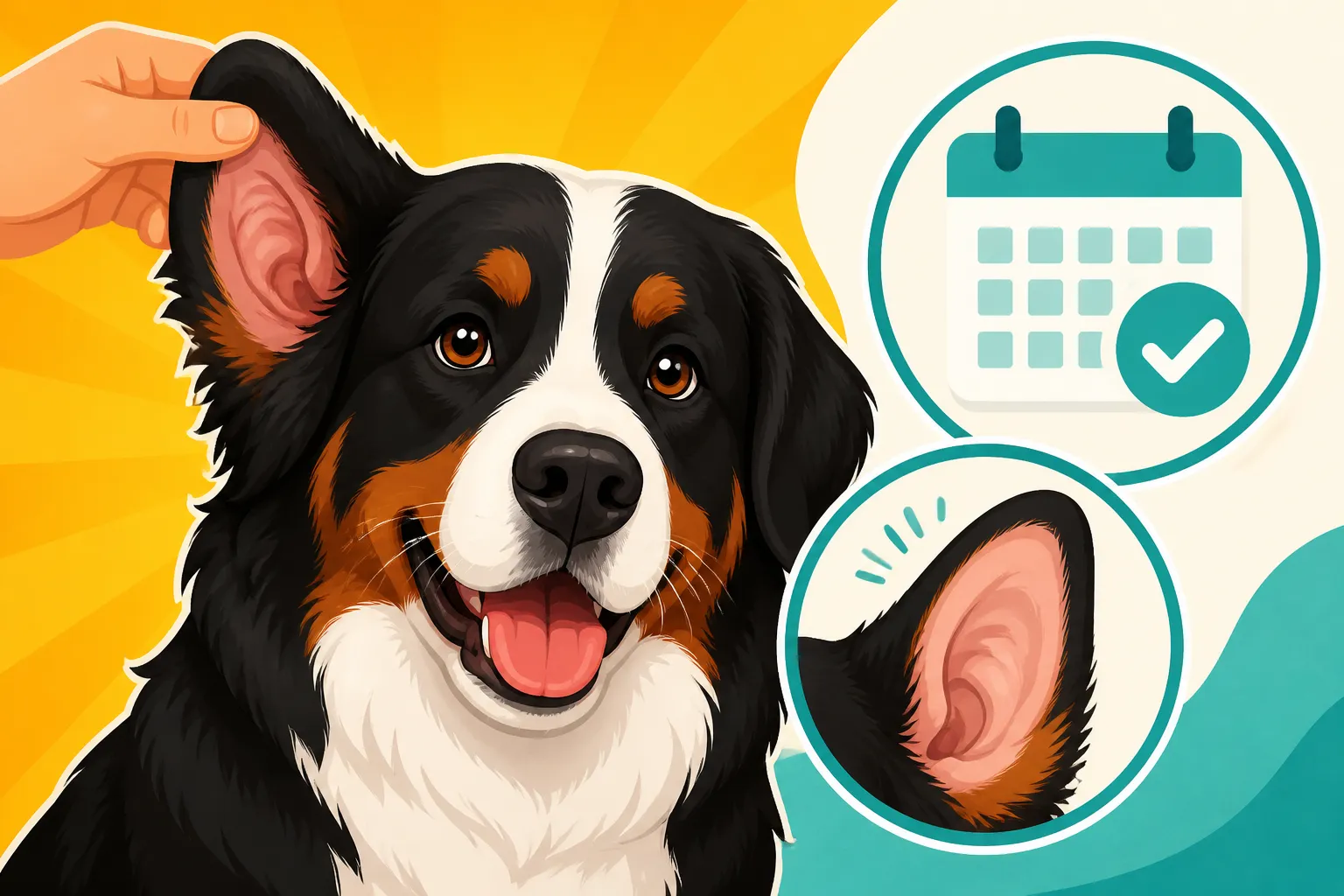
How Often to Look Inside a Bernese Mountain Dog’s Ear
One of the quiet worries many Bernese Mountain Dog owners face is how to keep their beloved giant healthy, and often, the ears are an overlooked area that can cause a lot of distress if not regularly checked. It’s not always obvious when something is amiss in those floppy, furry ears until it’s become a significant, painful problem. This comprehensive guide will walk you through exactly how often you should be looking inside your Bernese Mountain Dog's ears, what to look for, and how to maintain their ear health to prevent common issues.
Why Regular Ear Checks Are Absolutely Essential for Your Bernese Mountain Dog
It’s easy to admire those beautiful, soft, triangular ears that frame your Berner’s sweet face, but beneath that lovely exterior lies an environment ripe for potential problems. Unlike breeds with upright ears, the Bernese Mountain Dog’s floppy ear flap acts like a natural lid, restricting airflow and creating a warm, moist, dark canal – the perfect breeding ground for bacteria, yeast, and mites. If you've ever had an ear infection yourself, you know how miserable it can be, and our dogs feel the same discomfort, often silently at first.
The Anatomy of a Berner's Ear and Why It's Prone to Trouble
Think of your Berner's ear canal not as a straight tube, but more like an 'L' shape. This deep, winding structure traps debris, moisture, and earwax, making it incredibly difficult for these things to exit naturally. When combined with the heavy, pendulous ear flap, which minimizes air circulation, you have a recipe for irritation and infection. This is why it’s so vital to be proactive rather than reactive with ear care. Ignoring these regular checks can lead to chronic issues, pain, and costly vet visits down the line. We want our Berners to be as comfortable as possible, and healthy ears are a huge part of that.
Furthermore, Bernese Mountain Dogs, like many large breeds, can have a denser coat, and the hair inside and around their ear canal can also contribute to trapping moisture and debris. Some individual Berners might even produce more earwax than others, compounding the problem. Knowing your dog's specific tendencies will help you tailor your inspection frequency and cleaning routine. Regular vigilance is truly the first line of defense against painful ear problems.
The Silent Signs Your Berner's Ears Need Attention
Dogs are incredibly stoic creatures, especially when it comes to discomfort. A Bernese Mountain Dog, with its generally gentle and tolerant nature, might hide early signs of ear irritation, making it even more important for you, as their dedicated owner, to be vigilant. They won’t always cry out or paw at their ear the moment a problem begins. Sometimes, the first signs are subtle changes in behavior that you might initially attribute to something else.
They might become a little less playful, or perhaps shake their head just a tiny bit more often than usual. You might notice they rub their ear against furniture or your leg, or even become slightly reluctant to have their head petted. These small cues are often the only indication that something is bothering them, especially if the discomfort is mild at first. Waiting until they are obviously scratching or whining means the issue has likely escalated to a more painful stage, which is precisely what we aim to avoid through regular, routine checks.
How to Conduct a Thorough Ear Inspection at Home
Making ear checks a positive experience from a young age is key. Your Berner is a big dog, and trying to inspect a sensitive area like an ear when they're reluctant or fearful can be a real struggle for both of you. Start slowly, be gentle, and always end with praise and a high-value treat. This isn't just about spotting problems; it's about building trust and comfort around handling, which is essential for all aspects of their care, including What a Bernese Mountain Dog Checkup Includes After Five.
Gathering Your Tools and Creating a Calm Environment
Before you even start, ensure you have everything you might need close by. This includes a good source of light, like a small flashlight or headlamp, to help you see into the ear canal. You'll also want some clean cotton balls or soft gauze, and if you plan to clean, a veterinarian-approved ear cleaning solution. Avoid cotton swabs, as these can push debris further into the ear canal and potentially damage the eardrum. Having a few extra treats on hand, perhaps some from their usual A Month of Food for a Bernese Mountain Dog or special high-reward ones, will make a big difference.
Choose a time when your Bernese Mountain Dog is relaxed – maybe after a good walk or a nap. Find a comfortable, well-lit spot where you can sit together, like on the floor or a large dog bed. Avoid trying to do this when they're overly excited or distracted. A calm environment will make the experience much less stressful for your Berner and more effective for you. I often put on some calming music and make it a bonding moment, not just a chore.
The Step-by-Step Process for a Gentle Ear Check
Begin by gently lifting your Bernese Mountain Dog's ear flap. Take a moment to just look and sniff. Does anything seem unusual? Is there any redness, swelling, or discharge? Use your fingers to gently separate any hair that might be obscuring your view of the ear canal entrance. Shine your light into the canal, observing its color and whether there's any visible buildup or foreign objects. Remember, a small amount of light brown wax is normal, but anything excessive, dark, or unusual should be noted.
As you look, gently feel the base of the ear. Is it warm to the touch? Does your Berner flinch or pull away? This tactile check can often reveal tenderness or inflammation that isn't immediately visible. Remember to check both ears, as problems can sometimes affect only one side. Always remain calm and offer continuous soft praise. If your Berner shows any signs of discomfort or pain, stop immediately and contact your vet. The goal is to be thorough but always gentle and respectful of their comfort. For dogs that are wary of handling, short, frequent sessions are better than one long, stressful one.
What to Look For: Red Flags and Normal Findings
Knowing what's normal is just as important as knowing what's not. A healthy Bernese Mountain Dog ear should have a pale pink, clean appearance inside the canal, with minimal odor. There might be a light, waxy residue, but it shouldn't be excessive or dark. The skin should be smooth, without any bumps, redness, or swelling. Any deviation from this normal state warrants closer attention.
| Symptom Category | Normal Finding | Red Flag | Action Required |
|---|---|---|---|
| Appearance | Pale pink canal, minimal light brown wax, clean skin, no visible swelling. | Redness, swelling, dark brown or black debris, yellow/green discharge, crusts, sores, excessive hair matting. | Contact vet, especially if paired with odor/behavior changes. |
| Odor | Mild, neutral "dog" smell. | Strong, foul, cheesy, or yeasty odor. | Contact vet; likely infection. |
| Discharge | None to very minimal, light brown/clear wax. | Excessive dark, waxy discharge, pus-like, bloody, or unusual color. | Contact vet. |
| Behavior | Tolerant of ear handling, no head shaking, no scratching, no rubbing. | Head shaking, pawing at ear, rubbing ear on surfaces, pain when touched, crying out, reluctance to open mouth wide. | Contact vet immediately. |
| Temperature | Similar to surrounding skin. | Hot to the touch at the base of the ear. | Contact vet; indicates inflammation/infection. |
Visual Cues: Color, Discharge, and Hair Growth
When you peer into your Berner's ear, pay close attention to the color of the skin. Healthy skin is typically a light, uniform pink. Any patches of bright red, dark red, or purplish discoloration are immediate red flags indicating inflammation. Also, look for any swelling, particularly around the opening of the canal. Discharge is another critical visual cue. A small amount of light brownish wax is normal, but anything heavy, dark brown, black, yellow, or greenish, especially if it looks like pus, is a sign of infection. Dry, crusty debris can indicate mites, while a wet, greasy discharge points to yeast or bacterial overgrowth. Also, note the hair growth within the ear canal. While some hair is normal, excessive hair can trap moisture and debris, requiring careful trimming by a vet or groomer.
Over time, you'll become very familiar with what your Berner's ears normally look like. I know with my own Berner, a subtle darkening of the wax is my first signal to increase vigilance. Sometimes, simply observing a small change can prevent a full-blown crisis. If you notice any suspicious changes in the ear's appearance, it’s worth a call to your veterinarian. Remember, early detection of issues like Recurring Ear Infections in a Bernese Mountain Dog can make treatment much simpler and less invasive.
Olfactory Clues: The Scent of Trouble
Your nose is a powerful diagnostic tool when it comes to ear health. A healthy Bernese Mountain Dog's ear should have a very faint, almost neutral, "doggy" smell. You might detect a slight waxy scent, which is perfectly normal. However, if you detect any strong, unpleasant odors—especially a yeasty, sweet, foul, or cheesy smell—it's a significant indicator that an infection is brewing. Yeast infections often present with a distinct, sweet-sour, or bread-like smell, while bacterial infections can be much fouler.
Don't underestimate the power of your sense of smell. Sometimes, the odor is noticeable even before visual symptoms like heavy discharge or redness become apparent. If you're smelling something that just isn't right, trust your instincts and take action. This is particularly true for Berners, whose long, floppy ears can effectively 'trap' odors, making them more pronounced. A quick sniff test every few days is an effortless addition to your routine that can provide crucial early warnings.
Behavioral Indicators: When Your Berner Tells You Something's Wrong
Beyond what you see and smell, your Bernese Mountain Dog's behavior is a primary way they communicate discomfort. While some Berners are stoic, many will show behavioral changes when their ears are bothering them. Common signs include increased head shaking, often vigorously, or pawing at their ears. They might rub their head against furniture, carpets, or your leg in an attempt to alleviate the itch or pain. You might also notice them tilting their head to one side more frequently.
Sometimes, the behavior is more subtle. They might become slightly withdrawn, less enthusiastic about playtime, or even a bit irritable if you try to touch their head or ears. Reluctance to chew on hard toys or yawn widely can also be a sign of ear pain. If you notice any of these changes, even if you don't see or smell anything outwardly alarming, it's wise to investigate further. Your Berner is communicating with you, and paying attention to these cues can literally save them from prolonged discomfort. This is where your bond with your dog truly comes into play; you know them best.
Proactive Measures and When to Call the Vet
An ounce of prevention is worth a pound of cure, especially when it comes to your Bernese Mountain Dog’s ear health. By incorporating some simple, proactive steps into your routine, you can significantly reduce the risk of infections and keep those beautiful ears in top condition. This involves not just regular checking but also understanding appropriate cleaning and knowing when a problem is beyond your home care capabilities. It's a key part of holistic health, just like ensuring they are on appropriate Flea and Tick Cover for a Hundred Pound Bernese Mountain Dog.
Keeping Your Berner's Ears Healthy Between Checks
The best defense against ear infections is routine maintenance. Aim to check your Bernese Mountain Dog's ears at least once a week. If your dog has a history of ear issues, swims frequently, or spends a lot of time in humid environments, you might need to increase this to every few days. After baths or swimming, always take the time to thoroughly dry their ears using a soft towel or cotton balls around the outer ear canal opening. Excessive moisture is a prime culprit for yeast and bacterial growth.
You can also use a veterinarian-approved ear cleaning solution to gently clean their ears as needed, but only if they are healthy and free of infection. Never clean if you suspect an infection or if their ear is red and painful, as this can push debris deeper or cause more irritation. Always follow the product instructions carefully, and if in doubt, consult your vet. Products like specific ear wipes or solutions can be found on platforms like Chewy or Amazon. Remember to always use dog-specific products, as human ear cleaners or home remedies can cause more harm than good. Also, keeping the hair around and just inside the ear canal trimmed can aid airflow; this is often best left to a professional groomer or vet.
Understanding Common Bernese Mountain Dog Ear Issues
Berners are susceptible to several common ear problems, with ear infections (otitis externa) being the most prevalent. These can be caused by bacteria, yeast, or a combination of both. Ear mites, though less common in adult dogs, can cause intense itching and dark, crusty debris. Allergies, both environmental and food-related, can also manifest as chronic ear inflammation and infections, often leading to Itching Under a Bernese Mountain Dog's Thick Coat and recurrent ear problems. Some Berners might have an allergic response that primarily affects their ears, making them perpetually red and irritated, even without a full-blown infection.
Foreign bodies, like grass seeds or small burrs, can also get lodged in the ear canal, causing sudden pain and head shaking. These are often difficult to see without specialized equipment. Less commonly, growths or polyps can develop within the ear canal. Knowing these potential issues reinforces the need for consistent observation. If you suspect any of these, especially if you see anything that looks like a foreign object, avoid trying to remove it yourself, as you could cause more damage.
When an Ear Issue Becomes a Veterinary Emergency
While regular checks and preventive care are invaluable, there are times when a trip to the vet is absolutely necessary, and sometimes even urgent. If your Bernese Mountain Dog is showing signs of severe pain, such as crying out when their ear is touched, refusing to let you examine it, or if there's significant swelling, a nasty odor, or copious discharge, it's time to call the vet without delay. Persistent head shaking or tilting, loss of balance, or signs of hearing loss also warrant immediate veterinary attention, as these could indicate a more serious inner ear infection or other neurological issues.
Do not attempt to self-diagnose or treat a severe ear infection at home. Over-the-counter remedies might mask symptoms or worsen the problem, especially if the eardrum is compromised. Your veterinarian can accurately diagnose the cause of the problem using an otoscope, taking samples for cytology, and prescribing the appropriate medication. They can also demonstrate the correct way to Cleaning a Bernese Mountain Dog's Ear Flaps or administer medication if needed. Early veterinary intervention means a quicker recovery and less discomfort for your cherished Bernese Mountain Dog.
Disclaimer
This article is for general informational purposes only and does not constitute professional advice. Laws, prices and regulations vary by location and change over time. Consult a qualified professional for guidance on your specific situation.