Shade a Bernese Mountain Dog Needs in a Yard
It's a common dilemma for Bernese Mountain Dog owners: you want your beloved companion to enjoy the fresh air and sunshine in the yard, but the thought of their thick, beautiful coat baking in the summer heat is enough to send shivers down your spine. Providing adequate, reliable shade isn't just a nicety; it's an absolute necessity to protect your Berner from dangerous overheating. This guide will walk you through understanding your Berner's specific needs, practical shade solutions for any yard, and how to ensure your fluffy friend stays cool and safe outdoors.
The Critical Need for Shade for Your Bernese Mountain Dog
Let's be real: our Bernese Mountain Dogs were bred for chilly mountain environments, not scorching summer days. Their physical build, while majestic, makes them particularly vulnerable to heat. Leaving them in a sunny yard without proper protection can quickly turn a pleasant afternoon into a life-threatening emergency.
Understanding the Berner's Built-In Insulation
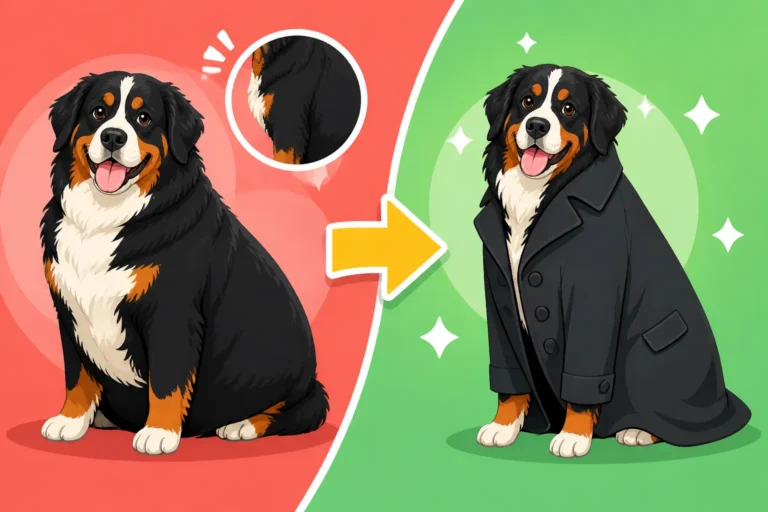
That gorgeous, flowing double coat that makes Berners so iconic is a marvel of natural engineering – for cold weather. It consists of a dense, woolly undercoat for insulation and a longer, coarser outer coat that repels water and protects against snow and ice. In winter, this is fantastic, trapping warmth and keeping them cozy. However, in summer, it does the exact opposite: it traps heat, preventing their bodies from cooling down effectively. Think of it like wearing a heavy wool sweater and a thick winter jacket on a hot day. It's just not going to end well. This inherent design means that even on days that feel merely "warm" to us, a Bernese Mountain Dog can be struggling immensely. You might also want to read about The Case Against Shaving a Bernese Mountain Dog in June to understand why their coat needs to be managed carefully in warm weather.
The Dangers of Overheating
The consequences of insufficient shade and overheating for a Bernese Mountain Dog are severe. Heatstroke is a very real and rapid killer. Unlike humans who sweat profusely to cool down, dogs primarily pant. While effective to a degree, this method can be overwhelmed quickly, especially in a thick-coated breed working harder to dissipate heat.
Early signs of overheating can be subtle: excessive panting, drooling, a rapid heart rate, and seeking out cool spots. As it progresses, you might see wobbliness, confusion, vomiting, diarrhea, and even collapse. The core body temperature rises to dangerous levels, causing organ damage that can be irreversible even if the dog is cooled down. It's a terrifying progression that can happen surprisingly fast, making prevention through adequate shade absolutely paramount. Consider how quickly things can escalate by looking at Cooling a Collapsed Bernese Mountain Dog in the Field.
Types of Shade Solutions for Your Yard
So, how do we create a safe haven for our Berners in the yard? It's about combining natural elements with smart, artificial structures to ensure they always have an escape from direct sunlight, no matter the time of day.
Natural Shade: Trees and Large Shrubs
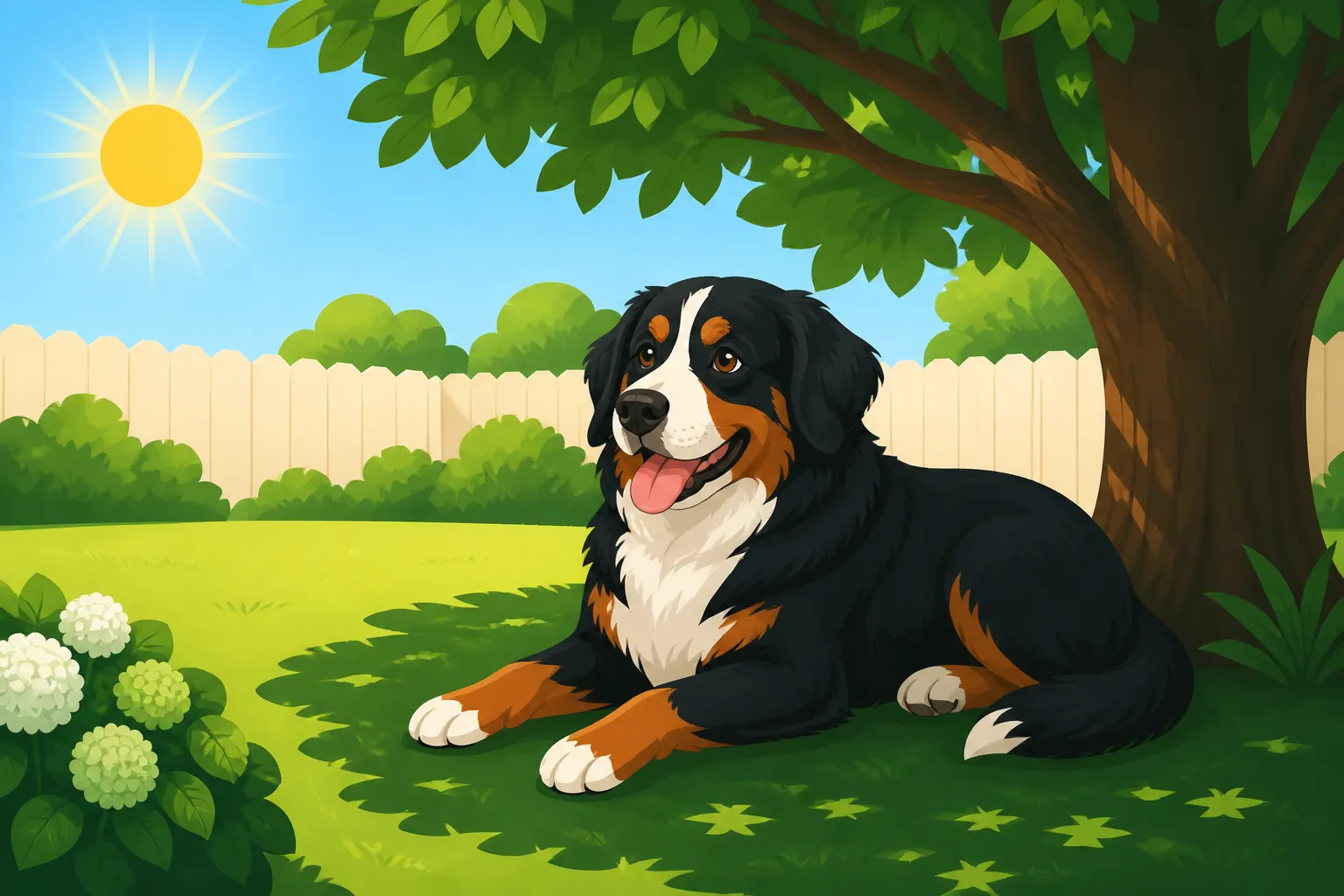
Nothing beats the cooling power and aesthetic appeal of natural shade. A mature tree in your yard is a goldmine for a Bernese Mountain Dog, offering not just shade, but also some evaporative cooling from its leaves, which can lower ambient temperature slightly. Deciduous trees that leaf out in spring and provide dense shade through summer are ideal. Think oak, maple, or sycamore. Evergreen trees can also work, though they might block winter sun if placed incorrectly.
Large, dense shrubs can also provide pockets of shade, particularly for a dog that likes to lie down and relax. Position them strategically where the sun hits at its peak. The key here is not just having a tree, but ensuring its shade pattern covers a significant area during the hottest parts of the day. Observe your yard throughout the day – where does the sun hit strongest in the afternoon? That's where your natural shade needs to be most effective. Remember, a Bernese Mountain Dog’s comfort is directly tied to the ability to escape intense sun, especially considering Heat and the Bernese Mountain Dog's Black Coat.
Artificial Shade Structures: Tarps, Sails, Pergolas, Dog Houses
While natural shade is wonderful, it might not always be sufficient or available where you need it most. This is where artificial shade structures come into play, offering flexible and often immediate solutions.
- Shade Sails: These are fantastic. Made from breathable fabric, they can be stretched taut between anchor points (posts, house, trees) to create a large, customizable area of shade. They come in various shapes and sizes, allowing you to tailor the coverage to your yard's needs and the sun's movement. You can often find a wide selection of durable shade sails on Amazon, making it easy to pick one that suits your space and aesthetic.
- Tarps: A simple, cost-effective solution. While perhaps not as aesthetically pleasing as a shade sail, a heavy-duty tarp strung up securely can provide excellent, immediate shade. Just ensure it's taut enough not to flap noisily and scare your dog, and positioned high enough for good airflow underneath.
- Pergolas or Awnings: More permanent structures, pergolas with shade covers (or climbing vines) offer lovely, consistent shade. Retractable awnings attached to your house are also brilliant, allowing you to extend shade when needed and retract it to let in winter sun.
- Dog Houses or Shelters: While a dog house offers some shade and shelter, a typical enclosed dog house can become an oven in hot weather. If using one, ensure it's well-ventilated, elevated for airflow, and positioned within a larger shaded area. Better yet, opt for an open-sided, elevated kennel or a large, sturdy pop-up canopy designed for outdoor events. These allow for much better air circulation. On sites like Chewy, you can often find elevated outdoor beds or open-sided outdoor shelters that provide both shade and crucial airflow from underneath.
Combining Solutions for Maximum Protection
The best strategy for a Bernese Mountain Dog is usually a multi-layered approach, blending natural and artificial shade. For instance, you might have a large tree providing morning shade, a shade sail covering the patio for the afternoon, and an open-sided kennel for your Berner to retreat to.
Imagine a scenario: your Berner, Maple, loves to supervise the backyard. In the morning, she's happy under the big oak. By early afternoon, the oak's shade has shifted. This is where a strategically placed shade sail over her favorite napping spot on the deck or a dedicated open-air gazebo comes in. This ensures she never has to choose between staying outside and being in the sun. This combination of solutions offers dynamic shade that follows the sun's path, guaranteeing a cool spot is always available. Think about how much happier Maple will be with her consistent cool spots compared to how she'd feel if you forced Exercising a Bernese Mountain Dog in Summer in direct sun.
Strategic Placement and Monitoring
Having shade options is one thing; making sure they’re actually effective is another. Bernese Mountain Dogs aren't always great at self-regulating when they're having fun, so proactive placement and constant monitoring are key.
Tracking the Sun's Path
The sun moves, and so does shade. A patch of shade that's perfect at 10 AM might be completely gone by 2 PM. To truly protect your Bernese Mountain Dog, you need to observe your yard throughout the day, paying special attention to the hottest hours (typically late morning to late afternoon).
Walk your yard, or even set a timer and check every hour. Where is the sun directly hitting? Where are the deepest, coolest shadows? Place your dog beds, water bowls, and any preferred resting spots in areas that will remain shaded during the most intense sun exposure. You might need multiple shaded areas, or flexible shade structures that can be adjusted. This vigilance helps prevent your Berner from unknowingly baking in a spot that was cool just an hour before. Understanding The Temperature a Bernese Mountain Dog Stops Coping will highlight just how critical this tracking truly is.
Beyond Shade: Additional Cooling Measures
Shade is foundational, but it’s rarely enough on its own when the mercury climbs. You need a comprehensive cooling strategy for your Bernese Mountain Dog.
- Abundant Fresh Water: This is non-negotiable. Have multiple large bowls of fresh, cool water readily available in different shaded spots. Consider a kiddie pool with just a few inches of water for splashing, or even a continuous-flow pet drinking fountain. Regularly add ice to the water bowls.
- Cooling Mats and Elevated Beds: These can make a huge difference. Cooling mats, activated by pressure or water, draw heat away from your dog's body. Elevated beds allow air to circulate underneath your Berner, preventing heat from radiating up from the ground. Many excellent options for cooling mats and elevated beds can be found on Amazon or Chewy.
- Timing of Outdoor Time: Restrict outdoor exercise and prolonged yard time to the coolest parts of the day – early mornings and late evenings. Avoid mid-day sun entirely. This is essential for Getting a Bernese Mountain Dog Through Summer.
- Cool Surfaces: Pavement and dark decking can absorb and radiate a tremendous amount of heat. Your Bernese Mountain Dog should ideally be on grass or a shaded, cool concrete surface. Always check the ground temperature with your hand; if it's too hot for your bare hand, it's too hot for their paws. See Hot Pavement and a Bernese Mountain Dog's Pads for more on this.
| Shade Type | Pros | Cons | Best Use Case |
|---|---|---|---|
| Mature Trees | Natural, beautiful, long-lasting, slight ambient cooling | Takes years to grow, fixed location, shade shifts, seasonal | Permanent, primary shade source for large areas |
| Shade Sails/Tarps | Flexible, customizable, good airflow, immediate | Needs anchor points, may require adjustment, less aesthetic | Covering patios, specific dog lounging areas |
| Pergolas/Awnings | Aesthetically pleasing, consistent shade | More permanent installation, higher cost, can trap some heat | Integrated with home, dedicated outdoor living spaces |
| Open Dog Shelters | Portable, provides dedicated dog space, elevated options for airflow | Can be less stable in wind, not always "cool" without other aids | Providing an individual safe haven within a larger shaded zone |
Recognizing When Shade Isn't Enough
Even with the best intentions and excellent shade, there will be days when it's simply too hot for your Bernese Mountain Dog to be outside for long periods. If you notice any of these signs, it's time to bring your Berner indoors immediately, even if they're in a shaded area:
- Excessive Panting: More rapid and forceful than usual, possibly with a wide-open mouth and tongue hanging out.
- Increased Drooling: Thick, ropey saliva.
- Lethargy or Weakness: Unwillingness to move, slower reactions, stumbling.
- Bright Red Gums or Tongue: A sign of increased blood flow trying to dissipate heat.
- Vomiting or Diarrhea: More severe signs of heat stress.
At these points, move your dog to a truly air-conditioned space. Offer cool (not ice-cold) water. You might gently wet their paws, ears, and belly with cool water (do NOT immerse them in icy water, as this can cause shock). If symptoms don't improve rapidly or worsen, seek veterinary attention immediately. Every minute counts when dealing with heatstroke in a Bernese Mountain Dog. Providing a cool environment year-round, not just relying on shade, is crucial. This is particularly important for Whether a Bernese Mountain Dog Suits a Hot Climate.
Maintenance and Long-Term Considerations
Creating a shaded sanctuary for your Bernese Mountain Dog isn't a one-and-done task. It requires ongoing attention and perhaps some forward-thinking to ensure their long-term comfort and safety in your yard.
Maintaining Your Shade Structures
For artificial shade, durability and safety are paramount. Regularly inspect your shade sails, tarps, and other temporary structures. Are the ropes or fasteners secure? Is the fabric tearing? High winds can turn a loose tarp into a dangerous projectile, and a collapse could injure your dog. Replace any worn components promptly. If you purchased items from a retailer like Amazon, keep an eye on product reviews for longevity and consider models known for their robust construction. For more permanent structures like pergolas or awnings, ensure they are structurally sound and free from rot or rust that could compromise their integrity. Regular cleaning can also prevent mildew and extend the life of fabric covers.
Planning for the Future: Growing Trees, Permanent Structures
If your yard currently lacks sufficient natural shade, consider planting trees that will mature into broad, shade-providing canopies. This is a long-term investment in your Bernese Mountain Dog's future comfort. Consult with a local arborist to choose fast-growing, shade-dense species that thrive in your climate and are safe for pets. While you wait for trees to grow, temporary solutions like large patio umbrellas or sturdy pop-up gazebos can bridge the gap.
For those planning major landscaping changes or home additions, integrate permanent shade solutions into your design. Think about covered patios, verandas, or even strategically placed outdoor sheds that can double as cool retreats. The goal is to create a seamless environment where your Bernese Mountain Dog can move freely between sun and shade, always having a cool escape readily available. This forward-thinking approach is part of creating the ideal The Kind of Home a Bernese Mountain Dog Belongs In.
By actively thinking about and implementing these shade and cooling strategies, you're not just creating a comfortable yard for your Bernese Mountain Dog; you're safeguarding their health and well-being. It’s an act of love for a breed that gives us so much joy, but asks us to be extra mindful of their unique needs, especially when the sun is blazing.
Disclaimer
This article is for general informational purposes only and does not constitute professional advice. Laws, prices and regulations vary by location and change over time. Consult a qualified professional for guidance on your specific situation.