Whether a Child Can Walk a Bernese Mountain Dog
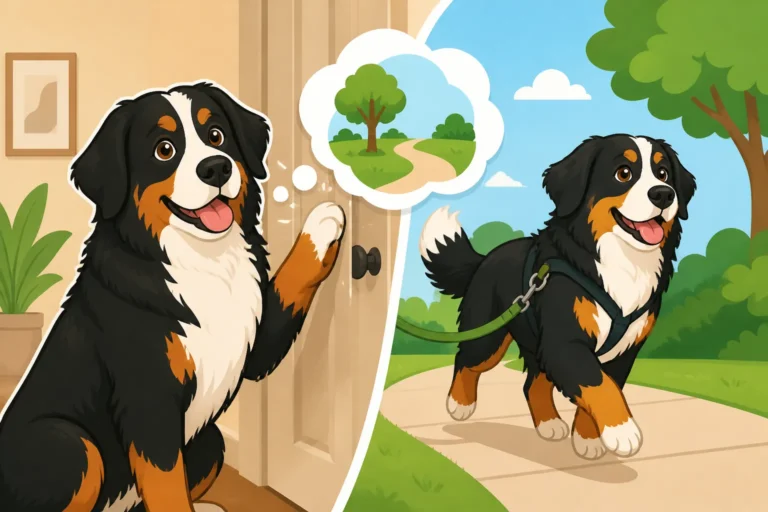
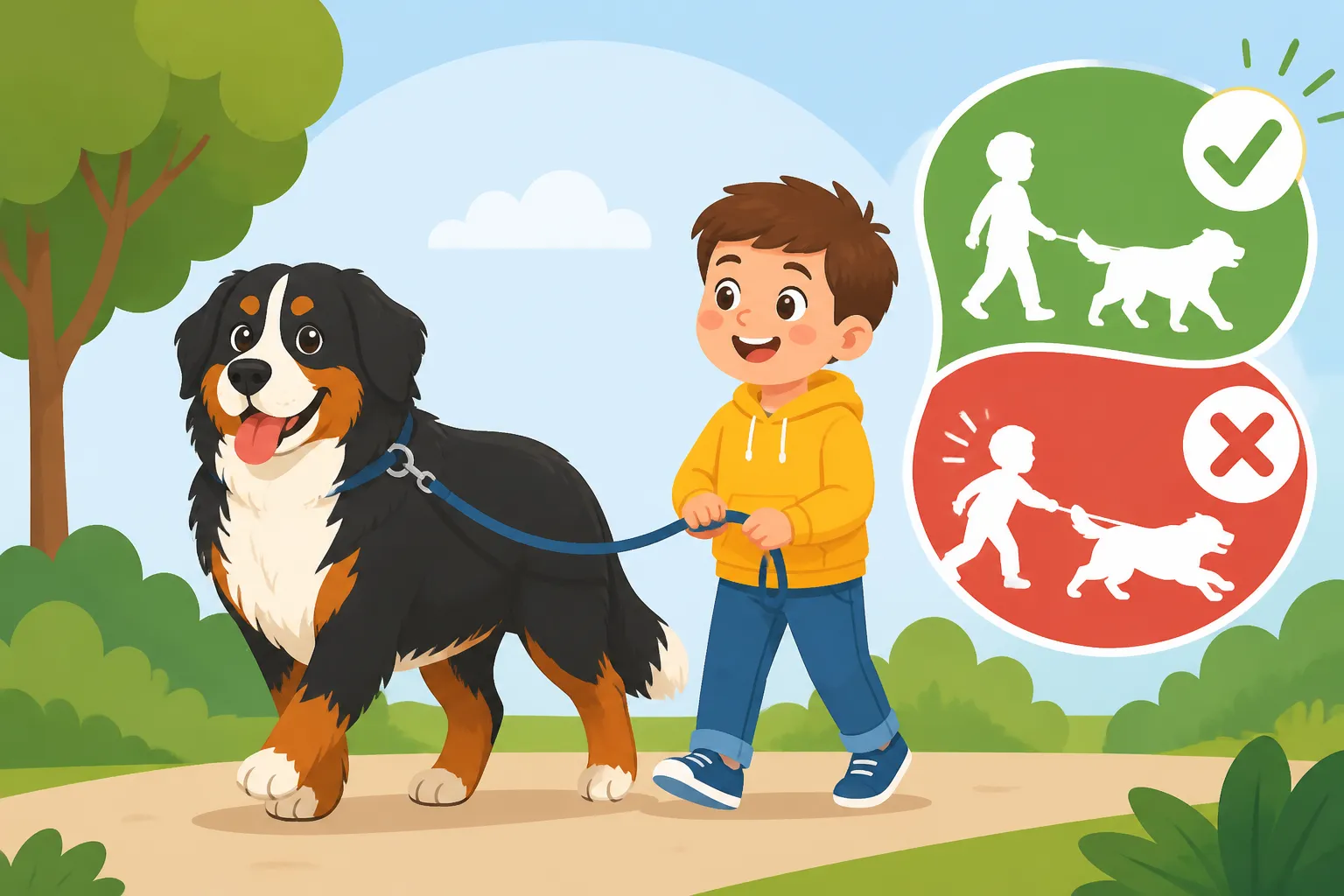
It's a beautiful image, isn't it? Your child, beaming, walking their magnificent Bernese Mountain Dog down the street, leash in hand. It’s a vision many of us have when we consider bringing a Berner into our family. But the reality of a dog that can easily outweigh an adult, let alone a child, is a different story, often fraught with potential dangers and frustrations. This guide will walk you through the honest truth of whether a child can truly walk a Bernese Mountain Dog safely, what it takes to get there, and the critical precautions every family needs to consider.
The Sheer Reality of a Hundred-Pound Dog
Let's face it: a Bernese Mountain Dog is a large, powerful animal. Even the most gentle and well-behaved Berner possesses an innate strength that can be surprising. When a dog like that decides to pull, chase a squirrel, or simply greet another dog with enthusiastic gusto, the person on the other end of the leash needs to be physically capable of holding them back. This isn't just about discipline; it's about physics.
Size, Strength, and Sudden Instincts
Imagine a 100-pound Bernese Mountain Dog, full of youthful exuberance, catching sight of a rabbit darting across a field. Their instinct to chase can kick in instantly, transforming a calm stroll into a sudden lunge. For a child, or even a smaller adult, this can mean being dragged, losing grip on the leash, or worse, being pulled off balance and injured. It’s not a reflection of the dog’s temperament; it’s simply the reality of having a powerful animal. Even a fully mature, well-trained Bernese can have moments where instinct overrides learned behavior, especially in novel or highly stimulating environments. The Bernese Mountain Dog That Pulls Its Owner Over is a real concern, not just a hypothetical one.
Consider the simple act of turning a corner. If your Berner is moving at a decent clip and decides to cut the corner sharply, or even if they suddenly veer to sniff something intriguing, a child might not have the leverage or strength to maintain control. This isn't a knock on children, but a recognition of the significant weight and momentum a full-grown Bernese can generate. We need to be realistic about How Big a Bernese Mountain Dog Gets and the implications of that size.
The Developmental Stages of Both Child and Dog
It’s crucial to remember that both children and Bernese Mountain Dogs go through significant developmental stages. A five-year-old child's coordination, judgment, and physical strength are vastly different from a ten-year-old's, let alone a teenager's. Similarly, a Bernese Mountain Dog puppy, while adorable, grows rapidly and can still be quite boisterous. They often remain in a "puppy brain" phase longer than many other breeds, needing consistent guidance well into their second or even third year. Why a Bernese Mountain Dog Stays a Puppy Until Three means their impulse control might not be fully developed, even if they know the commands.
A younger child might struggle with the fine motor skills required to properly hold a leash, or understand the nuances of reading a dog's body language and anticipating their next move. Older children, perhaps 10 or 12 years old, might have the physical strength and mental maturity to assist with walks, especially if the dog is exceptionally well-trained and the environment is controlled. However, expecting them to be the primary handler for a large, strong breed like a Bernese Mountain Dog, especially in public or unpredictable settings, might be asking too much.
Foundations: Training for Both Child and Dog
Before any child considers holding the leash of a Bernese Mountain Dog, a significant amount of training must go into both the dog and the child. This isn't just about teaching "sit" and "stay"; it's about instilling reliable leash manners and teaching the child how to be an effective, safe handler.
Impeccable Leash Manners for the Bernese
A Bernese Mountain Dog absolutely must be a joy to walk on a leash, even for a smaller adult, before a child ever takes the lead. This means no pulling, no lunging, and a reliable "leave it" command. This level of training takes dedication, patience, and consistency. Positive reinforcement methods work wonderfully with Berners, as they are sensitive and can shut down if handled too harshly. Training a Bernese Mountain Dog Without Breaking It is key.
Start training your Bernese puppy from day one to walk politely on a leash. Use high-value treats and praise to reward loose-leash walking, where the leash forms a slack "J" shape. Practice in low-distraction environments first, gradually introducing more challenging situations as your dog masters the skill. This might involve a front-clip harness or a head halter to give you more control during the initial stages, but the goal is for the dog to learn to walk politely on a standard leash. Tools from brands like Amazon offer a wide array of training leashes and harnesses to find what works best for your Berner.
Teaching Children to Be Responsible Handlers
It’s not enough to train the dog; you must also train the child. This involves teaching them how to hold the leash correctly (never wrapped around a hand or wrist), how to give clear commands, how to reward the dog, and crucially, what to do if the dog gets distracted or pulls. Role-playing scenarios in the backyard can be incredibly helpful. What if a loose dog approaches? What if the Berner decides to investigate something stinky on the ground?
A comprehensive online training program, like those offered by BAXTER & Bella, can be invaluable here. They often have modules that teach children how to interact safely and effectively with their family dog, ensuring consistency in commands and expectations. This kind of structured learning can bridge the gap between a child's desire to help and their ability to do so safely. Teach them how to keep an eye on their surroundings and recognize potential triggers for the dog. They need to understand that walking a dog isn't just about holding a rope; it's about being aware and proactive. A Bernese Mountain Dog Around Children articles often highlight the importance of teaching both parties for harmonious living.
Essential Gear and Strict Supervision
Even with the best training, the right equipment and unwavering adult supervision are non-negotiable when a child is involved in walking a Bernese Mountain Dog. This isn't about being overprotective; it's about being realistic and ensuring everyone's safety.
The Right Equipment for Maximum Control
For a large breed like a Bernese Mountain Dog, a sturdy leash and a well-fitting harness are paramount. A standard collar might be fine for identification, but for walking, especially when a child is involved, a harness that provides better control and prevents pressure on the dog's neck is preferable.
| Equipment Type | Description | Pros | Cons |
|---|---|---|---|
| Front-Clip Harness | Leash attaches at the chest, redirecting the dog's forward momentum. | Excellent for reducing pulling, safer for the dog's neck. | Can sometimes tangle legs if not fitted correctly. |
| Head Halter | Fits over the muzzle and behind the ears, giving head control. | Provides significant control with minimal effort, great for strong pullers. | Some dogs initially resist wearing it; requires proper introduction. |
| Standard Leash | Sturdy, non-retractable leash (preferably 6-foot length). | Reliable, simple, standard. | Only as effective as the handler's strength and the dog's training. |
| Hands-Free Leash | Attaches to a belt or waist, allowing the handler to use their hands. | Good for adults wanting hands-free, but generally NOT for children. | Can be dangerous if the child is pulled over suddenly. |
When choosing a leash, opt for a strong, comfortable material that won't easily slip through small hands. Leather or durable nylon leashes found on platforms like Amazon are excellent choices. Avoid retractable leashes entirely, as they offer minimal control and can snap back, causing injury to both dog and child. Which Harness Controls a Bernese Mountain Dog Best is a topic worth exploring further to ensure you pick the safest option.
Unwavering Adult Supervision is Key
Let me be absolutely clear: until a child is a mature teenager with significant experience, and the Bernese Mountain Dog is an exceptionally calm, well-trained individual in a low-distraction environment, adult supervision is non-negotiable. This doesn't mean standing on the porch watching from a distance; it means walking with them, ready to take over the leash at a moment's notice.
Think of it as learning to drive. You wouldn't hand your ten-year-old the keys to the car and say, "Go for a drive around the block." The stakes with a large dog are similar. An unexpected encounter with another dog, a sudden loud noise, or even a tempting smell can quickly escalate a peaceful walk into a situation a child cannot manage. It's about protecting both the child from potential injury and the dog from creating a public nuisance or causing harm to others. Until your child has demonstrated consistent competence and the dog has proven bulletproof in various scenarios, a responsible adult needs to be right there. Leash Manners on a Hundred Pound Bernese Mountain Dog are essential, but even perfect manners can be tested.
Empowering Independence, Safely
While full independent walks might be a distant dream for younger children, there are many safe and positive ways to involve them in their Bernese Mountain Dog's exercise routine, fostering responsibility and strengthening their bond.
Team Walking: A Stepping Stone
A fantastic way to get children involved is through "team walking." This means an adult holds the primary leash, and the child holds a secondary, lighter leash attached to the same harness or collar. This gives the child the feeling of control and responsibility, while the adult retains ultimate authority and physical control. It’s a great way to practice Leash Manners on a Hundred Pound Bernese Mountain Dog in a controlled setting.
As the child grows and demonstrates increasing competence, they can gradually take on more responsibility, but always with the safety net of the adult nearby and ready to intervene. This also allows the adult to actively coach the child on anticipating the dog's movements, giving commands, and reinforcing good behavior. It's a progressive approach that respects the power of the dog and the developmental stage of the child.
Safe Environments and Controlled Scenarios
Even for older children who are becoming more capable, the choice of walking environment is crucial. Start in a quiet, fenced yard or a very low-traffic park where distractions are minimal. Avoid busy sidewalks, dog parks, or areas with unpredictable elements (like construction or heavy traffic) until both dog and child are truly ready.
When a child is holding the leash, even under supervision, ensure the focus is on a calm, structured walk, not play. Playtime with a Bernese Mountain Dog, especially energetic running or tug-of-war, should always be supervised by an adult, as the sheer size and strength of the dog can easily overwhelm a child in a playful moment. Stopping a Bernese Mountain Dog Jumping Up is particularly important around children, as an excited Berner can easily knock someone over.
Fostering a Bond Beyond the Leash
There are countless ways for children to build a strong, loving relationship with their Bernese Mountain Dog that don't involve holding the leash for walks. They can be actively involved in feeding (under supervision to ensure proper portion sizes and mealtime manners), grooming (brushing that glorious coat!), playing fetch in a fenced yard, or even helping with training sessions.
Teaching the dog simple tricks, practicing commands like Teaching a Bernese Mountain Dog to Settle, or participating in obedience classes together can be incredibly rewarding. These activities reinforce the child's role as a benevolent leader and a source of positive interaction, without putting them in a potentially unsafe situation with a powerful animal. The goal is a respectful, safe, and joyful relationship for everyone in the family, where the Bernese Mountain Dog is a cherished companion, not a source of worry.
Disclaimer
This article is for general informational purposes only and does not constitute professional advice. Laws, prices and regulations vary by location and change over time. Consult a qualified professional for guidance on your specific situation.