The Novice Draft Title a Bernese Mountain Dog Earns First
It's a common dream for many Bernese Mountain Dog owners: seeing their magnificent, sturdy companion proudly pulling a cart, just like their ancestors did in the Swiss Alps. This isn't just about showing off; it's about tapping into your Berner's natural instincts and providing a fulfilling activity that strengthens your bond. If you've ever felt overwhelmed by where to start, this guide is designed to demystify the first crucial step: earning the Novice Draft Dog (DD) title, which is the foundational achievement in the world of draft work.
Understanding the Foundation of Draft Work for Bernese Mountain Dogs
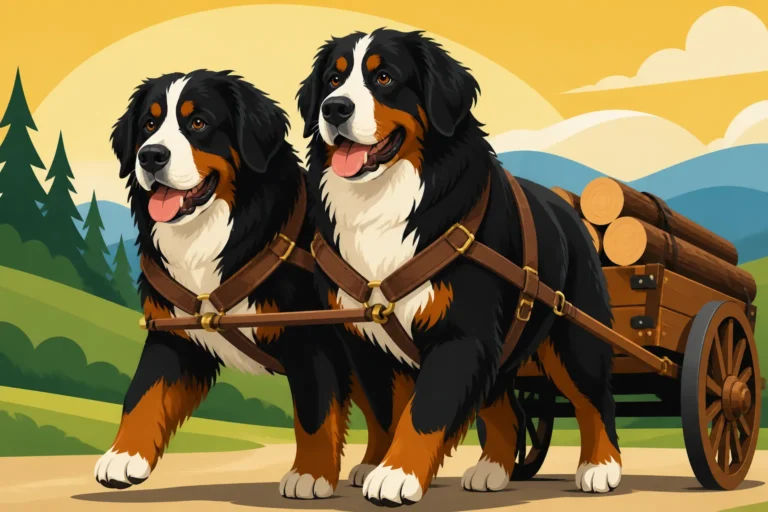
Draft work, or carting, is more than just a fun hobby; it's a testament to the Bernese Mountain Dog's heritage and innate abilities. These dogs were bred for centuries to assist farmers by pulling carts laden with milk, cheese, or other goods to market. This history imbues them with a natural aptitude and often, a deep enjoyment for the task.
What is Draft Work and Why Berners Excel At It?
Imagine the picturesque valleys of Switzerland, with strong, calm Bernese Mountain Dogs moving with purpose, their tricolor coats gleaming against the mountain backdrop, pulling small wagons filled with the day's produce. This isn't a romanticized fiction; it's the very origin of the breed. Berners were literally "draft dogs" – bred to haul. This means they possess a unique combination of physical attributes and temperament that makes them exceptionally suited for draft work today.
Physically, their sturdy bone structure, powerful build, and balanced gait are perfectly engineered for sustained pulling. They have deep chests for ample lung capacity and strong hindquarters for propulsion. Temperamentally, Berners are known for their biddable nature, their desire to please, and a calm, confident demeanor. They are generally steady under pressure, which is crucial when navigating a cart around obstacles or staying focused during a test. When a Berner "locks into" the harness and feels the weight of a cart behind them, you often see a shift in their expression – a look of profound satisfaction and purpose. It's truly a beautiful thing to witness and be a part of.
The Journey to Becoming a Carting Companion
Embarking on the draft work journey with your Bernese Mountain Dog is a marathon, not a sprint. It’s a gradual process that builds confidence, physical strength, and a shared understanding between you and your dog. You wouldn't expect a toddler to lift weights, and similarly, you shouldn't expect a young or inexperienced Berner to immediately embrace a full cart. The key is patience, positive reinforcement, and breaking down the process into small, manageable steps.
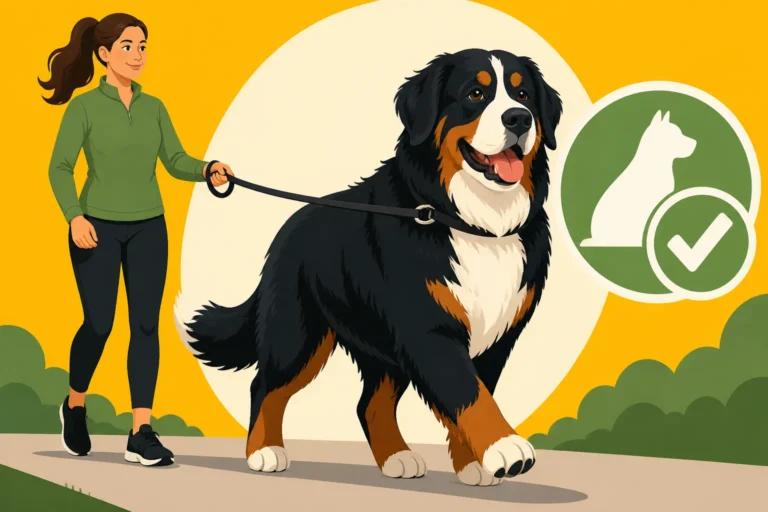
The very first steps involve getting your dog comfortable with wearing a special draft harness, distinct from their walking harness. It might feel strange to them at first, but with plenty of praise and treats, they'll soon associate it with good things. From there, you might move on to letting them drag a very light chain or a small, empty plastic bottle to get used to something being behind them. This initial conditioning is vital, not only for their physical development but also for their mental readiness. Starting slow and making it fun ensures your Berner associates draft work with a positive, enjoyable experience. This careful beginning lays the groundwork for more advanced tasks and helps prevent injuries or a loss of interest. Training a Bernese Mountain Dog to Pull a Cart delves into these initial training phases in more detail.
Deconstructing the Novice Draft Dog (DD) Title
The Novice Draft Dog (DD) title is the entry-level certification in draft work, designed to prove that a dog and handler team can safely and efficiently perform basic carting tasks. It's often overseen by breed clubs, like the Bernese Mountain Dog Club of America (BMDCA), ensuring a standardized level of competency. This title isn't about speed or hauling massive loads; it's about precision, control, and a harmonious working relationship.
The Core Requirements for the Novice Title
When we talk about "Novice," it truly means foundational. The expectations are realistic for a dog and handler just starting out. Your Berner needs to demonstrate a calm and controlled demeanor while hitched to a cart, showing that they are comfortable with the equipment and responsive to your commands. This includes navigating a designated course, performing specific maneuvers, and maintaining a solid "stay" while you move out of sight. The handler, too, is evaluated on their ability to communicate effectively with their dog and safely manage the equipment.
There are usually minimum age requirements to ensure the dog's bones and joints are mature enough for the physical demands, typically around 18-24 months. Both dog and handler need to be a registered team, and the dog must be in good physical condition. A judge assesses the team based on a clear set of criteria, looking for willingness, control, and safety. There's a real emphasis on the dog's enjoyment and confidence; a fearful or stressed dog will not pass. It's not a competition against other teams, but rather against a standard of performance.
Here's a breakdown of the typical elements involved in a Novice Draft Test:
| Element | Description | Key Skills Tested |
|---|---|---|
| Harnessing & Hitching | Dog allows handler to put on harness and hitch to cart calmly. | Cooperation, comfort with equipment, handler skill. |
| Freight Haul | Dog pulls a specified weight over a short, straight course. | Willingness to pull, steady pace, straight line. |
| Maneuvering | Dog navigates through a course, including turns and backing up. | Responsiveness to directional cues, control, precision. |
| Out-of-Sight Stay | Dog remains hitched and steady while handler walks out of sight for a period. | Trust, calmness, impulse control, reliable stay. |
| Controlled Retrieve | Optional, but commonly included. Dog retrieves an item while hitched. | Focus on handler, ability to multitask while harnessed. |
The Individual Exercises in a Novice Draft Test
Each section of the Novice Draft test is designed to assess specific skills crucial for practical and safe draft work. The freight haul, for instance, is typically a straightforward pull over a defined distance, often about 50-75 feet. The load is usually a modest weight, designed to demonstrate the dog's willingness and ability to pull, not their maximum strength. For a Bernese Mountain Dog, this might involve pulling about twenty pounds, which is a manageable weight for their size and strength. The Twenty Pound Load a Novice Berner Carts details the typical weight requirements and considerations. The judge observes the dog's attitude, the steadiness of their pull, and their ability to stay on course without veering. It’s not about speed, but about a controlled, purposeful movement.
The maneuvering portion often includes backing the cart up a short distance, making precise turns around cones or markers, and sometimes navigating through a narrow gate. These exercises test the dog's understanding of directional commands and their ability to control the cart's movement. Teaching a dog to back up with a cart is often one of the more challenging but rewarding skills to master, requiring clear communication and repetition. Teaching a Bernese Mountain Dog to Turn in Harness provides insights into these specific maneuvering skills.
Perhaps one of the most nerve-wracking elements for handlers is the out-of-sight stay. Here, your Bernese Mountain Dog must remain calmly hitched to the cart while you, the handler, walk away and disappear from their view for a set amount of time, typically a few minutes. This tests the dog's confidence, trust in you, and ability to hold a long, stationary command despite distractions. It truly is a test of their temperament and training, proving they are secure enough to be left with the equipment. The Group Stay a Bernese Mountain Dog Must Hold offers further guidance on developing this crucial skill.
Essential Equipment and Preparing Your Berner
Getting started with draft work requires the right tools, and for a Bernese Mountain Dog, that means a properly fitted harness and a suitable cart. Just like a well-fitting pair of shoes makes a hike enjoyable, the correct equipment makes draft work comfortable and safe for your dog.
Choosing the Right Harness and Cart
The single most critical piece of equipment is the draft harness. This is not your everyday walking harness. A draft harness is specifically designed to distribute pulling weight across your dog's chest and shoulders, preventing pressure on their throat or spine. It needs to fit snugly but comfortably, allowing full range of motion without chafing. A poorly fitting harness can cause discomfort, injury, or even make your dog dislike draft work entirely. Many specialized brands offer excellent draft harnesses, often available through retailers like Amazon, but seeking advice from an experienced draft enthusiast or club member is invaluable for ensuring a perfect fit. They can often recommend specific brands or custom makers known for quality and durability, especially for a large breed like the Bernese Mountain Dog. Fitting a Draft Harness to a Bernese Mountain Dog emphasizes the importance of a proper fit.
For the cart, you'll want to start with something lightweight and easy to maneuver. Many people begin with simple, two-wheeled carts or even just the shafts (the poles that attach to the harness) connected to a light object like a tire or a piece of wood. The goal is to get your dog accustomed to the sensation of pulling and having something behind them, without being overwhelmed by a heavy or cumbersome cart. As your Berner gains confidence and strength, you can graduate to slightly heavier, more robust carts, but for the Novice title, a basic, well-balanced cart is usually sufficient. Remember, safety first – ensure the cart is sturdy, has good wheels, and doesn't have any sharp edges that could injure your dog.
Building Confidence and Introducing the Gear
Introducing the harness and cart needs to be a positive experience from start to finish. Begin by simply letting your Berner sniff and investigate the harness. Praise them for curiosity, then gently put the harness on for very short periods, rewarding them with high-value treats and enthusiastic praise. Don't immediately hitch them to anything. Let them wear it around the house or yard for a few minutes, building a positive association.
Once they're comfortable with the harness, move on to the shafts. Again, allow them to investigate. You might hold the shafts yourself at first, letting them feel the pressure on their sides without being fully hitched. When you do hitch them, start by just walking a few steps, immediately unhitching, and showering them with praise. The goal is to make each step a non-threatening, rewarding game. If your Berner shows any apprehension, take a step back and make it easier. You want them to think, "Oh, this is fun! And I get treats!" rather than feeling anxious. Many online resources and training programs, such as those offered by BAXTER & Bella, advocate for positive reinforcement techniques that are perfect for building this kind of confidence and enthusiasm in your dog. Their methods can be particularly helpful for owners new to specialized training. Introducing a Bernese Mountain Dog to Shafts and Noise provides more detailed advice on this critical acclimatization process. Patience here pays dividends in the long run.
Training Strategies for Novice Draft Success
Earning the Novice Draft Dog title isn't just about having the right equipment; it's fundamentally about training. Your Bernese Mountain Dog needs to understand and respond to specific commands, especially when hitched to a cart. Solid obedience is the bedrock of safe and successful draft work.
Mastering Basic Obedience Commands in Harness
Before your Berner can confidently pull a cart through a test, they need an absolutely rock-solid foundation in basic obedience. Commands like "stay," "come," and "wait" are not just polite manners; they are critical safety cues in draft work. Imagine trying to maneuver a cart and a hundred-pound dog if they decide to bolt or ignore your "stay" command mid-course! Your "stay" needs to be reliable under distraction and for increasing durations. Practice "stay" with your dog in their draft harness, then with the shafts attached, and finally with the full cart. Slowly introduce minor distractions, always rewarding consistency.
Equally important are directional cues. While "left" and "right" are common, many draft handlers use traditional carting terms like "gee" (right) and "haw" (left). Start teaching these without the cart, using lures and body language, and then integrate them into your carting sessions. Your Bernese Mountain Dog needs to respond to these cues promptly, often with just a verbal command, as your hands will be busy with the cart's shafts. Building this strong communication bond means your dog will respond reliably even when excited or focused on the task. Many Berners are highly motivated by food, making high-value treats an excellent reward during these training sessions. What a Bernese Mountain Dog Will Actually Work For explores various motivators for your Berner.
Practicing the Specific Test Elements
Once your Berner has a grasp of basic obedience with the equipment, it's time to break down the individual test elements and practice them. For the freight haul, start with a very light load, perhaps just the empty cart, and practice walking a straight line. Gradually add weight, ensuring your dog maintains a steady pace and a straight track. The goal is consistency and calmness, not speed. Celebrate every successful straight pull!
The maneuvering section, including turns and backing, requires more deliberate practice. Start by just working on the turns, exaggerating your body language and using your verbal cues. When teaching "back," you might initially stand in front of your dog with the cart hitched and gently back them up with a treat lure, saying your "back" command. Gradually increase the distance and fade your physical assistance. Teaching a Bernese Mountain Dog to Back a Cart Up offers practical steps for this often challenging maneuver. For the out-of-sight stay, begin with short absences, staying just out of view for a few seconds, then gradually extend the time. Always return and reward your dog for holding the position. The more you simulate the actual test conditions in a positive, low-pressure way, the more prepared your Berner will be on test day.
Overcoming Common Challenges and Enjoying the Process
Even with the best intentions and training plans, you're bound to encounter a few bumps in the road when preparing for the Novice Draft title. It's part of the journey, and understanding how to navigate these challenges will make the experience more rewarding for both you and your Bernese Mountain Dog.
Addressing Reluctance, Distractions, and Handler Errors
Sometimes, your Berner might show reluctance. Perhaps they're suddenly wary of the cart after a loud noise, or they're just having an "off" day. The key here is not to force it. If your dog is showing fear or anxiety, go back a step. Make the task easier, shorten the session, and end on a positive note. For example, if they're hesitant to pull, just reward them for standing calmly in the harness. Distractions are another big one – a squirrel, another dog, or a new smell can instantly break your Berner's focus. Practice in increasingly distracting environments, but always start in a quiet, familiar place. Gradually expose them to more stimuli, always keeping sessions short and positive.
And let's be honest, sometimes we are the problem. Inconsistent cues, impatience, or frustration can easily confuse and demotivate your intelligent but sensitive Bernese Mountain Dog. Take a deep breath, review your training plan, and consider recording yourself to identify any handler errors. Maybe your verbal cues aren't clear, or your body language is sending mixed signals. Remember, your Berner wants to please you, but they rely on your clear guidance. If a specific behavior isn't happening, it's usually a breakdown in communication or an unmet need on the dog's part.
The Importance of Community and Continued Learning
You don't have to go it alone! The draft work community is typically incredibly supportive and welcoming. Finding a local draft club or experienced mentors can make all the difference. These individuals have navigated the challenges you're facing and can offer invaluable advice, troubleshooting tips, and even lend equipment for you to try. Practicing with other dogs and handlers, even if it's just during informal meetups, is also hugely beneficial. It exposes your Berner to working in a group, teaches them to focus amidst distractions, and provides a social outlet. Where to Find a Bernese Mountain Dog Draft Club details how to connect with these valuable resources.
Beyond the Novice title, draft work offers many opportunities for continued learning and progression. There are advanced titles that involve more complex maneuvering, heavier loads, and even brace work (two dogs pulling together!). But even if you never pursue another title, the process of training for the Novice Draft Dog title will deepen your bond with your Bernese Mountain Dog, provide them with mental and physical stimulation, and connect you to a wonderful community of like-minded enthusiasts. Celebrate every small victory – a successful turn, a calm stay, or simply a happy wagging tail at the sight of the harness. The journey itself is often more rewarding than the destination.
Disclaimer
This article is for general informational purposes only and does not constitute professional advice. Laws, prices and regulations vary by location and change over time. Consult a qualified professional for guidance on your specific situation.