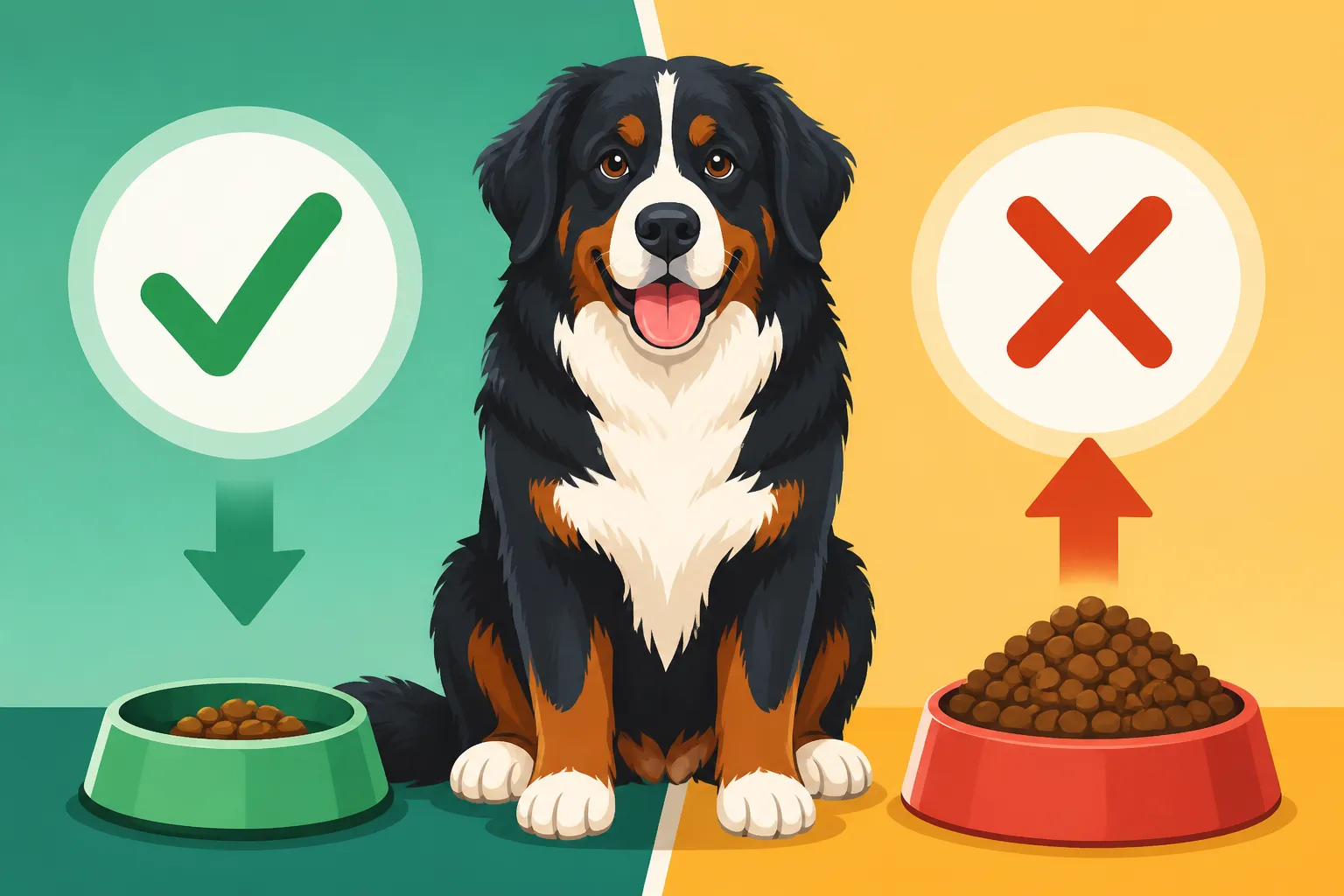
Whether a Neutered Bernese Mountain Dog Needs Less Food
Bringing your beloved Bernese Mountain Dog home after their neutering procedure marks a significant milestone in their life, and it's completely natural to start thinking about the changes this might bring. One of the biggest worries many Berner parents face is how to keep their gentle giant at a healthy weight, especially when there's anecdotal evidence suggesting neutered dogs gain weight more easily. You're not alone in wondering if your neutered Bernese Mountain Dog now needs less food, and the simple answer is, for most dogs, yes, a dietary adjustment is usually in order. This guide will walk you through the metabolic shifts, how to adjust their diet, and the lifestyle changes that will help keep your Berner happy and healthy for years to come.
Understanding the Metabolic Shift Post-Neutering
The decision to neuter your Bernese Mountain Dog is often made for a variety of health and behavioral reasons, but it also brings about a profound change in their physiology. It’s not just about preventing unwanted pregnancies; it’s about a whole new hormonal landscape that directly impacts their metabolism and energy requirements. Ignoring this shift can lead to slow, steady weight gain that might seem innocuous at first but can have significant long-term health consequences for a large breed like the Bernese.
The Hormonal Impact on Energy Needs
When a male Bernese Mountain Dog is neutered, or a female is spayed, their reproductive organs are removed. This surgical procedure leads to a decrease in sex hormones like testosterone in males and estrogen in females. These hormones play a crucial role in regulating metabolism and appetite. For example, testosterone can contribute to a higher muscle mass and a more active metabolism, while estrogen has a complex interplay with energy expenditure. With these hormones significantly reduced or absent, a dog's basal metabolic rate – the number of calories their body burns at rest – typically lowers.
Imagine your Berner's body as a furnace. Before neutering, the furnace was running hotter, burning more fuel (calories) just to maintain normal body functions, partly due to the influence of those sex hormones. After neutering, it's like someone turned down the thermostat a notch; the furnace still works, but it needs less fuel to maintain the same internal temperature. This means that if you continue to feed your neutered Bernese Mountain Dog the exact same amount of food they were eating before, they will likely be consuming more calories than their body now needs, leading to an energy surplus that is stored as fat. This metabolic slowdown isn't always drastic overnight, which is why it can be so sneaky, creeping up on owners who aren't actively monitoring.
The Risk of Weight Gain in Bernese Mountain Dogs
For a breed as magnificent and substantial as the Bernese Mountain Dog, even a few extra pounds can make a significant difference. These dogs are already prone to certain orthopedic conditions due to their rapid growth rate and sheer size. Conditions like hip and elbow dysplasia, common concerns for Berners, can be severely exacerbated by excess weight. Each pound of extra weight puts additional strain on their joints, accelerating the onset or worsening the severity of arthritis. It’s a sad reality, but many Berners develop Arthritis in a Bernese Mountain Dog by Six, and keeping them lean is one of the best preventative measures you can take.
Beyond joint health, obesity in Bernese Mountain Dogs, like in humans, can lead to a host of other health issues. It increases the risk of heart disease, diabetes, certain types of cancer, and can even contribute to respiratory problems, especially during warmer months when their thick coats already pose a challenge. An overweight Berner might be less inclined to play, less agile, and generally less comfortable, impacting their quality of life. Owners might notice their dog slowing down, being less enthusiastic about walks, or struggling to get up from a lying position. These aren't just signs of aging; they can often be directly linked to carrying too much weight, potentially shortening their already precious lifespan. Whether a Lean Bernese Mountain Dog Lives Longer is a question that many Berner owners ponder, and the answer is usually a resounding yes.
Early Signs of Weight Creep
Because the weight gain can be gradual, it's easy to miss the early signs that your neutered Bernese Mountain Dog is putting on a few extra pounds. Regularly assessing your dog's body condition is crucial. You should be able to easily feel, but not necessarily see, their ribs when you gently run your hands along their side, without pressing hard. There should be a noticeable tuck in their waist when viewed from above, and from the side, their abdomen should rise up towards their hind legs rather than hanging low.
Beyond physical assessment, pay attention to their behavior. Are they becoming less enthusiastic about walks or playtime? Are they panting more easily? Do they seem generally sluggish? Sometimes, subtle changes in coat quality can also be an indicator of overall health, including weight management issues. Another tell-tale sign is the "food obsession" – are they constantly begging for scraps, even more so than before? While Berners are known for their loving, sometimes clingy nature, an excessive focus on food could mean their caloric needs are being met too easily, or they're just not feeling full enough from their current portions due to the metabolic shift. Don't wait until it's obvious; proactive monitoring can prevent serious issues. What a Fit Bernese Mountain Dog Should Weigh gives excellent guidelines, and you should always compare your Berner to these standards.
| Factor | Intact Bernese Mountain Dog | Neutered Bernese Mountain Dog |
|---|---|---|
| Metabolic Rate | Generally higher | Generally lower (by 20-30% on average) |
| Hormonal Influence | Present (testosterone/estrogen) | Reduced or absent |
| Energy Expenditure | Higher due to reproductive drive/hormones | Lower, less energy burned at rest |
| Appetite Tendency | Varies, but often less prone to overeating | Can increase post-neutering |
| Risk of Weight Gain | Lower | Higher |
| Exercise Requirement | High | Still high, but critical for weight management |
How to Adjust Your Neutered Bernese Mountain Dog's Diet
Once you understand that a change is needed, the next step is figuring out how to adjust your Bernese Mountain Dog's diet. This isn't about drastic starvation or complicated formulas, but rather a thoughtful, gradual approach to match their new metabolic reality. Remember, consistency and careful measurement are your best friends here.
Calculating Caloric Needs
The rule of thumb often cited by veterinarians is that neutered dogs may require 20-30% fewer calories than their intact counterparts to maintain the same healthy weight. However, this is a general guideline, not a hard and fast rule for every single dog. Your Berner's individual metabolism, age, activity level, and overall health condition all play a role. A young, neutered Berner who still bounces around like a puppy all day will naturally need more calories than an older, slower Berner who prefers naps on the couch.
The best way to start is by consulting your veterinarian. They can provide specific recommendations based on your dog's current weight, ideal weight, and activity level. Many vets use formulas that take these factors into account to give you a starting daily caloric intake. Once you have that number, you can then look at your dog food's packaging, which usually lists the caloric content per cup or per serving. From there, you can adjust the volume of food you offer. It's often best to make these changes gradually, reducing their food intake by about 5-10% initially and monitoring their weight over a few weeks. If they continue to gain, you can slightly reduce it further; if they start to lose too much, you can increase it a little. This slow and steady approach helps prevent digestive upset and allows you to fine-tune the amount. How Much an Adult Bernese Mountain Dog Eats offers more general insights into typical feeding amounts for the breed.
Choosing the Right Food
With so many dog food options available, choosing the "right" one can feel overwhelming. For a neutered Bernese Mountain Dog, particularly one prone to weight gain, opting for a food formulated for "weight management," "senior," or "large breed" can be beneficial. These formulas often have a slightly lower calorie density, higher fiber content to help your dog feel full, and appropriate protein levels to maintain muscle mass.
When you're browsing online at retailers like Chewy or Amazon, you'll find a wide selection of brands offering these specialized diets. Look for ingredients that list real meat as the first component, and be wary of excessive fillers. Some owners even explore fresh dog food options, such as services like Ollie, where meals are often pre-portioned and can be customized to your dog's specific caloric needs and health goals, offering a precise way to manage intake. Remember, the quality of the ingredients matters just as much as the quantity. A nutrient-dense food will keep your Berner feeling satisfied and provide them with all the essential vitamins and minerals without an excess of empty calories. Don't forget that Feeding an Adult Bernese Mountain Dog Safely means selecting food that supports their overall health, not just manages weight.
Meal Frequency and Portion Control
The way you feed your Bernese Mountain Dog is just as important as what and how much you feed them. For many large breeds, dividing their daily caloric intake into two or even three smaller meals is often recommended. This can help prevent them from feeling overly hungry between meals and can also mitigate the risk of bloat, a serious concern for deep-chested breeds like the Bernese Mountain Dog.
The most critical aspect of portion control is precise measurement. Eyeballing amounts can lead to significant caloric creep over time. Invest in a dedicated measuring cup or, even better, a kitchen scale to accurately weigh out their kibble or fresh food. This ensures that every meal provides the exact caloric intake you've determined. Stick to a consistent feeding schedule; dogs thrive on routine, and knowing when their meals are coming can reduce anxiety and begging behaviors. Make sure the feeding area is calm and free of distractions. If you have multiple pets, ensure they eat separately to prevent food theft or competition, which can disrupt careful portioning. This discipline with meal frequency and exact portions will be the cornerstone of effective weight management for your neutered Berner.
Beyond the Bowl: Exercise and Lifestyle Adjustments
While diet is paramount, managing your neutered Bernese Mountain Dog's weight isn't solely about what goes into their food bowl. A holistic approach that includes consistent physical activity and mindful treating is essential to maintaining a healthy weight and ensuring their overall well-being. Think of it as a partnership between smart nutrition and an active lifestyle.
Maintaining an Active Lifestyle
Bernese Mountain Dogs, despite their calm demeanor indoors, were bred for demanding work in the Swiss Alps, meaning they have a natural need for regular, moderate exercise. After neutering, while their metabolic rate might dip, their need for physical activity remains vital for burning calories, maintaining muscle tone, and supporting joint health. Consistent daily walks, appropriate for their age and fitness level, are crucial. For a healthy adult Berner, this might mean 30-60 minutes of brisk walking or hiking each day, potentially broken into a couple of sessions.
Beyond structured walks, incorporate playtime that encourages movement. Fetch with a soft toy, gentle tug-of-war, or even exploring new environments can keep them engaged and active. Consider activities like Backpacking With a Bernese Mountain Dog as they age, which can be a fantastic way to keep them fit. Remember, high-impact activities should be approached with caution, especially for a large breed susceptible to joint issues. Swimming can be an excellent low-impact exercise for Berners, especially during warmer months or if they have existing joint discomfort. The key is consistency and finding activities your individual Berner enjoys, making exercise a fun part of their daily routine rather than a chore.
Mindful Treating and Snacking
Treats are often a huge source of hidden calories, and it's easy to overdo it, especially when your Berner gives you those soulful eyes. After neutering, you'll need to be even more mindful about the treats and snacks you offer. This doesn't mean no treats at all – they're invaluable for training and bonding – but rather, choosing wisely and counting them into their daily caloric allowance.
Opt for low-calorie, healthy treat options. Many dog food brands offer specific "lite" treats. You can also use small pieces of healthy human foods, like carrots, green beans, or apple slices (without seeds), as long as they are safe for dogs. If you're doing a training session, break larger treats into tiny, pea-sized pieces to maximize their impact without overloading on calories. Consider reducing the portion of their main meal slightly on days when you give more treats, to balance the overall caloric intake. Remember that even tasty chews or dental sticks add calories, so account for them. When you are buying treats, whether it's from Chewy, Amazon, or a local pet store, always check the caloric content and ingredients. Think of every treat as a mini-meal, and you'll be on the right track.
Regular Vet Check-ups
Even with the most diligent efforts at home, regular veterinary check-ups are absolutely indispensable for monitoring your neutered Bernese Mountain Dog's weight and overall health. Your vet can provide an objective assessment of your dog's body condition score, which is a standardized way to evaluate whether they are underweight, ideal, or overweight. They have the tools and expertise to spot subtle changes that you might miss, and can help you adjust their diet and exercise plan as needed.
During these visits, your vet can weigh your Berner, measure them, and palpate their ribs and spine to accurately assess their fat cover. They can discuss any concerns you have about appetite, energy levels, or joint comfort. They can also rule out any underlying medical conditions that might contribute to unexplained weight gain, although this is less common after neutering. These check-ups are also a great opportunity to ask about specific diet brands or supplements that might benefit your Berner's joint health, especially if they are getting older. Think of your vet as your primary partner in ensuring your magnificent Bernese Mountain Dog lives their longest, healthiest, and happiest life. Consider a schedule of Seeing the Vet Twice a Year With a Berner as they age, to catch any issues early.
Managing your neutered Bernese Mountain Dog's weight is a commitment, but it's one of the most loving things you can do for them. By understanding the metabolic changes, carefully adjusting their diet, ensuring regular exercise, and maintaining open communication with your veterinarian, you can help your Berner thrive and continue to be the joyous, affectionate companion you cherish.
Disclaimer
This article is for general informational purposes only and does not constitute professional advice. Laws, prices and regulations vary by location and change over time. Consult a qualified professional for guidance on your specific situation.