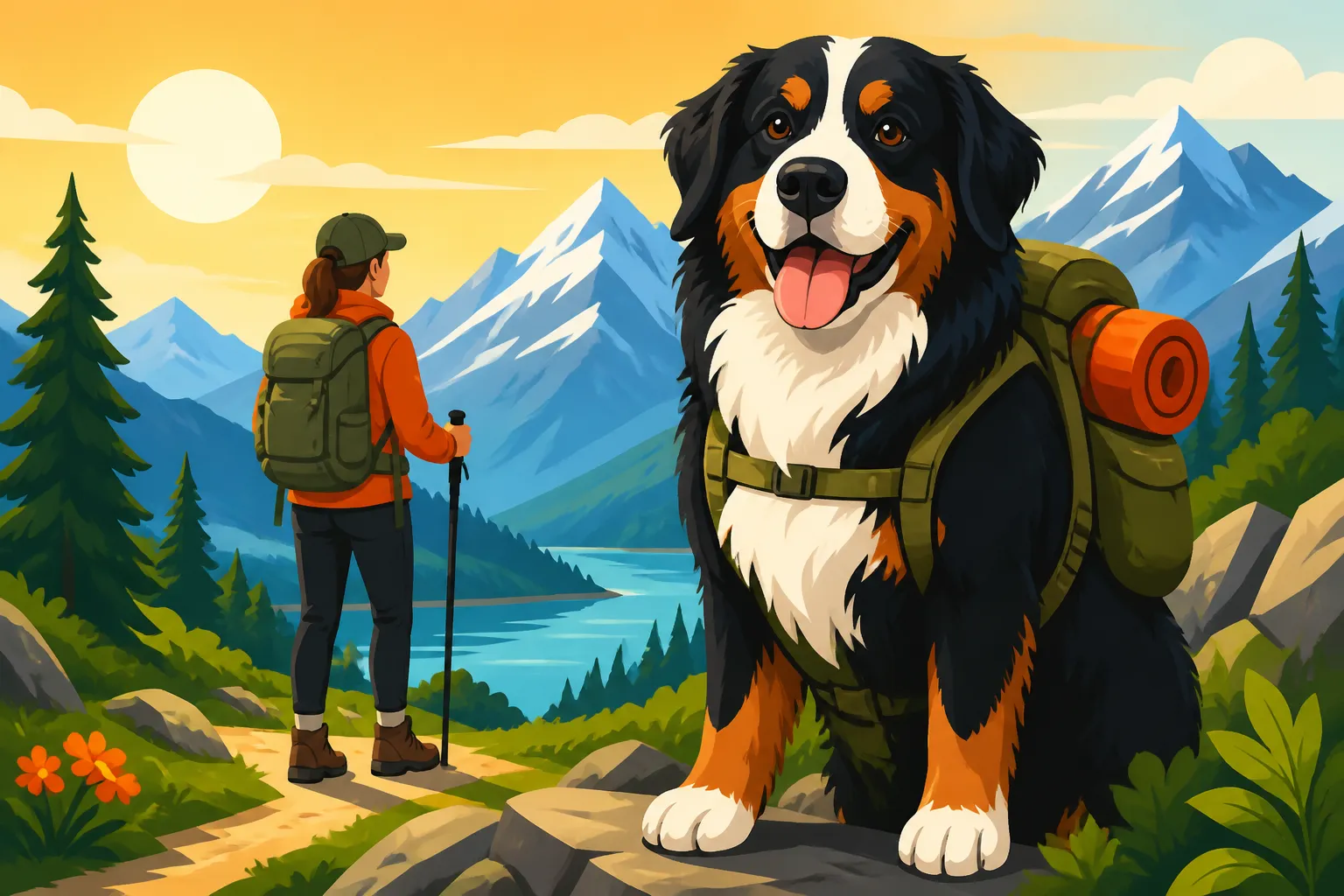
Backpacking With a Bernese Mountain Dog
There’s a special kind of joy that comes from sharing the great outdoors with your beloved Bernese Mountain Dog. Imagining those stunning tricolor coats against a backdrop of towering pines or sweeping mountain vistas is a dream for many of us. But let’s be real: taking a large, double-coated, often sensitive dog like a Berner on a multi-day backpacking trip isn’t quite the same as a quick stroll around the block. This guide is here to walk you through everything you need to consider, from physical preparation to essential gear and trail etiquette, to ensure your backpacking adventures with your furry companion are safe, enjoyable, and truly unforgettable.
Is Your Bernese Mountain Dog Physically Ready for Backpacking?
Before you even start looking at trails and packing your own gear, the absolute first step is to honestly assess your Bernese Mountain Dog's physical condition and readiness for the rigors of backpacking. These aren't small dogs, and their unique physiology means we need to be extra mindful of their limitations and strengths.
Assessing Your Berner's Age and Health
The age and overall health of your Bernese Mountain Dog are critical factors. You wouldn't send a toddler to climb Everest, and the same careful consideration applies to your Berner.
- Puppies and Young Dogs: While a Bernese Mountain Dog puppy might be bursting with energy, their bones and joints are still developing rapidly. Putting too much strain on them too early can lead to irreversible damage. Their growth plates don't fully close until they are often 18-24 months old, sometimes even later for larger males. High-impact activities like long hikes with a pack on their back can be incredibly detrimental. Think of it like this: a growing Bernese is essentially a giant baby in a rapidly expanding body. They need controlled exercise to build muscle and bone density gradually, not intense, sustained effort. Always follow guidelines like The Five Minute Rule and a Bernese Mountain Dog Puppy, which suggests limiting exercise to five minutes per month of age.
- Adult Dogs: For adult Berners, assuming they are past their rapid growth phase, the focus shifts to their general health and fitness. A thorough veterinary check-up is non-negotiable before embarking on any strenuous activity like backpacking. Your vet can perform a physical exam, assess their heart and lung function, and discuss any pre-existing conditions. Many Bernese Mountain Dogs are prone to Joint Disease in a Hundred Pound Bernese Mountain Dog, such as hip and elbow dysplasia, even if they've had their OFA Clearances a Bernese Mountain Dog Should Have. Even a mild case can be exacerbated by carrying weight or navigating uneven terrain. Conditions like The Bernese Mountain Dog Whose Back Legs Give Out (Degenerative Myelopathy) can also start subtly and would make backpacking unsuitable. A comprehensive The Bernese Mountain Dog Health Panel will give you a good baseline of their internal health, too.
- Senior Dogs: As Bernese Mountain Dogs age, they inevitably slow down. Arthritis in a Bernese Mountain Dog by Six is sadly common. While they might still enjoy gentle walks, the demands of backpacking—uneven ground, long distances, temperature fluctuations, and carrying a pack—can be too much. It's vital to recognize when their body is telling you "no." Pushing an older dog beyond their comfort zone isn't kind; it's detrimental to their well-being and can lead to pain and injury. Your vet can advise on appropriate activity levels and whether joint supplements in a Joint Supplements in a Bernese Mountain Dog's Bowl could offer some comfort for daily life, but they won't make an unsuitable dog suitable for backpacking.
Building Stamina and Endurance Safely
Once you’ve got the vet’s blessing and determined your Berner is physically mature and healthy enough, it’s time to start a conditioning program. You wouldn't run a marathon without training, and neither should your dog.
- Gradual Progression: Start with short, easy hikes on familiar, even terrain. Gradually increase the duration and difficulty of your walks over several weeks, or even months, leading up to your trip. Pay close attention to how your Bernese responds. Are they lagging behind? Are they panting excessively? Do they seem reluctant to move? These are all signs you need to slow down or shorten your outings. Remember, with their thick double coat and generally lower heat tolerance, Heat and the Bernese Mountain Dog's Black Coat means they can overheat much faster than you might, especially if they're out of condition.
- Varied Terrain: Don’t just stick to pavement. Introduce them to trails with roots, rocks, inclines, and declines. This helps strengthen different muscle groups and improves their balance and coordination, which will be essential on more challenging backpacking routes. Think about how many different types of surfaces they’ll encounter.
- Monitoring for Discomfort: Bernese Mountain Dogs are often stoic and may try to push through pain or discomfort to please you. You need to be vigilant for subtle signs that Whether a Bernese Mountain Dog Hides Discomfort or fatigue. This could include a slight limp, excessive panting even after resting, changes in gait, or a general reluctance to engage. After your conditioning hikes, carefully check their paws for scrapes or blisters and feel their joints for swelling or tenderness. Being proactive can prevent a minor issue from becoming a trip-ending injury. Always be mindful of The Temperature a Bernese Mountain Dog Stops Coping – if it’s too hot for them, reschedule.
- Practice with a Pack: Once your Berner is fit for long hikes, introduce the backpacking pack gradually. Start with an empty pack for short walks, then slowly add light weight. This helps them get accustomed to the feel and balance. Never overload them. A general rule of thumb is that a dog should carry no more than 10-12% of their body weight, and for a large breed like a Berner, I’d lean towards the lower end of that, especially for multi-day trips.
Essential Gear for Your Bernese Mountain Dog Backpacking Adventure
Having the right gear is just as important for your Bernese Mountain Dog as it is for you. Investing in high-quality, appropriate equipment will enhance their comfort, safety, and overall enjoyment on the trail.
Choosing the Right Dog Backpack
This is perhaps the most critical piece of equipment your Berner will wear. A poorly fitting pack can cause chafing, discomfort, and even injury.
- Fit and Comfort: Look for packs designed specifically for deep-chested breeds, or at least with significant adjustability around the chest and girth. The pack should sit snugly but not restrict movement or breathing. It should allow for full range of motion in their shoulders and hips. Padded straps and a breathable material will help prevent chafing, especially in their armpits and behind their elbows. When trying on a pack, ensure you can slide two fingers comfortably under all straps.
- Weight Distribution: A good dog backpack will distribute weight evenly across your dog's back, ideally with panniers (saddlebags) that sit low and balance the load on either side. Avoid packs where the weight shifts or bunches up, as this can strain your dog's spine and joints. The goal is to make them feel as balanced as possible, even with a shifting load.
- Capacity Considerations: Think about what your Berner can carry. Usually, this means their own food, collapsible water bowls, and perhaps a small toy or first-aid items. For a 100-pound Bernese, a 10-12 pound load is a good starting point for conditioning, and for actual long trips, you might want to aim even lighter, especially if they are new to it. You, the human, will still be carrying the majority of the communal gear and safety items.
- Durability and Features: Look for durable, weather-resistant materials. Reflective trim is a bonus for visibility, and a sturdy top handle can be invaluable for assisting your Berner over obstacles or through tricky spots. Brands found on platforms like Amazon often have customer reviews that can help you assess fit and durability for larger breeds, though specific models can vary.
Hydration and Nutrition on the Trail
Keeping your Bernese Mountain Dog well-hydrated and adequately fed is paramount for their energy levels and health, especially when they're exerting themselves.
- Water, Water, Everywhere: This can't be stressed enough. Berners are prone to overheating, and proper hydration is key. Pack plenty of water for your dog, often more than you think they'll need. Collapsible water bowls are indispensable – lightweight and easy to deploy. Consider a hydration bladder for yourself with an extra tube or a portable dog water bottle that allows them to drink directly from it. Even if there are water sources on the trail, always filter or treat water for your dog just as you would for yourself to prevent giardia and other parasites.
- Increased Calorie Needs: Backpacking is physically demanding. Your Berner will burn more calories than on a typical day. You might need to increase their food ration by 25-50%, depending on the duration and intensity of the hike. Pack their regular high-quality kibble in sturdy, waterproof bags. Portion it out per meal to make feeding easier on the trail.
- Energy Boosts and Treats: High-value, calorie-dense treats are great for motivation and quick energy boosts. They can also be a vital tool for positive reinforcement during training moments on the trail. Ensure they are easy to access in your own pack or a readily accessible pouch on your dog’s pack. For general health, make sure they are up to date on their Flea, Tick and Worm Doses at Bernese Mountain Dog Weight before you head out, as parasites are common in the wilderness.
Safety and Comfort Items
Beyond the pack itself, a few other items are non-negotiable for your Berner's safety and comfort.
- Dog First Aid Kit: This is a must-have. Include items like antiseptic wipes, gauze, vet wrap, sterile saline solution, tweezers (for splinters or ticks), a non-stick pad, and any specific medications your dog takes. Consider a pet-safe pain reliever (consult your vet first) for emergencies. Knowing basic canine first aid is also crucial.
- Paw Protection: The varied terrain of a backpacking trail can be rough on paws. Sharp rocks, hot pavement, thorns, or even excessive moisture can cause injury. Consider dog booties, especially if your Berner has sensitive paws or if you anticipate particularly harsh terrain. Introduce these at home during training walks so they are accustomed to wearing them.
- Leash, Collar, and ID: Even if your dog has impeccable recall, a leash is vital for safety, compliance with trail rules, and unexpected encounters. Ensure their collar is secure and holds current ID tags with your contact information. A hiking harness offers better control and comfort than just a collar.
- Sleeping Comfort: While your Berner’s thick coat offers some insulation, a sleeping pad or blanket for them inside your tent or shelter can provide extra warmth and comfort, especially on cold nights. Their large size means they'll appreciate a bit of cushioning from the hard ground.
- Lights: If you anticipate hiking in low light or camping overnight, a reflective collar or a small, attachable LED light can make your dog much more visible to you and others.
Training and Trail Etiquette for a Harmonious Hike
Bringing your Bernese Mountain Dog on a backpacking trip means they need to be more than just physically fit; they need to be well-behaved and responsive to your commands in potentially high-distraction environments.
Obedience and Control are Key
A well-trained dog is a safe and enjoyable hiking companion. Basic obedience takes on a whole new level of importance in the backcountry.
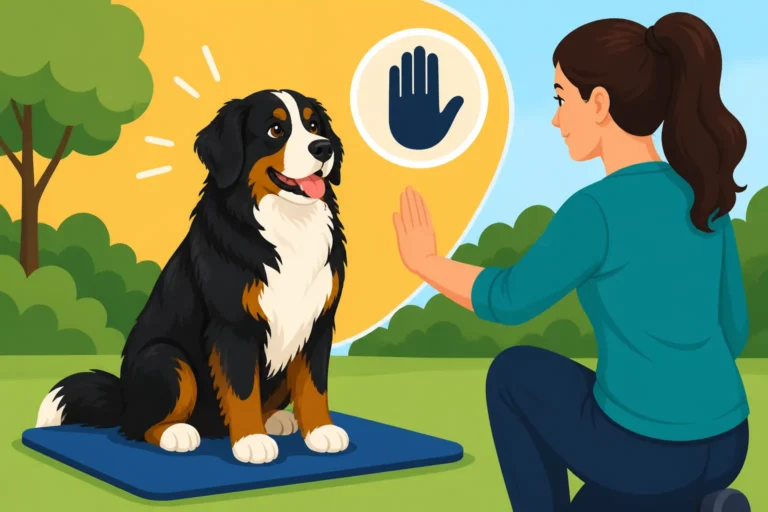
- Reliable Recall: This is non-negotiable. Your "come" command needs to be foolproof, even with tempting distractions like wildlife, other hikers, or enticing smells. Practice in increasingly distracting environments. Imagine your Berner off-leash in a dense forest, suddenly spotting a deer – their instinct to chase can be powerful, and you need to be able to call them back immediately for their safety and the safety of wildlife.
- Loose-Leash Walking: A hundred-pound Bernese Mountain Dog pulling on the leash can quickly become dangerous, especially on narrow trails or steep descents. Leash Manners on a Hundred Pound Bernese Mountain Dog is paramount. Practice walking politely by your side, even with their pack on, ensuring they understand that you set the pace. This also applies to navigating tricky sections where you might need them to walk slightly ahead or behind you.
- "Leave It" Command: This command is invaluable for preventing your Berner from investigating questionable plants, animal carcasses, or dropped human food that could be harmful. It's also crucial for politely ignoring wildlife or other dogs.
- Proofing Commands: Don't assume that because your Berner obeys in your backyard, they will in the wilderness. Practice commands in new places, with new smells, sights, and sounds. This is where a resource like BAXTER & Bella's online training programs can be incredibly useful, offering structured lessons to build reliable obedience skills that translate to real-world scenarios.
Trail Manners and Wildlife Encounters
Being a responsible dog owner on the trail extends beyond just controlling your dog; it involves respecting other users and the environment.
- Leash Laws and Courtesy: Always know and obey local leash laws. Many wilderness areas require dogs to be on a leash for their safety, wildlife protection, and the comfort of other hikers. Even if off-leash is permitted, consider keeping your Berner leashed in high-traffic areas or when encountering others. A large, friendly Bernese can still intimidate people, especially children, who may not be accustomed to such a big dog. Call your dog to your side and have them sit or heel when passing others.
- Packing Out Waste: This is a golden rule of "Leave No Trace." Always pack out your dog's waste, just as you would your own. Biodegradable bags are fine for collection, but they still need to be carried out and disposed of properly. Do not simply kick it off the trail; it takes a long time to decompose and can spread disease.
- Respecting Wildlife: Your Bernese Mountain Dog's instinct might be to chase or investigate wildlife. This is dangerous for both your dog and the animals. Keep your dog leashed and under control, and use your "leave it" command. This includes not allowing them to drink from or wade in natural water sources if it disturbs local fauna or pollutes the water for others. Learn How a Bernese Mountain Dog Behaves Around Strange Dogs and ensure they are always under control.
- "No Barking" Rule: Excessive barking on the trail can disturb wildlife and other hikers seeking peace and quiet. Work on training your Berner to be quiet on command or to not bark unnecessarily.
Planning Your Backpacking Route and Conditions
Careful planning of your route and an awareness of environmental conditions are paramount to a successful and safe backpacking trip with your Bernese Mountain Dog.
Selecting Dog-Friendly Trails
Not all trails are created equal, and not all are suitable for a Bernese Mountain Dog, regardless of how well-trained they are.
- Research Regulations: Before you even set foot out the door, thoroughly research the specific rules and regulations of the parks, forests, or wilderness areas you plan to visit. Some areas may not allow dogs at all, others may require them to be on a leash at all times, and some might have restrictions on certain trails or during specific seasons. It's often helpful to check the official website of the land management agency (e.g., National Park Service, Forest Service) or call the local ranger station directly. This ensures you're not caught off guard and have to turn back.
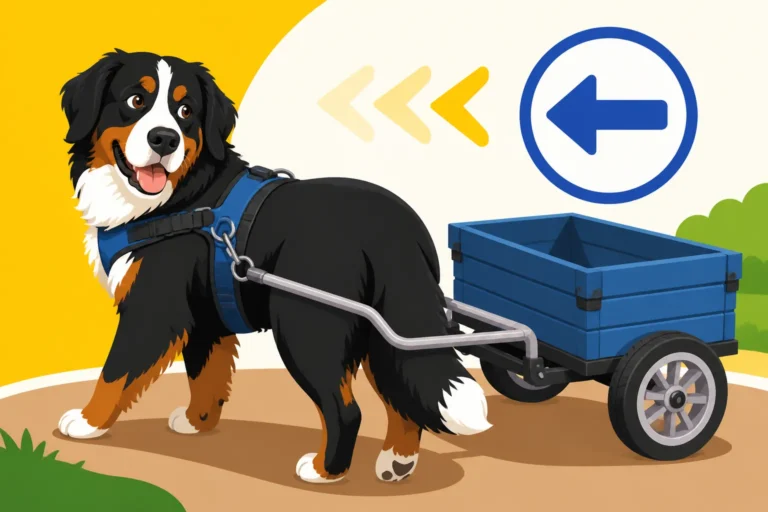
- Terrain Assessment: Bernese Mountain Dogs, with their sturdy build and potential for joint issues, are generally not ideal for extremely technical, rocky, or heavily boulder-strewn trails. While they are agile for their size, prolonged navigation of such terrain can put undue stress on their hips, elbows, and paws. Look for trails with a relatively clear path, gentle to moderate inclines, and manageable water crossings. Consider what Building a Bernese Mountain Dog's Fitness for Draft Work might entail in terms of varied terrain; while draft work is different, the principle of building strength for varied ground is similar.
- Length and Elevation: Be realistic about the distance and elevation gain your Berner can comfortably handle, especially when carrying a pack. A 10-mile day with a 2,000-foot elevation gain is very different from a 10-mile day on flat ground. Start with shorter, flatter routes and gradually increase the challenge as your dog's fitness improves. Remember that What a Bernese Mountain Dog Weighs at Each Month can give you an idea of their growth progress, but it doesn't tell you anything about their actual muscle development or endurance for sustained work. Always prioritize your dog's well-being over your mileage goals.
Weather and Environmental Considerations
The weather, especially temperature, can make or break a backpacking trip with a Bernese Mountain Dog. Their thick coat, built for cold Swiss winters, makes them highly susceptible to heat.
- Avoiding Heat and Humidity: This is perhaps the single most critical environmental factor for a Bernese Mountain Dog. High temperatures and humidity are dangerous for Berners. Their dense double coat means they struggle to dissipate heat, making them prone to overheating and potentially life-threatening heatstroke. Avoid backpacking during the hottest months of the year or in hot climates. Plan your hikes for early mornings or late evenings when temperatures are cooler. If you're planning a trip to a warmer region, make sure you understand Getting a Bernese Mountain Dog Through Summer and the dangers of The Temperature a Bernese Mountain Dog Stops Coping.
- Cold Weather Protection: While Berners generally thrive in cooler weather, extreme cold can still pose a risk, especially if they are wet or resting for extended periods. If camping in freezing temperatures, ensure your dog has adequate insulation, such as a dog jacket (yes, even a Berner can benefit in extreme cold) and a warm sleeping pad in the tent. Watch for signs of hypothermia like shivering, lethargy, or a slowed heart rate.
- Hazard Awareness: Beyond temperature, be aware of other environmental hazards. This includes poisonous plants, venomous snakes, and sharp rocks or thorny bushes that could injure paws. Check your dog thoroughly for ticks after every hike, especially in wooded or grassy areas, to prevent tick-borne diseases. Being prepared for these risks is part of responsible dog ownership on the trail.
Essential Dog Backpacking Gear Checklist
To help you organize, here's a quick checklist of crucial items for your Bernese Mountain Dog's backpacking adventure.
| Item | Purpose | Bernese Mountain Dog Specifics |
|---|---|---|
| Dog Backpack | Carrying dog's own supplies | Must be well-fitting, padded, and distribute weight evenly. Start with empty pack during training. |
| Collapsible Water Bowl | Hydration | Essential, pack more water than you think is needed. |
| Dog Food | Nutrition | Increase portion size for activity; pack in waterproof bags. |
| High-Value Treats | Motivation, quick energy | For training and energy boosts. |
| Dog First Aid Kit | Injury/Illness treatment | Include antiseptic, vet wrap, tweezers, medications. |
| Paw Protection (Booties) | Protect paws from rough terrain | Introduce gradually during training to ensure acceptance. |
| Sturdy Leash & Collar/Harness | Control & identification | Reliable Leash Manners on a Hundred Pound Bernese Mountain Dog is crucial. |
| ID Tags | Emergency contact | Current info, easily readable. |
| Waste Bags | Poop disposal | Absolutely essential for "Leave No Trace." |
| Sleeping Pad/Blanket | Comfort & insulation in camp | Provides warmth from the ground, especially on cold nights. |
| Light/Reflective Gear | Visibility in low light | LED collar light or reflective vest for safety. |
| Tick/Flea Prevention | Parasite protection | Ensure your Berner has up-to-date Flea, Tick and Worm Doses at Bernese Mountain Dog Weight. |
Ultimately, backpacking with your Bernese Mountain Dog can be an incredibly rewarding experience, deepening your bond and creating lasting memories. But it requires meticulous planning, a realistic assessment of your dog's capabilities, and a commitment to their safety and well-being every step of the way. Prioritize their health and comfort, and you'll both enjoy many happy trails together.
Disclaimer
This article is for general informational purposes only and does not constitute professional advice. Laws, prices and regulations vary by location and change over time. Consult a qualified professional for guidance on your specific situation.