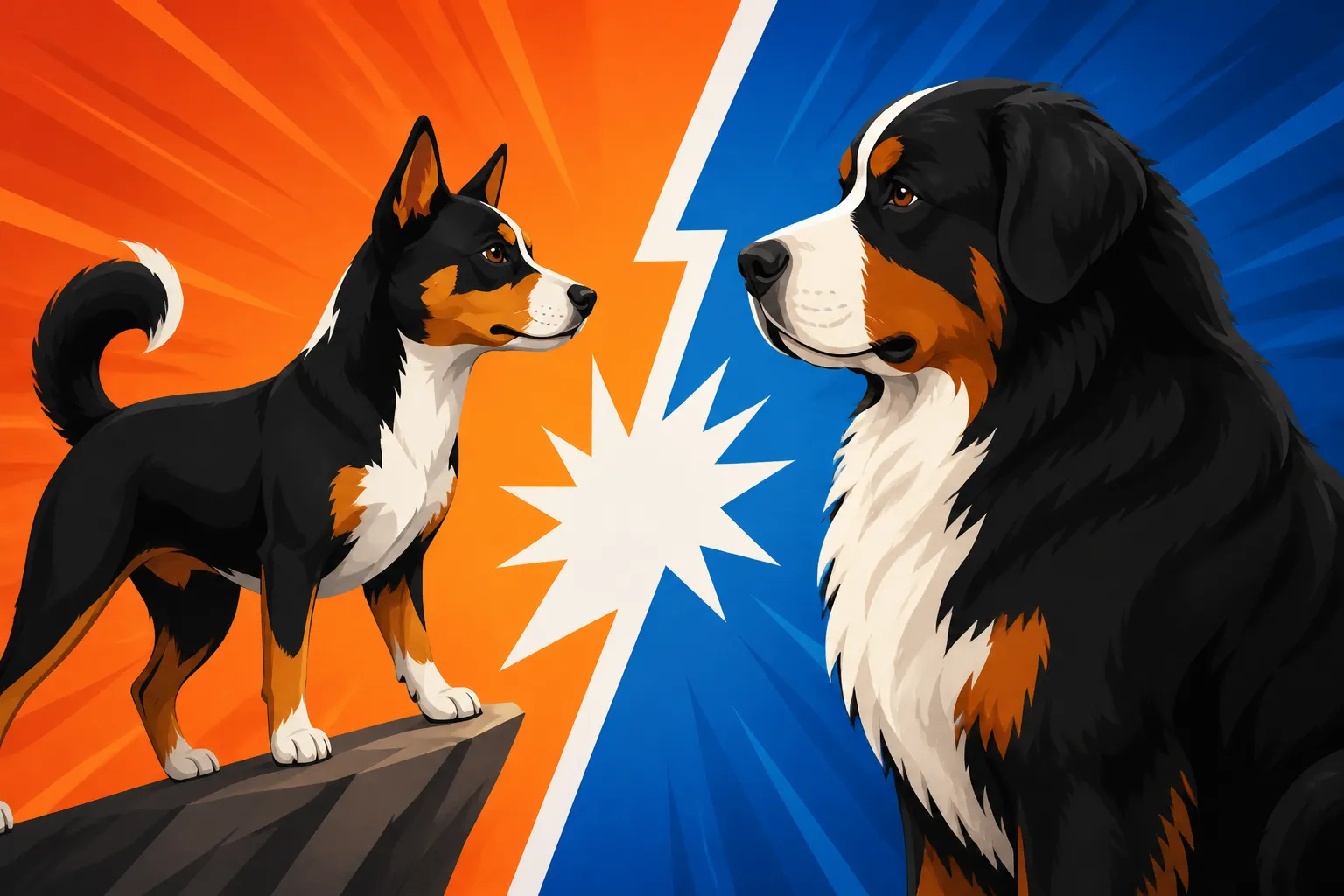
The Appenzeller Against the Bernese Mountain Dog
It’s easy to look at the broad category of Swiss Mountain Dogs and see a lot of similarities, especially with their striking tricolor coats. But if you’re trying to decide between welcoming an Appenzeller Sennenhund or a Bernese Mountain Dog into your home, you’ll quickly discover they are two wonderfully distinct breeds with very different needs and personalities. This guide aims to clear up that confusion, offering a deep dive into what truly sets these magnificent dogs apart, so you can make an informed choice that brings happiness to both you and your future furry family member.
Origins and History: Distinguishing Their Swiss Roots
Both the Appenzeller and the Bernese Mountain Dog hail from the picturesque, rugged landscapes of Switzerland, but their specific regions and original roles on the farm shaped them into the dogs we know today. Understanding their historical context is key to appreciating their inherent traits and temperaments.
The Bernese Mountain Dog's Heritage
Our beloved Bernese Mountain Dog, or "Berner" as many affectionately call them, traces its lineage back to the Dürrbach Valley, a beautiful, rural area near Bern, Switzerland. These dogs were the quintessential farm dogs, multi-talented and indispensable to the farmers and herdsmen who relied on them. They were tasked with a variety of jobs: guarding the farm and livestock, driving cattle, and perhaps most famously, pulling carts laden with milk, cheese, or other goods to market.
Imagine a farmer in the Swiss Alps, facing harsh winters and challenging terrain. He needed a dog that was strong, intelligent, dependable, and capable of working alongside him in all conditions. The Bernese Mountain Dog fit this bill perfectly. Their sturdy build, powerful gait, and thick, insulating coat were essential for navigating the mountainous environment and enduring the cold. This long history of working closely with humans, often as part of a family unit on isolated farms, bred a dog that is deeply devoted, eager to please, and, above all, a companion. There's a reason they often lean into you; it's that inherent desire for closeness. To learn more about their original purpose, check out What a Bernese Mountain Dog Did on a Swiss Farm.
The Appenzeller's Background
In contrast, the Appenzeller Sennenhund comes from the Appenzell region of northeastern Switzerland. While also a farm dog, their primary role was often more specialized: driving and herding cattle. This meant they needed to be quicker, more agile, and possess a higher level of stamina and vocalization than their Bernese cousins. The terrain in Appenzell, while mountainous, often required dogs to cover larger areas, moving livestock between pastures and to market.
Their heritage speaks to a dog with a robust working ethic, keen intelligence, and an independent streak. An Appenzeller wasn't just guarding; they were actively managing and moving animals, which demanded a sharp mind, quick reflexes, and an authoritative presence. They are known for their distinctive "Appenzell-herd-bark," a rapid, high-pitched series of barks that serves as both a warning and a way to control livestock. This makes them naturally more alert and vocal than a Berner. Their history also meant they were often seen as guardians of the farm property, ready to alert their owners to any unusual activity.
Physical Characteristics: A Side-by-Side Look
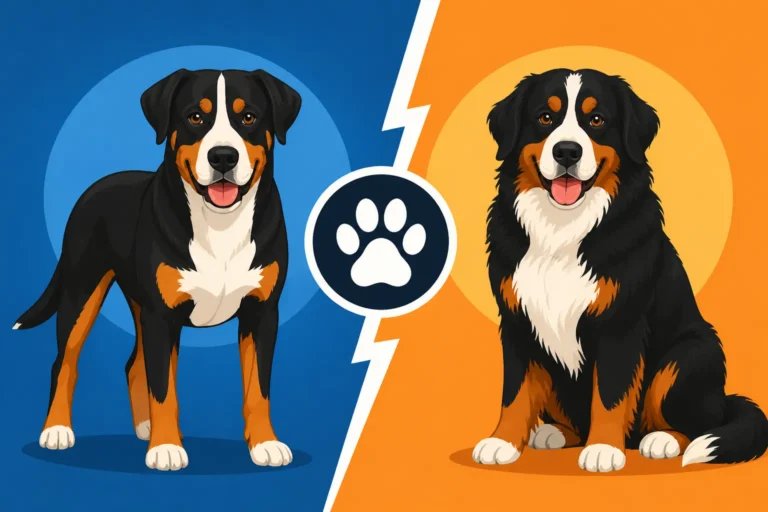
When you see a Bernese Mountain Dog and an Appenzeller side-by-side, the most immediate difference is often their size and coat. While both are undeniably attractive tricolor dogs, a closer look reveals distinct physical traits shaped by their unique historical roles.
Size, Weight, and Build Differences
The Bernese Mountain Dog is the largest of the four Swiss Sennenhund breeds. Males typically stand between 25 to 27.5 inches tall at the shoulder and weigh between 80 to 115 pounds, sometimes even more. Females are slightly smaller, usually 23 to 26 inches and 70 to 95 pounds. They possess a substantial, robust bone structure and a powerful, muscular build, giving them a stately and imposing presence. This considerable size made them perfectly suited for carting heavy loads and weathering harsh conditions. Their stride should be effortless and powerful, reflecting their working heritage. If you've ever watched a well-bred Berner move, you'd appreciate The Effortless Stride a Bernese Mountain Dog Should Have.
The Appenzeller Sennenhund, on the other hand, is a medium-sized dog, much more compact and agile than the Berner. Males usually stand 19.5 to 22 inches tall and weigh 48 to 70 pounds, while females are 18.5 to 20.5 inches and 40 to 55 pounds. Their build is muscular and well-proportioned, but notably lighter and more athletic, designed for quick movements, agility, and endurance during herding tasks. They appear more square and less "heavy" than a Bernese, a clear reflection of the need for speed and nimbleness in their traditional work.
Coat and Color Variations
Both breeds share the striking tricolor coat pattern that is characteristic of the Swiss Mountain Dogs: a jet-black base coat with rich rust (tan) markings and distinct white markings. However, the texture and length of their coats are vastly different.
The Bernese Mountain Dog is renowned for its long, thick, silky double coat. This dense coat is not only beautiful but was crucial for insulation against the frigid Swiss mountain winters. It can be straight or slightly wavy, offering excellent protection. The white markings typically include a blaze on the head, a white chest, and white on the paws and tail tip, often with "Swiss kisses" on the neck. The rust markings are usually found over the eyes, on the cheeks, on all four legs, and on the chest. This gorgeous coat does come with maintenance, as anyone who has lived with a Berner can attest; prepare for regular brushing and significant seasonal shedding. You can read more about caring for this majestic coat in Grooming a Bernese Mountain Dog's Long Tricolor Coat. The Bernese is unique among its Swiss cousins in having this long coat, a feature worth exploring in Why Only the Bernese Mountain Dog Has a Long Coat.
The Appenzeller Sennenhund has a short, close-lying, thick double coat. It's firm to the touch, providing a protective layer without the bulk or length of the Berner's coat. This short coat is perfectly suited for a dog that needs to be active and agile, without getting tangled in brush or overheating during strenuous activity. The tricolor markings are very similar in pattern to the Bernese, with a black base, rust markings, and white blaze, chest, and paw markings. A distinguishing feature of the Appenzeller is its tail, which is typically carried in a tightly curled circle over its back, especially when alert or active, a distinct contrast to the Berner's bushy, low-carried tail.
Temperament and Personality: More Than Just Good Looks
Beyond their physical appearance, the temperaments of the Bernese Mountain Dog and the Appenzeller Sennenhund present some of the most significant differences for potential owners. These are both intelligent, loyal dogs, but their inherent drives and how they express them vary greatly.
The Bernese Mountain Dog's Gentle Nature
Bernese Mountain Dogs are widely celebrated for their calm, good-natured, and affectionate personalities. They are often described as "gentle giants" and thrive on being part of the family, often forming incredibly strong bonds with their human companions. They have a deep desire to be near their people, often following them from room to room, which is why many owners lovingly refer to them as "Velcro dogs." This leaning behavior, where they gently press their body against you, is a classic Berner trait, an expression of their desire for connection. It's part of The Bernese Mountain Dog That Leans on Everyone.
They are typically patient and tolerant, making them wonderful companions for families with children, provided both dog and child are taught to interact respectfully. While they can be reserved or a bit aloof with strangers at first, they rarely show aggression, preferring to assess new people calmly. Socialization from a young age is still crucial, but their natural inclination is toward friendliness. They mature slowly, often retaining a puppy-like playfulness until they are two or three years old, something to consider when you're working on Training a Bernese Mountain Dog Without Breaking It. They generally aren't high-energy dogs, enjoying a good walk or a romp in the yard, but they're equally content to curl up on the couch for a long nap. However, they definitely prefer company and can struggle with being left alone for extended periods. This is something to seriously consider, especially if you're thinking about The Bernese Mountain Dog That Cannot Bear Being Left.
The Appenzeller's Spirited Drive
The Appenzeller Sennenhund, while equally loyal to its family, possesses a much higher drive and more energetic temperament than the Bernese. They are intelligent, spirited, and very active dogs that require a job or consistent mental and physical stimulation to be truly happy and well-behaved. Their herding background means they are naturally alert, watchful, and vocal. They make excellent alarm dogs, ready to bark at anything they perceive as out of place, which can be both a blessing and a challenge depending on your living situation.
Appenzellers are incredibly agile and possess immense stamina. They thrive on activity and love to be involved in everything their family does. This isn't a dog that will be content with just a leisurely stroll around the block; they need vigorous daily exercise, such as hiking, running, or participating in dog sports like agility, obedience, or indeed, herding trials. Their intelligence makes them highly trainable, but also means they can become bored and destructive if not adequately challenged. They often have a strong prey drive and need consistent training and socialization to ensure they are well-mannered around other animals and people. Their confidence can sometimes come across as assertive, and they need an owner who can provide clear, consistent leadership.
Care and Training Needs: What Each Breed Demands
Bringing either an Appenzeller or a Bernese into your home means committing to their specific care and training needs. These aren't "set it and forget it" breeds; they require dedicated time and effort to ensure they grow into well-adjusted, healthy companions.
Exercise and Mental Stimulation
Here's where the biggest lifestyle differences often emerge. A Bernese Mountain Dog requires moderate daily exercise to stay healthy and happy. This might include one or two good walks a day, playtime in a securely fenced yard, or a gentle hike. They are not typically suited for extreme athletic pursuits, especially in hot weather, due to their thick coats and proneness to overheating. While they love to be outdoors with their family, they are generally content with a moderate pace. Mental stimulation for a Berner often comes from being part of family activities, receiving affection, and engaging in some basic obedience or puzzle toys. However, their size means that Leash Manners on a Hundred Pound Bernese Mountain Dog are paramount, as a pulling Berner can easily overpower an adult.
The Appenzeller, in stark contrast, demands a much higher level of physical and mental engagement. Their historical role as cattle drivers ingrained in them a need for consistent activity. Think long, brisk walks, runs, challenging hikes, or active participation in dog sports for at least an hour or two daily. Without sufficient exercise, an Appenzeller can become restless, destructive, and excessively vocal. They also require significant mental stimulation through training, puzzle toys, and engaging tasks. Their keen intelligence means they bore easily if not given a job to do. This is a breed that truly thrives when it has a purpose. Consider durable toys and enriching activities, many of which you can find readily on platforms like Chewy, to keep their minds and bodies busy.
Grooming Requirements
The differences in coat mean different grooming routines. The Bernese Mountain Dog's long, flowing double coat requires regular and thorough grooming. You'll need to brush them several times a week, ideally daily during shedding seasons (which happen twice a year, sometimes more). This helps prevent mats and tangles, especially behind the ears, under the legs, and on their "trousers," and helps manage the substantial amount of hair they shed. Investing in good quality brushes, rakes, and maybe even a powerful force dryer can make a huge difference. You might find yourself stocking up on grooming supplies from Chewy more often than you think! Regular nail trims and ear cleaning are also essential.
The Appenzeller's short, dense coat is considerably lower maintenance. A weekly brush with a slicker brush or a grooming mitt is usually sufficient to remove loose hair and keep their coat healthy and shiny. They shed less profusely than Berners, though they still "blow coat" seasonally. Their short coat also means they dry faster after being wet, which is a practical benefit for active dogs. Regular nail trims and ear checks remain important for the Appenzeller, just like any other dog.
Training Approaches for Each Breed
Both breeds are intelligent, but their trainability and the best approach to training differ. The Bernese Mountain Dog is generally eager to please and quite sensitive. They respond best to positive reinforcement, gentle methods, and consistent, patient training. Harsh corrections can easily make them shut down or become fearful. Early socialization and puppy classes are vital to help them grow into confident, well-adjusted adults, especially given their potential for being Socializing a Reserved Bernese Mountain Dog Puppy. Their slow maturity means that training should be ongoing and adapted to their pace; they truly do stay a puppy until around three years of age, as discussed in Why a Bernese Mountain Dog Stays a Puppy Until Three.
The Appenzeller is also highly intelligent and eager to learn, but they often have a more independent and spirited nature. They require consistent, firm, and fair training from an early age. While positive reinforcement is still the most effective method, an Appenzeller needs clear boundaries and an owner who can establish themselves as a confident leader. They thrive on variety in their training and can excel in advanced obedience, rally, and other dog sports. Their natural vocal tendencies mean that training to manage barking can be a crucial component of their early education. For both breeds, early and ongoing socialization is key to ensuring they are comfortable and well-behaved in various environments and around different people and animals.
Here’s a quick overview of some key differences:
| Feature | Bernese Mountain Dog | Appenzeller Sennenhund |
|---|---|---|
| Size | Large to very large (80-115 lbs, 23-27.5 inches) | Medium (40-70 lbs, 18.5-22 inches) |
| Build | Robust, heavy-boned, powerful | Athletic, muscular, agile, lighter-boned |
| Coat | Long, thick, silky double coat | Short, dense, close-lying double coat |
| Tail | Bushy, carried low, may curl slightly when alert | Tightly curled over the back, especially when alert |
| Temperament | Calm, gentle, affectionate, family-oriented, often reserved with strangers | Spirited, intelligent, energetic, alert, watchful, vocal |
| Exercise Needs | Moderate; daily walks, yard play | High; vigorous daily exercise, mental stimulation, a "job" |
| Grooming | High; frequent brushing, especially during shedding | Low to moderate; weekly brushing |
| Vocalization | Moderate, typically not excessive | High; prone to barking, distinct "Appenzell-herd-bark" |
| Suitability | Prefers companionship, indoor lifestyle with outdoor access | Thrives with active lifestyle, outdoor activities, mental challenges |
Choosing between an Appenzeller and a Bernese Mountain Dog truly comes down to what you are looking for in a companion and what kind of lifestyle you can provide. If you're envisioning a calm, affectionate "gentle giant" who loves to be by your side and enjoys moderate activity, the Bernese Mountain Dog might be your perfect match. They are wonderful family dogs, but you must be ready for their significant size, grooming needs, and their deep desire for companionship. You'll also want to consider What a Bernese Mountain Dog Asks of a New Owner to ensure your home is truly the right fit.
However, if you're an active individual or family seeking a highly energetic, intelligent, and driven partner for outdoor adventures, dog sports, or a working role, the Appenzeller Sennenhund could be your ideal canine. They demand more in terms of exercise and mental engagement but will reward you with unwavering loyalty and enthusiasm. They certainly belong in The Kind of Home a Bernese Mountain Dog Belongs In, or rather, a similar but perhaps even more active version for the Appenzeller! Both breeds are magnificent, but they are designed for different lives. Understanding these core differences will help you find the Swiss Mountain Dog that will truly thrive in your care.
Disclaimer
This article is for general informational purposes only and does not constitute professional advice. Laws, prices and regulations vary by location and change over time. Consult a qualified professional for guidance on your specific situation.