Whether the Entlebucher Is a Smaller Bernese Mountain Dog
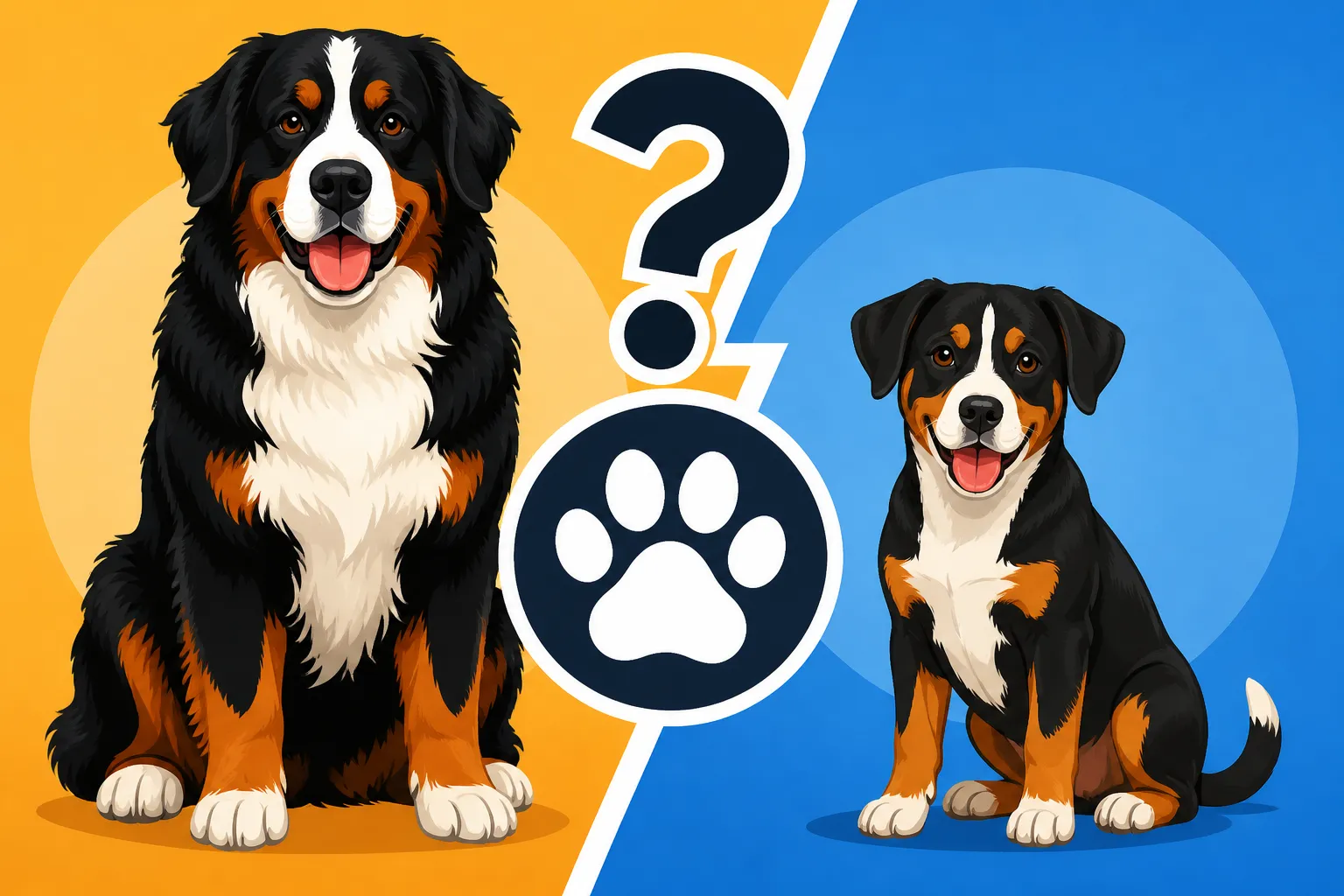
It’s a common sight for anyone who loves Bernese Mountain Dogs: you see a smaller, compact version of what looks like your beloved Berner, but something is just a little… different. Perhaps you're wondering if it's a mix, or maybe even a miniature version of the breed you know and adore. Many people see the familiar tricolor coat and assume they're looking at a smaller Bernese Mountain Dog, but in reality, they're likely encountering one of the Bernese's equally charming, but distinctly different, Swiss cousins: the Entlebucher Mountain Dog. This guide will walk you through the fascinating distinctions and shared heritage of these two wonderful breeds.
The Shared Swiss Heritage: A Family of Four Mountain Dogs
Before we dive into the specifics of the Bernese and Entlebucher, it’s crucial to understand that they both belong to a larger family of dogs known as the Sennenhunds, or Swiss Mountain Dogs. These breeds all hail from the picturesque, rugged landscapes of the Swiss Alps, developed over centuries to assist farmers and herders with a variety of tasks. They share a common ancestry rooted in the working dogs of the region, adapted to the challenges of mountain life. This shared lineage often leads to their similar tricolor markings and sturdy builds, which is why the confusion is so understandable!
A Family of Four: The Swiss Mountain Dogs
There are actually four distinct breeds recognized within the Sennenhund family, each named after the region in Switzerland where they were primarily developed. Knowing all four helps to put the Bernese and Entlebucher into context:
- Greater Swiss Mountain Dog: The largest and oldest of the four, often mistaken for a short-haired Bernese, but with a heavier bone structure.
- Bernese Mountain Dog: The one we all know and love, famous for its long, flowing tricolor coat and gentle disposition. This is the breed that nearly disappeared before dedicated enthusiasts brought it back from the brink, as discussed in Why the Bernese Mountain Dog Nearly Disappeared.
- Appenzeller Sennenhund: A medium-sized, highly energetic, and vocal dog, known for its tightly curled tail carried over its back.
- Entlebucher Sennenhund: The smallest of the four, compact and agile, and the subject of our current exploration.
While they share the characteristic black, white, and rust coloring, each of these breeds developed with specific traits that made them uniquely suited to their local environments and the particular tasks required of them.
Mountain Life and Working Roles
Historically, these Swiss Mountain Dogs were indispensable partners to farmers and dairymen. Their roles were diverse and demanding, reflecting the harsh realities of alpine agriculture. They weren't just pets; they were integral members of the farm.
- Carting and Droving: Many, including the Bernese, were used for draft work, pulling small carts laden with milk, cheese, or other goods to market. Imagine a beautiful Berner, with its steady gait, pulling a cart through a mountain pass – a truly iconic image. The Entlebucher, though smaller, also had a history of droving, helping to move cattle from pastures to barns. Their strong, muscular builds were perfect for this kind of sustained effort. You can learn more about this historical role in What a Bernese Mountain Dog Did on a Swiss Farm.
- Guardians and Companions: Beyond heavy labor, they also served as farm guardians, alerting owners to strangers or predators, and providing companionship in often isolated settings. Their watchful nature and loyalty made them excellent protectors, though their methods of "guarding" often differed; a Berner might bark and stand its ground, while an Entlebucher might be more prone to herding and vocal alerts.
- Herding: The Appenzeller and Entlebucher, in particular, were valued for their agility and keen herding instincts, essential for managing cattle on steep mountain slopes. These traits are still very much alive in the modern Entlebucher.
Understanding these foundational roles helps us appreciate why each breed developed its specific physical characteristics and temperamental quirks.
Entlebucher Mountain Dog: A Closer Look
So, let's talk about the Entlebucher. This is the smallest of the four Sennenhunds, and while it shares the tricolor markings, it is a distinctly different dog from the Bernese Mountain Dog.
Distinctive Physical Traits
When you look at an Entlebucher, you immediately notice a few key differences:
- Size: This is the most obvious point of departure from the Bernese. Entlebuchers are much smaller and more compact. They are medium-sized dogs, built for agility and quick movement rather than sheer power and bulk. While a Bernese might stand around 23 to 27.5 inches at the shoulder and weigh over a hundred pounds, an Entlebucher typically stands significantly shorter and weighs much less. They are robust, yes, but in a lean, athletic way, not the majestic, weighty presence of a Berner.
- Coat: Unlike the Bernese Mountain Dog's long, luxurious double coat that is known for its incredible shedding season, the Entlebucher boasts a short, smooth, and hard coat. This coat still has the classic tricolor pattern – black with white and rust markings – but it requires far less intensive grooming. You won't be dealing with the same level of matting or the massive "Berner Tumbleweeds" that notoriously fill a home with a Bernese, though they certainly still shed. Grooming a Bernese Mountain Dog's Long Tricolor Coat delves into the extensive grooming needs of a Berner, which stand in stark contrast to the Entlebucher's.
- Tail: Many Entlebuchers are born with a naturally bobbed or short tail, a distinctive trait that sets them apart. Others may have a long tail that is carried in a slight curve. This contrasts with the Bernese, which always has a long, bushy tail that is typically carried low when relaxed and saber-like when alert.
- Build: The Entlebucher is built for endurance and agility. They have a slightly longer body than they are tall, giving them a rectangular profile. Their musculature is lean and well-defined, suited for quick bursts of speed and nimble turns, perfect for herding cattle in hilly terrain. They are often described as having a lively, intelligent expression.
Energy and Temperament: A Working Spirit
The Entlebucher's temperament also differs significantly from its larger cousin. While Bernese Mountain Dogs are often described as "gentle giants" – affectionate, somewhat laid-back, and eager to please – Entlebuchers are brimming with energy and a strong working drive.
- High Energy and Drive: These dogs are not content to be couch potatoes. They need a job to do or plenty of engaging activity to keep their minds and bodies stimulated. Without adequate exercise and mental engagement, an Entlebucher can become bored and destructive. They thrive on activities like agility, herding, obedience, and hiking. Their energy levels mean they are often better suited for active individuals or families who can dedicate significant time to their exercise and training.
- Alertness and Vocalization: Entlebuchers are known for being very alert and watchful. They often have a strong "voice" and aren't shy about using it to alert their families to anything unusual. This can make them excellent watchdogs, but it also means training for appropriate barking levels is essential.
- Intelligence and Trainability: They are highly intelligent dogs, keen to learn and eager to please their owners. However, their intelligence also means they can be a bit independent or stubborn if they don't see the point of a command. Consistent, positive reinforcement training is key. They respond best to clear guidance and engaging tasks.
- Loyalty and Affection: Despite their working drive, Entlebuchers are deeply loyal and affectionate with their families. They form strong bonds and enjoy being close to their people. However, they can be reserved with strangers, a trait common among many guardian and herding breeds, and require good socialization from a young age to ensure they are well-adjusted. Socializing a Reserved Bernese Mountain Dog Puppy covers similar challenges that can arise even with a generally more outgoing Berner.
The Bernese Mountain Dog: Gentle Giant
Now, let's turn our attention back to the Bernese Mountain Dog, the breed that inspired the initial comparison. Understanding the Berner in detail provides a clearer contrast.
Imposing Stature and Gentle Demeanor
The Bernese Mountain Dog is renowned for its striking appearance and truly lovely disposition, making it a beloved family companion around the world.
- Size and Presence: Berners are undeniably large dogs. Their impressive size, combined with their sturdy bone structure, gives them a powerful and noble presence. When a Berner walks into a room, you notice it. They carry their weight with grace, but make no mistake, they are substantial animals. How Big a Bernese Mountain Dog Gets further explores the impressive dimensions of this breed.
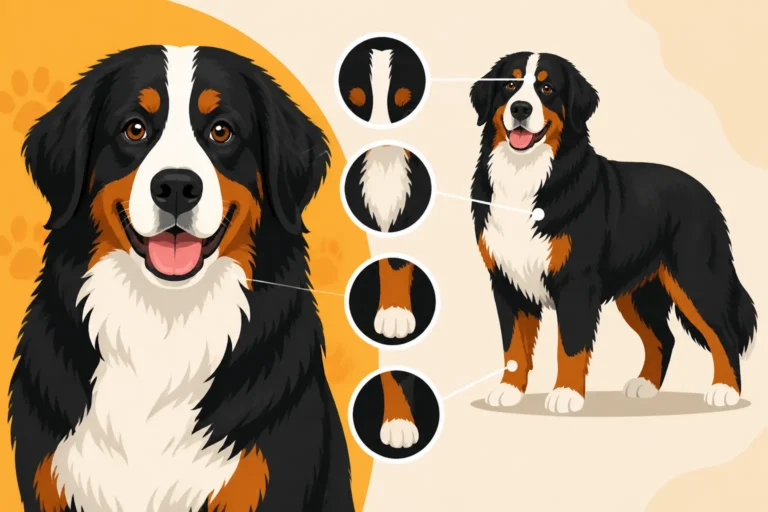
- Coat Magnificence: The Bernese coat is one of its most defining features. Long, thick, and wonderfully soft, it's a double coat perfectly designed for insulation against the cold Swiss winters. The classic tricolor pattern – jet black body, rust markings on the cheeks, over the eyes, on the legs, and a white blaze on the chest and often a white "Swiss cross" – is iconic. While beautiful, this coat requires significant grooming to prevent matting and manage shedding. You'll definitely want to invest in a good vacuum cleaner when living with a Berner! The Bernese Mountain Dog Shed and What It Fills is a must-read for any prospective Berner owner.
- Temperament: The Epitome of Sweetness: Berners are famous for their sweet, affectionate, and relatively calm nature. They are often described as gentle giants, patient with children and generally good-natured with other pets. They thrive on human companionship and want to be involved in family life. They are generally not as high-energy as the Entlebucher, content with a good daily walk and plenty of cuddle time on the sofa. This isn't to say they are lazy; they enjoy outdoor activities, especially in cooler weather, but they don't have the same intense, constant drive. A Bernese Mountain Dog Around Children provides more insight into their suitability for families.
Lifespan and Health Considerations
While their temperament is largely ideal, it's important to acknowledge that Bernese Mountain Dogs, like many giant breeds, come with their own set of health considerations.
- Shorter Lifespan: Sadly, one of the most heartbreaking realities of owning a Bernese Mountain Dog is their comparatively short lifespan. While many dogs live well into their teens, the average Berner often lives only seven to eight years. This is a significant factor prospective owners must consider. Why a Bernese Mountain Dog Lives Only Seven or Eight Years addresses this sorrowful fact in detail.
- Predisposition to Health Issues: Bernese Mountain Dogs are prone to several serious health conditions, particularly certain types of cancer, like histiocytic sarcoma, which can strike at a relatively young age. Joint diseases such as hip and elbow dysplasia are also common concerns in such a large, rapidly growing breed. The Cancer That Kills Half of All Bernese Mountain Dogs provides sobering information on this topic, and Joint Disease in a Hundred Pound Bernese Mountain Dog highlights orthopedic challenges. While all breeds have health issues, the prevalence and severity of certain conditions in Berners are significant.
Key Differences: More Than Just Size
When comparing the Entlebucher and the Bernese Mountain Dog, it becomes clear that while they share a genetic family tree, they are distinct breeds with different needs and characteristics. It's truly more than just a matter of size; it's about the entire package.
Size and Build: A Tale of Two Frames
The difference in size and build is perhaps the most striking visual cue.
- Bernese Mountain Dog: Imagine a grand, majestic dog, built like a furry, powerful draft horse. Their frame is substantial, designed for pulling heavy loads and withstanding harsh conditions. They have a broad chest, strong legs, and a dense body that can easily exceed a hundred pounds. This imposing size necessitates careful management, especially during their puppyhood to protect their developing joints. The Five Minute Rule and a Bernese Mountain Dog Puppy emphasizes controlled exercise for growing Berners.
- Entlebucher Mountain Dog: Think of a sleek, athletic, medium-sized dog, built more like a nimble, robust terrier or a compact cattle dog. They are significantly lighter and more agile, capable of quick directional changes and sustained movement. Their build is muscular but not bulky, perfect for dodging and weaving around livestock. This means they are often easier to manage physically for owners who might find a 100+ pound dog overwhelming.
Coat and Grooming Needs: Long vs. Short
The coat type dramatically influences grooming commitment and how well each breed handles different climates.
- Bernese Mountain Dog: The long, thick double coat of a Berner is gorgeous, but it demands consistent attention. Daily or every-other-day brushing is often required, especially during seasonal shedding, to prevent mats and reduce hair around the house. They are magnificent in cold weather but can struggle immensely in heat. Heat and the Bernese Mountain Dog's Black Coat outlines the specific challenges Berners face in warmer temperatures.
- Entlebucher Mountain Dog: The Entlebucher's short, smooth double coat is much lower maintenance. A weekly brush is usually sufficient to remove loose hair and keep it healthy. While they still shed, it's generally far less voluminous than a Berner's. Their shorter coat makes them somewhat more tolerant of moderate climates than the Bernese, though like all dogs, they still need protection from extreme heat.
Temperament and Exercise: Couch Potato vs. Marathon Runner
This is where the lifestyle match really comes into play.
- Bernese Mountain Dog: Generally calm, affectionate, and a true family dog. They need moderate daily exercise – a good walk or playtime in a secure yard – but are equally happy to relax with their family. They form deep bonds and are known for their gentle nature, making them excellent companions for many types of households, as long as space allows. Their tendency to "lean" on you is a characteristic expression of their affection, a topic covered in The Bernese Mountain Dog That Leans on Everyone.
- Entlebucher Mountain Dog: Energetic, alert, and driven. They require significant daily exercise and mental stimulation to prevent boredom and destructive behaviors. Think long hikes, vigorous playtime, dog sports, or a "job" to do. They are loyal and loving with their families but tend to be more reserved with strangers and have a stronger natural guarding or herding instinct that needs to be channeled through training and socialization.
Health Concerns and Longevity: A Difference in Odds
While both purebred dogs have breed-specific health concerns, the prevalence and nature of these issues differ.
- Bernese Mountain Dog: As mentioned, Berners are unfortunately predisposed to a range of cancers (especially histiocytic sarcoma), joint issues (hip and elbow dysplasia), and bloat. Their shorter average lifespan is a hard truth for owners. This means that a significant portion of their ownership costs can go towards veterinary care, particularly as they age. The Year the Bills Arrive for a Bernese Mountain Dog provides a realistic look at these expenses.
- Entlebucher Mountain Dog: Entlebuchers are generally a healthier and longer-lived breed compared to the Bernese. They can still be prone to hip dysplasia, progressive retinal atrophy (PRA), and certain bleeding disorders, but they do not typically carry the same high risk for aggressive cancers that plague the Bernese breed. Their average lifespan is typically in the 11-13 year range, offering more years of companionship.
Here's a quick comparison table to summarize these key differences:
| Feature | Bernese Mountain Dog | Entlebucher Mountain Dog |
|---|---|---|
| Size | Large, powerful, heavy | Medium, compact, agile |
| Height | Taller (often 23-27.5 inches) | Shorter (often 16-21 inches) |
| Weight | Heavier (often 80-120+ pounds) | Lighter (often 45-65 pounds) |
| Coat | Long, thick, double coat | Short, smooth, hard double coat |
| Grooming | High (daily/frequent brushing) | Low (weekly brushing) |
| Energy Level | Moderate, calm, enjoys lounging | High, active, needs consistent stimulation |
| Temperament | Gentle, affectionate, patient | Alert, lively, intelligent, can be reserved |
| Watchdog | Good alert barker | Excellent, more vocal and watchful |
| Lifespan | Shorter (7-8 years average) | Longer (11-13 years average) |
| Common Health | Cancers, joint dysplasia, bloat | Hip dysplasia, PRA, bleeding disorders |
| Tail | Long, bushy, carried low | Often naturally bobbed or short, or long & curved |
Which Breed Is Right for You?
Deciding between a Bernese Mountain Dog and an Entlebucher Mountain Dog is a big choice, and it really comes down to matching the dog's needs with your lifestyle. Neither breed is inherently "better" than the other; they are simply different.
Active Homes vs. Laid-back Companions
Your daily routine and energy levels are perhaps the most critical factors.
- For the active adventurer: If you're someone who enjoys daily long walks, runs, hikes, or participates in dog sports like agility, flyball, or herding trials, the Entlebucher might be your ideal match. They thrive when they have a job to do and appreciate an owner who can keep up with their zest for life. A home with a secure yard for them to run and play in is certainly a plus. They are fantastic partners for those who embrace an energetic outdoor lifestyle and want a dog to share it with them.
- For the gentle homebody: If your idea of a perfect evening involves cozying up on the couch with your dog after a pleasant, but not overly strenuous, walk, a Bernese Mountain Dog might be more your speed. While they certainly enjoy outdoor time and need their exercise, they don't demand the same high-octane output as an Entlebucher. They are wonderful family dogs, content to be near their people, offering calm companionship and a warm, furry presence.
Grooming Commitment: Time for the Brush
Consider how much time you're willing to dedicate to grooming.
- High-maintenance beauty: The Bernese Mountain Dog's stunning coat is a commitment. If you're prepared for regular brushing sessions (often several times a week, if not daily during heavy shedding seasons), professional grooming appointments, and dealing with significant amounts of hair, then the Berner's coat won't faze you. You'll need specialized tools like rakes and de-shedding brushes, or perhaps even a high-velocity dryer to manage their fluffy undercoat. Buying the Rake and Dryer a Bernese Mountain Dog Needs offers advice on essential grooming tools.
- Wash-and-go convenience: The Entlebucher's short coat is a breeze in comparison. A quick brush once a week will typically keep them looking neat. This is a big advantage for owners who prefer a lower-maintenance grooming routine and don't want to spend hours battling mats and tangles.
Space and Strength Considerations: Managing a Hundred Pounds
Think about your living situation and your physical capacity.
- Space is key for Berners: A Bernese Mountain Dog truly needs space, both indoors and out. Their large size means they can accidentally knock things over, and they need room to stretch out. While they are often calm indoors, a small apartment can feel cramped for such a big dog. You also need to be prepared for the physical strength of a hundred-pound animal, especially when they're excited or pulling on a leash. Lifting a Hundred Pounds of Bernese Mountain Dog touches on the practicalities of managing their size.
- Entlebuchers fit more homes: The Entlebucher, being smaller, can adapt more readily to various living situations, including larger apartments or homes without massive yards, as long as their significant exercise needs are met. They are powerful for their size, but still more manageable than a Berner for most individuals.
In conclusion, while the Entlebucher Mountain Dog might look like a smaller, compact version of the Bernese Mountain Dog due to their shared tricolor coat and Swiss heritage, they are very much distinct breeds with unique characteristics. From their size and coat type to their energy levels and typical lifespans, the differences are significant. Understanding these distinctions is crucial for anyone considering bringing one of these wonderful Swiss Sennenhunds into their home. Choose wisely, based on your lifestyle and what you can truly offer, and you'll find an incredibly loyal and loving companion in either a majestic Berner or a spirited Entlebucher.
Disclaimer
This article is for general informational purposes only and does not constitute professional advice. Laws, prices and regulations vary by location and change over time. Consult a qualified professional for guidance on your specific situation.