Why Only the Bernese Mountain Dog Has a Long Coat
One of the first things that strikes anyone who encounters a Bernese Mountain Dog is that magnificent, flowing coat. It's truly a sight to behold, a luxurious tapestry of black, white, and rust that seems to billow with every step. But if you've ever delved a little deeper into the world of Swiss Mountain Dogs, you might have noticed something curious: the Bernese is the only one of its kind to sport such a long, glorious mane. Its close cousins – the Greater Swiss Mountain Dog, the Appenzeller, and the Entlebucher – all boast sleek, short coats. This guide will unravel that mystery, exploring the genetic quirks, historical adaptations, and specific environmental factors that led to the Bernese Mountain Dog standing out with its uniquely long coat.
Understanding the Sennenhund Family and Their Coats
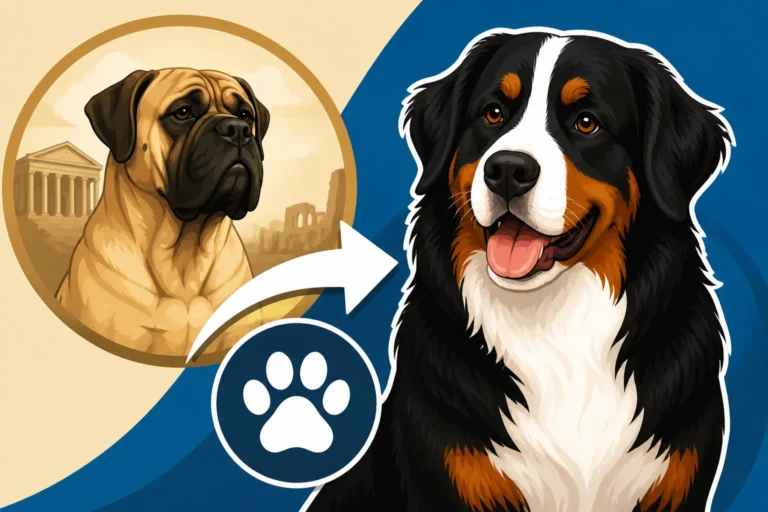
To truly appreciate the Bernese Mountain Dog's distinctive long coat, we first need to understand its family tree. The "Sennenhund" family, which translates to "Alpine pasture dogs," comprises four distinct breeds, all originating from the Swiss Alps. These are robust, loyal working dogs, each bred for specific tasks in their native regions. They share a common heritage, descending from ancient mastiff-type dogs brought to the Alps by the Romans thousands of years ago, which then interbred with local herding and guardian dogs.
The Shared Ancestry of the Swiss Mountain Dogs
All four Sennenhund breeds trace their lineage back to these powerful, general-purpose farm dogs that were indispensable to Swiss farmers for centuries. Their roles were multifaceted: they guarded livestock from predators, herded cattle, pulled carts laden with milk or cheese to market, and provided companionship and protection for their families. This shared history means they all exhibit a similar strong, sturdy build, a tricolor coat pattern (even if the length differs), and a reliable, good-natured temperament. You'll find common characteristics in their skull shape, their expressive eyes, and their powerful, muscular frames.
The underlying genetic blueprint for these traits is remarkably similar across the family. They were all developed to withstand the demanding conditions of the mountainous terrain and to perform strenuous physical labor. Their initial development was largely a matter of natural selection and local breeding, with farmers selecting dogs that were most effective at their jobs and best suited to the harsh environment. Over time, distinct types emerged in different valleys, leading to the differentiation we see today. If you're curious about their origins, diving into The Swiss Valley the Bernese Mountain Dog Comes From offers a wonderful perspective.
Brief Overview of the Other Sennenhund Breeds
Let's take a moment to meet the Bernese Mountain Dog's short-coated siblings. This contrast really highlights what makes the Berner special.
The Greater Swiss Mountain Dog is arguably the closest relative in terms of size and general appearance, often mistaken for a short-haired Bernese. These magnificent dogs are indeed larger and more powerfully built, with a dense, short double coat that is very practical for active farm life and colder temperatures. They are known for their strength and endurance.
Next, we have the Appenzeller Sennenhund, a medium-sized, highly energetic, and agile dog. Their coat is short, shiny, and close-lying, perfectly suited for quick movements and less extreme conditions than the higher altitudes. They are spirited and known for their piercing bark and watchful nature.
Finally, the Entlebucher Sennenhund is the smallest of the four, a compact, sturdy dog with a short, smooth, and dense coat. Like the Appenzeller, they are incredibly nimble and intelligent, excelling at herding and demanding a lot of mental and physical stimulation.
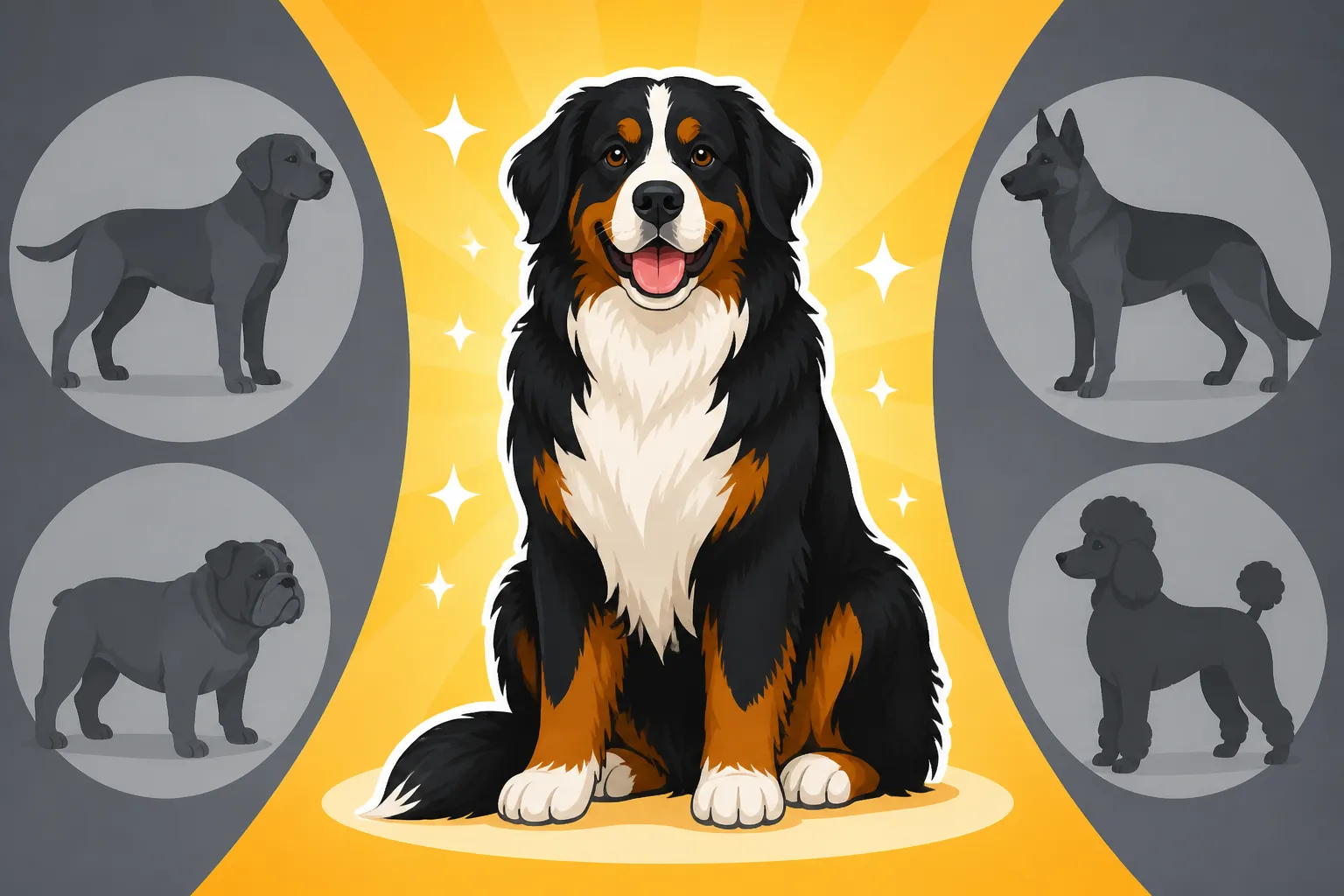
As you can see, all three of these cousins share the distinctive tricolor markings, the powerful build, and the working dog ethos, but they consistently have short coats. This makes the Bernese Mountain Dog's long coat a truly unique feature within its own family. To explore more about the family, check out The Four Swiss Breeds Beside the Bernese Mountain Dog.
The Genetic Basis of Coat Length
The secret to the Bernese Mountain Dog's luxurious coat lies deep within its genetic code, specifically within a gene known as FGF5. This gene plays a crucial role in determining hair length in many mammals, including dogs. Understanding how it works can shed a lot of light on why some dogs have short hair and others, like our beloved Berners, have long, flowing locks.
The "FGF5" Gene and Its Role
The FGF5 gene essentially acts as a switch, signaling when hair growth should stop. In its normal, wild-type form, this gene produces a protein that tells the hair follicle to enter the resting phase, resulting in a short coat. However, a specific mutation, or change, in the FGF5 gene can disrupt this signal. When this mutation is present, the hair follicles continue to grow for a longer period before entering the resting phase, leading to longer hair.
In dogs, coat length is primarily determined by this gene, and it's generally inherited in a recessive manner. This means that a dog needs to inherit two copies of the mutated gene (one from each parent) to express the long-haired trait. If a dog inherits even one copy of the "short hair" version of the gene, it will typically have a short coat, although it might be a carrier for the long-haired trait. This is a common pattern in canine genetics and explains why the long coat isn't always immediately obvious in a mixed breed or if one parent has a short coat.
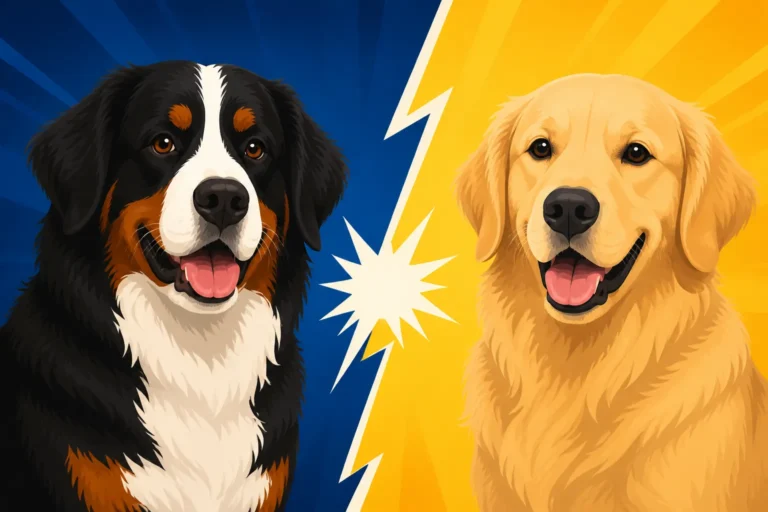
For the Bernese Mountain Dog, this mutation is a defining characteristic of the breed. It's not an anomaly or a fault; it's what makes a Berner look like a Berner. Other breeds that carry this mutation include the Afghan Hound, Golden Retriever, and Shetland Sheepdog, all known for their distinctive long coats. This single genetic factor is the primary biological reason for the Bernese's unique appearance among its Sennenhund relatives.
Breeding for Desired Traits in Early Berners
The prevalence of the long coat in Bernese Mountain Dogs isn't just a random genetic fluke; it's also a result of a combination of natural selection and deliberate breeding choices made centuries ago. While farmers weren't explicitly performing genetic tests, they were making practical decisions based on the dogs that best suited their needs and environment.
In the regions where the Bernese Mountain Dog primarily developed, such as the Dürrbach Valley, conditions were often harsher, with colder winters and more snowfall than in some other Swiss cantons. A longer, thicker coat would have provided superior insulation, offering better protection against the elements for a dog working outdoors. Dogs with naturally longer, denser coats would have been more resilient, healthier, and therefore more likely to survive and reproduce. This is a classic example of how an environmental pressure can favor a particular genetic trait.
When breed enthusiasts like Franz Schertenleib began to standardize and revive the Bernese Mountain Dog in the late 19th and early 20th centuries, they sought out dogs that epitomized the traditional "Dürrbächler" type. The long, tricolor coat was already a prominent and admired feature of these dogs. As the breed standard was formalized, this distinct coat became a hallmark, distinguishing the Bernese from its short-coated cousins. Breeders then intentionally selected for this trait, ensuring that future generations would continue to display the characteristic long, flowing coat we know and love today. This deliberate selection, combined with the underlying genetics, cemented the long coat as an unchangeable aspect of the Bernese Mountain Dog. You can learn more about the efforts to revive the breed by reading about Franz Schertenleib and the Bernese Mountain Dogs He Found.
Historical Context: Why a Long Coat for the Berner?
While genetics provides the "how," history gives us the "why." The long coat of the Bernese Mountain Dog isn't just a pretty aesthetic; it's a testament to the specific challenges and conditions these dogs faced in their ancestral home. Unlike its short-coated cousins, the Berner evolved in a particular niche that favored a more substantial fur coat.
The Bernese Mountain Dog's Specific Environment
The Bernese Mountain Dog originated in the canton of Bern, specifically in the Dürrbach region, which is now part of the Schwarzenburg district. This area, nestled in the pre-Alps, tends to experience harsher winters than some of the lower valleys where the other Sennenhunds were more prevalent. Think of snow-covered fields, biting winds, and temperatures that could dip significantly. A dog tasked with guarding livestock, herding, or pulling carts of goods across this terrain would need serious protection from the cold.
A long, thick double coat provides superior insulation. The dense undercoat traps air, creating a warm layer close to the dog's body, while the longer, coarser outer coat sheds snow and water, preventing it from penetrating to the skin. This natural "winter jacket" was absolutely vital for a dog that spent long hours outdoors, working in the cold, often wet, conditions of the Swiss mountains. Without it, survival would have been far more challenging. This natural adaptation ensured that the dogs best equipped for the cold winters were the ones that thrived, passing on their long-coat genes.
In contrast, the Greater Swiss Mountain Dog, while also a powerful working dog, was more often found in areas where its shorter, very dense coat offered sufficient protection without the potential for snow and ice to cling to longer hair, which can sometimes be a hindrance in certain types of deep snow or dense brush. The subtle environmental differences across the various Swiss cantons played a significant role in shaping the physical attributes of each Sennenhund breed.
Evolution of Purpose and Breed Standards
While all the Sennenhunds were general-purpose farm dogs, there were nuanced differences in their primary roles and the environments they worked in. The Bernese Mountain Dog was particularly prized for its ability to pull carts, often hauling milk cans or cheese from farms to local dairies and markets. This job, which often involved traveling long distances in varied weather, would have greatly benefited from the enhanced weather protection offered by a long coat. What a Bernese Mountain Dog Did on a Swiss Farm highlights their diverse historical roles.
As the breeds began to be formally recognized and standardized in the late 19th and early 20th centuries, dedicated breed clubs and prominent figures played a crucial role in solidifying their distinctive traits. Albert Heim, a Swiss geologist and cynologist, was instrumental in classifying the Sennenhund breeds and establishing their official standards. For the dogs from the Bernese highlands, the beautiful tricolor, long coat was identified as a defining characteristic, differentiating them clearly from the others.
The establishment of these breed standards wasn't just about aesthetics; it was about preserving the traits that made each breed successful in its traditional role and environment. The long coat of the Bernese became intrinsically linked to its identity, its history, and its suitability for its working life in the high valleys. This formal recognition further ensured that future breeding efforts would focus on maintaining this iconic feature. Learn more about the efforts to establish the breed through Albert Heim and the Name Berner Sennenhund.
Distinguishing the Bernese from its Cousins Through Coat
Beyond the fascinating genetics and historical context, the practical reality of the Bernese Mountain Dog's long coat is a significant differentiator. It impacts everything from their visual appeal to their care requirements, setting them apart from their short-coated Swiss relatives in tangible ways.
Visual Differences in Coat Texture and Length
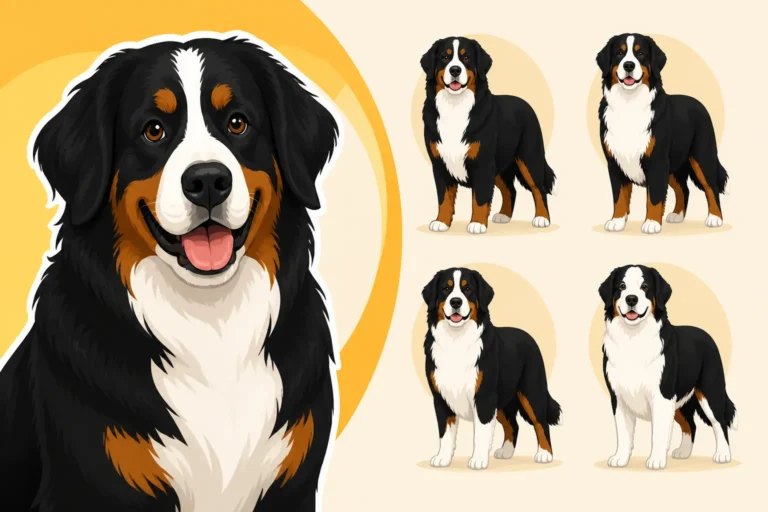
The Bernese Mountain Dog's coat is truly a masterpiece of nature. It's a thick, double coat with a soft, woolly undercoat for insulation and a longer, slightly wavy, harsh outer coat that provides protection from elements like rain and snow. This coat gives them a majestic, somewhat fluffy appearance, especially around the neck, chest, and on their "trousers" – the long feathering on their hind legs. The length typically ranges from medium to long, with some individual variations, but it always has that distinct flowing quality.
In stark contrast, the coats of the Greater Swiss Mountain Dog, Appenzeller Sennenhund, and Entlebucher Sennenhund are uniformly short, dense, and close-lying. They might have a slight undercoat for warmth, but there is no feathering or significant length. Their appearance is sleeker, more streamlined, and exudes a different kind of ruggedness. Telling a Greater Swiss From a Bernese Mountain Dog delves deeper into these visual distinctions. While they share the striking tricolor pattern, the texture and length of the Bernese coat are immediate giveaways that you're looking at a Berner.
This visual difference isn't just about beauty contests; it speaks to the underlying adaptation. The Bernese coat is designed for maximum warmth and protection in colder, potentially more sedentary conditions (like waiting while a farmer handles livestock), whereas the shorter coats are better for agility and preventing snagging in underbrush or mud for dogs that might have been more actively herding or constantly on the move.
Implications for Care and Climate
The long, thick coat of a Bernese Mountain Dog comes with specific care implications that differ significantly from those of its short-coated relatives. First and foremost is grooming. A Bernese requires consistent, thorough grooming to prevent mats and tangles, especially in areas with longer feathering like behind the ears, on the legs, and on the tail. Regular brushing, often several times a week, is essential to remove loose hair, distribute natural oils, and keep the coat healthy. During seasonal shedding, particularly in spring, the amount of hair can be astonishing, often feeling like you could knit another dog! Luckily, helpful tools are available on sites like Chewy to manage this. Grooming a Bernese Mountain Dog's Long Tricolor Coat offers excellent advice on managing this beautiful but demanding coat.
Climate is another major consideration. While the long coat provides excellent insulation in cold weather, it can be a significant disadvantage in warmer climates. Bernese Mountain Dogs are highly susceptible to overheating, and careful management is required during hot months. This means limiting exercise during the hottest parts of the day, providing plenty of shade and water, and sometimes using cooling mats or vests. Their short-coated cousins, while still needing protection from extreme heat, generally tolerate warmth better simply because their dense but short coats don't trap as much heat. If you're living with a Berner in a warmer region, it's crucial to understand Getting a Bernese Mountain Dog Through Summer.
| Breed | Coat Length | Coat Texture | Primary Insulation | Grooming Needs | Heat Tolerance |
|---|---|---|---|---|---|
| Bernese Mountain Dog | Long | Thick, double, slightly wavy | Undercoat & outer | High (daily/weekly) | Low |
| Greater Swiss Mountain Dog | Short | Dense, smooth, close-lying | Dense undercoat | Low (weekly) | Moderate |
| Appenzeller Sennenhund | Short | Smooth, shiny, close-lying | Dense undercoat | Low (weekly) | Moderate |
| Entlebucher Sennenhund | Short | Short, dense, harsh, close-lying | Dense undercoat | Low (weekly) | Moderate |
This table clearly illustrates the unique position of the Bernese within its family regarding coat type and its subsequent impact on care.
Misconceptions and Modern Breeding Practices
With such a distinctive feature, it's natural for misconceptions to arise, especially concerning variations in coat length. Understanding modern breeding practices helps to clarify why the Bernese Mountain Dog's long coat is not just a preference, but a defining, genetically inherited trait.
The Idea of "Smooth-Coated Berners" or "Long-Coated Greater Swiss"
One common misconception is the idea of a "smooth-coated Bernese Mountain Dog." If you encounter a dog that looks like a Bernese in color and general build but has a short coat, it's almost certainly not a purebred Bernese. In nearly all cases, you are either looking at a Greater Swiss Mountain Dog, a mixed-breed dog, or potentially a very unusual and rare genetic anomaly that would fall outside the breed standard. The long coat is a non-negotiable trait for a purebred Bernese. The gene for long hair is recessive, meaning if a dog has even one copy of the dominant short-hair gene, it will have a short coat. Therefore, a purebred Bernese must inherit two copies of the long-hair gene.
Conversely, there's no such thing as a "long-coated Greater Swiss." If a Greater Swiss were to somehow develop a long coat, it would deviate entirely from its own breed standard and would likely be the result of a crossbreed or an extremely rare genetic mutation. The breed standards for all four Sennenhunds are quite strict on coat length, as it's a fundamental identifier for each. Any deviation usually points to either misidentification or mixed parentage, not a variation within the purebred line. Whether Long Coats Appear Outside the Bernese Mountain Dog provides more context.
These distinctions are important not just for breed purity, but also for understanding potential health and temperament traits associated with each specific breed. When looking for a purebred, adhering to the established physical characteristics, including coat length, helps ensure you are truly getting the breed you expect.
Maintaining the Breed Standard
Responsible Bernese Mountain Dog breeders today meticulously work to maintain the breed standard, which includes the characteristic long, tricolor coat. This isn't just about aesthetics; it's about preserving the integrity and historical identity of the breed. Breeders select breeding pairs that not only exhibit excellent health and temperament but also conform to the physical descriptions outlined in the breed standard. This includes the correct coat length, texture, and markings.
Genetic testing, while perhaps not specifically for coat length (as it's so visually obvious in Berners), is increasingly common for other health traits. However, understanding the basic genetics of coat length helps breeders ensure they are not inadvertently introducing short-coat genes into their lines, even though it's highly unlikely given the breed's established genetic profile. The focus remains on producing healthy, well-tempered dogs that are true to the Bernese type.
The breed standard is a living document, guided by breed clubs like the Bernese Mountain Dog Club of America, which works to ensure the qualities that make the Bernese unique are preserved for future generations. This dedication helps ensure that the majestic, long-coated Bernese we admire today will continue to grace our lives. Understanding these standards is essential for anyone interested in the breed, whether as a prospective owner or a dedicated enthusiast. You can explore the detailed expectations for the breed by reading The Bernese Mountain Dog Breed Standard. This commitment to the standard is why the Bernese Mountain Dog continues to be the only one of its Swiss cousins to proudly wear that magnificent, long coat.
The Bernese Mountain Dog's long coat is more than just a beautiful feature; it's a living piece of history, a genetic marker, and a testament to its origins in the snowy Swiss Alps. From the FGF5 gene that dictates its length to the historical demands of a working life in colder valleys, every aspect of its coat tells a story. While its Swiss cousins thrive with their sleek, short coats, the Bernese stands unique, a shaggy, tricolored sentinel perfectly suited to its heritage, and a joy for those of us who cherish its magnificent appearance.
Disclaimer
This article is for general informational purposes only and does not constitute professional advice. Laws, prices and regulations vary by location and change over time. Consult a qualified professional for guidance on your specific situation.