Training a Bernese Mountain Dog in Hot Weather
As a Bernese Mountain Dog owner, you quickly learn that while these magnificent dogs thrive in cooler temperatures, they can really struggle when the mercury rises. Training a large, fluffy dog like a Berner when it's hot outside isn't just uncomfortable; it can be downright dangerous. This guide is here to walk you through how to safely and effectively continue your Berner's training, adapting your approach to keep them cool, comfortable, and healthy, even when summer is in full swing.
Understanding Your Bernese Mountain Dog's Heat Sensitivity
Bernese Mountain Dogs were bred for the cold, rugged Swiss Alps, not scorching summer days. Their thick double coat, while fantastic insulation against freezing temperatures, becomes a serious liability when it's hot and humid. It traps heat against their body, making it incredibly difficult for them to cool down. This isn't just about them feeling a bit warm; it’s a fundamental physiological challenge that impacts everything from their energy levels to their risk of serious heat-related illness. Owners often feel frustrated because their usually active Berner suddenly seems lethargic, or they worry about pushing them too hard. It's not laziness; it's self-preservation.
The Double Coat and Its Challenges
Imagine wearing a heavy wool coat in summer – that's essentially what your Bernese Mountain Dog experiences with their glorious double coat. This coat consists of a thick, woolly undercoat and a longer, coarser outer coat. The undercoat is designed to keep them warm by trapping a layer of air close to their skin, insulating them from the cold. In hot weather, this same mechanism works against them, trapping heat instead of keeping it out.
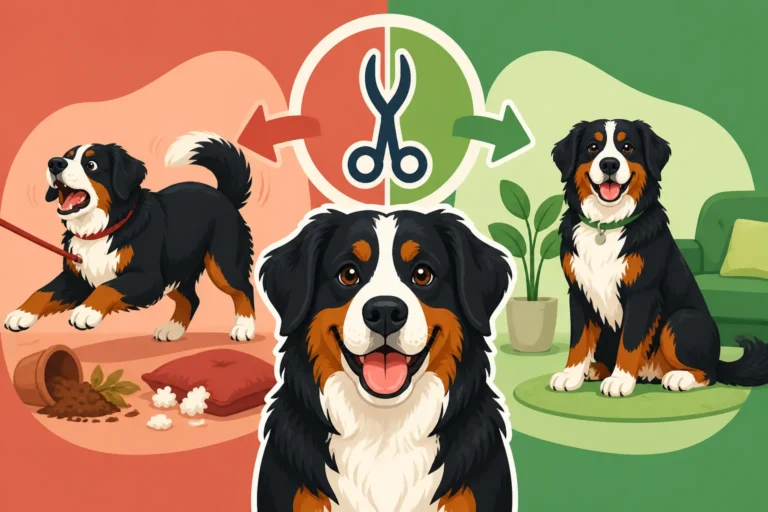
Many well-meaning people suggest shaving a Bernese Mountain Dog in summer, but this can actually do more harm than good. The outer coat also provides a degree of protection from the sun's harsh UV rays, and once shaved, it can grow back improperly, sometimes feeling coarse and losing its insulating properties entirely. It's a tricky balance to maintain their comfort without damaging their natural protection. Instead of shaving, focus on meticulous grooming to remove loose undercoat, which helps with air circulation. Regularly using a good deshedding rake can make a noticeable difference in reducing the bulk of that insulating layer.
Recognizing Early Signs of Overheating
Your Bernese Mountain Dog might not always tell you in obvious ways that they're getting too hot, but they will show subtle clues if you know what to look for. Early recognition is absolutely key to preventing a mild discomfort from escalating into a dangerous situation like heatstroke. A Berner in distress might start panting excessively, much more heavily than usual for the activity they're doing. Their tongue might extend further out than normal, and their gums might appear bright red or even pale. You might notice they're seeking shade more frequently, lagging behind on walks, or even refusing to move at all.
Other signs can include changes in demeanor; perhaps they become a bit disoriented or less responsive to commands. Their stride might become less coordinated, or they could develop a glassy-eyed look. If you notice any of these indicators, stop immediately. It's time to find shade, offer water, and consider if your training session needs to be cut short or postponed. Ignoring these signs puts your beloved companion at significant risk. Remember, The Temperature a Bernese Mountain Dog Stops Coping is lower than you might think, and their robust appearance can be deceiving.
Adjusting Training Schedules and Environments
When the summer sun beats down, simply going out for a walk or a training session at your usual time can be a recipe for disaster. The heat doesn't just affect your Berner's physical comfort; it impacts their ability to focus, learn, and perform. Adapting your schedule and choosing the right environment are non-negotiable for successful and safe hot weather training.
Early Morning and Late Evening Sessions
The coolest parts of the day are typically just after sunrise and well after sunset. This is when the ambient temperature is at its lowest, and more importantly, the ground temperature is significantly reduced. Pavement, asphalt, and even concrete can absorb and retain heat for hours, becoming hot enough to burn your dog's paw pads even when the air feels relatively mild to you. You can test this by placing the back of your hand on the surface for seven seconds; if it’s too hot for your hand, it’s too hot for their paws.
Scheduling your training sessions for these cooler windows means you avoid the peak heat of the day, making it much more comfortable and safer for your Berner. Instead of aiming for that midday walk, get up a bit earlier for a refreshing training walk or wait until the evening cool has truly settled in. This might mean adjusting your own routine, but it's a small sacrifice for your dog's well-being and the quality of their training. On truly sweltering days, even these times might be too warm, which leads us to our next point. Always refer to The Hours a Bernese Mountain Dog Should Not Walk during summer.
Leveraging Indoor and Shaded Training Spaces
Sometimes, outdoor training simply isn't an option. On those days when the heat and humidity are relentless, moving your training indoors is the smartest choice. This doesn't mean you have to halt all progress! Many obedience commands, tricks, and mental enrichment exercises can be done comfortably inside your home. Think about working on "stay," "leave it," impulse control games, or even new tricks like "spin" or "bow." Your air-conditioned living room or a cool basement can be a perfect training ground.
If you do need to be outdoors, seek out heavily shaded areas like a dense park with mature trees, or even a covered porch or garage. These spots offer respite from direct sunlight, which is often the most intense source of heat. Remember that humidity also plays a huge role; even in the shade, high humidity makes it much harder for dogs to cool themselves through panting. Keep an eye on the weather forecast not just for temperature, but for humidity levels too. For owners looking for structured indoor training options, services like BAXTER & Bella offer online programs that can be followed from the comfort and safety of your cool home, allowing you to continue your dog's education without worrying about the outdoor elements.
Modifying Training Intensity and Activities
Even with adjusted schedules and cool locations, you can't expect your Bernese Mountain Dog to perform at their peak during hot weather. Their energy levels will naturally be lower, and their tolerance for physical exertion will be significantly reduced. Trying to push them through their usual routine can be counterproductive and dangerous. The key is to adapt your expectations and the nature of the training itself.
Shorter, More Frequent Sessions
Instead of one long, intensive training session, break it down into multiple shorter, more manageable bursts throughout the day. A five-to-ten-minute session focusing on a single command or a short sequence can be far more effective and less taxing than a thirty-minute ordeal. These mini-sessions keep your Berner engaged and reinforce learned behaviors without risking overheating or burnout. It also allows you to capitalize on those brief windows of cooler temperatures or moments when your dog seems particularly refreshed.
Think about it like this: your Berner might have a short burst of energy after a nap, or just after coming in from a quick potty break in the cool grass. Use these moments. You can even combine training with other activities, like asking for a "sit" and "stay" before they get their food bowl, or a "down" while you're watching TV. This approach makes training less of a formal event and more seamlessly integrated into their daily life, which can actually lead to faster learning and better retention.
Prioritizing Mental Enrichment Over Physical Exertion
When physical activity needs to be curtailed due to heat, pivot your focus to mental stimulation. Bernese Mountain Dogs are intelligent and thrive on having a "job" to do, even if that job involves puzzles and problem-solving rather than pulling a cart. Scent work, puzzle toys, and learning new tricks are fantastic ways to tire out their minds without raising their body temperature. Hiding treats around the house for them to sniff out, or teaching them to identify specific toys by name, can be incredibly engaging.
Consider advanced obedience cues that require more thought than movement, or even "shaping" a new behavior entirely. A simple "find it" game with their favorite treats can be surprisingly tiring for their brain. There are countless interactive toys available on platforms like Amazon that dispense treats as your dog solves a puzzle, providing both mental stimulation and a reward. This shift in focus ensures your Berner remains stimulated and happy, even if their usual long walks or playtime sessions are temporarily on hold. Training a Bernese Mountain Dog Indoors in Summer can open up a whole new world of engagement.
Essential Gear and Tools for Hot Weather Training
Having the right equipment can make all the difference in keeping your Bernese Mountain Dog safe and comfortable during warm weather training. Just like athletes have specialized gear for different conditions, so too should your Berner have access to tools that aid in heat management.
Portable Water and Cooling Accessories
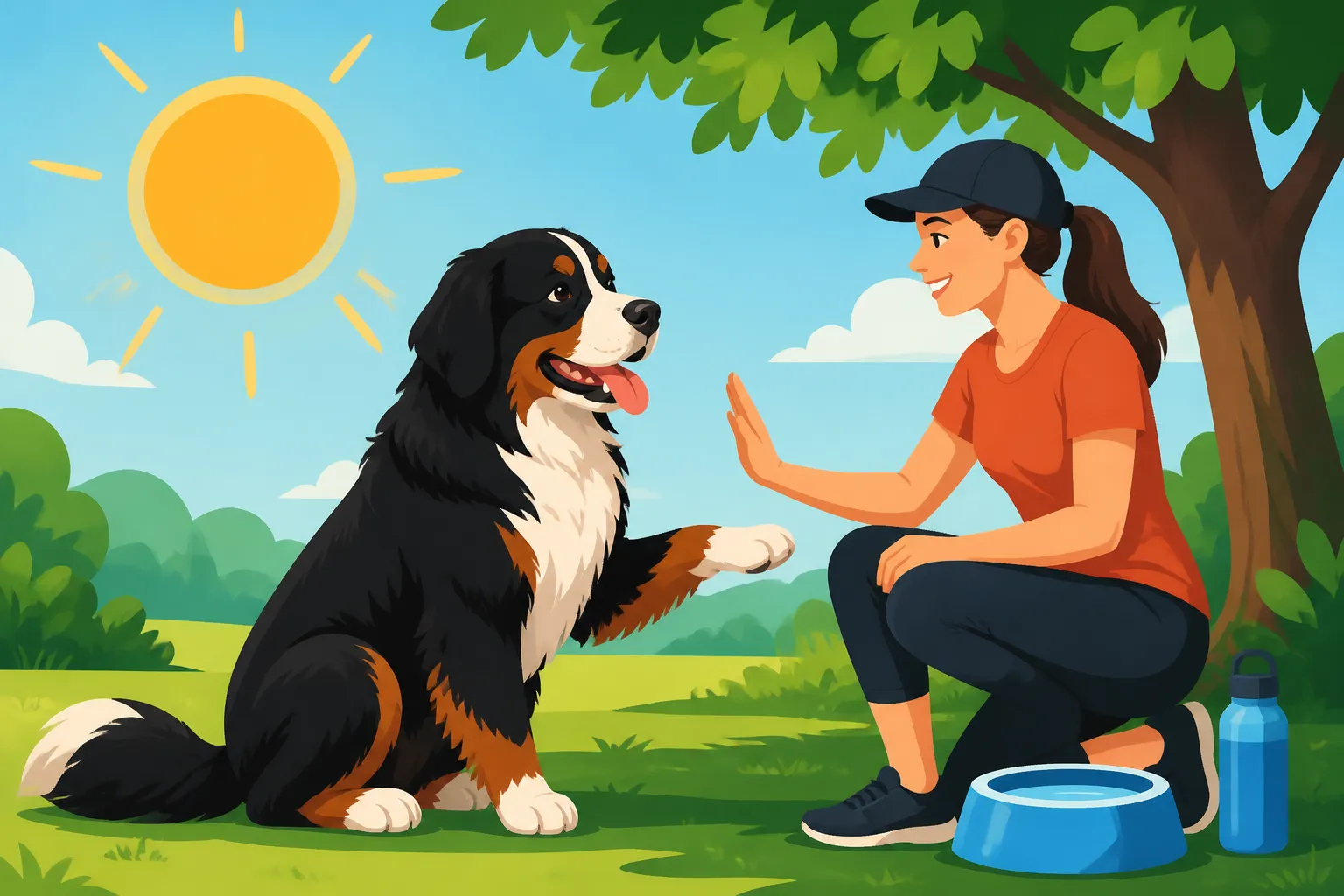
Access to fresh, cool water is paramount. Always carry a portable water bottle and a collapsible bowl specifically designed for dogs, even on short walks or training excursions. Offer water frequently, even if your dog doesn't immediately seem thirsty. Hydration is crucial for their internal cooling mechanisms. There are many excellent options available, including bottles with integrated bowls, making it easy to keep your Berner hydrated on the go.
Beyond water, cooling accessories can provide additional relief. Cooling vests, bandanas, and mats work by utilizing evaporative cooling or internal gel packs to draw heat away from your dog's body. A cooling vest, for instance, is designed to keep your dog's core temperature down by holding a cool, damp layer against their fur. Brands like Ruffwear and Kurgo offer robust options that can be found on online retailers such as Amazon. These tools can make a significant difference in how long and how comfortably your Berner can participate in even low-intensity activities. Remember, Keeping a Room Cool Enough for a Bernese Mountain Dog extends to their outdoor environment as much as possible.
Paw Protection and Appropriate Footwear
As mentioned earlier, hot pavement is a serious hazard. Your Bernese Mountain Dog's paw pads, while tough, are not immune to burning. Walking on hot surfaces can cause blisters, burns, and extreme discomfort, which can derail any training session and lead to costly vet visits. Always check the ground temperature. If it's too hot for your hand, it's too hot for their paws.
Consider paw protection like dog booties or balms. Dog boots, while sometimes met with initial resistance, can provide an excellent barrier against hot surfaces. It might take some desensitization and positive reinforcement to get your Berner used to wearing them, but the protection they offer is invaluable. If boots aren't an option, stick strictly to grassy areas, shaded trails, or indoor spaces. Avoid asphalt, concrete, and sandy beaches during peak heat. Even a short dash across a hot parking lot can cause damage.
Recognizing and Preventing Heat-Related Issues
Prevention is always better than cure, especially when it comes to heat-related illnesses in Bernese Mountain Dogs. These conditions can escalate rapidly and become life-threatening. Being vigilant and proactive is the greatest gift you can give your Berner during warm weather.
Understanding Heat Exhaustion and Heatstroke
It's vital to differentiate between general overheating, heat exhaustion, and the much more serious heatstroke. Overheating is when your dog is simply too warm and needs to cool down. Heat exhaustion is a more severe stage, characterized by symptoms like excessive panting, drooling, weakness, dizziness, and sometimes vomiting or diarrhea. If not addressed immediately, heat exhaustion can quickly progress to heatstroke.
Heatstroke is an emergency. It occurs when a dog's body temperature rises to dangerous levels (typically above 104°F or 40°C), leading to cellular damage and organ failure. Symptoms include very rapid and noisy panting, stumbling, seizures, loss of consciousness, bright red or pale gums, a rapid heart rate, and thick, sticky saliva. Heat Stroke in a Bernese Mountain Dog is a critical concern, and knowing these signs can save your dog's life. If you suspect heatstroke, immediate veterinary attention is crucial.
Emergency Response and Veterinary Care
If you notice any severe signs of overheating or suspect heatstroke, every second counts. Your first steps are to remove your dog from the hot environment immediately. Move them to a cool, shaded area or an air-conditioned space. Offer cool (not ice cold) water. You can gently spray or sponge down their body with cool water, focusing on their paws, belly, groin, and neck. Do NOT immerse them in ice water, as this can cause their blood vessels to constrict and actually hinder cooling.
While initiating cooling measures, contact your veterinarian or the nearest emergency veterinary clinic immediately. Let them know you're on your way with a suspected heatstroke case. They will provide critical care, which may include intravenous fluids, oxygen therapy, and close monitoring of organ function. Even if your dog seems to recover quickly, internal damage can still occur, so a vet check-up is always recommended after a serious heat incident. Knowing how to react in these situations can make the difference between a full recovery and a tragic outcome. For more detailed information, consider reading Cooling a Collapsed Bernese Mountain Dog in the Field.
Keeping Motivation High While Staying Safe
Training a Bernese Mountain Dog requires patience and consistency, and hot weather can test both yours and your dog's resolve. It's easy for motivation to wane when conditions are uncomfortable, but there are strategies to keep the spark alive while prioritizing safety.
High-Value Rewards and Short Bursts of Fun
When your Berner isn't feeling their most energetic, regular kibble might not cut it as a reward. This is the time to bring out the high-value treats – small pieces of cooked chicken, cheese, or specialized training treats that they absolutely adore. These irresistible rewards can provide the extra incentive needed to keep them focused and engaged during short training bursts. The goal is to make the training experience so rewarding and enjoyable that they're happy to participate despite the heat.
Combine these high-value rewards with enthusiastic praise and gentle play (if appropriate for the temperature). Keep training sessions brief and end on a high note, leaving your dog wanting more. This approach fosters a positive association with training, making them more eager for the next session, even if it's just a quick five-minute mental exercise indoors. Don't underestimate the power of a happy voice and a delicious treat to motivate your fluffy friend.
Focusing on Maintenance and Review
Hot weather isn't the ideal time to teach complex new behaviors that require intense concentration and physical repetition. Instead, consider shifting your training focus to maintaining existing skills and reviewing previously learned commands. This helps prevent regression and keeps their mind sharp without demanding too much energy. Practicing known commands in different indoor environments or during brief, cool outdoor moments reinforces their learning without the pressure of mastering something new.
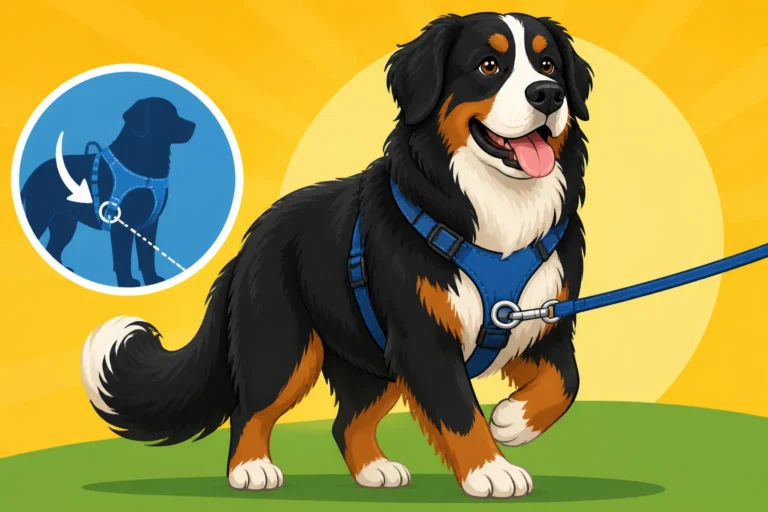
Think of it as a "summer school" for their existing knowledge. Run through their basic obedience commands like "sit," "stay," "down," and "come." Work on leash manners for short distances in the coolest part of the day, ensuring they still remember how to walk nicely. This maintenance phase ensures that once cooler weather returns, you can jump right back into more advanced training without having to restart from scratch. It's about smart training, not stopping training altogether. If you're looking for guidance on how to structure these sessions, online programs, such as those offered by BAXTER & Bella, can provide a steady stream of ideas for indoor, low-impact training activities, ensuring continuity in your dog's education no matter the weather.
| Condition | Training Strategy | Recommended Activities | Gear Checklist |
|---|---|---|---|
| Mild Heat (70-75°F / 21-24°C) | Shorter sessions, plenty of water, monitor for panting. | Light walks in shade, basic obedience review. | Portable water, collapsible bowl. |
| Moderate Heat (76-85°F / 25-29°C) | Early morning/late evening only, mostly indoors or heavy shade. | Mental games, puzzle toys, scent work, short trick training. | Cooling vest/bandana, portable water, paw protection. |
| High Heat (86°F+ / 30°C+) | Absolutely no outdoor physical training. Strict indoor only. | Advanced mental enrichment, basic impulse control, cuddles! | Air conditioning, cooling mat, unlimited water access. |
| High Humidity | Increases perceived temperature significantly; treat as 5-10°F hotter. | Reduce intensity further, prioritize indoor activities. | Extra fan circulation, dehumidifier (indoors), extra hydration. |
Disclaimer
This article is for general informational purposes only and does not constitute professional advice. Laws, prices and regulations vary by location and change over time. Consult a qualified professional for guidance on your specific situation.