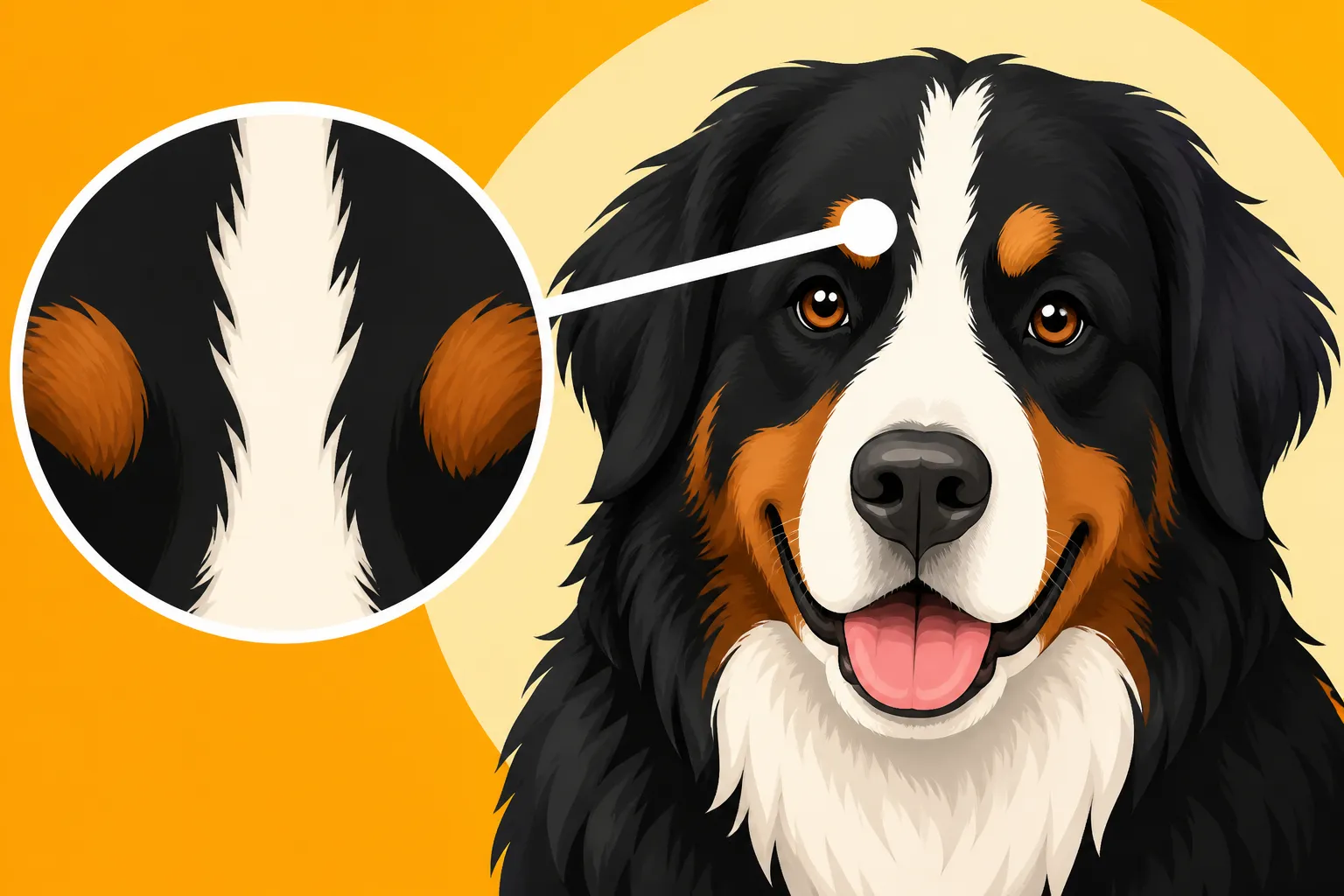
The Blaze on a Bernese Mountain Dog’s Face
One of the most instantly recognizable features of a Bernese Mountain Dog is that striking white stripe running down their face, affectionately known as the blaze. It's a hallmark that draws so many of us in, giving each Berner an almost regal, yet undeniably sweet, expression. But what exactly defines a "perfect" blaze, and how much variation is truly normal? This guide will dive deep into this iconic marking, exploring its nuances, what it means for the breed standard, and why it's such a beloved part of our Berners.
Understanding the Bernese Mountain Dog's Facial Markings
When you look at a Bernese Mountain Dog, your eyes are naturally drawn to their expressive face. It’s not just their gentle eyes or their soft, floppy ears; it’s often that distinctive pattern of white and rust against their deep black coat. The blaze is a huge part of this unique facial landscape, acting almost like a beacon. It’s more than just a splash of white; it's a carefully described characteristic in the breed standard, and understanding it helps us appreciate the intricate beauty of these dogs even more.
What is the Blaze on a Bernese Mountain Dog?
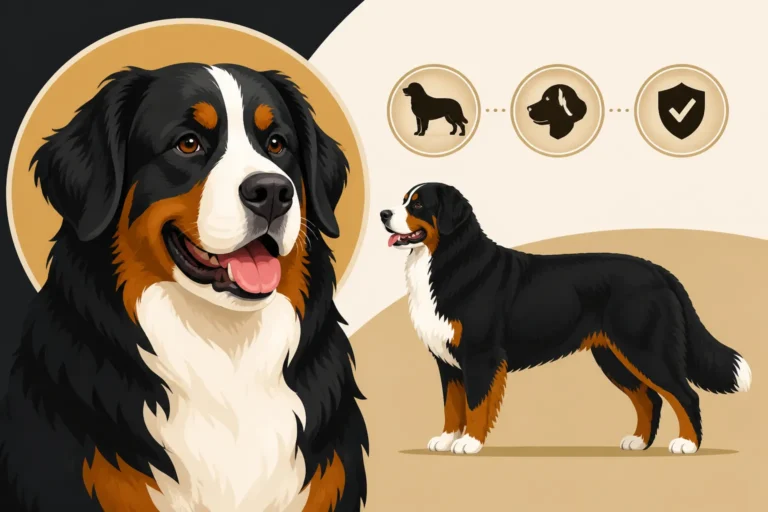
The blaze is essentially the white stripe that typically starts between the eyes and runs down the bridge of the nose, often widening slightly before tapering towards the muzzle. It’s a foundational part of the Bernese Mountain Dog's signature tricolor pattern. Think of it as a natural arrow pointing to their sweet nose, framing their eyes and adding so much character. It’s rarely just a straight line; there are usually subtle curves and variations that make each dog's face truly unique.
According to the breed standard, the blaze should be clean and symmetrical, or at least appear so. It shouldn’t extend too far up the forehead or be so wide that it spills over the sides of the muzzle. A well-defined blaze enhances the dog's kindly expression, giving them that classic "Berner look" that makes them so beloved. It's truly a defining characteristic, differentiating them from other similar breeds, or even other tricolor dogs that might have less distinct facial markings.
The Ideal Blaze According to Breed Standards
For those involved in showing or breeding Bernese Mountain Dogs, the blaze is a point of considerable discussion and adherence to the breed standard. The ideal blaze, as often described, begins cleanly between the eyes, continues down the bridge of the nose, and widens only slightly over the muzzle. It should be crisp, well-pigmented, and distinctly white, contrasting beautifully with the rich black of the head and the rust points. The symmetry is highly valued, creating a balanced and pleasing aesthetic.
However, it's important to remember that "ideal" often refers to conformation standards. For a cherished family pet, minor deviations from this ideal are absolutely normal and don't diminish their beauty or health in any way. For instance, some blazes might be narrower, or slightly asymmetrical, without being considered a significant fault outside the show ring. The standard is a guideline, and our beloved Berners often carry unique interpretations of it, making them even more special to us.
The Significance and Aesthetics of the Blaze
The blaze on a Bernese Mountain Dog isn't just a random patch of white; it's steeped in tradition, playing a crucial role in how the breed is perceived and judged. It speaks to their heritage as Swiss Mountain Dogs and contributes immensely to their overall charm and expression. For many owners, it's the first thing they notice and fall in love with about a Berner puppy, a feature that matures with them throughout their lives.
Contributing to the Berner's Expressive Face
Beyond simply being a white stripe, the blaze dramatically shapes the Bernese Mountain Dog's facial expression. It highlights their dark, intelligent eyes and softens their otherwise large, powerful head. Without the blaze, a Berner's face might appear heavier or less defined. With it, they possess a look that is both gentle and alert, friendly yet dignified. This is particularly true when they lean into you, their muzzle resting on your lap, and those soulful eyes look up; the blaze draws your attention directly to their kind gaze.
Many owners describe their Berners as having a perpetual "puppy dog" face, and the blaze plays a big part in that. It gives them an innocent, almost inquisitive look, which perfectly matches their affectionate and good-natured temperament. It's one of those subtle touches that contributes to why these dogs are often chosen for therapy work, as their inviting appearance puts people at ease. The Kind Expression a Bernese Mountain Dog Standard Wants highlights just how important this visual appeal is to the breed's character.
How the Blaze Factors into Breed Judging
In the world of dog shows, markings are incredibly important, and the blaze is no exception for the Bernese Mountain Dog. Judges meticulously examine the pattern, symmetry, and overall presentation of the blaze as part of evaluating how well a dog conforms to the breed standard. A strong, well-defined blaze is often seen as a mark of quality and classic breed type. Too wide, too narrow, or excessively asymmetrical can be considered a fault.
However, judges also look at the overall picture, not just one isolated feature. While a perfect blaze is desirable, it won't overshadow other crucial aspects like temperament, structure, movement, or overall health. A truly exceptional Berner might have a blaze that isn't absolutely "perfect" but still excels in other areas. It's all about balance and how all the elements come together to represent the ideal working dog from the Swiss Alps. Still, many breeders will strive for that classic, attractive blaze pattern in their litters, as it is so visually appealing.
Variations in Blaze Patterns
Just like snowflakes, no two Bernese Mountain Dog blazes are exactly alike, even if they share the same fundamental tricolor pattern. These variations are part of what makes each dog an individual, and while the breed standard outlines an ideal, the reality is that a wide range of beautiful blazes exists. Understanding these common variations can help new owners appreciate the unique charm of their own Berner.
Narrow, Wide, or Broken Blazes
The most common blazes tend to be a mid-range width, starting between the eyes and widening slightly over the muzzle. However, you'll see plenty of Berners with narrower blazes, sometimes just a thin strip of white, or conversely, wider blazes that cover more of the muzzle and cheeks. A very narrow blaze might be described as a "pencil blaze," while a very wide one can sometimes extend to touch the white on the side of the face, if present.
Sometimes, a blaze might appear "broken" or interrupted. This means the white stripe might not be continuous from the forehead all the way down the nose. Perhaps there's a small patch of black in the middle, or it tapers to nothing and then restarts. While these might be considered minor deviations in the show ring, they are perfectly normal and don't indicate any health issues. They simply add to the unique artwork that is your Bernese Mountain Dog's face. What the Bernese Mountain Dog Shares With Its Swiss Cousins often touches on the variations in markings across the Sennenhund breeds.
Symmetrical vs. Asymmetrical Blazes
The breed standard emphasizes symmetry, and indeed, many Berners boast a beautifully balanced blaze that creates a harmonious look. But it's also common to see blazes that are slightly asymmetrical. One side might be a little wider, or the white might extend further on one side of the nose than the other. This can give a Berner a slightly mischievous or unique expression, setting them apart from the crowd.
An asymmetrical blaze is rarely a cause for concern. It's a natural genetic variation, much like how humans might have slightly different eyebrow shapes or freckle patterns. As long as the blaze is clearly white and well-pigmented, an asymmetrical pattern is simply a characteristic. It’s part of your dog’s unique charm and doesn't affect their health, temperament, or ability to be a wonderful companion. Don't worry if your Berner's blaze isn't perfectly mirror-imaged; it's still perfectly them.
Beyond the Blaze: Other Facial Markings
While the blaze is undeniably eye-catching, a Bernese Mountain Dog's face is a canvas of other striking markings that complement and interact with it. These additional splashes of white and warm rust complete the classic tricolor look, giving each Berner an almost bespoke appearance. Understanding these other markings helps appreciate the full genetic artistry at play on their adorable faces.
The 'Swiss Kiss' and Other White Patches
One of the most charming accompanying white markings is often referred to as the "Swiss Kiss." This is a small, sometimes diamond-shaped, white patch typically found on the back of the neck or just below the skull, usually hidden beneath their thick ruff. It's not always present, and when it is, it varies greatly in size and shape. It’s a lovely, hidden detail that connects them to their Swiss heritage, reminiscent of the country's flag. The Swiss Kiss Behind a Bernese Mountain Dog's Neck delves into this charming feature more deeply.
Beyond the blaze, many Berners will also have white on their chest, forelegs, and tail tip. On the face itself, some might have white "lips" or a small white patch under the chin that blends into the chest markings. These white areas should ideally be crisp and clear, without ticking (small flecks of black or rust within the white), though minor ticking is common and generally not a major fault for pet owners. These white accents brighten their faces and provide a beautiful contrast to their deep black and rust coats.
Rust Markings Around the Eyes and Cheeks
The other key color element on a Bernese Mountain Dog's face, complementing the black and white, is the rich rust or tan marking. These typically appear as distinct points above each eye, almost like eyebrows, and on their cheeks. Sometimes, these rust patches can be quite large, blending into the white of the blaze on the muzzle, or clearly delineated. The depth of color can vary from a deep mahogany to a lighter tan, but a rich, warm rust is generally preferred in the breed standard.
These rust markings are essential to the tricolor pattern and greatly contribute to the Berner's expressive face. The "eyebrow" spots, in particular, accentuate their gentle eyes, giving them a perpetually concerned or thoughtful look that owners adore. When grooming your Berner, pay attention to these areas, especially if they’ve been digging in the yard. Keeping their face clean isn't just about aesthetics; it also allows you to monitor for any skin irritations under the coat, especially around these distinct color changes. A quick wipe-down with a damp cloth, perhaps with a touch of dog-safe facial cleanser you might find on Chewy, can help keep these points looking vibrant and healthy.
Caring for Your Berner's Facial Features
Our Bernese Mountain Dogs are stunning creatures, and their beautiful facial markings, especially that distinctive blaze, are a big part of their appeal. Keeping their face clean and well-maintained isn't just about looks; it's also about ensuring their comfort and health. Due to their long coats and penchant for outdoor adventures, a Berner’s face can gather a lot of dirt, debris, and even food residue.
Keeping the White Blaze Clean
That pristine white blaze can, unfortunately, be a magnet for dirt, especially if your Berner loves to dig or has a messy drinking style. Mud, dust, and even general grime can quickly dull the white, turning it a rather unfortunate shade of brown or grey. This is particularly noticeable around the muzzle and lower part of the blaze. While a little dirt is inevitable with an active Berner, regular cleaning can prevent staining and keep their face looking fresh.
A soft, damp cloth is your best friend here. For tougher spots, a mild, dog-safe facial cleanser or even a tear stain remover (designed for light-colored coats) can be used sparingly. Always be careful around their eyes and ensure any product used is explicitly safe for canine facial application. It’s a good habit to incorporate a quick face wipe into your daily routine, perhaps after walks or meals, to catch any grime before it sets in. You can easily find these kinds of gentle cleaning wipes or solutions at pet supply retailers like Chewy, making it a convenient addition to your grooming kit.
Grooming Tools for Facial Hair and Around the Eyes
The Bernese Mountain Dog's coat, including the hair on their face, is quite dense and can sometimes get tangled, particularly the longer feathering around the ears and chin. While the blaze itself is typically made up of shorter, smoother hair, the surrounding areas can benefit from a little attention. A small, fine-toothed comb or a soft slicker brush can be helpful for gently working through any minor tangles around their ears or under their chin.
For the hair around their eyes, it's usually not necessary to trim it unless it's genuinely obstructing their vision or causing irritation. If you notice persistent tearing or irritation, consult your vet first to rule out any underlying health issues. If trimming is needed, use blunt-nosed scissors specifically designed for pet grooming and always point them away from the eye, being extra cautious. Regular checks of these areas for redness, discharge, or any foreign objects are crucial for your Berner's comfort. What a Bernese Mountain Dog Groom Costs details the broader grooming expenses, but specific facial care items are usually quite affordable.
Common Misconceptions and Owner Observations
It’s natural to have questions and observations about your Bernese Mountain Dog's unique appearance, especially when it comes to their distinctive facial blaze. Many myths and anecdotes circulate among owners, but it’s important to separate fact from fiction. Let's clear up some common thoughts people have about this striking feature.
Does Blaze Shape Indicate Health or Temperament?
A common misconception is that the shape or symmetry of a Bernese Mountain Dog’s blaze can somehow indicate their health, temperament, or even their "purity" of breed. This simply isn't true. The blaze is a cosmetic marking, dictated by genetics, and has absolutely no bearing on a dog’s well-being, intelligence, or personality. A Berner with a perfectly symmetrical blaze is no healthier or better-tempered than one with a slightly crooked or broken blaze.
Bernese Mountain Dogs are known for their sweet, gentle, and outgoing personalities, and this characteristic is determined by their breeding and early socialization, not by a white stripe on their face. The same goes for health; the shape of a blaze tells you nothing about their predisposition to conditions like Histiocytic Sarcoma in a Bernese Mountain Dog or Joint Disease in a Hundred Pound Bernese Mountain Dog. If you're concerned about your Berner's health, focus on reputable breeders who perform thorough health clearances, not just on superficial markings.
Can a Blaze Change or Fade with Age?
While the core pattern of a Bernese Mountain Dog's blaze is set by their genetics and present from birth, there can be very subtle changes as they mature. In puppies, the blaze might seem a little less defined, and as their coat grows in and thickens, the lines might become crisper. However, a wide blaze won't suddenly become narrow, nor will a broken one seamlessly connect. The fundamental shape will remain consistent throughout their life.
What can happen is that the white hair within the blaze, like all white fur, can sometimes become stained or appear duller over time due to environmental factors, tear stains, or saliva. This isn't the blaze itself changing, but rather the cleanliness and vibrancy of the white fur. Regular grooming and cleaning, as mentioned earlier, can help maintain its bright appearance. Similarly, the rust markings around the eyes and cheeks can sometimes deepen or lighten slightly with age, or even appear faded if the dog is constantly exposed to strong sunlight, but the blaze itself is largely stable.
The Cultural Connection: Blazes in Swiss Heritage
The Bernese Mountain Dog's tricolor coat and distinctive markings aren't just pretty; they are deeply rooted in the breed's history and its origins in the Swiss Alps. These patterns speak to their heritage as farm dogs, working alongside people for centuries. The blaze, in particular, has become an iconic representation of the breed’s connection to its past and its present identity.
Echoes of the Swiss Countryside
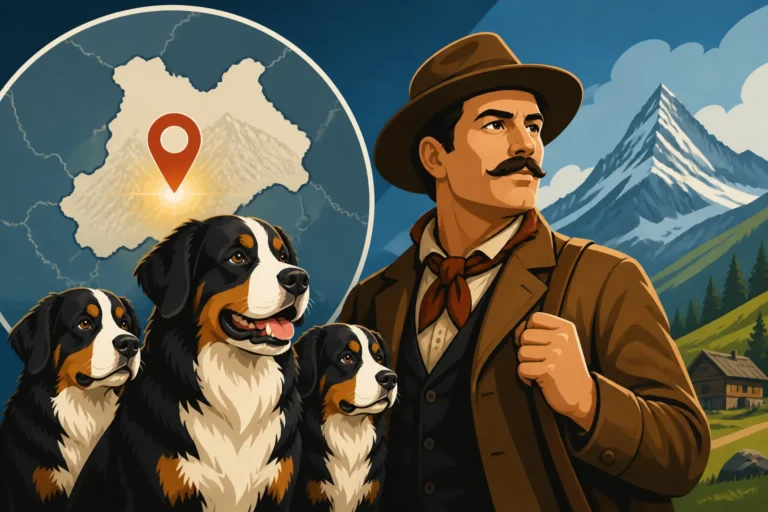
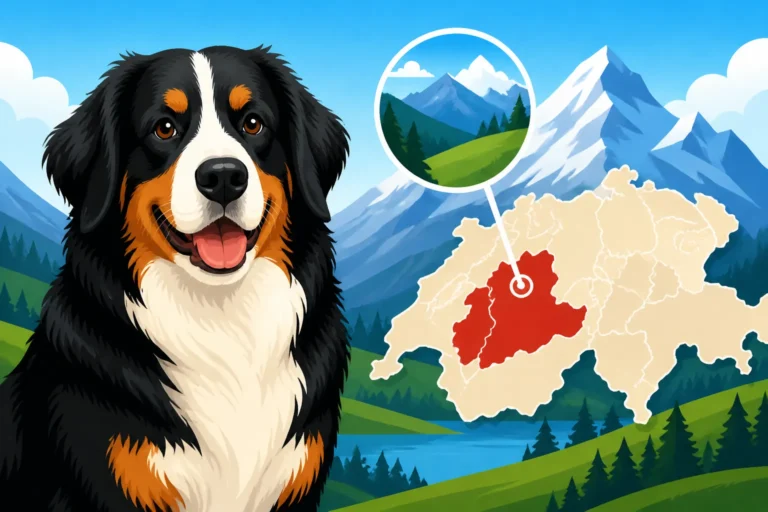
Imagine the Bernese Mountain Dog, or "Berner Sennenhund" as they are known in their homeland, traversing the snowy peaks and green valleys of Switzerland. Their sturdy build, warm double coat, and striking markings were not just for show; they served practical purposes. The white blaze, while seemingly decorative, contributed to their distinctiveness and perhaps even their visibility in certain terrains, although its primary purpose was likely aesthetic and part of the selection for specific phenotypes. The Swiss Valley the Bernese Mountain Dog Comes From offers a wonderful glimpse into their native landscape.
These dogs were originally bred for a variety of tasks, from droving cattle to guarding farmsteads, and famously, pulling carts laden with milk or cheese to market. While the blaze didn't directly assist in these tasks, the overall striking appearance of the Bernese Mountain Dog made them easily recognizable and cherished companions. The consistent marking patterns helped farmers and breeders identify their lines and maintain the breed's distinct look, ensuring it was a source of pride in the rural communities.
Why Markings Were So Important for Farmers
For the Swiss farmers who developed the Bernese Mountain Dog, consistency in appearance, including markings, was often a sign of a well-bred, pure dog. In a time before formalized breed registries, distinct and recognizable markings like the blaze, the rust points, and the white chest cross helped distinguish these working dogs from generic farm dogs. These markings became a visual shorthand for the qualities the farmers desired: strength, good temperament, and a reliable working ethic.
The tricolor pattern, with its defined white markings, was considered beautiful and a symbol of the breed's integrity. It was part of what made a Bernese Mountain Dog, a Berner Sennenhund. While other Swiss Mountain Dog breeds share the tricolor pattern, the Bernese Mountain Dog is unique in its long coat and specific white patterns, making the blaze a central feature of its identity. It’s a testament to centuries of selective breeding that these markings remain so consistent and cherished today. What a Bernese Mountain Dog Did on a Swiss Farm really brings home the practical side of these amazing dogs.
| Facial Marking | Description | Typical Appearance | Significance |
|---|---|---|---|
| Blaze | White stripe from between eyes down the nose. | Usually starts narrow, widens slightly, tapers at muzzle. | Key breed identifier, softens expression. |
| Swiss Kiss | Small white patch on the back of the neck/base of skull. | Varies in size, often diamond-shaped, can be absent. | Charming genetic variant, hidden detail. |
| Rust Points | Tan/reddish-brown markings above eyes and on cheeks. | Distinct "eyebrows," often blending towards muzzle/ears. | Part of tricolor, accentuates eyes. |
| White Muzzle | White hair around the mouth/chin, sometimes extending. | Can connect to the blaze or chest white, varies. | Brightens muzzle, enhances puppy-like look. |
Living with a Berner and Their Beautiful Blaze
Embracing a Bernese Mountain Dog into your life means welcoming all their wonderful traits, and their striking appearance, including that gorgeous blaze, is definitely one of them. While we’ve discussed the intricacies of this marking, the real joy comes from living with and loving a dog who carries this distinct feature every day. It's a daily reminder of their heritage and their unique charm.
Celebrating Individuality in Your Berner
Every Bernese Mountain Dog is an individual, and their blaze is often a perfect reflection of that. Whether it's a perfectly symmetrical "show quality" blaze or one that's a little bit quirky and unique, it's part of what makes your Berner special. We often find ourselves pointing out the subtle differences to friends and family, noting how "Freyja's blaze is a bit wider than my old boy Thor's was," or "Look how perfectly straight Bear's white line is!" These details bond us to our dogs even more.
Don't let any breed standard dictate how you feel about your beloved companion's markings. Their beauty lies in their entire being – their loving heart, their playful spirit, and yes, their stunning appearance. The blaze is just one part of the magnificent package that is a Bernese Mountain Dog. We often use positive reinforcement during grooming, offering a tasty treat from Chewy as we gently wipe their face, making the experience positive and reinforcing their trust in us.
The Blaze as a Conversation Starter
Let's be honest: Bernese Mountain Dogs are head-turners. People stop us on walks, at the park, and even in pet-friendly stores, often to comment on their size, their fluffiness, or their incredibly friendly demeanor. And almost invariably, someone will mention their beautiful face, often specifically pointing out that distinctive white stripe. "Oh, what a handsome dog! I love the white stripe on his face!" is a phrase I’ve heard countless times.
The blaze truly is a conversation starter, drawing people in and giving you a wonderful opportunity to share a little bit about the breed you love so much. It connects us, as Berner owners, and it educates others about these incredible dogs. So, next time someone compliments your Bernese Mountain Dog's blaze, take a moment to appreciate this iconic feature, a symbol of their rich history and their undeniable charm. Why People Fall for a Bernese Mountain Dog Puppy often starts with that captivating face.
Disclaimer
This article is for general informational purposes only and does not constitute professional advice. Laws, prices and regulations vary by location and change over time. Consult a qualified professional for guidance on your specific situation.