What the Bernese Mountain Dog Shares With Its Swiss Cousins
Bringing a Bernese Mountain Dog into your life often means falling head over heels for their gentle nature and striking appearance. But if you’ve ever delved a little deeper, you might start to wonder how much they share with those other magnificent "Swiss Mountain Dogs." It can be confusing to untangle the family tree, but you're in the right place to understand the deep connections, and sometimes subtle differences, that link the Bernese Mountain Dog to its lesser-known, but equally captivating, Swiss cousins. This guide will help you see the familial resemblances and shared traits that bind these wonderful breeds together.
The Sennenhund Legacy: A Shared Alpine Heritage
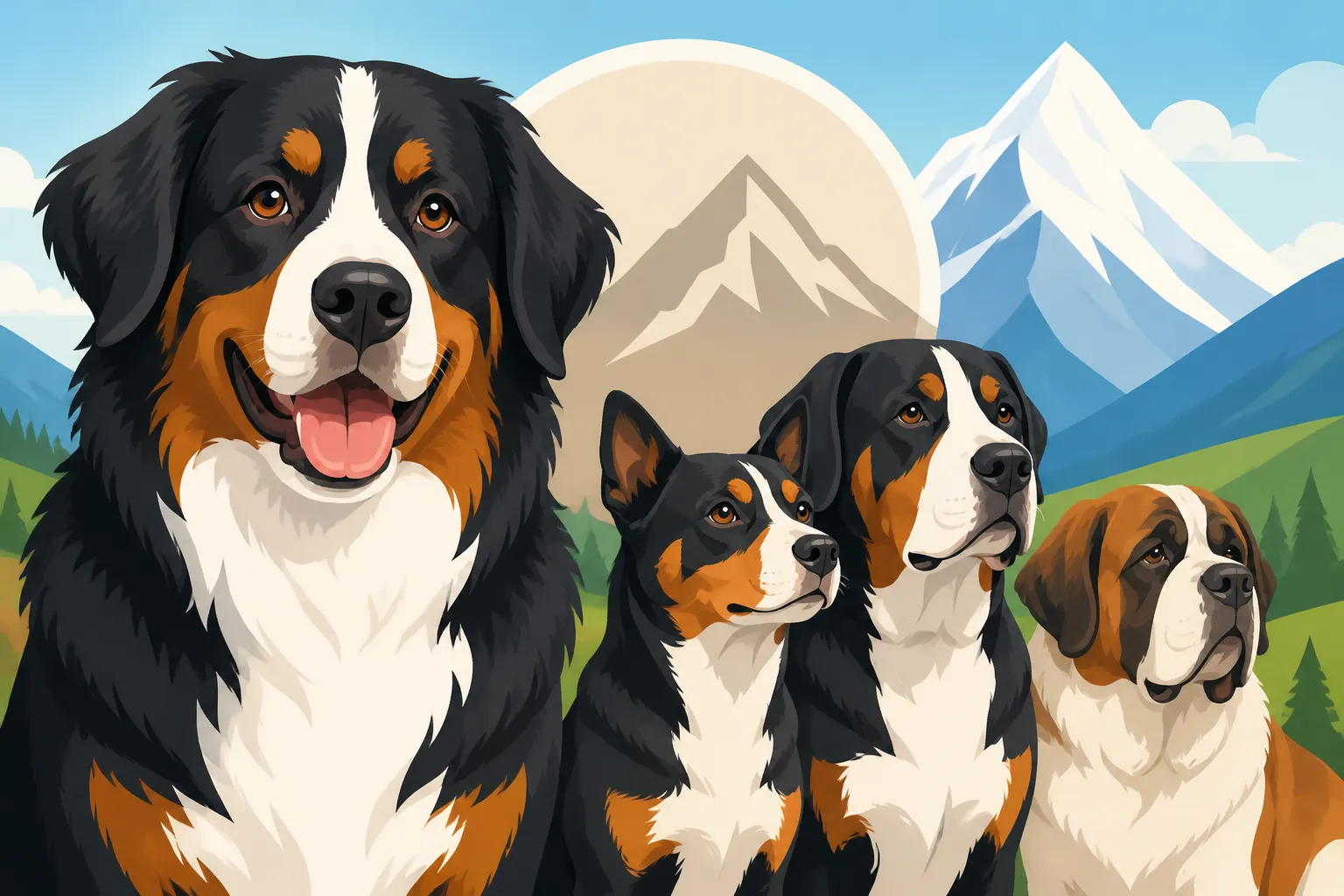
When we talk about the Bernese Mountain Dog's "Swiss cousins," we're really talking about the other three Sennenhund breeds: the Greater Swiss Mountain Dog, the Appenzeller Sennenhund, and the Entlebucher Sennenhund. The term "Sennenhund" itself is a clue, translating roughly to "alpine pasture dog" or "dairy farmer's dog," and it speaks volumes about their shared history and purpose in the Swiss Alps. These dogs weren't just pets; they were integral working members of rural Swiss life for centuries, performing similar tasks in often harsh, mountainous environments.
Tracing Their Ancestral Roots
All four Sennenhund breeds can trace their lineage back to the working farm dogs of the Swiss Alps, believed to have descended from large mastiff-type dogs brought over by the Romans. These early dogs were vital for farmers, helping with everything from droving cattle to guarding homesteads and pulling carts laden with milk or cheese to market. Each breed developed in a specific region or canton of Switzerland, which is where they get their names. For instance, the Bernese Mountain Dog originated in the canton of Bern, specifically the Dürrbach valley, which is why they were originally known as "Dürrbächler" dogs. You can learn more about The Swiss Valley the Bernese Mountain Dog Comes From. This regional development led to distinct characteristics, but the underlying purpose and foundational genetics remained very similar across the board.
The remoteness of the Alpine valleys meant that these dogs evolved with relatively isolated gene pools, adapting to their specific local environments and the needs of the farmers there. While they share a common ancestor, centuries of this localized development allowed each breed to solidify its unique traits. However, when you look past the superficial differences, the shared "Sennenhund" heritage is undeniable in their sturdy build, confident demeanor, and inherent working drive.
The Meaning Behind "Sennenhund"
The name "Sennenhund" isn't just a label; it's a direct nod to their historical role. "Senne" refers to the alpine pastures, and a "Senn" was the dairyman or herdsman who worked there. These dogs were the Senn's loyal companions and indispensable assistants. They helped with the movement of dairy cows between mountain pastures and lower valleys, protected livestock from predators, and served as reliable guardians of the farmstead. The very purpose they were bred for ingrained a set of shared traits that we still see today. What Sennenhund Means in a Bernese Mountain Dog's Name really highlights this connection.
This shared working background meant they needed to be intelligent, strong, adaptable, and possess a calm yet watchful disposition. Whether it was the Bernese pulling a cart of dairy goods or the Greater Swiss protecting a herd, the core requirements were similar. This deep-seated instinct for work, companionship, and guarding is a common thread that runs through all the Sennenhund breeds, making them distinct from many other dog groups.
More Than Just Tri-Color: Common Physical Traits
One of the most immediate and striking similarities among the Sennenhund breeds is their distinctive tri-color coat. While the pattern and coat length vary, this black, white, and rust combination is a hallmark of the group. Beyond color, they also share a powerful, well-muscled build indicative of their working heritage. However, there are nuances that set each apart.
The Distinctive Tri-Color Coat and Markings
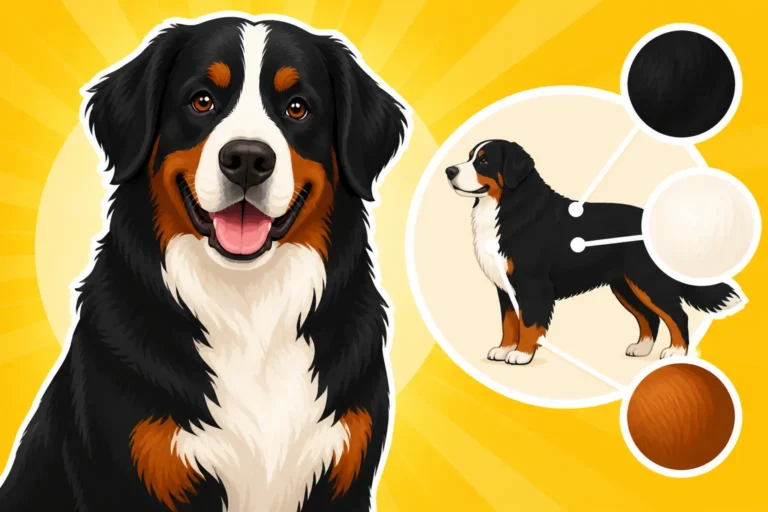
When you picture a Bernese Mountain Dog, you immediately think of that beautiful tricolor coat: a deep jet black body, with rich rust (or tan) markings above the eyes, on the cheeks, chest, and legs, all accented by crisp white on the blaze, muzzle, chest, and feet. This isn't unique to the Bernese. All four Sennenhund breeds share this fundamental tri-color pattern. Why the Bernese Mountain Dog and Its Cousins Are Tricolor delves into the genetics behind this.
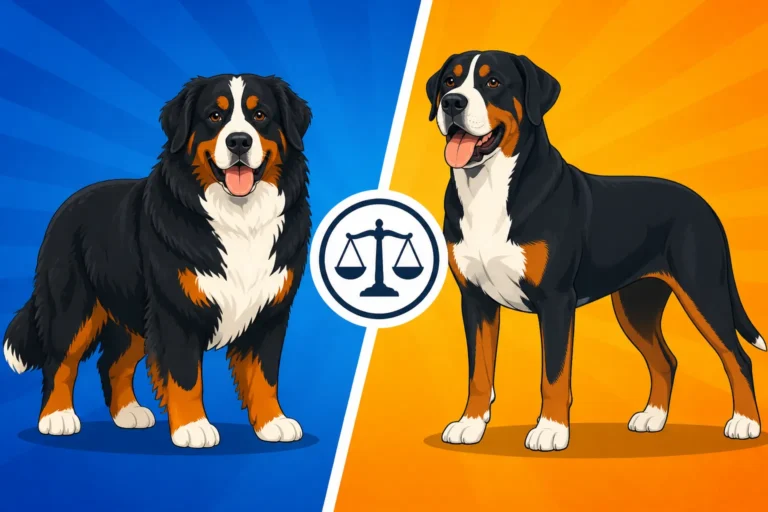
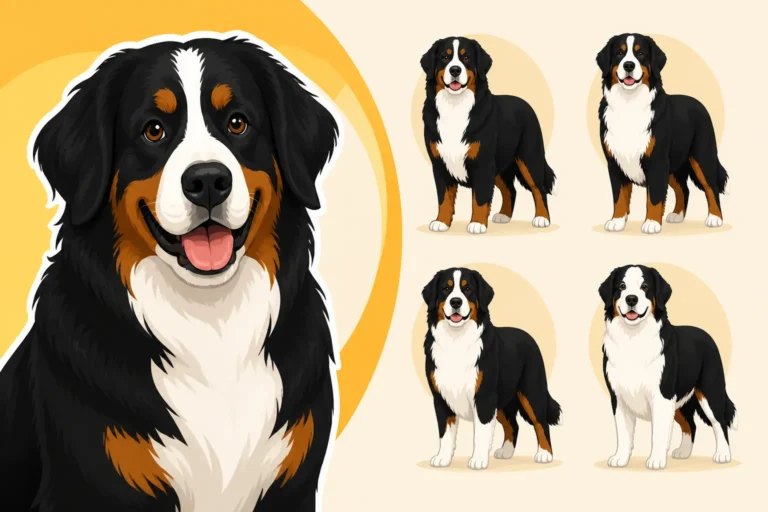
However, the expression of these colors differs. The Bernese Mountain Dog is the only one with a long, silky coat. The Greater Swiss Mountain Dog has a short, dense coat, as do the Appenzeller and Entlebucher Sennenhunds. Despite the difference in length, the general placement of the white and rust markings, like the "Swiss Cross" on the chest or the "Swiss Kiss" on the neck, is often present across all four. You can learn more about specific patterns in Bernese Mountain Dog Markings and What They Mean. These shared markings are a strong visual indicator of their close genetic relationship.
Sturdy Builds and Working Frames
Beyond the coat, all Sennenhunds are built for strength and endurance. They are robust, powerfully built dogs, designed to navigate rugged alpine terrain and perform strenuous tasks. While their sizes vary, from the smaller Entlebucher to the impressive Greater Swiss, the overall impression is one of solid, athletic capability. They all possess substantial bone structure, deep chests, and well-muscled hindquarters, allowing them to pull carts, drive cattle, and stand guard effectively.
For example, the Bernese Mountain Dog is known for its strong, sturdy frame, perfectly suited for draft work. The Greater Swiss Mountain Dog, as its name suggests, is the largest and heaviest of the group, a true powerhouse. Even the smaller Appenzeller and Entlebucher are incredibly agile and powerful for their size. This shared emphasis on a functional, robust physique is a clear legacy of their working heritage. How Big a Bernese Mountain Dog Gets compared to its cousins highlights these differences in scale while still showing the underlying structural similarities.
Size Comparison of the Swiss Sennenhund Breeds
While all four breeds are sturdy, their sizes can vary significantly. This table gives a general overview of their typical size ranges:
| Breed | Male Height (at shoulder) | Female Height (at shoulder) | Weight Range (Males & Females) | Coat Length |
|---|---|---|---|---|
| Bernese Mountain Dog | 25-27.5 inches | 23-26 inches | 80-115 lbs | Long |
| Greater Swiss Mountain Dog | 25.5-28.5 inches | 23.5-27 inches | 85-140 lbs | Short |
| Appenzeller Sennenhund | 20.5-22 inches | 19.5-21 inches | 48-70 lbs | Short |
| Entlebucher Sennenhund | 17-21 inches | 16-20 inches | 45-65 lbs | Short |
As you can see, the Bernese and Greater Swiss are truly giant breeds, while the Appenzeller and Entlebucher are medium-to-large, but still very substantial dogs. This range highlights the adaptability of the Sennenhund type to different working roles and regional preferences within Switzerland. For a direct comparison, see The Greater Swiss Against the Bernese Mountain Dog and The Appenzeller and Entlebucher Beside the Bernese Mountain Dog.
Gentle Giants with Shared Temperaments
The temperaments of the Swiss Sennenhund breeds also show remarkable consistency, rooted in their original purpose as farm dogs. While individual personalities will always vary, there's a strong thread of loyalty, intelligence, and a somewhat reserved nature that runs through them all. They were bred to be reliable partners, not high-strung athletes, and that calm, steady disposition is a key shared characteristic.
Loyalty and Devotion to Their Families
One of the most cherished traits across all Sennenhund breeds is their profound loyalty to their families. These dogs were literally part of the family farm, and that bond is deeply ingrained. They tend to form strong attachments to their human companions and thrive on being included in family activities. They are not dogs content to be left alone in a backyard; they want to be where their people are. This devotion can manifest as "leaners" – dogs who press their bodies against you, seeking contact and reassurance.
This loyalty also translates into a protective instinct. While none of the Sennenhunds are typically aggressive, they possess a natural wariness of strangers and a strong desire to guard their loved ones and territory. They are watchful and will alert you to anything unusual, but generally remain calm and self-assured rather than overly reactive. This inherent protective nature stems directly from their historical role as farm guardians.
Intelligence and Trainability with a Caveat
All four Swiss breeds are intelligent and generally eager to please, making them quite trainable. They excel in tasks that require problem-solving and partnership, such as obedience, draft work (which was their primary historical job, as described in What a Bernese Mountain Dog Did on a Swiss Farm), and even tracking. However, they are also known for a certain level of independence or "stubbornness" if they don't see the point of a command, or if the training isn't engaging and positive.
They respond best to gentle, consistent training methods, rich in positive reinforcement. Harsh corrections can cause them to shut down or become resentful. Their intelligence means they learn quickly, but their thoughtful nature means they might pause to consider if a command is truly necessary before acting. This isn't defiance; it's a characteristic of a breed bred to make decisions on a farm, not just blindly follow orders. The Bernese Mountain Dog Breed Standard emphasizes their "self-confident and good-natured" temperament, which applies broadly to their cousins as well.
Sociability and Reserve with Strangers
While devoted to their own families, the Sennenhunds often display a natural reserve around strangers. They are typically not dogs that will rush up to greet every new person with boundless enthusiasm. Instead, they prefer to observe newcomers calmly before deciding if they are trustworthy. This reserved nature is another echo of their guardian instincts; a good farm dog doesn't automatically trust outsiders.
Early and ongoing socialization is crucial for all these breeds to ensure their natural reserve doesn't tip into shyness or fear. Properly socialized Sennenhunds are polite and well-mannered in public, accepting attention from those they deem acceptable, but always prioritizing their family's presence. They are generally good with children and other pets within their own household, provided they are introduced and raised together, reflecting their traditional role as family dogs. This careful balance of sociability and reserve is a key shared personality trait.
Understanding Shared Health Predispositions
Despite their shared robust appearance and historical resilience, the Sennenhund breeds, like many purebred dogs, can be prone to certain health conditions. While some issues are more prevalent in one breed than another, there are several significant health concerns that appear across the family, often linked to their large size and genetic predispositions. It's vital for any potential owner to be aware of these commonalities, as prevention and early detection are key to a long, happy life.
Joint and Skeletal Issues
Given their size and rapid growth rates, all the larger Sennenhund breeds, particularly the Bernese Mountain Dog and Greater Swiss Mountain Dog, are prone to joint and skeletal problems. Hip and elbow dysplasia are significant concerns. These are inherited conditions where the joints don't form correctly, leading to arthritis, pain, and mobility issues as the dog ages. Breeders of all four types conscientiously screen their breeding stock through organizations like the Orthopedic Foundation for Animals (OFA) to try and reduce the incidence of these conditions.
Osteochondritis Dissecans (OCD), a condition affecting cartilage in the joints, is another shared concern. Managing growth in puppies with appropriate nutrition (avoiding overfeeding and rapid weight gain) and restricting intense exercise is crucial for all large Sennenhund puppies to help prevent these issues. Owners should be aware that a hundred-pound dog puts immense pressure on its joints. Joint Disease in a Hundred Pound Bernese Mountain Dog provides more insight into these challenges for the Berner, which are often echoed in its larger cousin.
Bloat (Gastric Dilatation-Volvulus) Risk
Bloat, or Gastric Dilatation-Volvulus (GDV), is a life-threatening condition that all deep-chested, large breed dogs, including the Bernese Mountain Dog and Greater Swiss Mountain Dog, are at an elevated risk for. This terrifying condition occurs when the stomach fills with gas and twists, cutting off blood supply and potentially leading to rapid death if not treated immediately. It's a sudden, emergency situation that every owner of these breeds needs to be educated about.
While the exact causes are still not fully understood, risk factors include eating one large meal a day, eating rapidly, exercising too soon after eating, and stress. Many owners of these breeds consider a prophylactic gastropexy, a surgical procedure that tacks the stomach to the abdominal wall to prevent it from twisting, which can be done at the time of spay or neuter. Knowing What Bloat Looks Like in a Bernese Mountain Dog is critical for early intervention. This is a shared worry that binds many Sennenhund owners together.
Cancer Predispositions
Perhaps one of the most heartbreaking shared predispositions, particularly for the Bernese Mountain Dog, is a higher incidence of certain types of cancer, especially histiocytic sarcoma. While the Bernese is notably affected, other Sennenhunds can also suffer from various forms of cancer, including lymphoma and mast cell tumors. This suggests a broader genetic vulnerability within the family, although specific cancers may be more prevalent in one breed over another due to particular genetic lines.
The short lifespan of the Bernese Mountain Dog, often around seven or eight years, is heavily influenced by cancer. Understanding The Cancer That Kills Half of All Bernese Mountain Dogs provides a stark reminder of this challenge. While not identical across all breeds, the general increased risk of aggressive cancers is a shared concern that responsible breeders and owners actively monitor and research. Checking the Berner-Garde database for lineage health information, if available, can be helpful for the Bernese, and similar efforts exist for other breeds. Understanding Whether Swiss Bernese Mountain Dog Lines Live Longer and Whether the Swiss Breeds Share Bernese Mountain Dog Health Problems can help potential owners navigate these complex issues.
Disclaimer
This article is for general informational purposes only and does not constitute professional advice. Laws, prices and regulations vary by location and change over time. Consult a qualified professional for guidance on your specific situation.