What a Bag of Food Lasts a Bernese Mountain Dog
One of the most common "aha!" moments for new Bernese Mountain Dog owners, right after realizing just how much their puppy will grow, is the sheer volume of food these gentle giants consume. You might find yourself staring at a brand-new, massive bag of kibble, wondering if it'll last a week or a month, and perhaps more importantly, how often you'll be hauling another one home. This guide is here to shed some light on exactly how long a bag of food might last your Bernese Mountain Dog, taking into account all the variables that can turn that seemingly simple question into a real head-scratcher.
Factors Influencing How Quickly Your Berner Empties the Bag
It would be wonderfully straightforward if every Bernese Mountain Dog ate the exact same amount of food, leading to a perfectly predictable bag lifespan. But as any Berner parent knows, these dogs are individuals with unique needs, even within their breed. Several key factors come into play, making your dog's eating habits distinctly their own.
Age and Growth Stage
The most significant factor influencing how much food your Bernese Mountain Dog needs, and thus how long a bag lasts, is their age and current stage of development. This breed grows fast, reaching a substantial size in a relatively short period, and their nutritional demands reflect that explosive growth.
Puppy Powerhouse (Up to 18-24 Months): A Bernese Mountain Dog puppy isn't just a tiny fluffball for long. They're miniature eating machines, sometimes requiring more calories per pound of body weight than an adult dog, simply because they're building bone, muscle, and all those beautiful Bernese characteristics. Their energy needs are immense for proper development. You'll find that a single bag of puppy food seems to vanish in the blink of an eye during this critical growth period, especially when they're hitting those adolescent growth spurts. It's not uncommon for a large bag to last only a couple of weeks, or even less for some very fast-growing pups. It’s crucial they receive a diet formulated for large breed puppies to ensure controlled growth and prevent issues like Why a Bernese Mountain Dog Puppy Needs Controlled Calcium.
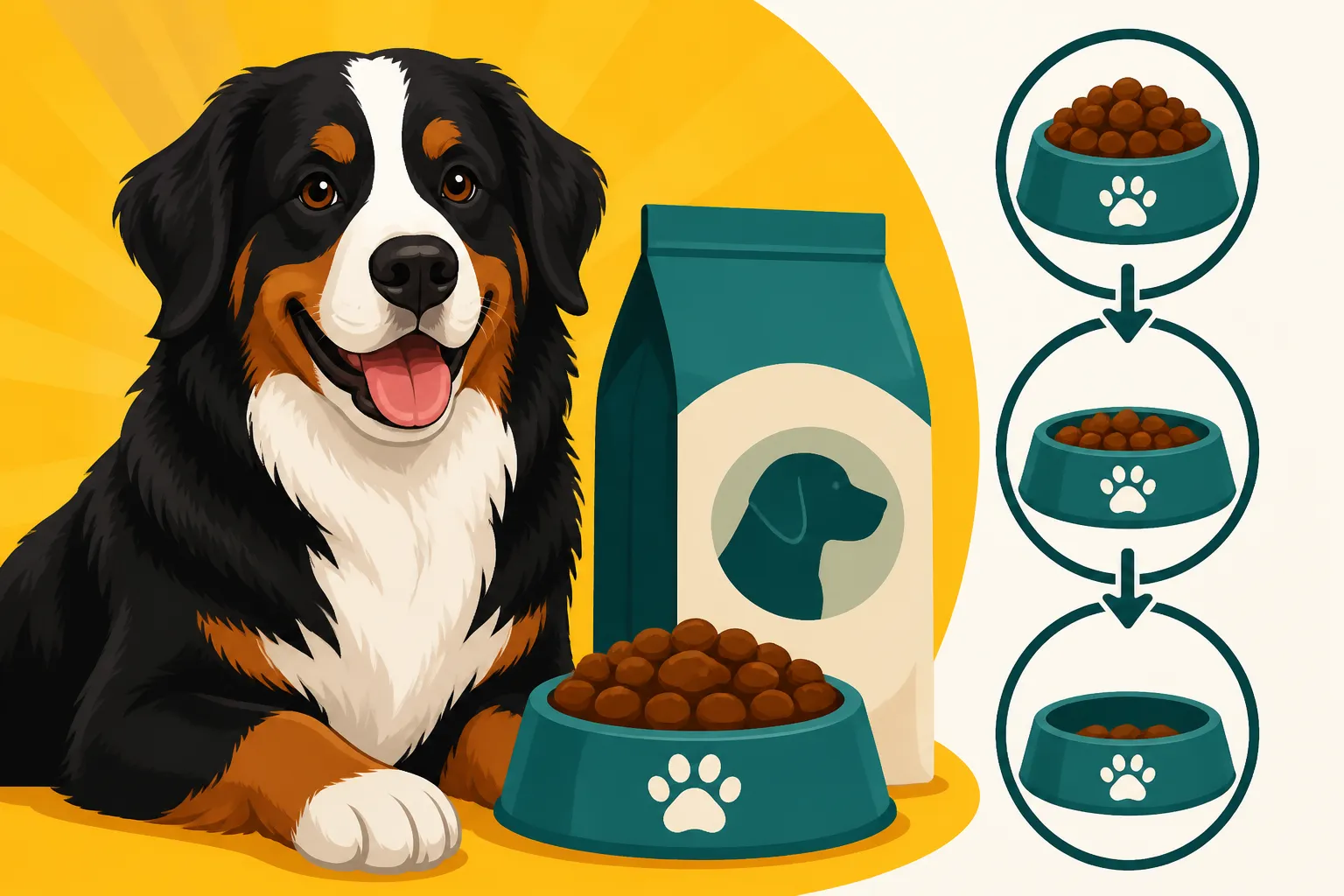
Adult Appetite (2-7 Years): Once your Berner has reached their full majestic size and their growth plates have closed, usually around two years of age, their caloric needs will stabilize somewhat. They'll still eat a substantial amount of food – after all, they're a hundred pounds of love and fur! – but the frantic pace of puppy feeding typically slows. A large bag of adult kibble might stretch a bit further, perhaps three to four weeks, depending on the specific dog and the food's density. This is when you really get into the rhythm of their adult eating patterns. You'll want to focus on The Daily Ration a Hundred Pound Berner Gets to keep them at a healthy weight.
Golden Years (7+ Years): As your Bernese Mountain Dog transitions into their senior years, their metabolism often slows down, and their activity levels might decrease. This usually means a slight reduction in their daily caloric intake to prevent unwanted weight gain, which can exacerbate joint issues. A bag of senior-formula food, which is often less calorically dense, might last a little longer than it did during their prime adult years. However, some older dogs may require specialized diets for specific health conditions, which could alter consumption patterns again.
Activity Level and Metabolism
Just like people, not all Bernese Mountain Dogs have the same energy output. A Berner that spends its days hiking mountains or participating in draft work will burn significantly more calories than one whose favorite pastime is napping on the cool kitchen floor.
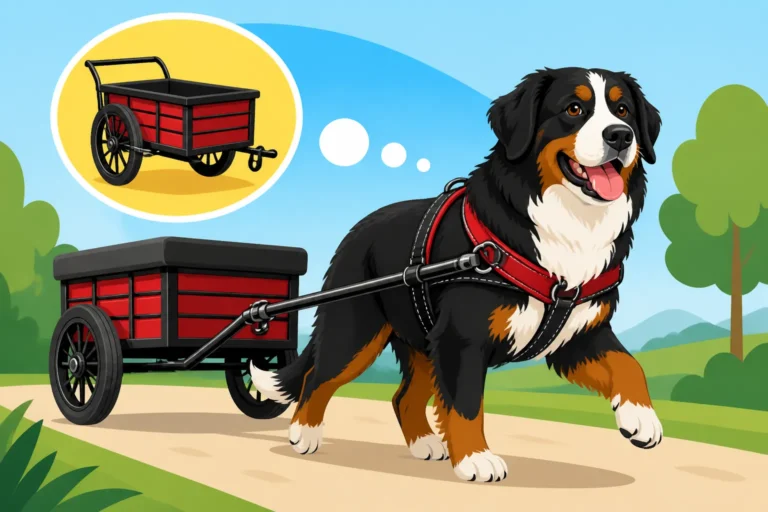
The Active Adventurer: If your Bernese Mountain Dog is your constant companion on long hikes, enjoys regular strenuous play, or participates in dog sports like carting or agility (carefully, given their joints!), they'll naturally require more fuel. Their muscles need energy to perform and recover, meaning larger daily portions and a faster depletion of that food bag. This is where understanding Exercising a Bernese Mountain Dog in Summer becomes important, as activity levels might fluctuate seasonally.
The Laid-Back Lounger: Many Bernese Mountain Dogs are content with a couple of leisurely walks a day and plenty of cuddle time. For these less active individuals, their caloric needs will be lower. Overfeeding a less active Berner can quickly lead to weight gain, putting unnecessary strain on their joints, which are already prone to conditions like hip and elbow dysplasia. Monitoring their body condition closely is key, and their food bags will likely last a bit longer. Remember, What a Fit Bernese Mountain Dog Should Weigh is a good benchmark.
Individual Metabolic Rate: Beyond activity, each dog has its own unique metabolic rate. Some seem to eat a ton and stay lean, while others put on weight just looking at a treat. Genetics, health conditions (like thyroid issues), and even the weather can play a role. A dog with a naturally faster metabolism will burn through food quicker, regardless of their activity level.
Food Type and Caloric Density
Not all dog foods are created equal, especially when it comes to caloric content. The type of food you choose for your Bernese Mountain Dog will directly impact how much they need to eat to meet their nutritional requirements, and thus, how long a bag lasts.
Kibble Variations: Dry kibble is the most common food choice for Bernese Mountain Dogs, but even within kibble, there's a huge spectrum.
- Caloric Density: Some premium kibbles are very calorically dense, packed with high-quality protein and fats. This means your Berner needs to eat less of it by volume to get the same amount of calories, potentially making a bag last longer. Conversely, a less dense, filler-heavy food might require larger portions, emptying the bag faster.
- Kibble Size: While it doesn't directly affect caloric density, the size and shape of the kibble can sometimes influence how quickly a dog eats, and thus how much they feel "full." Larger kibble designed for large breeds can slow down eating.
- Specialty Diets: Foods formulated for large breed puppies, senior dogs, or those with specific dietary needs (e.g., sensitive stomachs, joint support like Joint Supplements in a Bernese Mountain Dog's Bowl) can have varying caloric profiles. For instance, a diet aimed at weight loss will be less calorically dense, requiring larger portions to feel full.
Wet Food vs. Dry Food: If you incorporate wet food into your Bernese Mountain Dog's diet, either as a topper or a meal component, it typically has a much higher moisture content and lower caloric density per gram compared to kibble. This means a can of wet food provides fewer calories than an equivalent weight of dry kibble. If your Berner eats primarily wet food, you'd go through a lot more of it by weight than kibble, though this is less common for large breeds due to cost and practicality. Brands like Ollie, which offer fresh, human-grade food, often have different caloric densities than traditional kibble, and feeding guidelines would need to be followed closely.
Treats and Supplements: Don't forget that treats, chews, and even caloric supplements add to your dog's overall intake. If your Berner gets a lot of high-calorie treats throughout the day, you might need to slightly reduce their main meal portions, which could make the kibble bag last a little longer.
Estimating Your Food Bag's Lifespan: The Nitty-Gritty
Okay, so we know there are variables. Now, let's get down to how you can actually estimate how long that big bag of Bernese Mountain Dog food will last. It's less guesswork and more simple math, I promise!
Reading the Feeding Guidelines
Every reputable dog food bag will have a feeding guideline chart. This is your starting point, but it's important to understand its limitations.
Understanding the Chart: These charts typically provide a recommended daily portion based on your dog's current weight and sometimes their age (e.g., puppy vs. adult). Portions are usually given in standard measuring cups or sometimes by weight (ounces/grams).
- Example: A chart might suggest "3-5 cups per day for an adult dog weighing 80-100 lbs."
- Weight vs. Age: For puppies, the chart might break it down by age and expected adult weight, or simply current weight. Pay close attention to these distinctions. Remember that What a Bernese Mountain Dog Weighs at Each Month will vary wildly in their first year.
Why It's Just a Guideline: Manufacturers provide these as averages. They can't possibly account for every dog's individual metabolism, activity level, or living environment. Think of it as a helpful suggestion, not an unbreakable rule. You'll need to observe your own dog and adjust accordingly. If your Berner is looking a bit too lean or starting to pack on pounds, those guidelines are the first thing to review.
Performing the Math: A Step-by-Step Calculation
Once you have a daily feeding estimate, you can calculate how long a bag should last.
- Find the Bag's Total Weight: Look for this on the packaging, usually in pounds (lbs) or kilograms (kg). For a Bernese Mountain Dog, you're likely buying large bags, perhaps 25-40 lbs (around 11-18 kg). Let's use 30 lbs for our example.
- Convert to Ounces or Grams (if needed): Dog food scoops are often standardized to "cups," but the density of food varies. For more accurate calculations, converting the bag's weight to a consistent unit like ounces or grams is helpful, especially if your feeding scoop is labeled with weight.
- 1 lb ≈ 16 ounces
- 1 kg ≈ 1000 grams
- So, a 30 lb bag is 30 * 16 = 480 ounces.
- Determine Your Dog's Daily Portion (by weight if possible): This is the most accurate way. If your feeding scoop tells you, for instance, that 1 cup of your specific kibble weighs 4 ounces, and your dog eats 4 cups a day:
- Daily intake = 4 cups * 4 ounces/cup = 16 ounces per day.
- If the bag gives a weight recommendation directly (e.g., 10 ounces per day), even better.
- Calculate Days Per Bag: Divide the total ounces (or grams) in the bag by your dog's daily intake in ounces (or grams).
- Days per bag = Total bag weight (oz) / Daily intake (oz/day)
- Using our example: 480 ounces / 16 ounces/day = 30 days.
Hypothetical Table: Estimating Bag Lifespan for a 30lb (480oz) Bag of Kibble
| Dog's Weight/Stage | Est. Daily Intake (Cups) | Est. Daily Intake (Oz – assuming 4oz/cup) | Days a 30lb Bag Lasts | Notes |
|---|---|---|---|---|
| Puppy (50 lbs) | 4-5 cups | 16-20 oz | 24-30 days | High growth demands, can vary wildly |
| Adult (100 lbs, Low Activity) | 3.5-4.5 cups | 14-18 oz | 26-34 days | Less active Berner, monitor weight closely |
| Adult (100 lbs, Moderate Activity) | 4.5-5.5 cups | 18-22 oz | 21-26 days | Most common scenario for active pet Berners |
| Adult (100 lbs, High Activity) | 5.5-7 cups | 22-28 oz | 17-21 days | Working dogs or very active individuals |
| Senior (100 lbs) | 3-4 cups | 12-16 oz | 30-40 days | Slower metabolism, lower activity |
Note: These are estimates. Always weigh your dog's food for accuracy and adjust based on body condition.
Real-World Scenarios and Adjustments
Life isn't always a perfect equation. You'll need to make real-world adjustments.
- Weight Fluctuations: Is your Berner looking a bit chunky? Or perhaps too thin? You'll need to adjust their daily portions, which directly impacts how long the bag lasts. Taking Ten Pounds Off a Bernese Mountain Dog is a common challenge.
- Seasonal Activity: My own Berner is a couch potato in the height of summer (especially given Heat and the Bernese Mountain Dog's Black Coat), but a whirlwind of energy in the cooler months. His food intake naturally shifts with the seasons.
- Health Changes: Illness or specific health conditions can affect appetite and nutritional needs. Always consult your vet if your Berner's eating habits change dramatically.
- Treats and Table Scraps: Be honest with yourself about how many treats, chews, or bits of human food your dog gets. These all add calories and might mean you can slightly reduce their kibble, extending the bag's life.
Managing Food Costs and Storage for Your Big Dog
Feeding a Bernese Mountain Dog isn't just about how long a bag lasts; it's also about managing the logistics and costs associated with such a large appetite. You're going to need a strategy!
Buying in Bulk vs. Smaller Bags
This is often a battle between cost savings and freshness, especially for a large breed like the Bernese Mountain Dog.
The Appeal of Bulk:
- Cost Efficiency: Generally, the larger the bag, the lower the price per pound or ounce. This can lead to significant savings over time. For a dog that eats as much as a Bernese, this adds up quickly.
- Fewer Shopping Trips: Hauling a 30 or 40-pound bag of kibble isn't a light task. Buying in bulk means fewer trips to the pet store, saving you time and effort. Many online retailers, like Chewy, offer bulk options and auto-ship programs, delivering those heavy bags right to your door, which is a lifesaver.
- Consistent Supply: You're less likely to run out of food unexpectedly, avoiding those frantic last-minute dashes to the store.
The Downsides of Bulk (and Why Smaller Bags Might Sometimes Be Better):
- Freshness Concerns: Once opened, kibble starts to lose freshness, and fats can go rancid, making it less palatable and less nutritious. For a single Bernese Mountain Dog, even a large bag might last three to four weeks, which is generally acceptable. However, if you're buying truly massive bags that take two months or more to finish, freshness can become an issue.
- Storage Space: Those big bags take up a lot of room! You need dedicated, cool, dry storage.
- Palatability Changes: Some picky Berners might turn up their nose at food that's been open too long.
- Trial and Error: If you're trying a new food, buying a smaller bag first is always a good idea. Imagine buying a 40 lb bag only to find your Berner doesn't like it or it upsets their stomach!
My Recommendation: For most Bernese Mountain Dog owners, the largest standard bag (e.g., 30-40 lbs) is usually the sweet spot. It offers good cost savings and, if stored correctly, should be consumed before freshness becomes a major problem.
Proper Storage for Freshness
You've invested in quality food for your Bernese Mountain Dog, so let's make sure it stays fresh and nutritious from the first scoop to the last. Proper storage is crucial, especially with large bags.
- Keep it in the Original Bag: The manufacturer's bag is designed to protect the food, often with a grease-resistant lining.
- Airtight Container: Transfer the entire original bag (or pour the food into it) into an airtight, food-grade storage container. This protects against moisture, air, and pests. Look for containers specifically designed for large bags of pet food.
- Cool, Dry Place: Store the container in a cool, dry place away from direct sunlight, heat, and humidity. Heat and light can speed up the degradation of nutrients and fats. Your pantry, a utility room, or a cool corner of your basement are ideal. Avoid storing it in the garage if it gets hot or humid, as this can lead to rancidity and mold.
- Wash the Container Regularly: Every time you finish a bag and refill the container, give it a good wash with soap and water and let it dry completely. Old food residue can harbor bacteria and transfer old, stale odors to new food.
Considering Food Quality and Health
While this guide focuses on how long a bag lasts, it's impossible to talk about feeding your Bernese Mountain Dog without touching on the quality of the food itself. Your choice of food has a profound impact on their overall health, which in turn can influence your vet bills and their quality of life.
- Investing in Quality: A higher-quality food, while potentially costing more per bag, might actually be more calorically dense and provide better nutrition. This can mean your Berner eats slightly less by volume, and the bag might stretch further. More importantly, good nutrition supports a healthy immune system, joint health, and overall vitality. Brands that focus on high-quality ingredients, like Ollie with their fresh meal plans, might have a higher upfront cost but could offer benefits in terms of digestion, coat health, and energy levels.
- Preventive Health: While no food can prevent all health issues, a well-balanced, high-quality diet can contribute to better health, potentially reducing the frequency or severity of certain conditions. This is where pet insurance, like Healthy Paws, can be invaluable for unexpected illnesses or accidents, but good daily care, starting with nutrition, is your first line of defense. Remember, The Bernese Mountain Dog Health Panel is something you'll want to stay on top of, and diet plays a role.
- Addressing Specific Needs: As your Berner ages, or if they develop specific health concerns, your vet might recommend a therapeutic diet. While these often come in smaller, more expensive bags, they are tailored to manage conditions and support your dog's well-being.
Long-Term Planning for Your Bernese Mountain Dog's Food Needs
Beyond understanding how long a single bag lasts, it’s vital to think about the bigger picture. A Bernese Mountain Dog is a long-term commitment, and their food needs will be a significant, ongoing expense.
Budgeting for a Bernese Mountain Dog's Food Needs
Don't underestimate the monthly food bill for a Bernese Mountain Dog. It’s significantly more than for a smaller breed.
- Calculate Monthly/Annual Cost: Once you know how long a bag lasts, you can easily project your monthly and annual expenses. If a 30lb bag costs you X dollars and lasts 30 days, then your monthly cost is X. If it only lasts 20 days, you'll need 1.5 bags a month, so your cost is 1.5 * X. Multiply that by 12 for the annual budget. This upfront calculation helps avoid financial surprises. You'll quickly see that Feeding a Hundred Pound Bernese Mountain Dog Monthly is a considerable expense.
- Factor in Treats and Chews: These aren't just extras; they're often daily necessities for training, enrichment, and dental health. Include them in your budget.
- Unexpected Changes: Your Berner might need a prescription diet later in life, which can be more expensive. Build a little cushion into your budget if possible.
- Consider Auto-Ship Discounts: Many online retailers offer discounts for setting up recurring deliveries. This not only saves you money but also ensures you never run out.
Monitoring Weight and Adjusting Portions
Your Bernese Mountain Dog's body condition is the ultimate guide to their feeding needs. The number on the bag is a starting point, but your eyes and hands are the real tools.
- Regular Weight Checks: Especially during puppyhood, regular weigh-ins are crucial to ensure healthy growth. For adults, a monthly check-in can help you catch weight gain or loss early. Don't forget that Whether a Bernese Mountain Dog's Weight Shortens Its Life is a real concern, so maintaining a healthy weight is paramount.
- Body Condition Scoring (BCS): Learn to assess your dog's BCS. You should be able to easily feel their ribs without seeing them, and they should have a discernible waist when viewed from above. If their ribs are difficult to feel, they're likely overweight. If you can clearly see their ribs, they might be underweight.
- Adjusting as Needed: If your Berner is gaining weight, gradually reduce their daily portion. If they're losing weight or seem too lean, slowly increase it. Make small adjustments over a week or two, then reassess. Don't make drastic changes overnight.
- Consult Your Vet: Always discuss significant weight changes or concerns with your veterinarian. They can rule out underlying health issues and help you develop an appropriate feeding plan. This is especially true if you notice signs like Whether a Bernese Mountain Dog Hides Discomfort, as pain can sometimes affect appetite or metabolism.
Understanding how long a bag of food lasts for your Bernese Mountain Dog is more than just a logistical challenge; it's a critical part of responsible ownership. By considering their age, activity level, the specific food you choose, and diligently monitoring their health, you can ensure your beloved Berner receives the right nutrition to live their best, happy life, and you can manage your budget without constant guesswork.
Disclaimer
This article is for general informational purposes only and does not constitute professional advice. Laws, prices and regulations vary by location and change over time. Consult a qualified professional for guidance on your specific situation.